
The Golden State, California, renowned for its diverse landscapes, vibrant cities, and iconic natural beauty, attracts millions of travelers each year. From the sun-kissed beaches of San Diego to the majestic peaks of Yosemite National Park and the bustling metropolises of Los Angeles and San Francisco, it offers an unparalleled array of destinations and experiences. However, one recurring concern that often surfaces, particularly during specific seasons, is the presence of wildfires. For those planning a trip, or even considering a long-term stay, understanding the current wildfire situation and its potential impact on travel, tourism, and accommodation is paramount.
The answer to whether there are fires in California right now is dynamic and constantly evolving. While large, destructive wildfires tend to be more prevalent during the warmer, drier months, smaller incidents can occur at any time due to various factors including strong winds, human activity, and lightning strikes. It’s crucial for any traveler to approach their plans with awareness and flexibility, leveraging reliable, real-time information to ensure a safe and enjoyable journey. This article aims to provide a comprehensive guide, tailored for travelers and visitors, on navigating the complexities of wildfires in California, offering insights into planning, safety, and how to still experience the best of this incredible state.
Understanding California’s Wildfire Landscape
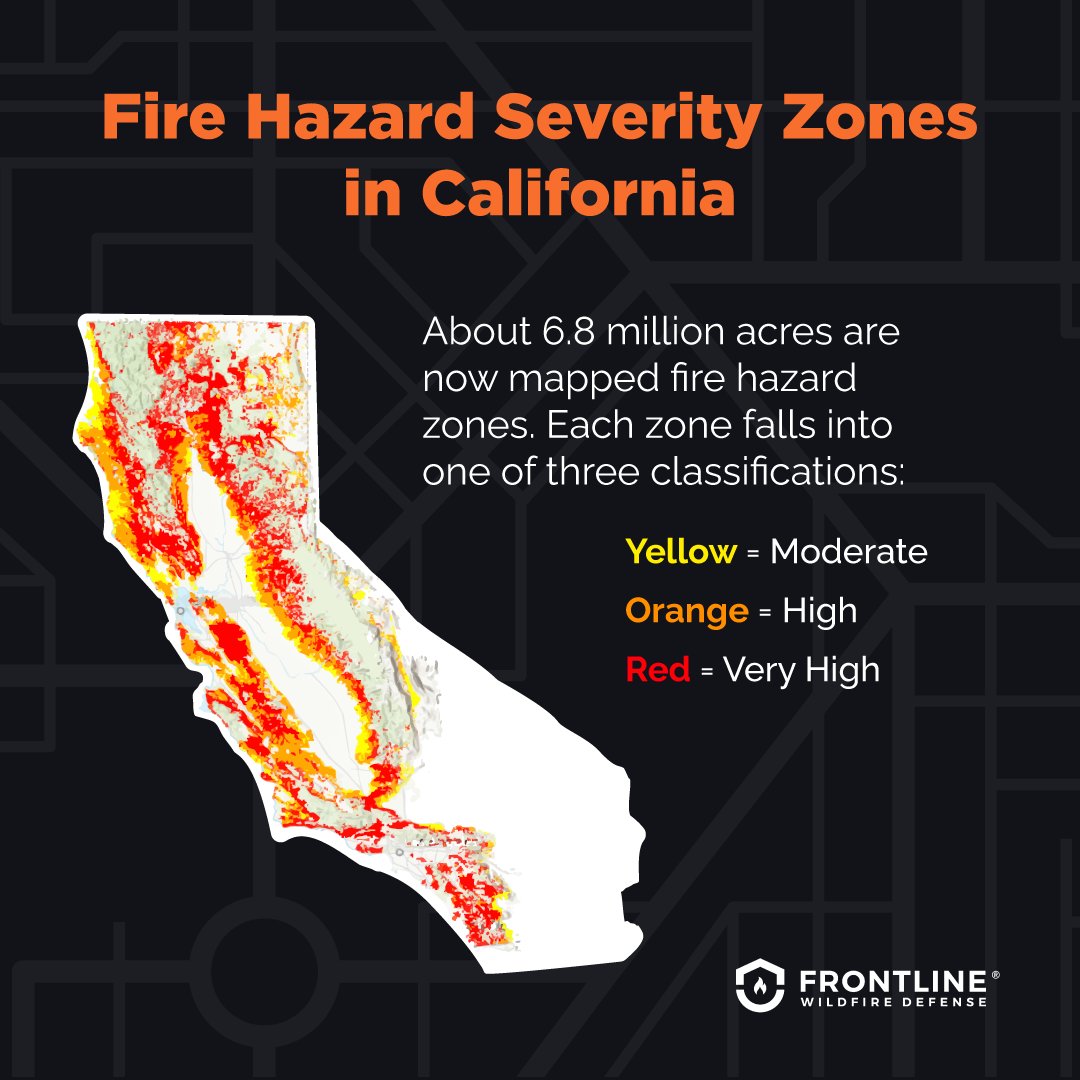
California’s unique geography and climate make it inherently prone to wildfires. The state is characterized by long, dry summers, chaparral-covered hillsides, and strong, dry winds like the Santa Anas in the south and the Diablos in the north. This combination creates an environment where vegetation can quickly become tinder, leading to rapid fire spread. While wildfires are a natural, albeit destructive, part of the state’s ecosystem, human activity and climate change have intensified their frequency and severity in recent decades.
The Annual Wildfire Cycle
Wildfire season in California traditionally peaks between late summer and autumn, often extending into early winter. This period typically sees the highest temperatures, lowest humidity, and strongest winds. However, with changing climate patterns, the “season” has become less predictable, with significant fires occurring earlier in spring or later in winter.
- Spring (March-May): Generally lower risk, but early dry spells and strong winds can lead to isolated incidents.
- Summer (June-August): Risk begins to rise significantly as temperatures climb and vegetation dries out. Major fires can occur, especially inland and in mountainous regions.
- Autumn (September-November): Often the most dangerous period, characterized by hot, dry Santa Ana and Diablo winds that can rapidly spread fires over vast areas. This is when some of the most destructive fires have historically taken place.
- Winter (December-February): Generally the lowest risk period due as cooler temperatures and rain help reduce fuel loads, though dry winters can extend fire risks.
Understanding this cycle is vital for anyone planning travel, whether it’s a luxury getaway, a budget-friendly adventure, a family trip, or a business stay. It helps inform the best times to visit certain areas and the precautions to take regardless of the season.
Key Regions and Vulnerabilities
While no part of California is entirely immune to wildfires, certain regions are historically more vulnerable. These include:
- The Sierra Nevada Foothills: Areas around Lake Tahoe, Yosemite National Park, Sequoia National Park, and Redwood National Park are rich in dense forests and often experience significant fire activity. The impact on natural landmarks and outdoor activities can be substantial.
- Northern California Wine Country: Napa Valley and Sonoma County, while world-renowned for their vineyards and culinary tourism, have seen devastating fires impact their hotels, villas, and local culture.
- Southern California Wildland-Urban Interface: The hillsides surrounding Los Angeles, Santa Barbara, and San Diego are particularly susceptible, where urban development meets wildland. Fires here pose a direct threat to homes, resorts, and city infrastructure.
- Central Coast: Regions along the Pacific Coast Highway, including parts of Big Sur and inland areas near Monterey and Carmel-by-the-Sea, can also be affected, impacting scenic drives and coastal attractions.
Travelers considering these destinations should be particularly vigilant about current conditions and plan their itineraries with potential disruptions in mind.
Navigating Travel During Wildfire Season
Planning a trip to California during wildfire season requires a different approach than visiting during cooler months. The key is preparation, flexibility, and a commitment to safety. For travelers, this means staying informed about real-time conditions and understanding how these events can affect everything from road access to air quality and the availability of accommodations.
Prioritizing Safety: Before and During Your Trip
Your safety, and that of your companions, should always be the top priority.
-
Before You Go:
- Monitor Official Sources: Regularly check websites from CAL FIRE (the California Department of Forestry and Fire Protection), the National Interagency Fire Center (NIFC), and local county emergency services. These provide the most accurate and up-to-date information on active fires, containment levels, and evacuation orders.
- Check Air Quality: Wildfires can significantly degrade air quality, even hundreds of miles away from the active fire. Websites like AirNow.gov offer real-time air quality index (AQI) readings. Poor air quality can be a serious health concern, especially for those with respiratory conditions, and may warrant adjusting travel plans.
- Travel Insurance: Consider purchasing comprehensive travel insurance that covers cancellations or interruptions due to natural disasters. Read the policy carefully to understand what is covered.
- Flexible Bookings: When booking flights, hotels, or rental cars, opt for flexible cancellation policies if possible. Many accommodations, from luxury suites to budget apartments, understand the unpredictable nature of wildfire season.
- Emergency Kit: If traveling by car, especially through remote areas, consider carrying an emergency kit with water, food, first-aid supplies, and an N95 mask for smoke protection.
-
During Your Trip:
- Stay Informed Locally: Keep an eye on local news, weather forecasts, and social media from official emergency accounts. Local hotels and resorts often provide updates to guests.
- Heed Warnings and Evacuation Orders: If you are in an area under an evacuation warning or order, follow instructions immediately. Do not wait. This is crucial for your safety and to keep roads clear for emergency responders.
- Be Aware of Road Closures: Fires can lead to sudden road closures, impacting travel times and access to destinations. Use GPS apps like Google Maps or Waze, but also cross-reference with CALTRANS (California Department of Transportation) for official closure information.
- Outdoor Activities: Be cautious with outdoor activities. Many national and state parks may close trails or entire sections due to fire risk or active fires. Always check park websites before heading out.
Impact on Popular Destinations and Attractions
Wildfires can have a multifaceted impact on California’s cherished destinations and attractions, affecting everything from access to the visitor experience.
- National and State Parks: Iconic landmarks like Yosemite National Park, Joshua Tree National Park, and Big Sur are often the most directly impacted. Closures, even temporary ones, can significantly alter plans for hiking, camping, and scenic drives. Smoke can also obscure views and make outdoor activities unpleasant.
- Wine Regions: While vineyards themselves are often less flammable than surrounding wildlands, fires in Napa Valley and Sonoma County can lead to closures of tasting rooms, restaurants, and tours. Even without direct fire impact, smoke taint can affect grape harvests and air quality for visitors.
- Coastal Cities: Major cities like San Francisco, Los Angeles, and San Diego are generally less at risk of direct fire encroachment, but they can experience significant smoke plumes and poor air quality. This might affect outdoor activities, sightseeing at landmarks like the Golden Gate Bridge, or dining al fresco. Indoor attractions such as museums, theaters, and theme parks like Disneyland Resort or Universal Studios Hollywood are typically unaffected by the immediate fire danger, but poor air quality might deter some visitors from venturing out.
- Mountain and Desert Resorts: Destinations like Mammoth Lakes or Palm Springs, popular for their unique natural beauty, can be isolated by road closures or suffer from smoke. This can affect activities ranging from skiing in winter to hiking and golfing in summer.
Accommodation and Booking Considerations
For hotels, resorts, apartments, and villas, wildfires present unique challenges and considerations for travelers.
- Direct Impact: In areas directly threatened by fires, accommodations may be evacuated or even damaged. Always confirm the status of your booking directly with the property.
- Cancellation Policies: During active fire events or severe air quality warnings, many hotels and booking platforms may offer more flexible cancellation or rebooking options. It’s always best to communicate directly with your accommodation provider.
- Alternative Stays: If your original accommodation is impacted, consider looking for alternatives in less affected regions. California is vast, and often, while one area is affected, others remain perfectly safe and open for tourism. Cities like Sacramento, Fresno, Oakland, San Jose, or coastal towns like Santa Cruz might serve as excellent alternatives or bases for exploring other areas.
- Amenities: Even if your hotel is safe, smoke might impact outdoor amenities like pools, patios, or open-air restaurants. Check with the hotel regarding any changes to their services.
- Business Stays: For those on business trips, understanding potential travel disruptions to and from airports like Los Angeles International Airport or San Francisco International Airport and to corporate campuses is critical. Flexibility and remote work options might be necessary.
Beyond the Blaze: Enjoying California Responsibly
Despite the challenges posed by wildfires, California remains an incredible travel destination. Responsible tourism during wildfire season isn’t just about safety; it’s also about supporting local communities and finding ways to enjoy the state’s beauty without contributing to the problem. The lifestyle of travel in California can still be rich and rewarding, whether you’re seeking luxury travel, a family adventure, or a budget-conscious exploration.
Supporting Local Communities
When fires occur, local economies, particularly those reliant on tourism, can suffer immensely, even in areas not directly burned. Tourists often cancel trips, impacting hotels, restaurants, small businesses, and attractions.
- Visit Unaffected Areas: If your initial destination is impacted, consider redirecting your travel budget to nearby, unaffected towns and cities. Many parts of California remain open and welcoming.
- Dine Locally and Shop Small: Support local businesses by dining at local restaurants, visiting farmers’ markets, and purchasing souvenirs from independent shops.
- Volunteer or Donate (if appropriate): If you feel compelled to help, consider donating to reputable local charities involved in fire relief and recovery efforts, rather than attempting to volunteer directly unless specifically requested by emergency services.
Exploring Safe and Scenic Alternatives
California is a vast state with incredible diversity. If a particular region is experiencing fire activity, countless other breathtaking alternatives are usually available.
- Urban Escapes: Cities like San Francisco, Los Angeles, San Diego, Pasadena, Beverly Hills, or Hollywood offer a wealth of indoor cultural attractions, world-class dining, and entertainment that are largely immune to wildfire impacts, aside from potential air quality issues.
- Coastal Retreats: Many coastal areas, like Laguna Beach, Santa Barbara, Monterey, Carmel-by-the-Sea, or Coronado, often enjoy cleaner air and are less prone to large-scale wildfires due to humidity from the Pacific Ocean. These offer beautiful beaches, charming towns, and marine activities.
- Desert Wonders: Explore the unique landscapes of Death Valley National Park or Mojave National Preserve during cooler months, which are generally at lower risk of significant wildfires compared to forested areas.
- Indoor Attractions: Plan your itinerary around indoor experiences like museums, art galleries, aquariums, shopping districts, and theaters. California boasts an incredible array of cultural institutions suitable for any lifestyle, from family trips to luxury travel.
Resources for Real-Time Updates
Staying informed is your best defense against unexpected disruptions. Always consult official sources for the most accurate and current information.
- CAL FIRE: For comprehensive fire incident information, maps, and updates:
https://www.fire.ca.gov/incidents/ - National Interagency Fire Center (NIFC): For a broader overview of fires across the United States:
https://www.nifc.gov/ - AirNow.gov: For real-time air quality index (AQI) information:
https://www.airnow.gov/ - CALTRANS QuickMap: For real-time road conditions and closures:
http://quickmap.dot.ca.gov/ - Local County Emergency Services: Search for the specific county you plan to visit (e.g., “Los Angeles County Emergency Services”) for localized alerts and information.
- National Park Service: Check individual park websites for specific alerts, closures, and conditions (e.g.,
https://www.nps.gov/yose/for Yosemite).
While the question “Are There Fires In California Right Now?” is a valid and important one for travelers, it shouldn’t deter you from experiencing the wonders of the state. By adopting a proactive and informed approach, prioritizing safety, and remaining flexible with your travel plans, you can still embark on an unforgettable journey through California. Whether you’re planning a stay in a boutique hotel in San Francisco, an apartment rental near Anaheim, or a luxury resort in Napa Valley, a little preparation goes a long way in ensuring your California adventure is safe, responsible, and truly memorable.