
A Deep Dive into Maine’s Wildlife and Conservation Efforts
The question of whether grizzly bears inhabit the vast wilderness of Maine is one that sparks curiosity and, for some, a touch of apprehension. While the image of a grizzly bear is often associated with the rugged landscapes of the American West, understanding the presence and ecological role of large predators within any ecosystem is crucial for both conservation and public awareness. This exploration delves into the current scientific consensus, historical context, and the ecological factors that influence the potential presence of grizzly bears in Maine, focusing on the broader narrative of wildlife management and the preservation of Maine’s rich natural heritage.

Understanding Maine’s Apex Predators: A Historical and Current Perspective
Historically, large carnivores have played vital roles in shaping ecosystems. In Maine, the apex predator that has long captured the public imagination and scientific interest is the black bear. While often confused with grizzlies due to their size and potential for aggression, black bears are a distinct species with a significant presence in the state’s forests. The scientific consensus, based on extensive research, surveys, and anecdotal evidence, is that grizzly bears ( Ursus arctos horribilis) do not currently exist in Maine as a breeding or established population.
The Reign of the Black Bear
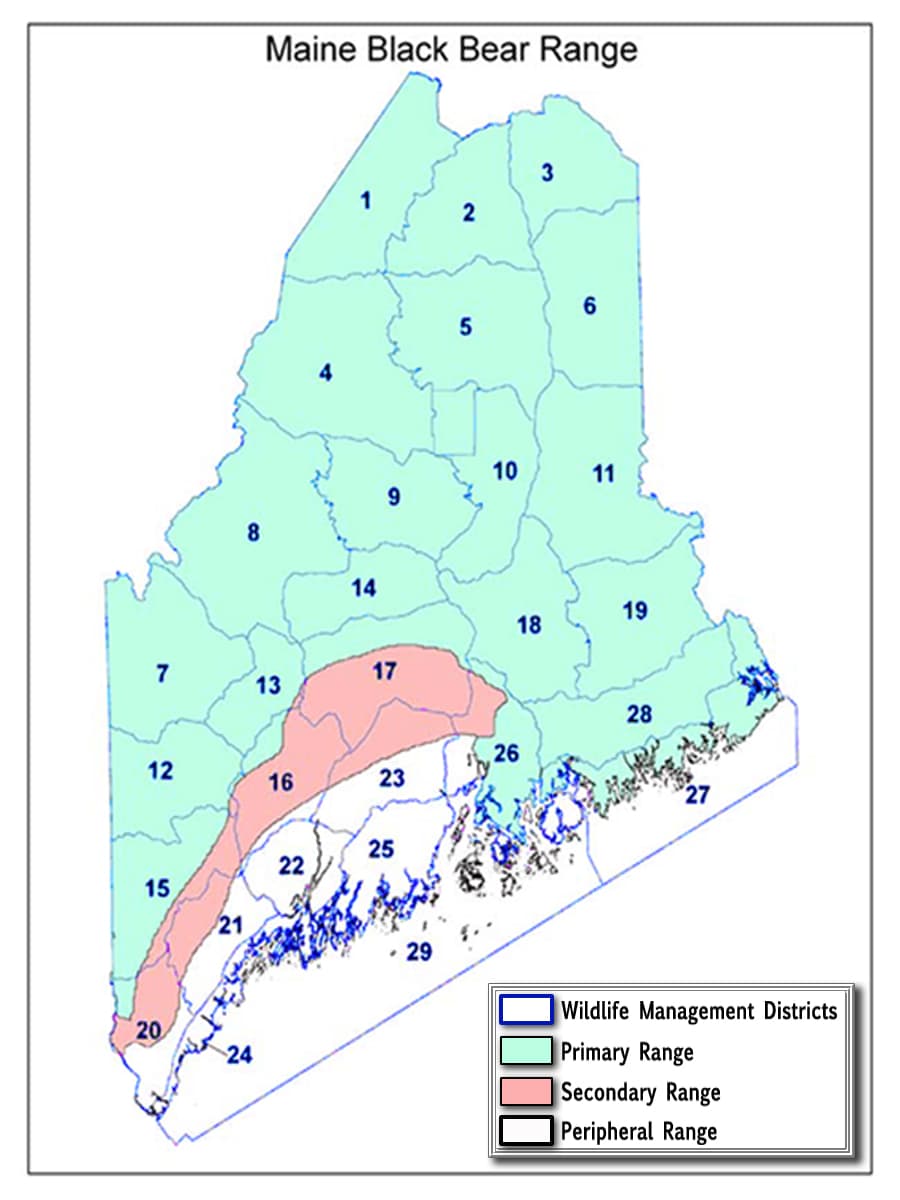
The American black bear (Ursus americanus) is ubiquitous across Maine, inhabiting forests, woodlands, and even venturing into suburban areas. These bears are adaptable, opportunistic omnivores, with a diet consisting of berries, nuts, insects, fish, and small mammals. Maine boasts a healthy and robust black bear population, managed by the Maine Department of Inland Fisheries and Wildlife. Wildlife biologists regularly monitor their numbers, habitats, and health, ensuring sustainable coexistence.
The distinction between black bears and grizzly bears is significant. Grizzly bears are a subspecies of the brown bear and are typically larger, with a prominent shoulder hump, a dished facial profile, and longer claws. Their historical range in the eastern United States was much broader, but due to habitat loss and hunting, they were extirpated from these regions centuries ago.
Historical Records and Extirpation
Evidence suggests that grizzly bears may have once roamed parts of eastern North America, including areas that are now Maine. However, these populations dwindled and ultimately disappeared due to human pressures, including agricultural expansion, deforestation, and direct persecution. By the time European settlers established a significant presence, grizzly bears were already becoming exceedingly rare in the East. Modern ecological studies and paleontological research have not yielded any credible evidence of a self-sustaining grizzly bear population in Maine in recent history.
Ecological Factors Influencing Large Carnivore Presence
The presence of large predators is intrinsically linked to the availability of suitable habitat, a sufficient prey base, and minimal human disturbance. For grizzly bears, these requirements are quite specific and are generally not met in contemporary Maine.
Habitat Suitability
Grizzly bears require vast, undeveloped tracts of land with diverse food sources, including meadows for foraging, areas for denning, and access to water. While Maine possesses extensive forests, particularly in the northern regions like the Allagash Wilderness Waterway and the Katahdin Woods and Waters National Monument, these habitats are primarily managed for and occupied by black bears. The fragmented nature of some Maine landscapes, due to human development and agriculture, further limits the connectivity required for large, wide-ranging carnivores.
Prey Availability and Competition
Grizzly bears are apex predators that often compete with other large carnivores for resources. In Maine, the primary large predator is the black bear, along with other carnivores like the eastern coyote and the eastern wolf (though wolf populations are extremely low and their presence debated). Grizzly bears have a broader diet than black bears, often including larger ungulates. However, the primary prey species for grizzlies, such as elk and caribou, are either absent or present in very small numbers in Maine. The current prey base in Maine is well-suited to the black bear’s needs and would likely not support a significant grizzly population without substantial ecological changes.
Human Impact and Corridors
Human activity is a major determinant in the distribution of large carnivores. Extensive road networks, agricultural lands, and recreational use in Maine create barriers and increase the risk of human-wildlife conflict. For grizzly bears, which are more sensitive to human presence than black bears, these factors make establishing a viable population extremely challenging. The concept of wildlife corridors is vital for the movement and genetic diversity of large mammals. While Maine has efforts underway to maintain and enhance such corridors, they are primarily designed to support existing species like black bears and moose, rather than facilitating the re-establishment of a species like the grizzly bear.
Conservation Efforts and the Future of Wildlife in Maine
The question of grizzly bears in Maine serves as a valuable point of discussion for broader wildlife conservation themes. The state is committed to preserving its natural heritage and supporting thriving populations of its native fauna.
The Role of the Maine Department of Inland Fisheries and Wildlife
The Maine Department of Inland Fisheries and Wildlife plays a critical role in managing Maine’s wildlife populations. Their efforts focus on research, habitat protection, law enforcement, and public education. The management of black bears is a significant part of their mandate, ensuring their populations remain healthy and in balance with their environment. While there are no active programs for grizzly bear reintroduction or management in Maine, the department’s overall mission is to conserve all native wildlife and their habitats.
Public Perception and Education
Misidentification between black bears and grizzly bears can sometimes lead to anecdotal reports of grizzlies in areas where they are not present. Educational initiatives are crucial for informing the public about the distinguishing characteristics of these species and promoting safe practices when encountering bears. Understanding bear behavior, proper food storage in bear country, and respecting wildlife habitats are essential for minimizing human-bear conflicts and ensuring the safety of both people and bears.
The Significance of Wilderness and Biodiversity
The ongoing debate about species presence in Maine underscores the importance of preserving large, contiguous wilderness areas. These areas are not only vital for the survival of existing species but also for the potential of ecosystems to support a greater diversity of life, should ecological conditions and human conservation efforts align. The preservation of Maine’s expansive forests and waterways is a testament to its commitment to nature, providing essential habitats for a rich array of wildlife.
Conclusion: A Realm of Black Bears, Not Grizzlies
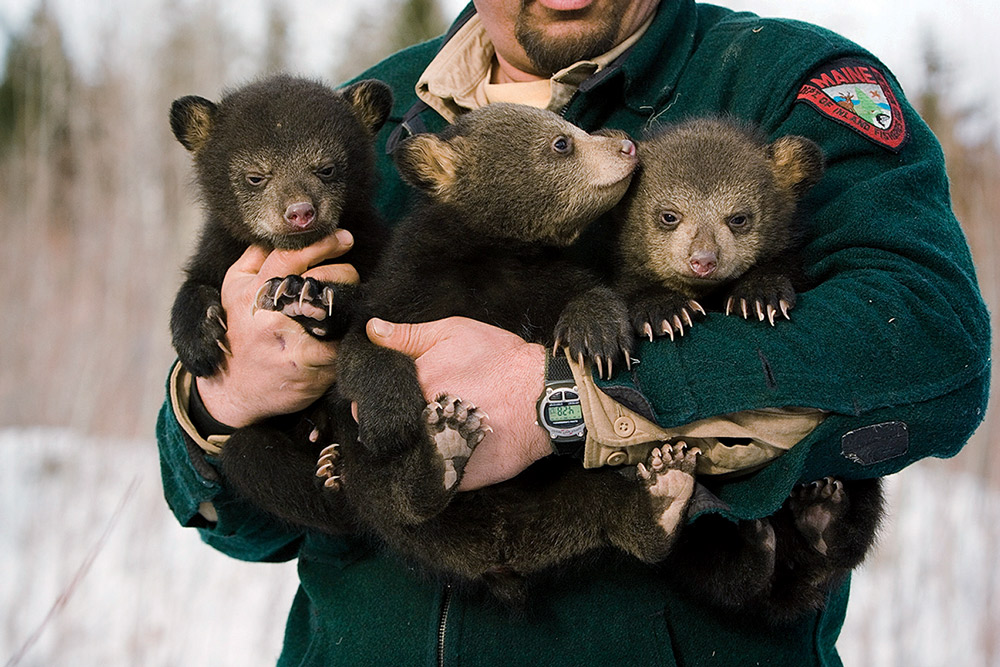
In conclusion, based on current scientific understanding and available evidence, grizzly bears are not present in Maine as a wild, breeding population. The state is home to a thriving population of American black bears, which are often mistaken for grizzlies. The ecological conditions, historical context, and management priorities of Maine point towards the black bear as the dominant large ursid in its landscapes. The continued conservation of Maine’s wild spaces remains paramount, ensuring that its diverse wildlife, including its substantial black bear population, can flourish for generations to come. The fascination with grizzly bears highlights a broader appreciation for apex predators and the wildness they represent, a wildness that Maine continues to champion through its dedication to preserving its natural environment.
LifeOutOfTheBox is a participant in the Amazon Services LLC Associates Program, an affiliate advertising program designed to provide a means for sites to earn advertising fees by advertising and linking to Amazon.com. Amazon, the Amazon logo, AmazonSupply, and the AmazonSupply logo are trademarks of Amazon.com, Inc. or its affiliates. As an Amazon Associate we earn affiliate commissions from qualifying purchases.