
Nevada, a state synonymous with glittering lights, vast desert landscapes, and a generally permissive approach to personal freedoms, often sparks questions regarding its firearm regulations, particularly for those visiting from out of state. The ability for a non-resident to open carry a firearm within Nevada is a complex issue, influenced by federal laws, state statutes, and specific local ordinances. Understanding these nuances is crucial for any traveler or temporary visitor who wishes to exercise their Second Amendment rights while exploring the Silver State. This article will delve into the legal framework surrounding open carry for non-residents in Nevada, clarifying the conditions, restrictions, and important considerations.
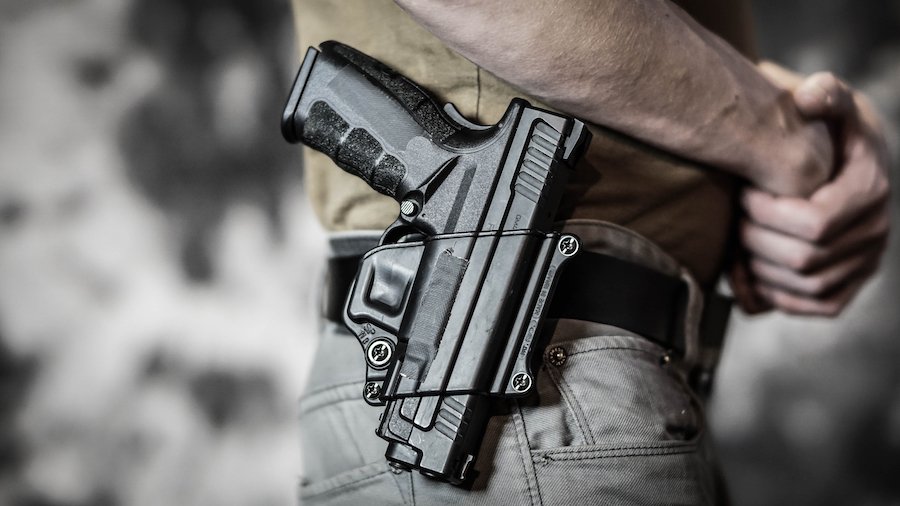
Understanding Nevada’s Open Carry Laws
Nevada law generally permits open carry of firearms without a permit. This means that, under most circumstances, a legal resident of Nevada does not need a specific permit to carry a handgun openly. However, this broad allowance is subject to significant limitations, and crucially, these do not automatically extend to non-residents in the same manner as to those establishing residency. The key distinction often lies in how a non-resident interacts with existing federal and state laws, and whether their presence in Nevada is considered transient versus establishing a domicile.
Federal Preemption and Reciprocity
While Nevada’s state law may appear straightforward, federal legislation plays a foundational role in firearm regulation. The primary federal law impacting interstate firearm transport and carry is the Gun Control Act of 1968. This act, along with subsequent amendments, establishes baseline rules for firearm sales and possession.
Crucially, federal law does not mandate reciprocity for open carry between states. This means that while a state might allow open carry for its residents, it is not federally obligated to recognize the open carry rights of individuals from other states. Each state, including Nevada, retains the authority to set its own rules.
Reciprocity agreements, where they exist, are typically established between states on a case-by-case basis, primarily for concealed carry permits. For open carry, the situation is often less about reciprocity and more about whether a non-resident’s possession and carriage of a firearm complies with the host state’s laws.
Nevada Revised Statutes Regarding Open Carry
Nevada Revised Statutes (NRS) Chapter 202 outlines the regulations concerning firearms. NRS 202.350 is the primary statute that addresses carrying concealed weapons and, by implication, defines what is not permitted as concealed, thereby allowing open carry. The statute makes it a crime to carry a pistol, whether concealed or openly, without a license to carry a concealed weapon, unless certain exceptions apply.
One significant exception, as detailed in NRS 202.360, is for carrying a handgun. This statute states that it is not illegal to possess or carry a pistol if the person is over 18 years of age and is not prohibited by law from possessing a firearm. This generally forms the basis of Nevada’s open carry allowance for residents.
However, the application of these statutes to non-residents can be ambiguous. While a non-resident over 18 and not otherwise prohibited might be able to open carry, they must be acutely aware of additional restrictions. The intent of carrying the firearm is also a critical factor. Carrying a firearm with the intent to use it unlawfully against another person is always illegal, regardless of residency or open carry status.
Restrictions and Prohibited Areas for Open Carry
Even for those legally permitted to open carry in Nevada, a multitude of locations and circumstances are off-limits. These restrictions are designed to ensure public safety and are generally enforced across the state, impacting both residents and non-residents alike.
Federal and State Prohibited Locations
Both federal and state laws designate specific areas where firearms are prohibited, regardless of whether they are carried openly or concealed. For non-residents, failing to adhere to these restrictions can lead to serious legal consequences.
- Federal Buildings: This includes post offices, federal courthouses, and other federal facilities.
- Airports: Firearms are generally prohibited in sterile areas of airports and on aircraft.
- Schools: Carrying firearms on school property, including K-12 schools and universities, is strictly prohibited unless specific exceptions are met (e.g., law enforcement officers). This applies to public and private institutions.
- Casinos and Gaming Facilities: While Nevada is famous for its casinos, many of these establishments have their own internal policies prohibiting firearms. It is essential to check the specific rules of any casino before entering with a firearm. These rules often fall under private property rights.
- Private Property: Property owners have the right to prohibit firearms on their premises. This includes businesses, restaurants, and private residences. Owners may post signs indicating their policy, or verbally inform individuals. Failure to comply with a private property owner’s request to remove a firearm can result in trespassing charges.
- Courthouses and Jails: Carrying firearms in courthouses and correctional facilities is strictly forbidden.
Local Ordinances and Their Impact
While Nevada has state-level firearm laws, cities and counties can enact their own ordinances. These local rules must not contradict state law but can impose additional restrictions on where firearms can be carried. For instance, a city might have specific rules about carrying firearms in public parks or at special events.
Non-residents must exercise extreme diligence in researching local ordinances for any specific town or city they plan to visit. Relying solely on state law can lead to unintentional violations when local regulations are more stringent. Areas like Las Vegas and Reno, being major tourist destinations, may have specific considerations due to their high population density and frequent visitor numbers.
Practical Considerations for Non-Resident Open Carriers

Navigating the legal landscape of open carry as a non-resident involves more than just understanding the statutes. Practical considerations regarding safety, transport, and responsible ownership are paramount.
Transporting Firearms in Vehicles
The rules for transporting firearms in vehicles can vary significantly. In Nevada, generally, handguns must be in plain sight in a vehicle if carried openly. However, if one intends to carry a concealed weapon, they must possess a valid concealed firearm permit. For non-residents, this means if the firearm is not visible in the vehicle, it could be considered a concealed weapon, potentially leading to legal issues if they lack a permit recognized by Nevada.
It is also important to note that the firearm should not be readily accessible for immediate use unless the carrier is legally permitted to do so. The firearm should be unloaded and secured if not in immediate possession, though Nevada’s laws generally allow for an openly carried handgun to be loaded. The critical factor for non-residents is that the firearm must be legally possessed and transported according to Nevada’s specific rules.
Firearm Safety and Responsible Handling
Regardless of residency status, responsible firearm ownership is a fundamental expectation. This includes:
- Understanding Your Firearm: Knowing how to safely load, unload, and operate your firearm is essential.
- Safe Storage: When not in possession, firearms should be stored securely to prevent unauthorized access.
- Situational Awareness: Being aware of your surroundings and avoiding situations that could lead to conflict is crucial.
- De-escalation: If confronted, prioritizing de-escalation over confrontation is always the safer course of action.
When in Doubt, Seek Professional Advice
The laws governing firearm possession and carry are complex and subject to change. For non-residents planning a trip to Nevada, or for anyone unsure about their legal standing, consulting with a qualified legal professional specializing in firearm law in Nevada is highly recommended. This ensures that you have the most up-to-date and accurate information tailored to your specific circumstances. Visiting official state government websites or contacting local law enforcement for general guidance on prohibited areas can also be helpful, though they cannot provide legal advice.
Exceptions and Permit Considerations
While Nevada generally allows open carry without a permit for its residents, the situation for non-residents can be influenced by the possession of permits from their home state.
Reciprocal Carry Permits
Nevada has reciprocity agreements with many states for concealed carry permits. This means that if you hold a valid concealed firearm permit from a state with which Nevada has reciprocity, you can generally carry a concealed firearm in Nevada according to the terms of your permit and Nevada law.
However, reciprocity for open carry is a less common and more complex arrangement. Nevada’s open carry law for residents is largely a “constitutional carry” or “permitless carry” situation, meaning no permit is required to open carry for residents. For non-residents, the question becomes: does Nevada’s permitless open carry law extend to them, or must they rely on a concealed carry permit from their home state, which Nevada then recognizes for concealed carry?
Generally, if Nevada allows open carry without a permit for its own residents, and a non-resident is legally possessing a firearm in their home state, they may be able to open carry in Nevada. However, they must still adhere to all Nevada laws and restrictions. The critical point is that they are subject to Nevada’s laws, not just the laws of their home state.
The Importance of Concealed Carry Permits
For non-residents traveling to Nevada, obtaining a concealed carry permit from their home state can provide a clearer legal pathway, especially if that permit is recognized by Nevada for concealed carry. While the question is about open carry, the existence of reciprocity for concealed carry often simplifies the legal landscape. If Nevada recognizes your home state’s concealed carry permit, and you are in a situation where carrying openly is permissible for residents, then carrying openly under the same conditions might be less likely to draw scrutiny, as your legal right to carry is already acknowledged by the state.
It is essential to verify which states Nevada has reciprocity agreements with for concealed carry. This information is typically available from the Nevada Department of Public Safety.

Conclusion: Navigating Nevada’s Open Carry Landscape
For non-residents planning to visit Nevada, the question of open carrying a firearm requires careful consideration and thorough research. While Nevada’s laws are generally permissive regarding open carry for its residents, the application to non-residents is nuanced. Compliance hinges on understanding Nevada’s Revised Statutes, respecting prohibited areas, adhering to local ordinances, and being aware of federal regulations.
The general principle is that a non-resident must abide by Nevada’s firearm laws when present in the state. This means if Nevada law permits open carry for its own residents under certain conditions, and a non-resident is legally in possession of a firearm, they may be able to open carry, provided they meet all age and prohibition requirements and do not enter any restricted areas. However, relying on the understanding that “what’s legal for residents is legal for visitors” is a risky approach.
The most prudent course of action for any non-resident considering open carry in Nevada is to err on the side of caution. This involves thoroughly researching current Nevada firearm laws, understanding all prohibitions and restrictions, and if possible, possessing a valid concealed firearm permit from their home state that Nevada recognizes. When in doubt, legal counsel or official state resources should be consulted to ensure full compliance and a safe, lawful visit to the Silver State.
LifeOutOfTheBox is a participant in the Amazon Services LLC Associates Program, an affiliate advertising program designed to provide a means for sites to earn advertising fees by advertising and linking to Amazon.com. Amazon, the Amazon logo, AmazonSupply, and the AmazonSupply logo are trademarks of Amazon.com, Inc. or its affiliates. As an Amazon Associate we earn affiliate commissions from qualifying purchases.