
If you are walking through the lush greenery of Honolulu or driving along the scenic Hana Highway, you might catch a glimpse of a slender, tawny-colored creature darting across the asphalt. It is a sight that often surprises first-time visitors to Hawaii. While the islands are famous for their lack of snakes, they are home to a very active population of the Small Indian Mongoose. For anyone interested in the intersection of local culture, ecology, and the tourist experience, understanding the presence of these animals is essential. They are more than just a curious sight; they are a living testament to the complex history of human intervention in the Pacific Ocean ecosystem.

The History of the Small Indian Mongoose in the Hawaiian Islands
The story of the mongoose in the United States‘ 50th state is not one of natural migration but of intentional, though ultimately misguided, human intervention. To understand why these animals are present today, one must look back to the late 19th century, a time when the sugar industry was the backbone of the local economy.
The 1883 Introduction and the Sugar Cane Industry
In the 1800s, the Hawaii sugar industry was booming. However, plantation owners faced a significant problem: rats. The black and brown rats that had arrived on ships were devouring sugar cane stalks, causing massive financial losses. Seeking a biological solution, plantation managers looked to Jamaica, where the Small Indian Mongoose had been introduced for the same purpose.
In 1883, several dozen mongooses were brought to the Big Island and subsequently released in the sugar cane fields of Hilo and Kailua-Kona. The hope was that the mongooses would hunt the rats and protect the crops. Unfortunately, the plan had a fundamental flaw: rats are nocturnal, while mongooses are diurnal. The two species rarely encountered each other, and instead of solving the rat problem, the mongooses began to prey on native birds and their eggs. This ecological blunder remains one of the most cited examples of invasive species management gone wrong.
Rapid Expansion Across the Archipelago
Following their introduction on the Big Island, the animals were quickly transported to other islands. Within a few years, populations were established on Oahu, Maui, and Molokai. The mongooses found the tropical climate and lack of natural predators highly favorable. They are incredibly resilient and adaptable, able to thrive in coastal scrublands, rainforests, and even urban environments like Waikiki. Today, seeing one scurrying near the Diamond Head State Monument or around the parking lots of Pearl Harbor is a common occurrence for tourists.
Distribution and Habitat: Where to Spot Them
While the Small Indian Mongoose is widespread, its presence is not uniform across all the islands. This creates a unique geographical dynamic that savvy travelers often notice when island-hopping.
Oahu, Maui, and the Big Island
On Oahu, the most populous island, mongooses are ubiquitous. You are likely to spot them in the Manoa Valley or near the hiking trails of the North Shore. They have become habituated to human presence, often appearing near picnic tables and scenic lookouts.
On Maui, they are frequently seen in the lower elevations of Haleakala National Park. They prefer the dry and mesic forests but have been known to climb quite high into the mountain slopes. On the Big Island, where the introduction began, the population is dense. If you are visiting Hawaii Volcanoes National Park, keep a watchful eye on the roadside; their quick, low-slung movement is unmistakable.
The Exceptions: Kauai and Lanai
One of the most fascinating aspects of Hawaii tourism is the ecological difference between the islands. Interestingly, Kauai and Lanai are largely considered mongoose-free. Local legend suggests that when the animals were being delivered to Kauai, a dockworker or a concerned citizen—realizing the potential for disaster—threw the crates into the harbor, preventing their establishment.
While there have been occasional sightings on Kauai, the island has managed to prevent a breeding population from taking hold. This is a major reason why the birdlife on Kauai, such as the various honeycreepers found in Waimea Canyon State Park, remains more vibrant and protected than on islands where the mongoose is prevalent.

Ecological Impact and Local Wildlife
For the tourism industry, the presence of the mongoose is a double-edged sword. While they are interesting to look at, their impact on the native flora and fauna is devastating. As a visitor, understanding this impact helps you appreciate why there are so many conservation rules in place across the islands.
Threats to Native Bird Species
Hawaii is often called the “bird extinction capital of the world,” and the mongoose has played a significant role in this title. Native birds, such as the Nene (the Hawaii state bird), nest on the ground. This makes their eggs and chicks incredibly easy prey for the Small Indian Mongoose.
Efforts to protect the Nene in places like Haleakala or the Kilauea Point National Wildlife Refuge often involve intensive trapping programs to keep mongoose numbers down. When you see fenced-off areas in national parks, these are often designed to exclude predators and give native birds a fighting chance at survival.
Competition with Local Predators
Before the arrival of humans and their introduced species, the only land mammal native to Hawaii was the Hawaiian Hoary Bat. The introduction of the mongoose disrupted the balance of the ecosystem. They compete with other introduced species and put pressure on the unique biodiversity found nowhere else on Earth. For tourists interested in eco-tourism, seeing the mongoose is a reminder of the fragility of isolated island ecosystems and the importance of biosecurity measures when traveling between islands.
Practical Tips for Tourists and Wildlife Viewing
While you don’t need to go on a specific safari to see a mongoose, knowing how to interact with them safely and ethically is part of being a responsible tourist in Hawaii.
Safe Observation and Photography
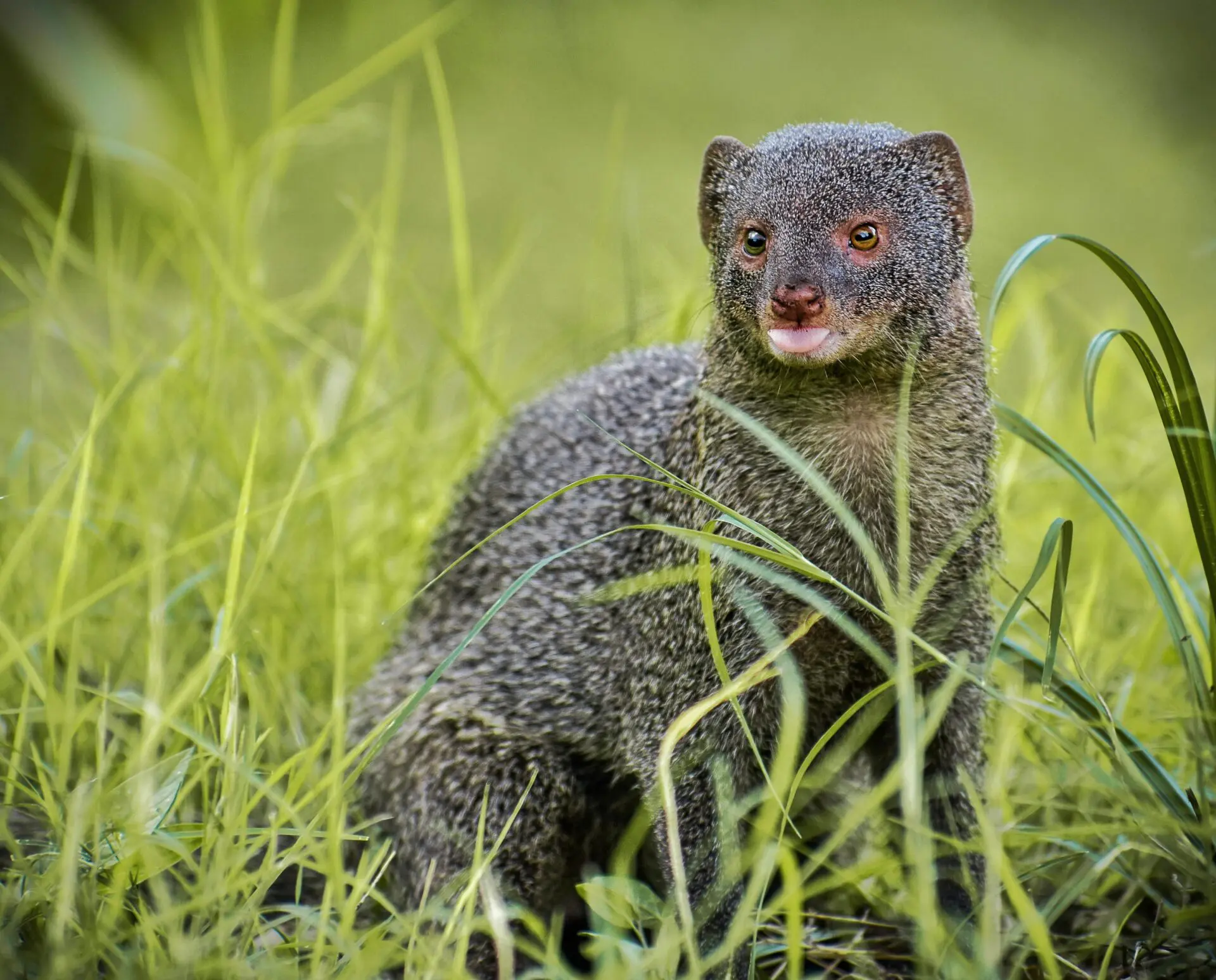
The Small Indian Mongoose is a wild animal. While they may look cute—resembling a cross between a weasel and a squirrel—they can be aggressive if cornered and carry diseases.
- Keep Your Distance: Use a zoom lens for photography. They are extremely fast, so set your camera to a high shutter speed.
- Do Not Feed Them: This is the most important rule. Feeding wildlife habituates them to humans, which can lead to aggressive behavior and a higher likelihood of them being hit by cars in parking lots or on roads like the Pali Highway.
- Secure Your Trash: When enjoying a picnic at Ala Moana Beach Park or Hanauma Bay, ensure all food scraps are disposed of in animal-proof bins.
Contributing to Conservation Efforts
As a tourist, you can play a role in protecting Hawaii native wildlife. Many visitors choose to spend a day volunteering with organizations like the Nature Conservancy of Hawaii or participating in guided tours that fund conservation.
If you are visiting Kauai and happen to see a mongoose, it is critical to report the sighting to the Hawaii Department of Agriculture immediately. Because Kauai is currently considered mongoose-free, a single sighting is treated as a major ecological emergency.
Navigating the Islands Responsibly
When traveling between islands, be mindful of the rules regarding the transport of organic materials. The Hawaii biosecurity protocols are designed to prevent the spread of invasive species, including seeds, insects, and larger animals. Whether you are flying from Honolulu International Airport to Lihue Airport or taking a ferry, always follow the agricultural inspection guidelines.
The presence of mongooses in Hawaii adds a layer of complexity to the visitor experience. They are a part of the landscape now, a shadow darting through the hibiscus and over the volcanic rock. By understanding their history and the threat they pose to native species, travelers can gain a deeper appreciation for the unique and delicate beauty of the Hawaiian Islands. Whether you are exploring the urban bustle of Oahu or the volcanic wonders of the Big Island, the mongoose remains a fascinating, if problematic, feature of the local environment.
LifeOutOfTheBox is a participant in the Amazon Services LLC Associates Program, an affiliate advertising program designed to provide a means for sites to earn advertising fees by advertising and linking to Amazon.com. Amazon, the Amazon logo, AmazonSupply, and the AmazonSupply logo are trademarks of Amazon.com, Inc. or its affiliates. As an Amazon Associate we earn affiliate commissions from qualifying purchases.