
Wes Anderson’s 2014 cinematic masterpiece, The Grand Budapest Hotel, left audiences spellbound with its pastel-hued symmetry, intricate dollhouse aesthetics, and the melancholic charm of a bygone era. While the film serves as an evocative love letter to the grandeur of Mitteleuropa, the titular hotel is not a single, tangible building found in any one city. Instead, the iconic structure is a meticulously crafted composite of historical architecture, miniature models, and a profound reverence for the grand railway hotels of the early 20th century.
The Architectural Inspiration Behind the Façade
The visual identity of the hotel was heavily influenced by the golden age of European luxury travel. Anderson and his production design team sought to capture the essence of a sprawling, aristocratic mountain resort.

The Grandhotel Pupp and Bohemian Grandeur
For the film’s exterior silhouette, the inspiration is unmistakably drawn from Karlovy Vary, a historic spa town in the Czech Republic. The Grandhotel Pupp, a bastion of opulence established in 1701, served as a foundational visual reference. With its neo-baroque architecture and deep historical ties to the elite of the Austro-Hungarian Empire, it mirrors the prestige that the fictional hotel held during its peak years.
The Bristol Palace
Another significant influence on the hotel’s exterior architecture was the Bristol Palace. Much like the setting in the film, these spa hotels were designed to be destinations unto themselves, offering elaborate ballrooms, expansive terraces, and intricate facades that promised privacy and exclusivity to the well-heeled traveler. These structures represent a specific architectural period that defined the landscape of Central Europe before the geopolitical upheavals of the mid-20th century.
Real-World Locations: Filming in Görlitz
While the narrative is firmly rooted in the fictional Republic of Zubrowka, the actual filming process required a location that could simulate the grandeur of a vintage hotel without the constraints of modern architecture. The production team found their perfect muse in Görlitz, a city in Germany known for its exceptionally preserved historical town center.
The Görlitzer Warenhaus
The interior of the hotel, famous for its grand atrium and sweeping staircase, was not filmed in a hotel at all. Instead, it was shot within the Görlitzer Warenhaus, a former department store built in the Art Nouveau style. The store had been vacant for years, providing a blank canvas for the film’s crew to install the signature pink, red, and gold color palettes. By clearing the vast, open space of the department store, the team was able to build the lobby, the reception desk, and the internal walkways that felt both cavernous and intimate.
The Town of Görlitz as a Filming Hub
Görlitz itself became the proxy for the fictional town surrounding the hotel. Because the city had largely escaped the physical damage of World War II, its streets retained a nineteenth-century character that perfectly suited the film’s timeline. Walking through the city today, fans of the film can still recognize the architectural motifs and street layouts that were used to create the atmosphere of the transition from the interwar period to the darker days of fascist occupation.
Models and the Art of Illusion
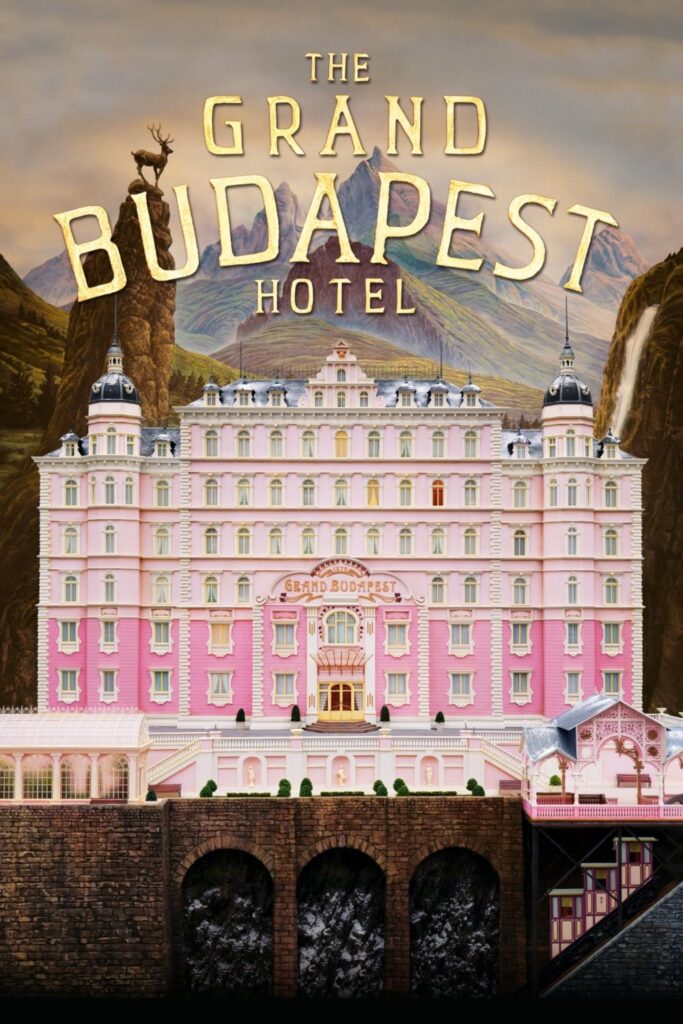
One of the most distinct aspects of The Grand Budapest Hotel is how it utilizes miniatures to convey the massive scale of its setting. Many of the wide, exterior shots of the hotel perched high atop a jagged mountain peak were not real buildings, but rather highly detailed 1:10 scale models.
Crafting the Mountain Resort
The design team worked with artisans to build a physical model of the hotel. This allowed the camera to “fly” around the building, creating a sense of scale that would have been impossible to capture with drone photography at an actual location. By layering this model against painted backdrops—a technique inspired by the cinematic styles of the 1930s—Anderson achieved a storybook aesthetic that grounds the film in a realm of heightened reality rather than gritty documentary footage.
The Funicular and the Alpine Setting
The funicular, which carries guests up to the hotel, is a staple of alpine luxury travel, reminiscent of the transit systems found in St. Moritz or the Swiss Alps. The film suggests a geography that bridges the gap between the snowy crags of Switzerland and the cultural decadence of Vienna. By utilizing these archetypal symbols of mountain transit, the production successfully sold the idea of a remote, inaccessible retreat, regardless of whether such a place existed in the real world.
The Cultural Legacy of the Grand Hotel
The enduring fascination with “where” the hotel is speaks to our collective desire to step into the past. The concept of the “Grand Hotel” is an archetype in itself—a place where disparate lives intersect in common areas, where service is a performance art, and where history is written in the dining room and the lobby.
A Tribute to the Hotel Industry
The film is arguably the most famous tribute to the hotelier profession in modern cinema. Through the character of Monsieur Gustave H., the story explores the dedication required to maintain a standard of excellence, even as the world around the hotel crumbles. This devotion to service, architecture, and interior aesthetics is something that real-world establishments strive for to this day.
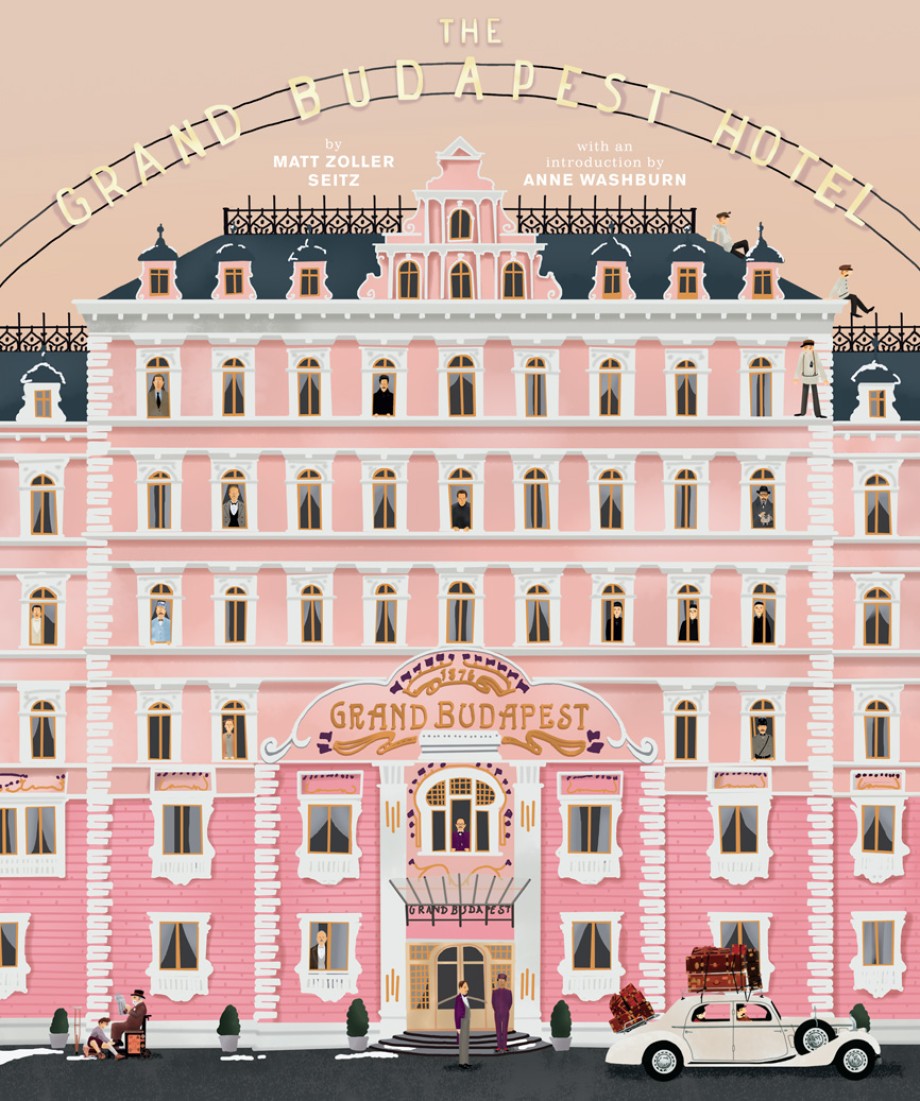
Why We Seek the “Grand Budapest”
Travelers who visit Central Europe today often find themselves searching for the “spirit” of the hotel. Whether they are visiting the Café New York in Budapest, with its gilded ceilings and literary history, or staying in the historic grand hotels of Prague, the appeal is the same. It is a longing for a place where time slows down, where the staff knows your name, and where the decor serves as a sanctuary from the frantic pace of the outside world.
Ultimately, the “Grand Budapest Hotel” remains elusive because it is an idea, not a coordinate. It lives in the collective imagination of those who admire the aesthetics of travel, the history of grand architecture, and the storytelling power of cinema. While you cannot book a room in the fictional Republic of Zubrowka, you can certainly find its echoes in the storied hallways of the grand hotels that still dot the landscapes of Europe, each waiting to be rediscovered by a new generation of travelers.
LifeOutOfTheBox is a participant in the Amazon Services LLC Associates Program, an affiliate advertising program designed to provide a means for sites to earn advertising fees by advertising and linking to Amazon.com. Amazon, the Amazon logo, AmazonSupply, and the AmazonSupply logo are trademarks of Amazon.com, Inc. or its affiliates. As an Amazon Associate we earn affiliate commissions from qualifying purchases.