
Florida, renowned globally as the “Sunshine State,” draws millions of tourists annually with its pristine beaches, vibrant cities, and world-class attractions. However, its geographical location also places it directly in the path of tropical weather systems, raising legitimate questions for prospective visitors about the frequency and intensity of hurricanes. Understanding the outlook for tropical activity and its implications for tourism is crucial for planning an enjoyable and safe vacation.
Understanding Florida’s Hurricane Season and Climate Trends
Hurricane season officially runs from June 1st to November 30th, with the peak months typically being August, September, and October. During this period, the warm waters of the Atlantic Ocean and Gulf of Mexico provide the necessary fuel for tropical storm development. While Florida has always been susceptible to hurricanes, recent trends and scientific projections suggest a nuanced outlook for future seasons.
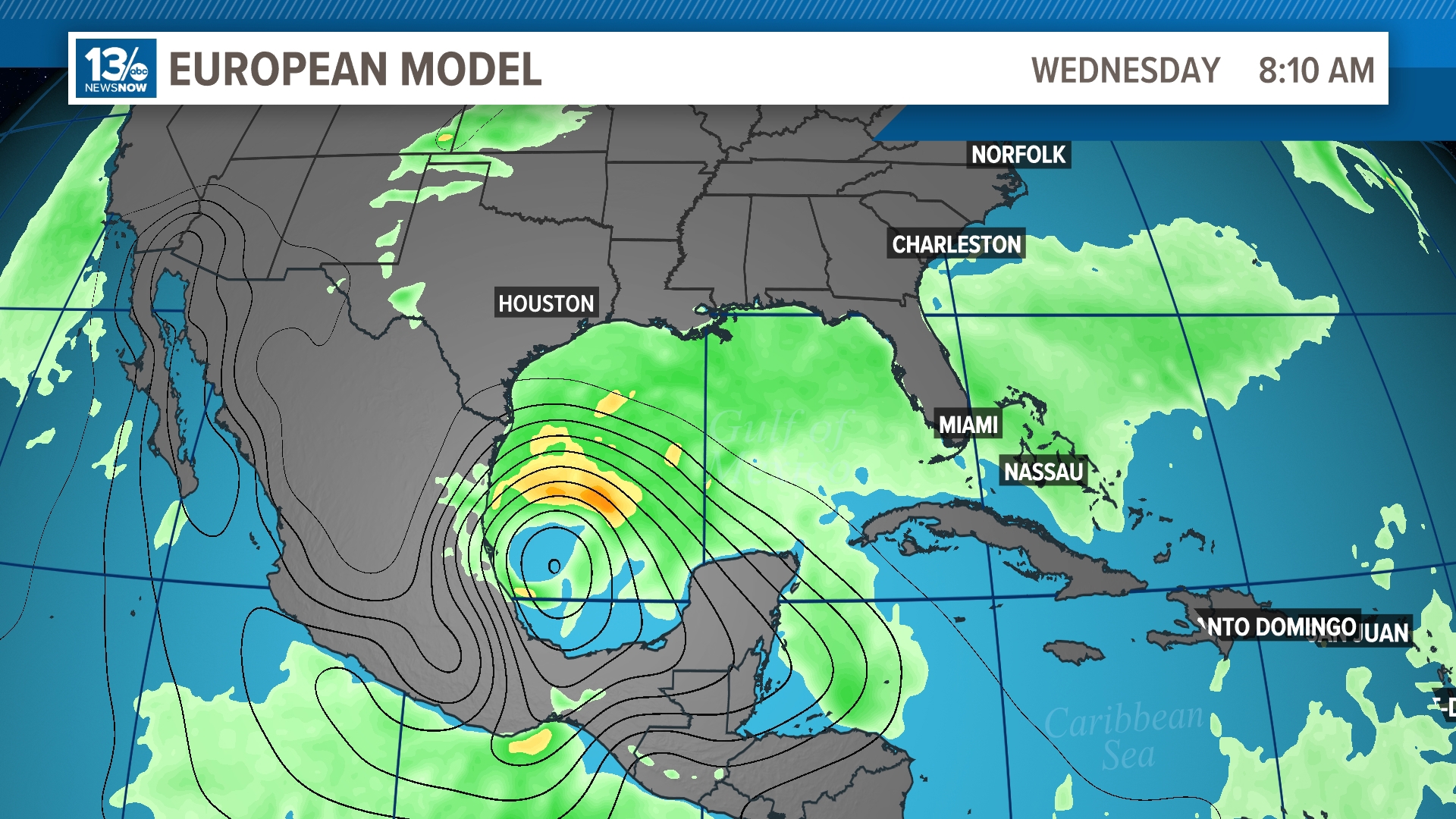
Historical Context and Seasonal Outlooks
Historically, Florida has experienced its share of significant hurricanes, shaping its resilience and preparedness strategies. Major storms like Hurricane Andrew in 1992, Charley in 2004, Irma in 2017, and Ian in 2022 have left indelible marks, prompting continuous improvements in building codes, evacuation protocols, and emergency response.
Meteorological agencies, such as the National Oceanic and Atmospheric Administration (NOAA) and the National Hurricane Center (NHC), release annual hurricane season forecasts. These outlooks provide probabilities for above-normal, near-normal, or below-normal activity, based on various climatic factors like sea surface temperatures, El Niño/La Niña cycles, and vertical wind shear. While these forecasts predict the number of storms, they do not predict specific landfalls, making individual storm tracking essential for real-time decision-making. Tourists planning visits during these months should always consult the latest meteorological updates from official sources.
Scientific Projections and Climate Change Impacts
The question of “more hurricanes” is complex and often linked to broader climate trends. Scientific consensus indicates that while the total number of tropical cyclones globally might not significantly increase, there is a growing likelihood of more intense storms. Warmer ocean waters, a direct consequence of climate change, provide more energy for storms to rapidly intensify and sustain higher wind speeds. Rising sea levels also exacerbate storm surge, making coastal areas more vulnerable to inundation even from less powerful systems.
For Florida, this translates into a potential for individual hurricane events to be more damaging, rather than necessarily an increase in the sheer count of named storms hitting the state. This shift emphasizes the importance of robust infrastructure, effective communication strategies for tourists, and well-rehearsed emergency plans, all of which the state’s tourism sector is increasingly prioritizing.
Impact on Florida’s Tourism Sector
The potential for hurricane activity naturally raises concerns for Florida’s vital tourism industry. However, the state has developed sophisticated systems to mitigate risks, ensure visitor safety, and facilitate rapid recovery, allowing tourism to thrive even during hurricane season.
Visitor Safety and Travel Advisories
The safety of visitors is paramount for Florida’s tourism operators and local authorities. During a potential storm threat, comprehensive communication channels are activated. This includes public service announcements, real-time updates from the National Hurricane Center, and advisories from local emergency management agencies. Many hotels and resorts have their own internal protocols for guest safety, which include sheltering in place or facilitating orderly evacuations if mandated.
Tourists should always heed official warnings and evacuation orders. It’s crucial to remember that a direct hit from a major hurricane is relatively rare for any specific location in Florida in a given season, and many storms either dissipate, change course, or remain offshore. The state’s vast geography means that while one region might be affected, others remain perfectly safe and open for business. For instance, a storm impacting the Florida Panhandle might have no effect on tourism in Miami or Orlando.
Resilience of Tourist Destinations

Florida’s major tourist destinations, including cities like Orlando, Miami, and Tampa, have invested heavily in resilient infrastructure. Theme parks like Walt Disney World Resort and Universal Orlando Resort are known for their robust construction and comprehensive safety procedures, often acting as shelters during severe weather. Coastal communities along the Gulf Coast and Atlantic Coast have stringent building codes designed to withstand hurricane-force winds.
Following a storm, the tourism industry is often at the forefront of recovery efforts. Damaged attractions, hotels, and infrastructure are typically repaired and reopened swiftly, often within weeks or months, demonstrating the industry’s commitment to welcoming visitors back. The state’s tourism marketing arm, Visit Florida, plays a pivotal role in communicating accurate information about recovery and reassuring potential visitors.
Economic Implications for Local Businesses
Hurricanes pose significant economic challenges to local businesses, particularly small and medium-sized enterprises that rely heavily on tourism. Disruptions can lead to lost bookings, decreased visitor foot traffic, and damage to property. However, the collective response from state agencies, local governments, and business associations often includes support programs, disaster relief funds, and coordinated marketing campaigns to encourage visitors to return once it is safe.
Many local businesses, from family-owned restaurants in Key West to boutique shops in St. Augustine, understand the seasonal risks and have contingency plans. Diversifying income streams, maintaining strong insurance policies, and adapting services are common strategies to weather potential downturns. Supporting these local establishments once an area has recovered is a crucial way for tourists to contribute to the community’s healing and economic revival.
Preparing for a Florida Vacation During Hurricane Season
For tourists keen on experiencing Florida’s charms during hurricane season, proactive preparation is key. This period often offers advantages such as fewer crowds and potentially lower prices, making the minor risk manageable with proper planning.
Essential Tips for Travelers
- Monitor Forecasts: Stay updated with tropical weather forecasts from reputable sources like the National Hurricane Center before and during your trip.
- Know Your Destination’s Plan: Familiarize yourself with the emergency plans of your chosen accommodation and local area. Ask about their hurricane policies, including evacuation procedures and refund options.
- Create a Personal Plan: Have a communication plan with your travel companions. Know where to find local emergency shelters and designated evacuation routes.
- Pack an Emergency Kit: While unlikely you’ll need it extensively, a small kit with essential medications, a flashlight, power bank, and important documents (copies) is always wise.
- Stay Informed: Download local news apps and sign up for emergency alerts from county officials in your travel area.
Travel Insurance and Flexible Bookings
Purchasing comprehensive travel insurance is perhaps the single most important recommendation for anyone visiting Florida during hurricane season. Look for policies that specifically cover trip cancellation or interruption due to weather events, including hurricanes. Read the fine print to understand what is covered, waiting periods, and how to file a claim. Many policies require purchase before a storm is named or becomes a significant threat.
Opting for flexible booking options for flights, hotels, and car rentals also provides a valuable safety net. Many airlines and accommodations offer waivers or easy rescheduling for travelers affected by declared emergencies. This flexibility can save significant stress and financial loss if plans need to change at short notice.
Staying Informed and Local Resources
Florida’s state and local governments maintain extensive resources for residents and visitors during hurricane season. The Florida Division of Emergency Management website is an invaluable source of information, offering detailed preparedness guides, evacuation zone maps, and real-time updates. County emergency management websites also provide hyper-local information relevant to specific areas like the Florida Keys or the Space Coast. Tourists should also check the official websites of major attractions, like Everglades National Park, as they often provide specific advisories regarding weather-related closures or operational changes.

The Enduring Allure of Florida Tourism
Despite the inherent risks associated with hurricane season, Florida remains an incredibly popular tourist destination, and for good reason. The state’s natural beauty, diverse attractions, and warm hospitality are undeniable. The tourism industry and state authorities are well-versed in hurricane preparedness and response, consistently adapting to new challenges and ensuring that visitors can enjoy their trips safely and with peace of mind.
While projections suggest a likelihood of more intense storms, Florida’s commitment to resilience means that its tourism sector is robust. By staying informed, planning ahead with insurance and flexible bookings, and heeding official advice, travelers can confidently experience the magic of the Sunshine State, even during the tropical season. The vast majority of visits to Florida during these months occur without incident, a testament to the comprehensive planning and collective effort to protect and serve visitors.
LifeOutOfTheBox is a participant in the Amazon Services LLC Associates Program, an affiliate advertising program designed to provide a means for sites to earn advertising fees by advertising and linking to Amazon.com. Amazon, the Amazon logo, AmazonSupply, and the AmazonSupply logo are trademarks of Amazon.com, Inc. or its affiliates. As an Amazon Associate we earn affiliate commissions from qualifying purchases.