
Navigating the legal landscape of any state can be a daunting task, and for those residing in or planning a visit to Texas, understanding the presence of an outstanding warrant is a crucial aspect of responsible citizenship and informed travel planning. While the primary focus of many travelers and lifestyle enthusiasts revolves around the vibrant culture, the enticing food, and the plethora of exciting activities that Texas offers, it is equally important to ensure all personal affairs are in order. A clear understanding of potential legal entanglements, such as an active warrant, can prevent unforeseen complications, allowing for a more enjoyable and stress-free experience. This guide aims to demystify the process of checking for warrants in Texas, providing practical steps and insights for residents and visitors alike.
Understanding Warrants and Their Implications
Before delving into the specifics of how to check for a warrant in Texas, it is essential to grasp what a warrant signifies and the potential consequences of having one. A warrant is a legal document issued by a judge or magistrate that authorizes law enforcement officers to arrest an individual, search a specific location, or seize evidence. In the context of arrest warrants, their primary purpose is to bring a suspect before the court to face charges.
Warrants can be issued for a variety of reasons, including failure to appear in court for a scheduled hearing, unpaid fines or citations, or as a result of a criminal investigation. For individuals planning a trip to Texas for leisure, business, or to explore its renowned attractions like the Alamo or the Space Center Houston, the discovery of an active warrant can have significant implications. Travel plans might be disrupted, and interactions with law enforcement, even for minor infractions, could lead to immediate arrest. This underscores the importance of proactive checking, especially for those who may have had past legal encounters or outstanding obligations in the state.
Types of Warrants in Texas
Texas courts issue various types of warrants. Understanding these distinctions can provide clarity during the checking process.
Arrest Warrants
These are the most common type of warrant people are concerned about. An arrest warrant is issued when law enforcement has probable cause to believe that a crime has been committed and that a specific individual committed it. Once an arrest warrant is issued, it remains active until it is served and executed. This means a person with an active arrest warrant can be taken into custody at any time, including during routine traffic stops or border crossings.
Bench Warrants
A bench warrant is issued by a judge when an individual fails to appear in court as required, or fails to comply with a court order, such as paying fines or completing community service. These are often issued for minor offenses like traffic violations or misdemeanor charges. While they may seem less severe than arrest warrants, bench warrants also authorize arrest and can lead to similar consequences.
Search Warrants
While not directly related to an individual’s personal legal status in terms of arrest, search warrants authorize law enforcement to search a particular location for specific evidence of a crime. An individual might be indirectly affected if a search warrant is executed at their residence or place of business.
Capias Warrants
These are a specific type of warrant issued after a defendant has been convicted or has forfeited their bond. A capias warrant essentially functions as an order for the arrest and production of the individual before the court to face sentencing or to fulfill their court obligations.
Methods for Checking for a Warrant in Texas
Fortunately, Texas provides several avenues for individuals to discreetly and legally check if they have an active warrant. It is crucial to approach this process with accuracy and to utilize official channels whenever possible to ensure the information obtained is reliable.
Online Warrant Searches
Many Texas counties and municipalities offer online warrant search tools. These databases are typically maintained by county sheriff’s offices or local police departments.
County Sheriff’s Office Websites
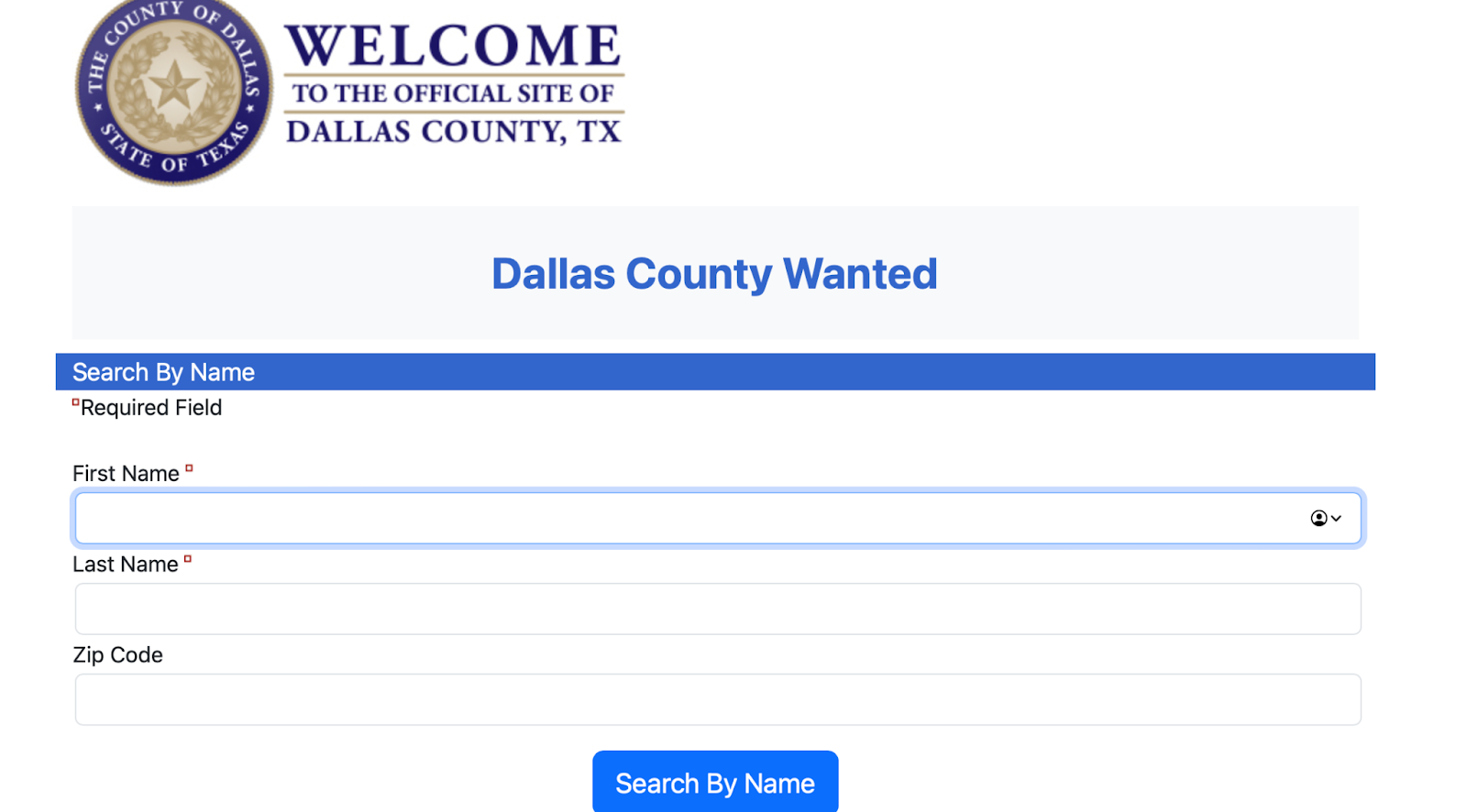
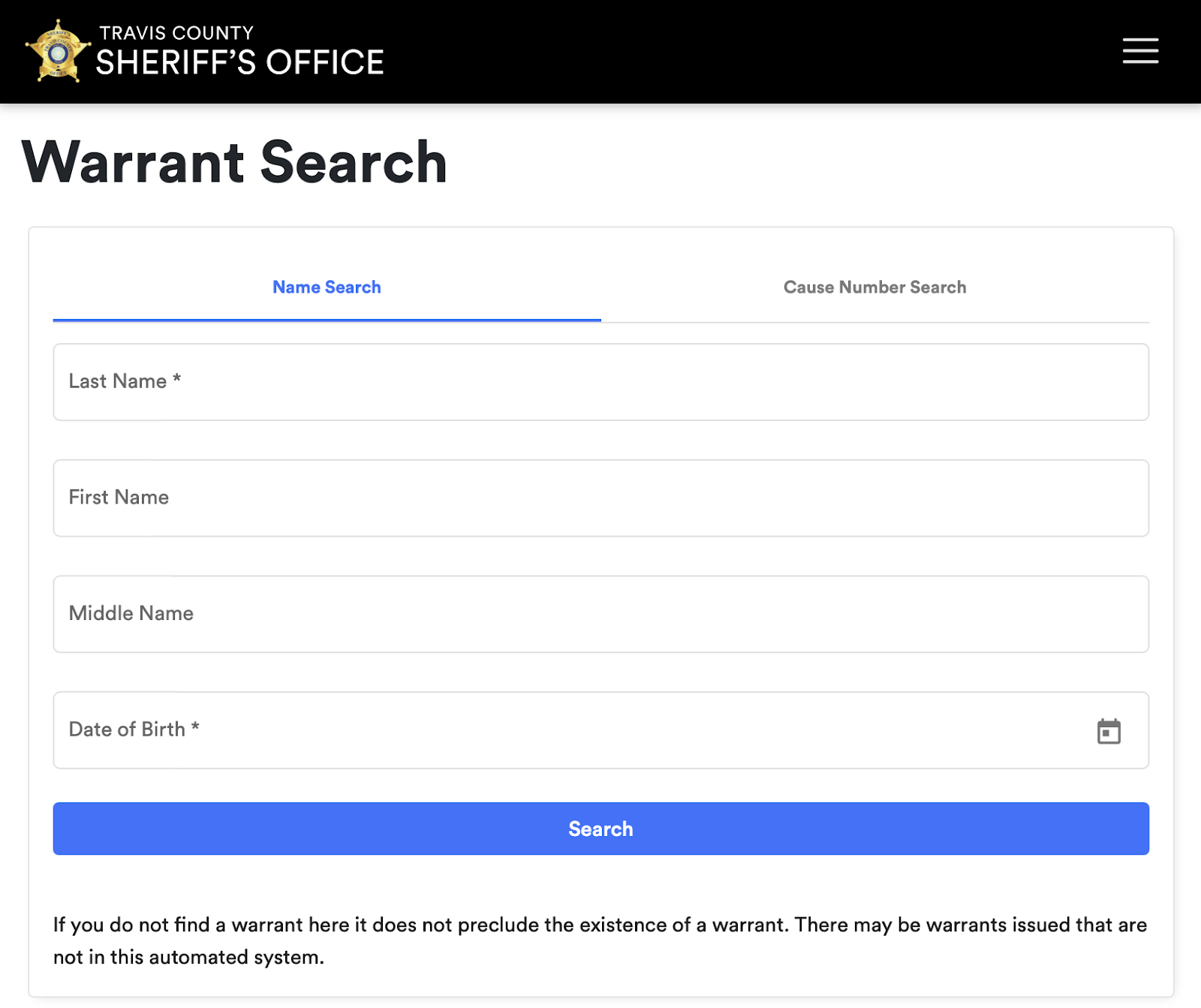
The most direct way to check for a warrant is to visit the website of the Texas county where you believe the warrant might have been issued. Most sheriff’s offices provide an online portal where you can search by name or citation number. For instance, if you received a traffic ticket in Travis County, you would visit the Travis County Sheriff’s Office website and look for their warrant search function. It is important to remember that these databases are not always exhaustive and may not immediately reflect newly issued warrants.
Municipal Court Websites
For warrants related to municipal ordinance violations or minor offenses handled by city courts, checking the individual city’s municipal court website is advisable. Cities like Houston, Dallas, and San Antonio often have online portals for their court dockets and warrant information.
Texas Department of Public Safety (DPS)
While the Texas Department of Public Safety (DPS) does not maintain a comprehensive public warrant database, they do provide access to driving records. If a warrant is related to a traffic violation and has resulted in a suspended license, this information might be reflected in your driving record. However, this is not a direct warrant check.

Contacting Law Enforcement Agencies Directly
If online searches prove inconclusive or if you prefer a more direct approach, contacting the relevant law enforcement agencies is a reliable method.
Sheriff’s Office or Police Department
You can call the non-emergency line of the sheriff’s office or police department in the jurisdiction where you suspect a warrant may exist. Be prepared to provide your full name, date of birth, and any other identifying information. It is important to note that in some jurisdictions, they may not be able to confirm a warrant over the phone for privacy and security reasons. They might advise you to come in person or consult with an attorney.
Court Clerks
The clerk of the court where your case is or was handled can also provide information about outstanding warrants. This is particularly useful if you know the specific court (e.g., Justice of the Peace, Municipal Court, County Court at Law) that has jurisdiction over your case. The court clerk can access case files and inform you if a warrant has been issued.
Consulting an Attorney
For many individuals, especially those who have reason to believe they might have an active warrant, the most prudent and confidential approach is to consult with a qualified criminal defense attorney in Texas. An attorney can perform a thorough check on your behalf, often with greater access to legal databases and contacts within the court system.
Benefits of Legal Counsel
An attorney can not only confirm the existence of a warrant but also advise you on the best course of action to resolve it. They can help you understand the charges, negotiate with the prosecutor, and potentially arrange for a voluntary surrender, which can often lead to a more favorable outcome than being arrested unexpectedly. This is especially important if you are planning extended travel or business engagements in Texas and wish to avoid any potential disruptions.
Considerations for Visitors and Residents
Whether you are a long-time resident of Texas or a visitor planning an immersive experience in its diverse landscapes and cities like Austin or Fort Worth, proactively checking for warrants is a responsible step.
Travel and Warrants
For international travelers or those flying domestically, an active warrant can lead to significant problems. You could be denied boarding, detained at the airport, or arrested upon arrival in Texas. It is always advisable for anyone traveling to have their legal affairs in order, especially if they have had any past legal issues.
Employment and Business
In Texas, as in many other states, background checks are common for employment and certain business licenses. An outstanding warrant can appear during these checks, potentially jeopardizing job opportunities or business ventures.
The Importance of Accuracy
When conducting a warrant search, always use your full legal name and accurate date of birth. Inaccurate information can lead to incorrect results. If you have a common name, you may need to provide additional identifying details, such as your driver’s license number or social security number, when contacting agencies directly.
Resolving an Outstanding Warrant
Discovering an outstanding warrant can be stressful, but it is important to address the situation proactively. Ignoring a warrant will not make it disappear; in fact, it can lead to more serious consequences.
Voluntary Surrender
In many cases, the best approach is to arrange for a voluntary surrender to the authorities. This typically involves contacting an attorney who can coordinate with the court and law enforcement to schedule a time for you to turn yourself in. This process can often be done with minimal public exposure and may allow for a faster release on bail.
Posting Bond
If a warrant is for an arrestable offense and the court sets a bond amount, you may be able to post that bond to secure your release. This can be done with cash, a bail bond company, or through other means specified by the court. An attorney can advise you on the bond process and options available.
Addressing the Underlying Issue
Ultimately, the most effective way to resolve a warrant is to address the legal issue that led to its issuance. This might involve paying outstanding fines, appearing in court for a scheduled hearing, or resolving the original charges. Working with a legal professional is highly recommended to navigate these steps efficiently and effectively. By taking these measures, you can ensure your travels and life in Texas remain unhindered by legal complications, allowing you to fully enjoy all the state has to offer.
LifeOutOfTheBox is a participant in the Amazon Services LLC Associates Program, an affiliate advertising program designed to provide a means for sites to earn advertising fees by advertising and linking to Amazon.com. Amazon, the Amazon logo, AmazonSupply, and the AmazonSupply logo are trademarks of Amazon.com, Inc. or its affiliates. As an Amazon Associate we earn affiliate commissions from qualifying purchases.