
When planning a vacation to the glittering neon oasis of Las Vegas, most travelers focus on packing their finest evening wear, comfortable walking shoes for The Strip, and perhaps a swimsuit for the legendary resort pools. However, a common question often arises among those sensitive to insect bites: are there mosquitoes in Las Vegas? Given that the city is nestled in the heart of the Mojave Desert, many assume the arid climate and scorching temperatures of Nevada make it a bug-free zone. While the environment is certainly less hospitable to these pests than the humid climates of Florida or Louisiana, the answer is a nuanced “yes.”
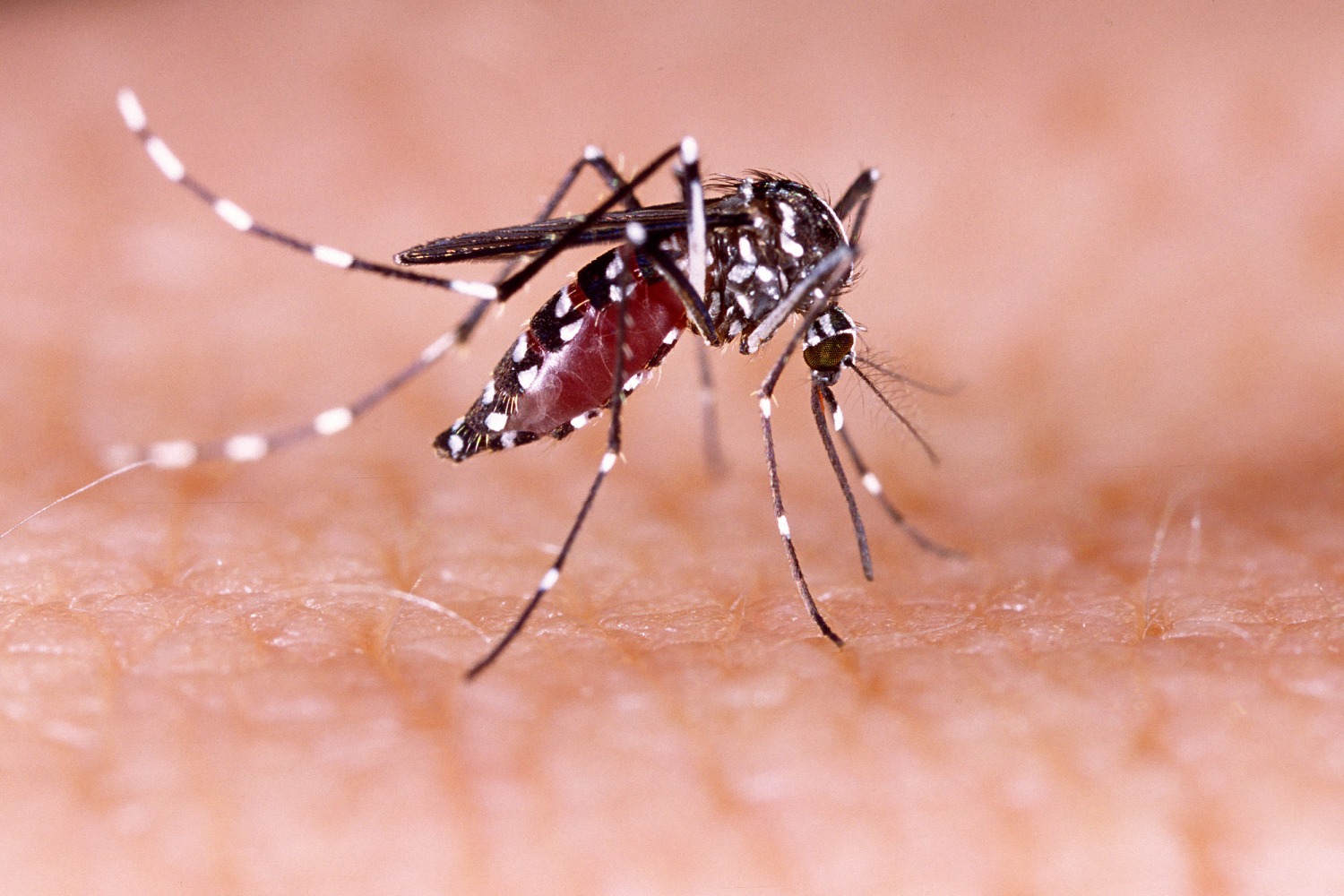
Understanding the dynamics of local pests is an essential part of tourism preparation. This guide provides an in-depth look at the mosquito situation in Southern Nevada, how the local environment affects their presence, and tips for staying comfortable during your visit to the entertainment capital of the world.
Understanding the Desert Environment of Southern Nevada
To understand why mosquitoes are less common—but still present—in Las Vegas, one must first look at the unique geography of the region. Nevada is the driest state in the United States, and the Mojave Desert is characterized by low humidity and extreme temperature fluctuations.
The Climate of Las Vegas and Its Impact on Pests
The climate of Las Vegas is subtropical hot desert. During the summer months, temperatures frequently soar above 100 degrees Fahrenheit, and humidity levels often drop into the single digits. Mosquitoes, by nature, are delicate insects that require moisture to survive and standing water to breed. In a natural desert setting, the lack of standing water and the high evaporation rates act as a natural deterrent.
However, Las Vegas is no longer just a barren stretch of sand. The urban development of Clark County has introduced artificial environments that mosquitoes find quite appealing. Lush landscaping, private swimming pools in residential areas like Henderson and Summerlin, and extensive decorative water features have created micro-climates where these insects can occasionally thrive.
Why the Mojave Desert Limits Mosquito Populations
In many parts of the world, mosquitoes are a constant year-round nuisance. In the Mojave Desert, the extreme heat can actually be as detrimental to mosquitoes as the cold. When temperatures exceed 110 degrees, the insects often become less active to conserve moisture. Furthermore, the lack of a consistent rainy season—aside from the late summer monsoons—means that the natural breeding grounds for mosquitoes, such as swamps or marshes, simply do not exist in the immediate vicinity of the city.
The Southern Nevada Health District plays a significant role in managing these populations. They actively monitor “vector” activity, which refers to insects that can carry diseases. Through rigorous testing and public awareness campaigns, the local government ensures that any uptick in mosquito activity is handled before it becomes a major concern for residents or tourists.
Seasonal Variations: When Are Pests Most Active?
While you might not see a single bug during a dry December visit, the situation can change depending on the time of year. For tourists, knowing the seasonal trends of Nevada is key to a comfortable trip.
Spring and Summer Trends
Mosquitoes in Las Vegas typically emerge in the spring as temperatures begin to rise into the 70s and 80s. This is when the city sees an influx of visitors arriving for pool season and outdoor events. Because the spring is generally very dry, the mosquito population remains low.
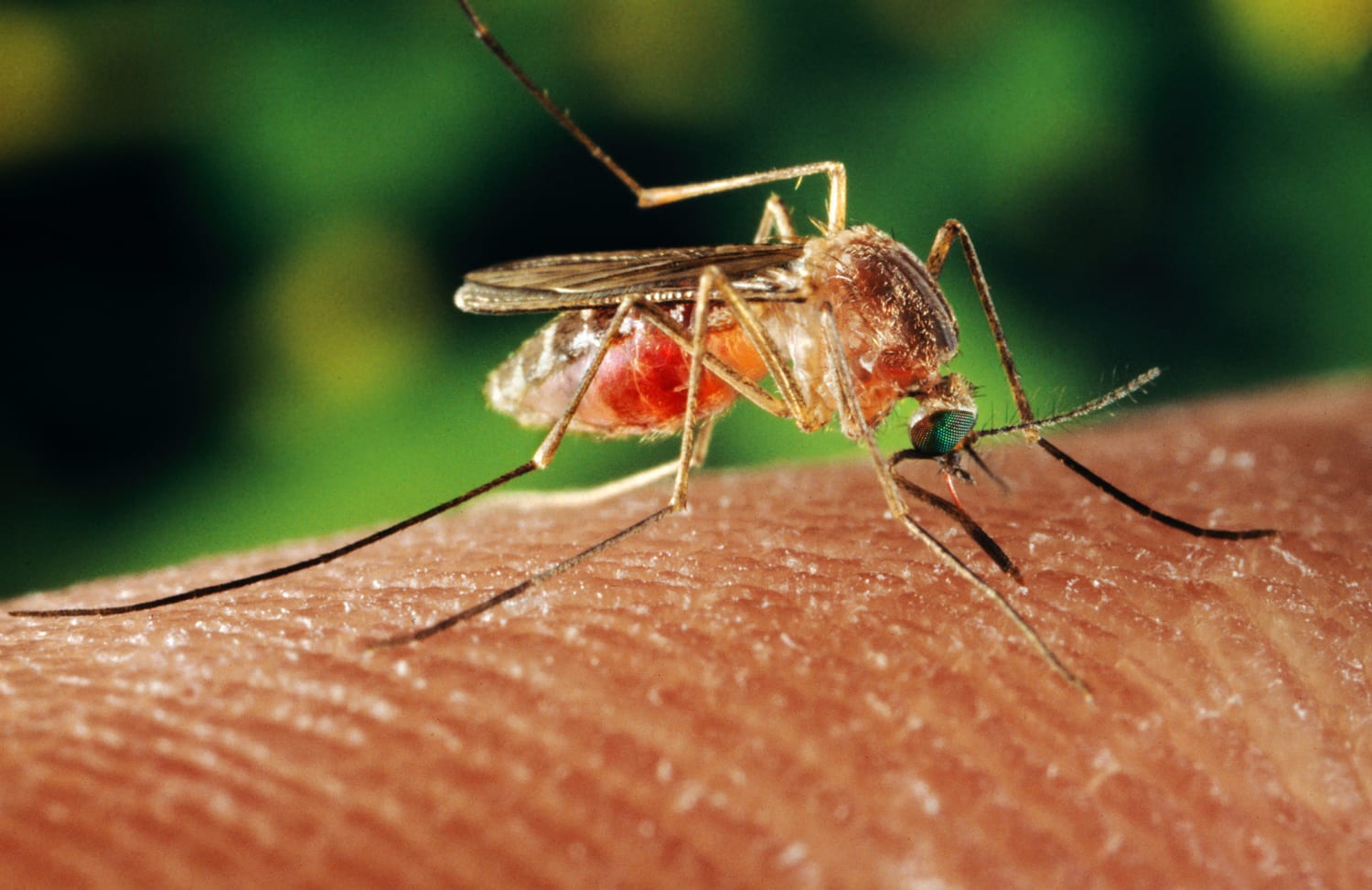
The peak season for mosquito activity usually aligns with the end of summer and the beginning of fall. This is because the monsoon season often hits the Southwest during July and August. Sudden, heavy downpours can create temporary pools of standing water in the desert and within the city’s drainage systems, providing the perfect nursery for mosquito larvae.
The Impact of Monsoon Season
The North American Monsoon is a weather pattern that brings moisture from the Gulf of California and the Gulf of Mexico into Arizona and Nevada. When these storms roll through Las Vegas, they can leave behind stagnant water in unexpected places. If you are visiting during the late summer, you may notice more insect activity in the evenings after a storm. However, even during these periods, the mosquito presence is significantly lower than what you would experience in the Midwest or along the Atlantic Coast.
Urban Areas and Stagnant Water: Where Mosquitoes Hide
In a city built on luxury and spectacle, water is used as a primary design element. From the fountains of the Bellagio Las Vegas to the canals of the Venetian Resort, water is everywhere. This leads many tourists to wonder if these attractions are breeding grounds for pests.
Resort Landscaping and Pools
The good news for tourists staying at major resorts like Wynn Las Vegas or Caesars Palace is that these properties utilize sophisticated water management systems. The water in resort fountains and pools is heavily treated with chlorine and other chemicals that prevent mosquito larvae from developing. Additionally, the water is usually kept in constant motion, and mosquitoes require still, stagnant water to lay their eggs.
The risk is higher in residential neighborhoods or older parts of North Las Vegas, where abandoned swimming pools or poorly maintained irrigation systems can provide a habitat. For the average tourist staying on The Strip or visiting Fremont Street Experience in Downtown Las Vegas, the chances of encountering a swarm of mosquitoes are remarkably low.
Residential Areas vs. The Las Vegas Strip
There is a distinct difference between the “tourist bubble” and the suburban areas of Clark County. In the suburbs, residents often have gardens, potted plants, and lawns that require regular watering. Small amounts of water collected in saucers under flower pots are common breeding sites. If your travel plans include staying in an Airbnb in a residential part of the city, you may be slightly more likely to encounter mosquitoes than if you were staying at a high-rise resort.
Tips for a Pest-Free Vacation in the Neon Capital
Even though the risk is low, being prepared is part of being a savvy traveler. If you are particularly prone to mosquito bites, there are several steps you can take to ensure your Las Vegas experience remains focused on fun rather than itching.
Packing Essentials for Outdoor Excursions
If you plan on spending time outdoors, especially near water or during the “golden hour” at dusk, consider the following:
- Light-colored clothing: Mosquitoes are often attracted to dark colors. Wearing light, breathable fabrics can help you stay cool and less visible to insects.
- Repellent: While you likely won’t need a heavy-duty DEET spray for a walk down The Strip, having a small travel-sized repellent is useful if you plan on dining alfresco near a golf course or park.
- Timing: Mosquitoes are most active at dawn and dusk. If you are concerned, try to schedule your outdoor activities during the bright, sunny parts of the day when the desert heat keeps the bugs away.
Health and Safety Precautions
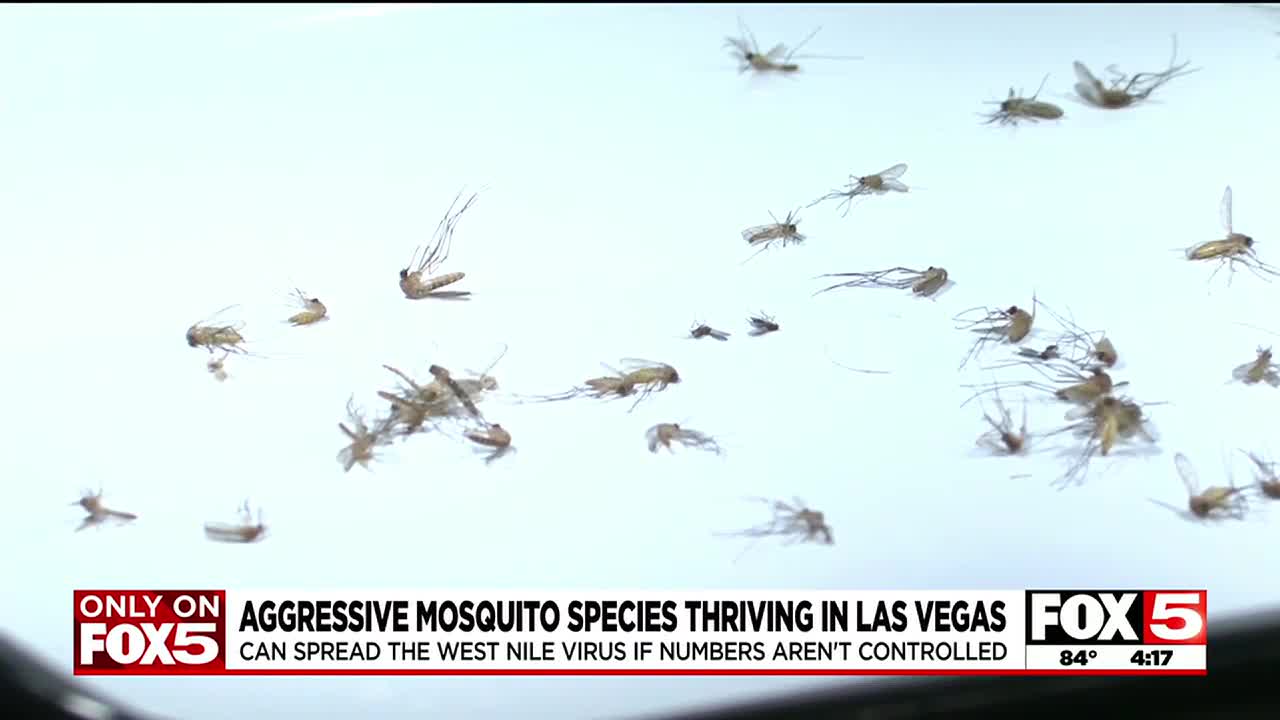
The Southern Nevada Health District does occasional testing for West Nile Virus and St. Louis Encephalitis. While these are rare, it is always wise to be aware of the local health advisories. If you are visiting from another country like Canada or United Kingdom, rest assured that the public health infrastructure in Nevada is world-class and actively works to keep the city safe for the millions of tourists who visit annually.
Exploring Beyond the City: Mosquito Risks in Nearby Nature
Many people visit Las Vegas as a gateway to the natural wonders of the American West. If you are heading out of the city limits to explore the local landmarks, the mosquito situation may change based on the specific environment.
Red Rock Canyon National Conservation Area
Located just a short drive from the city, Red Rock Canyon National Conservation Area is a stunning display of Aztec Sandstone cliffs. Because this is a high-desert environment with very little standing water, mosquitoes are almost non-existent here. You are much more likely to see a desert tortoise or a wild burro than a mosquito. However, after a rare rain event, some of the seasonal washes may hold water, so keep that in mind if you are hiking immediately after a storm.
Lake Mead National Recreation Area
Lake Mead National Recreation Area presents a different scenario. As one of the largest reservoirs in the United States, formed by the Hoover Dam, it is a massive body of water. While the main lake is too deep and often too choppy for mosquitoes, the marshy edges and coves near the Colorado River can host insects. If you are boating, fishing, or camping at Lake Mead, especially in areas with dense vegetation like Boulder Beach, you should definitely bring insect repellent.
Mount Charleston and the Spring Mountains
If the heat of the city becomes too much, many tourists head to Mount Charleston in the Spring Mountains. The elevation here provides a much cooler climate, with pine trees and alpine meadows. Because it is cooler and holds more moisture than the valley floor, you might find a slightly higher concentration of insects, including mosquitoes, during the summer months. It is a beautiful escape from the desert heat, but it requires a bit more preparation in terms of outdoor gear.
In conclusion, while there are mosquitoes in Las Vegas, they are rarely a defining feature of the tourist experience. The combination of a harsh desert climate, proactive city management, and the lack of natural breeding grounds makes the city one of the better destinations for those looking to avoid pesky bites. Whether you are enjoying the luxury of Wynn Las Vegas, exploring the history of the Hoover Dam, or hiking through Valley of Fire State Park, you can rest easy knowing that mosquitoes will likely be the last thing on your mind. Simply stay informed, take basic precautions during the monsoon season, and enjoy everything that Southern Nevada has to offer.
LifeOutOfTheBox is a participant in the Amazon Services LLC Associates Program, an affiliate advertising program designed to provide a means for sites to earn advertising fees by advertising and linking to Amazon.com. Amazon, the Amazon logo, AmazonSupply, and the AmazonSupply logo are trademarks of Amazon.com, Inc. or its affiliates. As an Amazon Associate we earn affiliate commissions from qualifying purchases.