
The allure of practicing law in New York is undeniable. It’s a city synonymous with ambition, opportunity, and, for many, significant financial reward. But beyond the glitz and the towering skyscrapers of Manhattan, a crucial question lingers for aspiring legal professionals and seasoned practitioners alike: how much can a lawyer actually earn in the Empire State? The answer, as is often the case with complex urban economies, is multifaceted, dependent on a confluence of factors ranging from experience and specialization to the type of firm and the specific practice area. Understanding these variables is key to demystifying the earning potential of lawyers in this dynamic legal landscape.

The Foundation of Legal Earnings: Experience and Seniority
The most significant determinant of a lawyer’s salary in New York is undoubtedly their years of experience and their progression up the seniority ladder. Entry-level associates, fresh out of law school and eager to make their mark, will command a significantly lower salary than partners who have dedicated decades to their craft and built substantial client bases.
Junior Associates: The Starting Point
For newly qualified lawyers, often referred to as junior associates, the compensation in New York is competitive, especially when compared to other major cities. These roles typically involve extensive research, drafting legal documents, and supporting senior lawyers on cases. While the exact figures can fluctuate based on the economic climate and the specific firm’s financial health, first-year associates at large, prestigious firms in Manhattan can expect starting salaries often in the range of $190,000 to $220,000 annually. This figure typically excludes bonuses, which can further augment their earnings, particularly during profitable years for the firm. It’s important to note that these figures are most representative of “Big Law” firms, which are characterized by their large size, international reach, and high-profile clientele. Smaller firms or those in less central locations might offer slightly lower starting compensation.
Mid-Level Associates: Gaining Momentum
As associates gain experience, typically after three to five years, their responsibilities expand, and so does their earning potential. Mid-level associates are expected to handle more complex legal tasks, manage client relationships, and often supervise junior staff. Their salaries reflect this increased autonomy and expertise. A mid-level associate in New York can anticipate an annual salary ranging from $250,000 to $350,000, again, not including potential bonuses. At this stage, the ability to contribute meaningfully to case strategy and client satisfaction becomes increasingly important, influencing their value to the firm and, consequently, their compensation.
Senior Associates and Counsel: Approaching Partnership
The path to partnership or a dedicated counsel role is a significant milestone. Senior associates and counsel lawyers have amassed substantial legal knowledge and often possess specialized expertise. They are instrumental in leading cases, mentoring junior lawyers, and contributing to business development. Their earnings reflect this elevated status, with salaries often ranging from $350,000 to $500,000 or more. Counsel roles, in particular, can be a lucrative alternative to partnership, offering a more stable, albeit sometimes capped, income stream without the full equity stake and associated pressures of partnership.
Partners: The Apex of Legal Earnings
Partners represent the highest echelon of legal professionals within a firm. Equity partners, who own a stake in the firm, share in its profits and bear its risks. Their earnings are variable and directly tied to the firm’s overall profitability and their individual contribution to its success, including client origination, case management, and leadership. In New York, partners at major firms can earn anywhere from $500,000 to well over $1,000,000 annually, with some top-tier partners at the most prestigious firms potentially earning multi-million dollar incomes. Non-equity partners, while not owning a stake, typically receive a fixed salary and a bonus, placing their earnings generally below those of equity partners but still significantly higher than senior associates.
The Influence of Practice Area Specialization
The legal field is vast and diverse, with different practice areas demanding distinct skill sets and commanding varying levels of compensation. Certain specializations are inherently more lucrative due to market demand, the complexity of the work, and the high stakes involved for clients.
High-Demand and High-Earning Specialties
In the bustling legal market of New York, several practice areas consistently stand out for their earning potential. Corporate law, particularly in areas like mergers and acquisitions (M&A), private equity, and securities, attracts significant compensation. Lawyers advising multinational corporations on complex transactions often find themselves at the upper end of the salary spectrum. Similarly, intellectual property (IP) law, especially patent litigation and prosecution, is a highly specialized field where top practitioners can command substantial fees.
Other lucrative areas include:
- Finance Law: Lawyers involved in complex financial transactions, regulatory compliance, and investment banking are in high demand.
- Litigation (Commercial and White-Collar Crime): High-stakes commercial disputes and high-profile white-collar defense cases often involve substantial legal fees and, consequently, higher lawyer compensation.
- Real Estate Law: Given New York’s status as a global hub for real estate development and investment, experienced real estate lawyers are highly valued.
- Bankruptcy and Restructuring: In times of economic uncertainty, lawyers specializing in corporate restructuring and bankruptcy proceedings become essential.
The profitability of these areas is often linked to the types of clients they serve – typically large corporations, financial institutions, and high-net-worth individuals – who can afford to pay premium rates for specialized legal services.
Niche and Public Service Areas: Different Reward Structures
While the allure of high-paying corporate law is strong, it’s important to acknowledge other vital areas of legal practice. Fields like family law, elder law, and various aspects of public interest law, while immensely important to society, generally offer lower compensation. Lawyers in these areas may be driven by a passion for advocacy and public service rather than purely financial gain. However, even within these fields, experienced practitioners or those running successful solo practices can achieve comfortable incomes. For those entering public service, such as prosecutors in the District Attorney’s Office or public defenders, salaries are typically set by government pay scales, which are considerably lower than private practice but offer benefits like job security and a direct impact on justice.
Firm Size and Structure: A Significant Differentiator
The type of legal employer a lawyer works for plays a pivotal role in their earning potential. The landscape of legal practice in New York encompasses a wide spectrum, from global behemoths to boutique firms and solo practitioners.
Large International Firms (“Big Law”)
As previously mentioned, large, international law firms, often headquartered in Manhattan, are known for their aggressive compensation structures, particularly for associates. These firms operate on a billable hour model, where associates are expected to log a significant number of hours per year. The sheer volume of work and the high hourly rates they can command for their services allow them to offer top-tier salaries and bonuses. The intense work environment and demanding performance expectations are the trade-offs for this high earning potential.
Mid-Size and Boutique Firms
Mid-size firms, often with a regional focus, and specialized boutique firms offer a different work environment and compensation structure. Boutique firms, for instance, may focus on a niche practice area like intellectual property or healthcare law. While they might not match the starting salaries of the largest firms, they can offer more specialized expertise and potentially a better work-life balance. Compensation in these firms can vary widely but typically falls below the highest “Big Law” figures, though senior lawyers and partners in successful boutiques can still earn very substantial incomes.
In-House Counsel and Government Positions
In-house counsel, lawyers employed directly by corporations, generally earn salaries that fall somewhere between those of mid-size firms and large law firms, with significant variation depending on the company’s size, industry, and profitability. They often enjoy better work-life balance and the opportunity to become deeply involved in a single business’s operations. Government lawyers, as noted earlier, typically earn less than their private sector counterparts, but their roles come with public service prestige and robust benefits.
Solo Practitioners and Small Firms
The dream of running one’s own practice is prevalent. Solo practitioners and those in small firms in New York face the most variability in income. Success here depends heavily on business development skills, client acquisition, and efficient practice management. Some solo practitioners achieve significant financial success by carving out a niche and building a strong reputation, while others may struggle to maintain a consistent income. The initial years can be challenging, but for those who thrive, the autonomy and potential for direct financial reward can be immense.
Beyond Salary: The Total Compensation Picture in New York
While base salary is a primary indicator of earnings, the total compensation package for lawyers in New York often includes several other components that significantly boost their overall financial well-being. Understanding these elements provides a more complete picture of a lawyer’s earning potential.
Bonuses and Performance Incentives
Bonuses are a substantial part of a lawyer’s compensation, particularly in private practice. For associates, year-end bonuses are often tied to meeting or exceeding billable hour targets and individual performance reviews. In “Big Law,” these bonuses can be significant, sometimes adding an additional 15-50% or more to an associate’s base salary. For partners, bonuses are effectively their share of the firm’s profits, directly linked to the firm’s overall financial success and their individual contributions.
Benefits Packages
A comprehensive benefits package is a crucial, though often overlooked, aspect of total compensation. This typically includes health insurance (medical, dental, vision), life insurance, disability insurance, and retirement plans such as 401(k)s with employer matching. Some firms also offer generous paid time off, parental leave policies, and support for professional development, including continuing legal education (CLE) courses and bar association dues. These benefits, while not direct salary, represent a significant financial value and contribute to a lawyer’s overall financial security and quality of life.
Equity and Profit Sharing
For partners, equity ownership in the firm represents the most significant component of their compensation. Their share of the firm’s profits can fluctuate annually but offers the highest earning potential in the legal profession. For lawyers in certain business structures or at firms with profit-sharing models, a portion of their compensation may also be tied to the firm’s performance, providing an additional incentive to contribute to its success.
Location and Cost of Living Considerations
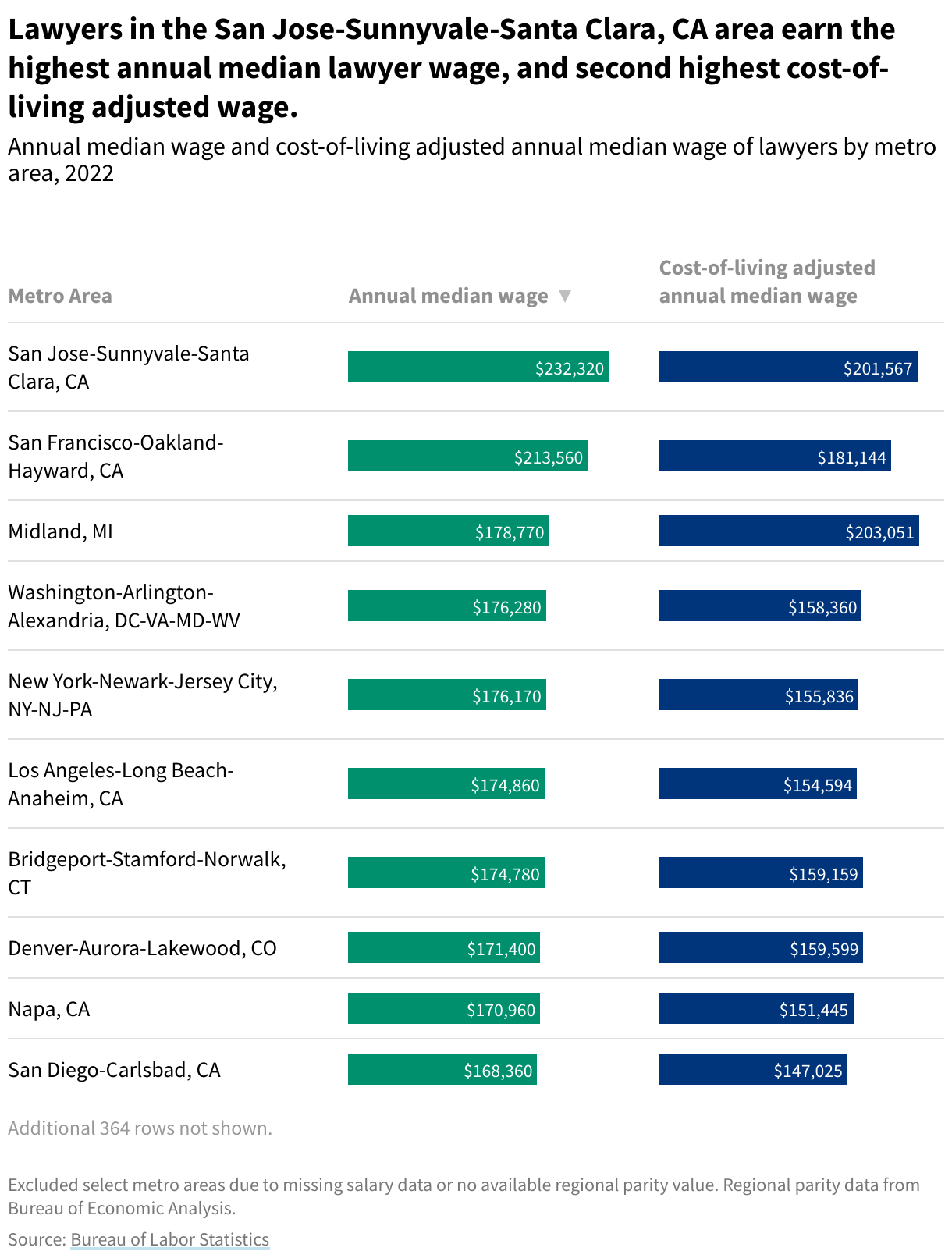
It is imperative to contextualize lawyer earnings in New York within the city’s notoriously high cost of living. While salaries may appear exceptionally high compared to national averages, the expenses associated with housing, transportation, taxes, and daily living in New York City can be substantial. Rent for even a modest apartment in desirable neighborhoods can consume a significant portion of a lawyer’s income. Therefore, while New York offers some of the highest legal salaries in the country, the net disposable income must be considered carefully. Aspiring legal professionals should weigh these financial realities against the career opportunities and professional fulfillment that practicing law in such a vibrant and influential legal market can offer.
LifeOutOfTheBox is a participant in the Amazon Services LLC Associates Program, an affiliate advertising program designed to provide a means for sites to earn advertising fees by advertising and linking to Amazon.com. Amazon, the Amazon logo, AmazonSupply, and the AmazonSupply logo are trademarks of Amazon.com, Inc. or its affiliates. As an Amazon Associate we earn affiliate commissions from qualifying purchases.