
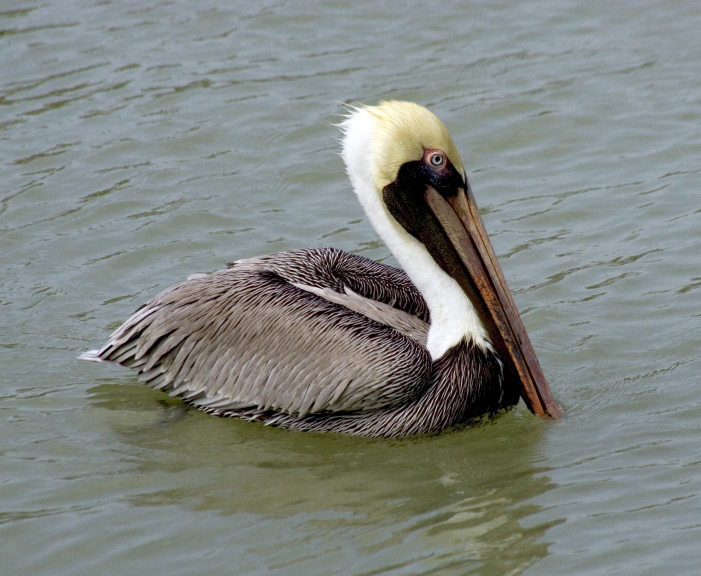
In the heart of the American South, where the Mississippi River meets the sprawling expanse of the Gulf of Mexico, lies a state defined by its unique geography and resilient spirit. Louisiana, often referred to as the Pelican State, holds its natural heritage in high regard. Central to this identity is the Brown Pelican, a bird that serves as more than just a biological specimen; it is a profound historical and natural landmark of the region.
The Brown Pelican was officially designated as the Louisiana state bird on July 27, 1966. However, its connection to the people of Baton Rouge, New Orleans, and the surrounding coastal parishes dates back centuries. Understanding why this bird was chosen requires a deep dive into the history, biology, and conservation efforts that have made it a symbol of survival along the Gulf Coast.
The History and Symbolism of the Pelican in Louisiana
The relationship between Louisiana and the pelican is ancient, rooted in European heraldry and early colonial history. Long before the United States was established, the image of the pelican was used by settlers to represent the nurturing spirit of the land.
The Pelican in Her Piety
One of the most striking aspects of the state bird’s history is the “Pelican in her Piety” motif. This medieval symbol depicts a mother pelican wounding her own breast to feed her young with her blood. While biologically inaccurate, the myth resonated deeply with early Louisiana settlers as a metaphor for self-sacrifice and devotion. This imagery was so powerful that it was incorporated into the State Seal of Louisiana and subsequently the Louisiana State Flag.
When you visit the Louisiana State Capitol in Baton Rouge, you will see this symbol etched into the very architecture of the building. It represents the state’s commitment to providing for its citizens, mirroring the perceived devotion of the bird to its offspring.
Official Designation and Cultural Identity
Although the bird appeared on seals and flags for decades, it wasn’t until the mid-20th century that the Louisiana State Legislature formally codified the Brown Pelican as the official state bird. This move was partly motivated by a desire to solidify the state’s brand and partly by a growing awareness of the bird’s dwindling numbers. In Louisiana, the bird is a cultural icon, appearing on everything from the Louisiana State Quarter to the logos of professional sports teams like the New Orleans Pelicans.
Natural Habitats: Where to Observe this Living Landmark
For those traveling to the Deep South, seeing the state bird in its natural habitat is a priority. The Brown Pelican is a coastal dweller, rarely found far from the saltwater of the Atlantic Ocean or the Gulf of Mexico. In Louisiana, specific islands and preserves serve as vital nesting grounds.
Queen Bess Island: A Success Story
Located in Barataria Bay, Queen Bess Island is perhaps the most significant landmark for pelican conservation. This small island once hosted thousands of birds before environmental crises nearly wiped them out. Today, following massive restoration projects by the Louisiana Department of Wildlife and Fisheries, it is once again a bustling colony. Tourists taking boat tours from Grand Isle can often see the sky filled with these massive birds as they return to the island to nest.
Grand Isle State Park
Grand Isle State Park offers one of the best land-based vantage points for birdwatching. As the only inhabited barrier island in Louisiana, it provides a unique intersection of human life and wild nature. Visitors walking along the fishing piers can watch Brown Pelicans glide inches above the waves, utilizing a physical phenomenon known as ground effect to save energy. The proximity of the Gulf of Mexico makes this an ideal spot for observing the bird’s sophisticated hunting techniques.
Barataria Preserve and Coastal Wetlands
The Barataria Preserve, part of the Jean Lafitte National Historical Park and Preserve, is another critical location. While pelicans prefer the saltier waters of the outer coast, they are frequently seen in the brackish marshes of the preserve. This area highlights the importance of the Louisiana wetlands, which act as a nursery for the fish that the Brown Pelican relies on for survival.
Distinctive Features and Behavioral Wonders
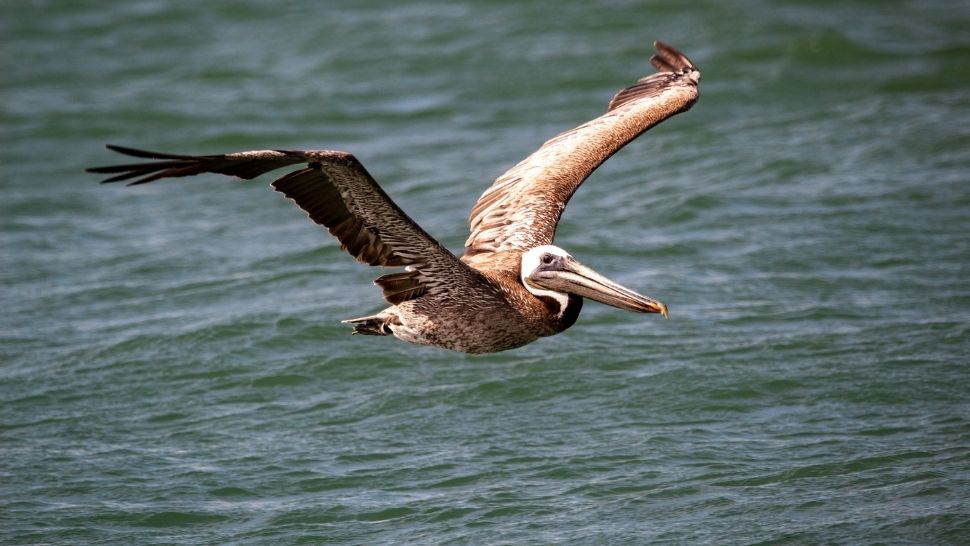
As a landmark of the natural world, the Brown Pelican possesses physical traits that distinguish it from all other North American birds. It is the smallest of the eight pelican species, yet its presence is imposing, with a wingspan that can reach up to seven feet.
The Physics of the Plunge-Dive
The most remarkable behavior of the Brown Pelican is its hunting method. Unlike the American White Pelican, which fishes in groups by herding prey toward the shore, the Brown Pelican is a high-altitude hunter. It can spot a fish from 60 feet in the air and perform a breathtaking vertical dive.
To survive the impact with the water, the bird has evolved internal air sacs beneath its skin that cushion the blow. Upon impact, its massive throat pouch—which can hold up to three gallons of water—expands to scoop up the fish. This biological marvel is a testament to the evolutionary history of the Gulf Coast fauna.
Nesting and Social Structure
Brown Pelicans are highly social creatures. They nest in large colonies, often on isolated islands where they are protected from land-based predators like raccoons or coyotes. Their nests are often built in the sturdy branches of Mangrove trees or directly on the ground in sandy areas. Observing these colonies is like watching a busy city; the constant movement, the calls of the young, and the aerial traffic of parents returning with food create a dynamic natural spectacle.
Conservation: A History of Resilience
The Brown Pelican is more than just a state symbol; it is a symbol of environmental recovery. Its history in Louisiana is a dramatic tale of disappearance and triumphant return, making it a landmark case in the history of the Endangered Species Act.
The DDT Crisis and Extirpation
In the 1950s and 60s, the use of the pesticide DDT had a devastating effect on bird populations across the United States. The chemical caused the eggshells of Brown Pelicans to become thin and brittle, breaking under the weight of the incubating parents. By 1963, the Brown Pelican had completely disappeared from Louisiana. The very state that called itself the Pelican State no longer had its namesake bird.
The Great Reintroduction
The recovery began in the late 1960s when Louisiana wildlife officials partnered with the Florida Game and Fresh Water Fish Commission. Over several years, hundreds of pelicans were transported from Florida to Louisiana to re-establish the population. This effort, combined with the federal ban on DDT, allowed the species to rebound. By 2009, the Brown Pelican was officially removed from the endangered species list, a moment of immense pride for the people of Louisiana.
Challenges of the Modern Era: Deepwater Horizon
The resilience of the state bird was tested again in 2010 during the Deepwater Horizon oil spill. The images of oil-soaked pelicans in the marshes of Plaquemines Parish became the face of the disaster. However, the infrastructure of conservation that had been built over decades allowed for a rapid response. Cleaning stations were set up in Fort Jackson, and thousands of birds were rehabilitated and released. Today, the population remains stable, though it requires constant monitoring as Louisiana faces the ongoing challenge of coastal erosion.
The Pelican as a Modern Landmark of Louisiana
In many ways, the Brown Pelican is a living landmark that tells the story of the state itself. Its presence in the sky over Lake Pontchartrain or perched on the piers of Cameron Parish is a reminder of the delicate balance between industry and nature in the American South.
Educational Tourism and the Pelican
For the modern traveler, the pelican is a gateway to understanding the Louisiana landscape. Eco-tours departing from New Orleans or Houma emphasize the bird’s role in the ecosystem. It serves as an “indicator species,” meaning its health reflects the health of the entire coastal environment. By protecting the nesting grounds of the Brown Pelican, Louisiana is essentially protecting the barrier islands that buffer the state from hurricanes.
A Symbol for Future Generations
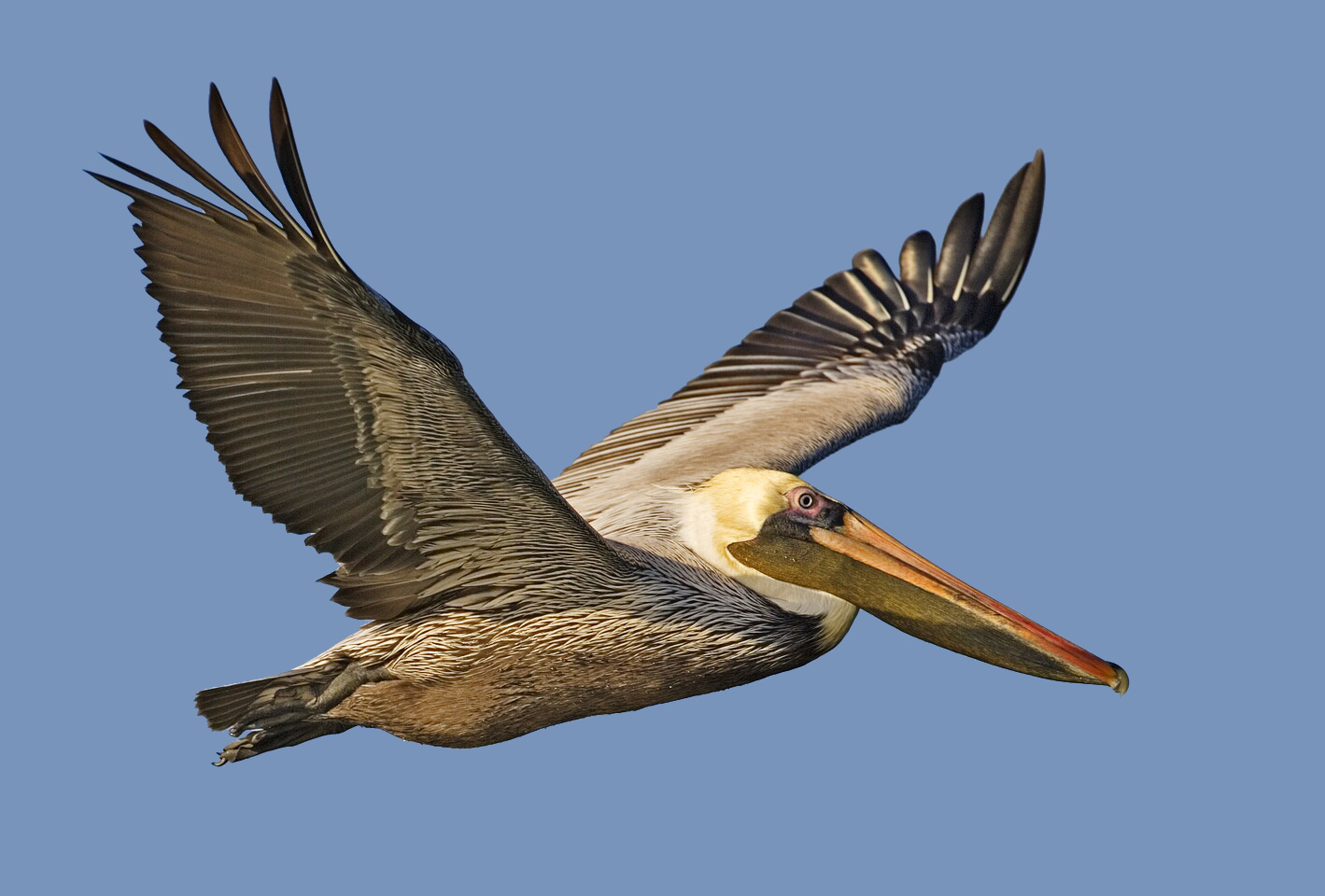
As Louisiana moves into the 21st century, the Brown Pelican remains a steadfast symbol of the state’s character. It represents a history of overcoming adversity, from the brink of extinction to the challenges of environmental disasters. Whether you are visiting the Audubon Zoo in New Orleans to see rehabilitated birds or taking a boat out to the remote Shell Keys National Wildlife Refuge, the Brown Pelican offers a profound connection to the spirit of the Pelican State.
In conclusion, the Louisiana state bird is far more than a simple avian representative. It is a historical landmark of colonial piety, a biological landmark of the Gulf of Mexico, and a conservation landmark for the United States. Its survival and prosperity are inextricably linked to the land and the people who call Louisiana home, making it a true icon of the American landscape.
LifeOutOfTheBox is a participant in the Amazon Services LLC Associates Program, an affiliate advertising program designed to provide a means for sites to earn advertising fees by advertising and linking to Amazon.com. Amazon, the Amazon logo, AmazonSupply, and the AmazonSupply logo are trademarks of Amazon.com, Inc. or its affiliates. As an Amazon Associate we earn affiliate commissions from qualifying purchases.