
Absolutely, the vibrant and melodious orioles are not just a possibility but a delightful reality for visitors and residents in Southern California. This sun-drenched region, renowned for its diverse ecosystems ranging from arid deserts to lush coastal areas, provides a crucial habitat and migratory pathway for several species of these brilliantly colored birds. For those seeking to immerse themselves in the natural splendor of the Golden State, observing orioles offers a truly captivating experience, perfectly aligning with the exploration of California’s rich natural landmarks and wildlife.
The Golden Flash: Orioles in the Golden State
Southern California’s unique geographical position and varied microclimates make it an avian hotspot, particularly during migration seasons. Orioles, known for their striking plumage—often a combination of bright oranges, yellows, and deep blacks—and their distinctive, fluting songs, are a highlight for any nature enthusiast or birdwatcher. Their presence enriches the natural tapestry of the region, offering a dynamic display of color and sound against the backdrop of iconic Californian landscapes. The quest to spot an oriole often leads adventurers to some of the most breathtaking natural landmarks, from sprawling desert parks to serene riparian corridors.

The fascination with orioles isn’t just about their aesthetic appeal; it’s also about understanding their ecological role and the specific natural environments they inhabit. These birds are primarily insectivorous, but also feed on nectar and fruits, making them vital pollinators and natural pest controllers within their ecosystems. Their reliance on specific types of flora, such as palm trees, sycamores, and willows, means that exploring areas where these plants thrive is often the key to a successful sighting.
Distinguishing Southern California’s Oriole Species
Southern California is home to three prominent oriole species, each with its own characteristics and preferred habitats. Knowing how to identify them enhances the birdwatching experience, transforming a simple sighting into an insightful encounter with nature.
Hooded Oriole
The Hooded Oriole (Icterus cucullatus) is perhaps the most iconic oriole for Southern Californians, as it is a year-round resident in many parts of the region, though its numbers swell significantly during the breeding season from spring to late summer. Males boast a vivid orange hood, black bib, and black wings accented with white. Females are duller, typically yellowish-olive. These orioles have a particular affinity for palm trees, especially Mexican Fan Palms, often weaving their pendulous nests from fibers found on these trees. They are commonly found in suburban gardens, urban parks like Griffith Park in Los Angeles County and Balboa Park in San Diego County, and along tree-lined streets. Their presence is a testament to the coexistence of robust avian life within developed areas, making them accessible natural landmarks for many.
Bullock’s Oriole
The Bullock’s Oriole (Icterus bullockii) is a migratory species, arriving in Southern California in spring to breed before heading south for the winter. Males are easily identifiable by their bright orange faces and undersides, a black eye-line, and a black cap, with white wing patches. Females are paler, with yellowish heads and breasts. Unlike the Hooded Oriole’s preference for palms, Bullock’s Orioles favor deciduous trees such as cottonwoods, willows, and sycamores, often found along riparian corridors. They are a common sight along rivers like the Santa Ana River and in canyons throughout Orange County and San Bernardino County, making these natural waterways prime locations for birdwatching.
Scott’s Oriole
The Scott’s Oriole (Icterus parisorum) is the desert specialist among the three, a magnificent species whose presence signifies the unique ecosystems of Southern California’s arid regions. Males are striking with their entirely black heads, backs, and wings contrasting sharply with a brilliant yellow belly and rump. Females are yellowish-green with dusky streaking. These orioles prefer desert habitats, particularly areas with yucca, agave, and other succulent plants, from which they often extract nectar. They are migrants, spending their breeding season in the desert landscapes of places like Joshua Tree National Park and Anza-Borrego Desert State Park, offering a spectacular natural attraction for those venturing into these rugged wilderness areas.
Where to Spot These Radiant Birds
To maximize your chances of encountering orioles, understanding their preferred habitats is key. Southern California’s diverse natural landmarks offer a plethora of options for birdwatching, each promising unique avian experiences.
Desert Oases and Riparian Corridors
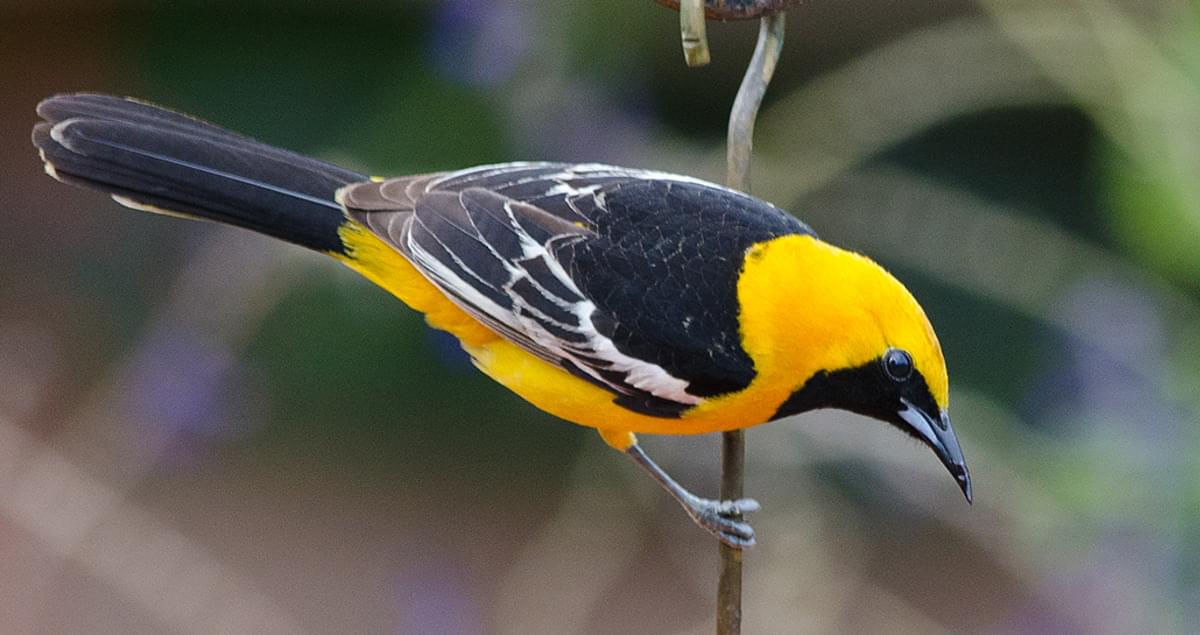
For the Scott’s Oriole, the vast expanses of the Mojave Desert and Colorado Desert are prime territories. Parks like Joshua Tree National Park and Anza-Borrego Desert State Park are not only geological wonders but also critical birding sites, especially around desert oases such as the Borrego Springs area or the fan palm oases within Joshua Tree National Park. These oases provide essential water and vegetation in an otherwise harsh environment, attracting orioles and a host of other desert birds.
For Bullock’s Oriole and even some Hooded Oriole populations, riparian corridors are invaluable. The lush, tree-lined banks of rivers and streams, such as the Santa Ana River in Orange County or streams winding through the Santa Monica Mountains, provide the ideal habitat with abundant insects and nesting sites. Areas around lakes, such as Big Bear Lake, also create attractive environments for these birds during migration and breeding seasons.
Urban Parks and Gardens
Don’t underestimate the urban landscape as an excellent place for oriole sightings. Hooded Orioles, in particular, have adapted well to human-modified environments. Parks like Griffith Park and the San Diego Zoo Safari Park are fantastic spots where mature palm trees and flowering plants offer both food and shelter. Even backyard gardens in cities like Palm Springs, Los Angeles, or San Diego can attract these vibrant birds, especially if equipped with hummingbird feeders (orioles also enjoy nectar) or water sources. These urban green spaces serve as accessible natural landmarks, bringing wildlife viewing within reach for many.
Coastal Sage Scrub and Chaparral
While not primary habitats for all oriole species, the dense shrublands of coastal sage scrub and chaparral, common in the foothills and mountains of Southern California, can still yield sightings. During migration, orioles might pause in these areas, especially where there are scattered trees or flowering plants. Natural areas within the Cleveland National Forest, Angeles National Forest, and San Bernardino National Forest offer such opportunities for adventurous birdwatchers.
The Best Seasons for Birdwatching
Timing is crucial when planning an oriole-focused natural landmark exploration in Southern California.
Spring (March to May)
Spring is arguably the best time for oriole watching. This is when migratory species like the Bullock’s Oriole and Scott’s Oriole arrive to breed, joining the resident Hooded Oriole populations. Their songs fill the air as they establish territories and begin nesting. The landscapes are also at their most vibrant, with wildflowers blooming in the deserts and hills, making for picturesque viewing.
Summer (June to August)
During summer, orioles are actively raising their young. While less vocal than in spring, they are busy foraging for insects and can still be readily observed, especially around their nesting sites. Urban gardens and parks with mature trees remain excellent spots for Hooded Orioles, while desert oases still offer chances to see Scott’s Oriole.
Fall (September to October)
As temperatures begin to cool, migratory orioles prepare for their journey south. While not as abundant as in spring, fall migration can offer glimpses of various species as they pass through, fattening up on berries and insects. This is an excellent time to visit coastal stopover points or areas along the Pacific Flyway, such as the Salton Sea, which serves as a critical rest stop for many migratory birds.

Beyond Orioles: Avian Wonders of Southern California
While orioles are a dazzling target for birdwatchers, the pursuit of these colorful birds often leads to discoveries of other incredible avian species that call Southern California’s natural landmarks home. From various hummingbirds zipping through gardens to raptors soaring over mountain peaks, and countless shorebirds along the coast, the region is a birder’s paradise. Exploring areas like Anza-Borrego Desert State Park for its desert birds, the coastal wetlands for avocets and stilts, or mountain forests for woodpeckers and jays, provides a comprehensive experience of Southern California’s rich biodiversity. The journey to find orioles becomes an entryway into a deeper appreciation for the intricate and vibrant natural world of this iconic destination.
LifeOutOfTheBox is a participant in the Amazon Services LLC Associates Program, an affiliate advertising program designed to provide a means for sites to earn advertising fees by advertising and linking to Amazon.com. Amazon, the Amazon logo, AmazonSupply, and the AmazonSupply logo are trademarks of Amazon.com, Inc. or its affiliates. As an Amazon Associate we earn affiliate commissions from qualifying purchases.