
Indeed, Alaska is a premier destination for witnessing the enchanting world of puffins, those charismatic seabirds often described as the “clowns of the sea” due to their distinctive, colorful beaks and somewhat clumsy yet endearing gait on land. Far from being a mere myth, puffins thrive in the rugged coastal environments of the Last Frontier, drawing wildlife enthusiasts and photographers from across the globe. Their presence adds a vibrant splash of life to Alaska’s vast marine landscapes, making a dedicated trip to observe them an unforgettable travel experience.
The Vibrant World of Alaskan Puffins
Alaska’s extensive coastline, characterized by its dramatic cliffs, secluded islands, and nutrient-rich waters, provides an ideal habitat for several species of seabirds, including two distinct types of puffins. These fascinating avians spend most of their lives at sea, returning to land only during the breeding season to nest in burrows or rock crevices on remote islands and coastal cliffs. Their ability to “fly” underwater using their wings to propel themselves makes them exceptional marine hunters, primarily feasting on small fish and crustaceans. Observing their synchronized dives, their comical waddling on land, and their incredible ability to carry multiple fish in their beaks simultaneously is a highlight for any nature lover.

Two Distinct Species Call Alaska Home
The two species of puffins that grace Alaska’s waters are both visually striking and ecologically significant:
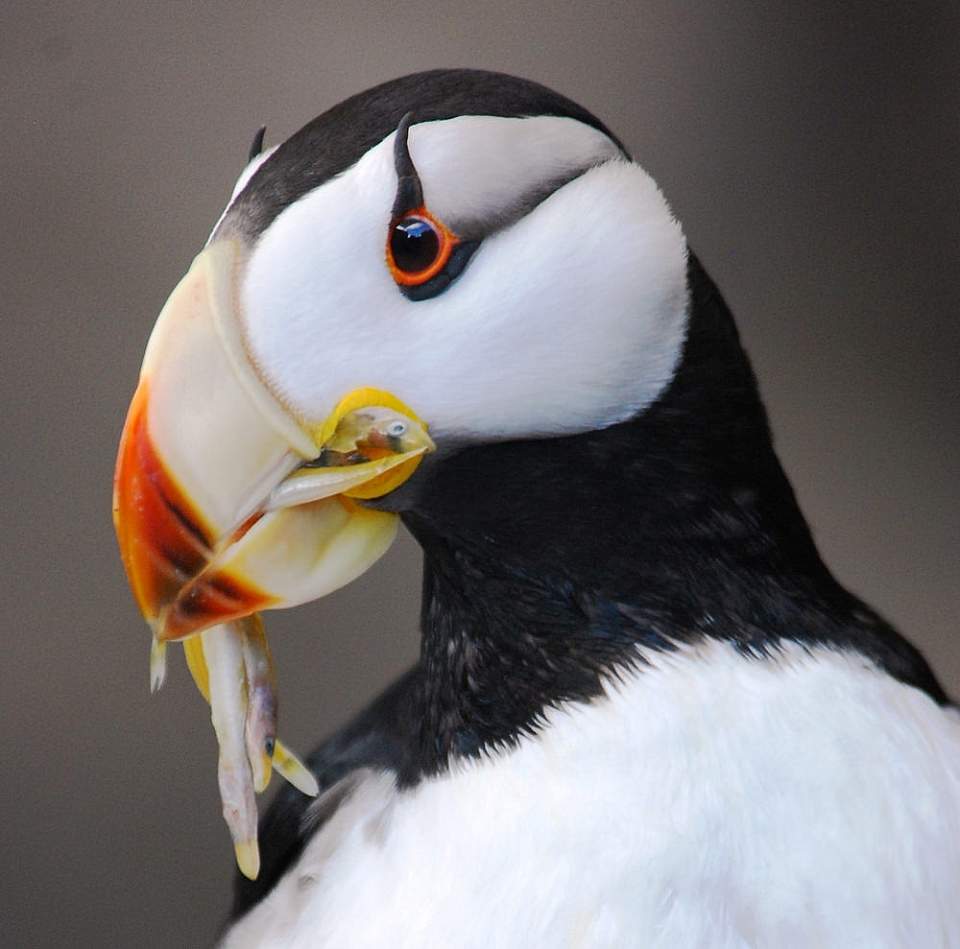
- Horned Puffin: Named for the small, fleshy, horn-like projection above each eye, the Horned Puffin is arguably the more classic image of a puffin. It sports a bright orange-red bill with a yellow base, a white belly, and a black back, making it a truly picturesque sight against the blue Alaskan waters. These birds are known for their preference for nesting in rock crevices and under boulders on steep cliffs, which makes their colonies particularly dramatic to observe.
- Tufted Puffin: Easily distinguished by the striking golden-blonde plumes that sweep back from behind their eyes during the breeding season, the Tufted Puffin presents a more robust appearance. They have an entirely black body with a large, vibrant orange bill and a white face mask. Unlike their horned counterparts, Tufted Puffins often dig burrows in the soil of grassy slopes overlooking the ocean, creating extensive underground communities.
Both species share a similar diet and breeding habits, though their slightly different nesting preferences mean they can often be found coexisting in the same general areas, offering a dual spectacle for visitors.
Prime Destinations for Puffin Spotting in Alaska
The vastness of Alaska means that puffin viewing opportunities are spread across various regions, each offering unique perspectives and accessibility challenges. The most concentrated populations are found in areas with abundant food sources and secure, predator-free nesting sites.
Southcentral Alaska: Kenai Peninsula and Prince William Sound
The Kenai Peninsula and Prince William Sound regions are arguably the most accessible and popular areas for puffin viewing, largely due to their proximity to major cities like Anchorage and well-established tourism infrastructure.
- Kenai Peninsula: The waters surrounding Seward and Homer are teeming with seabird activity. Excursions from these towns often venture into areas like the Chiswell Islands or the small coves and rocky outcroppings of Resurrection Bay. These boat tours are specifically designed to bring visitors close to seabird colonies, where both Horned Puffins and Tufted Puffins can be observed nesting and foraging. The dramatic cliffs of the Kenai Fjords National Park provide stunning backdrops for these encounters.
- Prince William Sound: Departing from Valdez or Whittier, cruises into Prince William Sound offer another excellent chance to see puffins amidst a breathtaking landscape of glaciers and pristine waters. The numerous islands within the sound serve as critical breeding grounds for these birds, making dedicated wildlife cruises a highly effective way to spot them.
Southwestern Alaska: Kodiak Island and the Aleutian Islands
Further west, the wilder, more remote regions of Alaska host truly colossal puffin colonies, though access often requires more planning and a greater spirit of adventure.
- Kodiak Island: Known for its immense brown bears, Kodiak Island and its surrounding smaller islands also support significant seabird populations, including both puffin species. While less frequented by general tourists for seabird viewing compared to the Kenai Peninsula, dedicated wildlife charters can provide exceptional opportunities in a truly wild setting.
- Aleutian Islands: Stretching thousands of miles into the Pacific Ocean, the Aleutian Islands are a remote, volcanic archipelago that represents some of the most important seabird breeding habitat in the world. The sheer scale of puffin colonies here is astounding, but access is extremely limited, primarily through specialized expedition cruises or scientific research trips. For the intrepid traveler, the reward is an unparalleled immersion into a pristine marine ecosystem.
Southeastern Alaska: Limited Sightings
While iconic species like humpback whales and eagles dominate the wildlife viewing experience in Southeast Alaska (the panhandle), puffins are less common here compared to the western and southcentral parts of the state. However, incidental sightings can occur, particularly in the outer coastal areas closer to the Gulf of Alaska and the open ocean, where food sources are more abundant. Dedicated puffin tours are not a primary offering in this region, but their presence cannot be entirely ruled out during broader wildlife excursions.
Best Time and Methods for Puffin Observation
Timing is crucial for a successful puffin viewing expedition in Alaska, as these birds are only found near their nesting sites for a specific period of the year.
Seasonal Spectacle: When to Plan Your Trip
Puffins arrive at their breeding colonies in Alaska typically in late May or early June. They spend the summer months (June, July, August) nesting, raising their chicks, and foraging in the surrounding waters. By early September, most puffins, along with their fledged young, will have departed their nesting grounds to spend the winter months out at sea, often far from the coast. Therefore, the peak season for puffin viewing is from mid-June through mid-August, when the colonies are most active and visible. During this period, not only are the adult birds present in large numbers, but there’s also the chance to see them bringing fish back to their hungry chicks.
Guided Tours and Independent Exploration
The most effective way to see puffins in Alaska is by joining a guided boat tour. Numerous reputable operators in coastal towns like Seward, Homer, and Valdez offer daily excursions that specialize in wildlife viewing, including dedicated stops at known seabird rookeries. These tours often feature experienced naturalists who can provide insightful commentary on puffin behavior, ecology, and conservation. The boats are typically designed for comfortable viewing, offering ample deck space for photography.
While independent exploration can sometimes lead to coastal sightings from shore, puffin colonies are almost exclusively located on remote islands or sheer cliff faces inaccessible by land. Therefore, a boat tour or a kayaking trip (for the more adventurous, with proper guidance) is virtually essential to get a close and meaningful view of these birds in their natural habitat. For optimal photography, consider bringing a telephoto lens, as boats will maintain a respectful distance from the colonies to avoid disturbing the birds.
Experiencing Alaska’s Marine Wildlife Beyond Puffins
A trip to see puffins in Alaska is rarely just about the puffins. The same rich marine environment that supports these birds also teems with an astonishing diversity of other wildlife, transforming any outing into a comprehensive Alaskan wildlife safari.
A Symphony of Seabirds and Marine Mammals
During a puffin-focused boat tour, visitors are almost guaranteed to encounter a multitude of other fascinating species. Look out for the elegant flight of black-legged kittiwakes, the graceful dives of common murres, and the distinctive calls of glaucous-winged gulls. Rarer sightings might include rhinoceros auklets, pigeon guillemots, and various cormorant species, all contributing to the lively atmosphere of the seabird colonies.
Beneath the waves and breaching the surface, the marine mammals of Alaska provide another layer of excitement. Whales, including humpbacks, orcas (killer whales), and gray whales, are frequently spotted migrating or feeding in these nutrient-rich waters. Playful sea otters often float on their backs, cracking shellfish, while harbor seals and Steller sea lions bask on rocky islets. This rich biodiversity underscores the importance of Alaska’s marine ecosystems as a global hotspot for wildlife.

Conservation Efforts and Responsible Tourism
The presence of puffins and other abundant wildlife in Alaska is a testament to ongoing conservation efforts. Visitors are encouraged to practice responsible tourism by choosing tour operators committed to sustainable practices, maintaining respectful distances from wildlife, and adhering to all environmental guidelines. By doing so, travelers contribute to the preservation of these magnificent creatures and their pristine habitats for future generations to enjoy. The opportunity to witness puffins in their natural Alaskan splendor is a privilege that comes with the shared responsibility of protecting this unique environment.
LifeOutOfTheBox is a participant in the Amazon Services LLC Associates Program, an affiliate advertising program designed to provide a means for sites to earn advertising fees by advertising and linking to Amazon.com. Amazon, the Amazon logo, AmazonSupply, and the AmazonSupply logo are trademarks of Amazon.com, Inc. or its affiliates. As an Amazon Associate we earn affiliate commissions from qualifying purchases.