
The term “spa” evokes images of tranquility, rejuvenation, and a retreat from the demands of everyday life. Yet, the concept of a spa extends far beyond a mere indulgence; it represents a holistic approach to well-being, encompassing a wide array of treatments and experiences designed to restore both the body and the mind. At its core, a spa is a destination or a facility dedicated to promoting health and relaxation through various therapeutic techniques, often incorporating natural elements and specialized services.
The origins of the modern spa can be traced back to ancient traditions that recognized the healing power of water. The Romans, for instance, were pioneers in developing elaborate bathhouses, like the Baths of Caracalla in Rome, which served not only as places for hygiene but also as social and recreational hubs. These complexes featured hot and cold plunge pools, steam rooms, and areas for exercise and massage, laying the groundwork for the spa experiences we know today. The word “spa” itself is believed to have derived from the Belgian town of Spa, renowned for its natural mineral springs, which were sought after for their supposed medicinal properties as far back as the 14th century. These thermal springs offered a natural remedy for various ailments, attracting visitors from across Europe and solidifying the association between water, health, and relaxation.
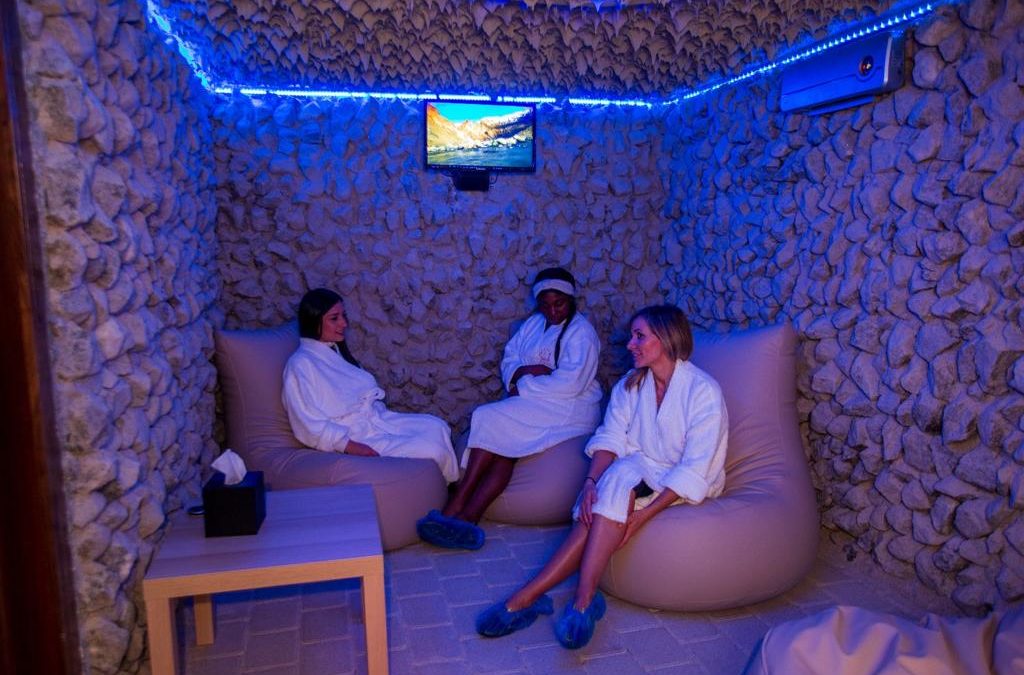
Today, the landscape of spas is incredibly diverse, ranging from luxurious resort destinations to more intimate day spas and specialized wellness centers. Regardless of their scale or location, most spas share a common goal: to provide an environment conducive to stress reduction, physical renewal, and mental clarity. This is achieved through a carefully curated selection of services that target different aspects of well-being, making the spa a versatile sanctuary for a broad spectrum of needs.
The Multifaceted World of Spa Treatments
The core of any spa experience lies in its array of treatments. These services are designed to address a variety of physical and emotional needs, from easing muscle tension to promoting radiant skin and fostering a sense of inner peace. Understanding the different types of treatments available can help individuals tailor their spa visit to achieve their specific wellness goals.
Hydrotherapy and Water-Based Therapies
Water has long been recognized for its therapeutic qualities, and hydrotherapy remains a cornerstone of spa treatments. This category encompasses a range of experiences that utilize water in its various forms – liquid, steam, or ice – to promote healing and relaxation.
- Baths: From mineral baths infused with beneficial salts and oils to simple warm water soaks, baths are designed to relax muscles, improve circulation, and detoxify the body. Some spas offer specialized baths, such as the Vichy shower, where multiple showerheads cascade water over a client lying on a table, combining gentle exfoliation with relaxation.
- Saunas and Steam Rooms: Both saunas and steam rooms use heat to induce sweating, which helps in the detoxification process and opens pores, preparing the skin for other treatments. Traditional Finnish saunas use dry heat, often with the addition of aromatic essential oils, while steam rooms utilize moist heat. The contrasting temperatures and humidity levels offer distinct benefits for muscle relaxation and respiratory health.
- Watsu: This unique therapy involves gentle stretching, massage, and movement performed in a warm pool. The buoyancy of the water supports the body, allowing for deep relaxation and release of tension. It is particularly beneficial for individuals experiencing chronic pain or stress.
- Hydro-massage Baths: These are specialized tubs equipped with jets that create a massaging effect, targeting specific muscle groups to relieve tension and improve circulation.
Massage Therapy: The Art of Touch
Massage is perhaps the most widely recognized spa treatment, celebrated for its ability to alleviate physical discomfort, reduce stress, and enhance overall well-being. The diverse range of massage techniques available caters to different needs and preferences.
- Swedish Massage: This is a classic full-body massage that uses long, flowing strokes, kneading, and circular movements to promote relaxation, improve circulation, and ease muscle tension. It is an excellent choice for those new to massage therapy.
- Deep Tissue Massage: Unlike Swedish massage, deep tissue massage targets deeper layers of muscle and connective tissue. It is ideal for individuals suffering from chronic muscle pain, stiffness, or injury, employing more vigorous strokes and focused pressure.
- Sports Massage: Tailored for athletes, sports massage focuses on preventing and treating injuries, improving performance, and speeding up recovery. It often incorporates techniques like stretching and trigger point therapy.
- Aromatherapy Massage: This popular treatment combines the benefits of massage with the therapeutic properties of essential oils. The oils are chosen based on individual needs, whether for relaxation, energy, or pain relief, and are inhaled and absorbed through the skin.
- Hot Stone Massage: This technique involves placing smooth, heated stones on specific points of the body. The heat from the stones penetrates the muscles, promoting deep relaxation and easing tension more effectively than manual massage alone.
- Thai Massage: Originating from Thailand, this dynamic form of massage involves a combination of acupressure, assisted yoga postures, and deep stretching. It is performed on a mat on the floor, with the recipient fully clothed.
Skincare and Body Treatments: Nurturing the Skin
Spas offer a comprehensive range of treatments dedicated to improving the health and appearance of the skin. These services go beyond basic cleansing, utilizing specialized products and techniques to exfoliate, hydrate, and rejuvenate.
- Facials: Facials are customized treatments designed to cleanse, exfoliate, hydrate, and revitalize the skin. They can address a variety of concerns, including acne, aging, dryness, and dullness. Different types of facials exist, such as deep pore cleansing, anti-aging, hydrating, and brightening facials, often incorporating masks, serums, and specialized techniques like microdermabrasion or LED light therapy.
- Body Scrubs and Polishes: These treatments involve exfoliating the skin using abrasive ingredients like salt, sugar, or ground seeds combined with oils or lotions. They remove dead skin cells, improve circulation, and leave the skin feeling smooth and radiant.
- Body Wraps: After exfoliation, the body is typically enveloped in a soothing material such as seaweed, mud, clay, or herbs. These wraps are designed to detoxify, hydrate, nourish, and firm the skin, often providing a sense of deep relaxation and well-being.
- Manicures and Pedicures: Beyond standard nail care, spa manicures and pedicures often include luxurious extras like exfoliating scrubs, hydrating masks, and relaxing massages, transforming routine nail maintenance into a pampering experience.
Types of Spa Facilities and Experiences
The concept of a spa has evolved to encompass a wide variety of settings, each offering a distinct approach to wellness and relaxation. Understanding these different types can help individuals choose the spa that best suits their needs and preferences.
Day Spas
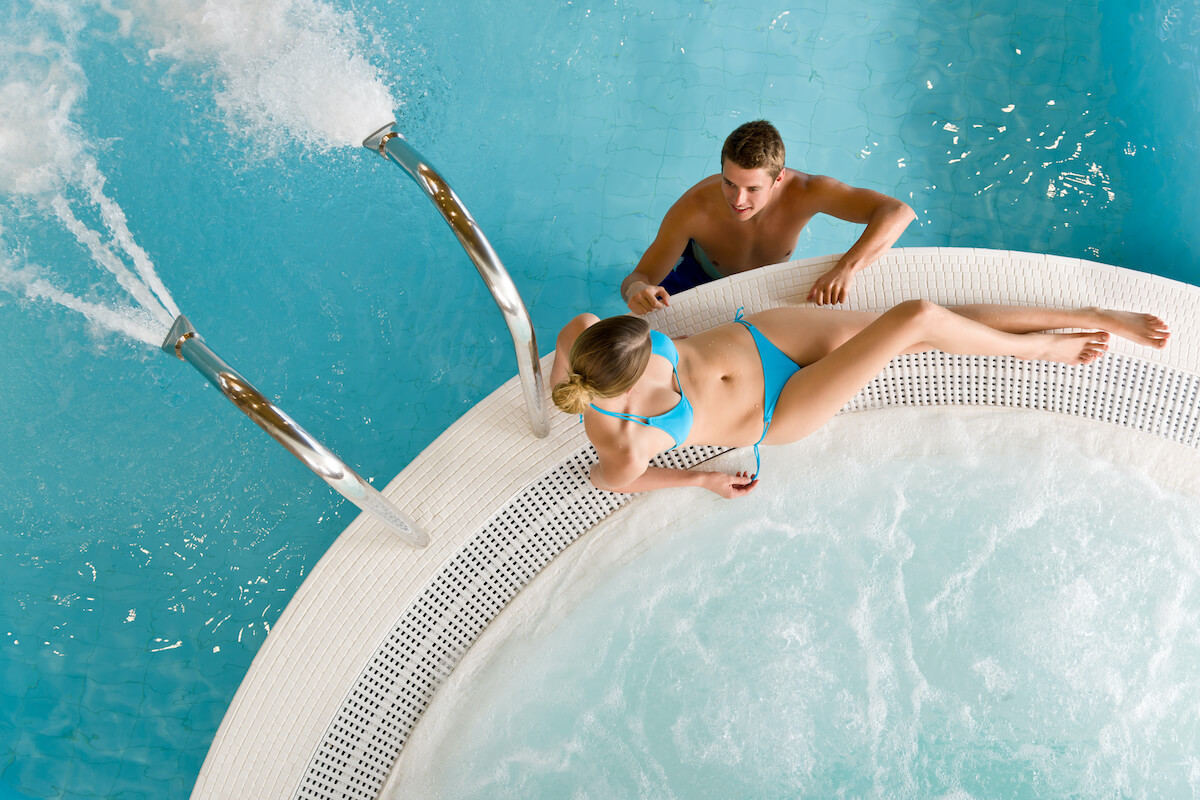
Day spas are facilities that offer a range of treatments without overnight accommodation. They are ideal for individuals seeking a few hours or a full day of pampering and rejuvenation. Day spas can vary greatly in size and scope, from small, intimate boutiques to larger establishments with multiple treatment rooms and relaxation areas. They are a popular choice for individuals looking for a quick escape from stress, a special occasion treat, or regular self-care.
Resort and Hotel Spas
Resort and hotel spas are integrated into larger hospitality establishments, providing guests with convenient access to a full suite of wellness services during their stay. These spas often boast extensive facilities, including multiple treatment rooms, saunas, steam rooms, fitness centers, and sometimes even dedicated relaxation lounges or outdoor pools. They are designed to enhance the overall guest experience, offering a holistic approach to vacationing where relaxation and well-being are paramount. Examples include the renowned Amanyara in the Turks and Caicos Islands or the opulent Burj Al Arab Jumeirah in Dubai.
Medical Spas (MedSpas)
Medspas blend traditional spa treatments with non-invasive medical aesthetic procedures. These facilities are typically overseen by medical professionals, such as doctors or nurses, and offer services like Botox injections, laser hair removal, chemical peels, and dermal fillers, alongside more traditional spa offerings. Medspas appeal to individuals seeking both relaxation and cosmetic enhancement, providing a medically supervised environment for aesthetic treatments.
Destination Spas
Destination spas are facilities focused exclusively on providing comprehensive wellness programs and treatments. Visitors typically stay at the spa for several days or even weeks, immersing themselves in a structured program of fitness, nutrition, spa treatments, and educational workshops designed for profound physical and mental transformation. These spas are ideal for those seeking a significant reset and a deep dive into a healthy lifestyle, often set in serene natural environments. Famous examples include Canyon Ranch or The Golden Door.
Mineral and Thermal Spas
These spas are built around natural hot springs or mineral-rich waters, harnessing the therapeutic benefits of these natural resources. The healing properties of the mineral waters are central to the spa’s offerings, often incorporating them into baths, pools, and various hydrotherapy treatments. These spas are often located in areas known for their geological activity and have been destinations for wellness seekers for centuries, drawing on the ancient traditions of balneotherapy.
The Holistic Approach: Beyond Physical Treatments
While physical treatments form the visible core of the spa experience, the true essence of a spa lies in its commitment to a holistic approach to well-being. This means addressing not just the physical body but also the mental, emotional, and even spiritual aspects of an individual’s health.
Mindfulness and Meditation
Many spas are incorporating mindfulness and meditation practices into their offerings. This can include guided meditation sessions, quiet rooms designed for reflection, or even mindful movement classes. The goal is to help guests cultivate a greater sense of presence, reduce stress, and enhance their mental clarity, complementing the physical relaxation achieved through treatments.
Nutrition and Wellness Programs
Increasingly, spas are offering guidance on nutrition and healthy living. This might involve healthy dining options, personalized nutritional consultations, or workshops on mindful eating. Some destination spas even offer structured wellness programs that encompass diet, exercise, and educational components to promote long-term healthy habits.
Connecting with Nature
Many spa environments are designed to foster a connection with the natural world. This can be achieved through stunning natural settings, the use of natural materials in the spa’s architecture and decor, and outdoor relaxation areas. The calming influence of nature is recognized as a significant factor in stress reduction and overall well-being, enhancing the spa experience.

Creating a Sanctuary
Ultimately, a spa is more than just a collection of treatments; it is a sanctuary. It is a carefully crafted environment designed to provide a respite from the external world, allowing individuals to focus on their own well-being. The ambiance, the scent of essential oils, the soft music, the attentive service – all contribute to creating an atmosphere of peace and rejuvenation. It is a space where one can disconnect from the demands of daily life and reconnect with themselves, emerging refreshed, revitalized, and ready to face the world anew.
LifeOutOfTheBox is a participant in the Amazon Services LLC Associates Program, an affiliate advertising program designed to provide a means for sites to earn advertising fees by advertising and linking to Amazon.com. Amazon, the Amazon logo, AmazonSupply, and the AmazonSupply logo are trademarks of Amazon.com, Inc. or its affiliates. As an Amazon Associate we earn affiliate commissions from qualifying purchases.