
Florida’s allure extends far beyond its sun-drenched beaches and vibrant theme parks. For many, the allure of the Sunshine State also includes its dynamic marine life, a captivating ecosystem that teems with both wonder and a healthy dose of respect. Among the most iconic and, for some, intimidating inhabitants of these waters are sharks. The question, “Are there sharks in Florida?” is not just a matter of curiosity; it’s a fundamental aspect of understanding and appreciating the state’s rich natural heritage and a crucial consideration for anyone planning a visit to its extensive coastline.
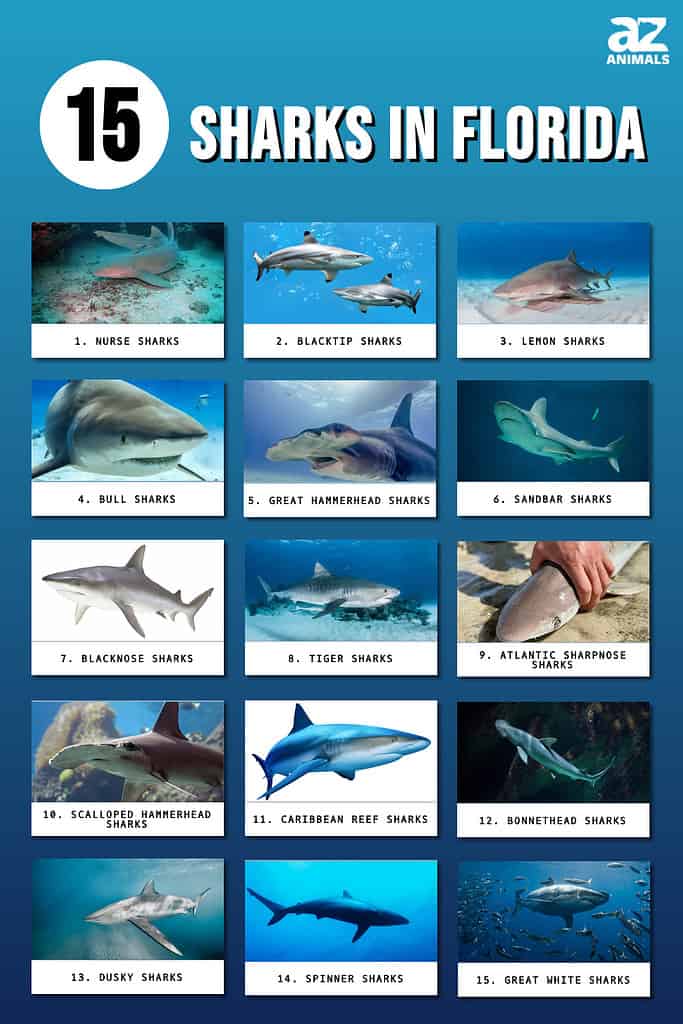
The answer is a resounding yes. Florida’s waters, from the vast expanse of the Atlantic Ocean to the Gulf of Mexico, are home to a diverse array of shark species. These apex predators play a vital role in maintaining the health and balance of marine environments, and their presence is a testament to the thriving biodiversity that characterizes this unique coastal region. Understanding their habitat, behavior, and the precautions that can be taken allows visitors and residents alike to coexist harmoniously with these magnificent creatures, enhancing rather than diminishing the Florida experience.
Understanding Florida’s Shark Population
The sheer variety of shark species found in Florida’s waters is impressive, reflecting the state’s geographical position at the confluence of different oceanographic currents and its extensive coastline, which spans over 1,350 miles. This diverse environment supports a wide range of shark life, from the smaller, more common species to larger, more elusive predators.
Common Shark Species in Florida Waters
Many of the sharks encountered are relatively harmless to humans, often feeding on fish and invertebrates. These include species that are frequently seen by divers, snorkelers, and even beachgoers.
Blacktip Sharks
Among the most commonly sighted sharks along Florida’s Atlantic coast, particularly during their annual migration, are Blacktip Sharks. These medium-sized sharks are known for their energetic behavior, often leaping out of the water as they feed on schools of fish. Their migration is a spectacular natural event, drawing wildlife enthusiasts to areas like Brevard County and the Florida Keys.
Spinner Sharks
Similar to blacktips, Spinner Sharks are named for their habit of leaping and spinning out of the water while feeding. They are often found in the same areas as blacktips and are a common sight during warmer months.
Lemon Sharks
These distinctive, blunt-nosed sharks are prevalent in shallow, tropical waters, often found near mangrove areas and coral reefs. Lemon Sharks are known for their social behavior and are often seen congregating in specific nursery grounds. They are a popular subject for marine research and educational programs.
Nurse Sharks
Easily recognizable by their barbels near their mouths, Nurse Sharks are benthic, meaning they live on the ocean floor. They are slow-moving and generally docile, often found resting on the seabed or in crevices. They are common in areas like Biscayne National Park and are frequently encountered by snorkelers and divers due to their often unbothered nature.
Tiger Sharks
One of the larger and more formidable species, Tiger Sharks are found in warmer waters worldwide, including Florida. They are known for their broad diet and distinctive striped markings when young. While less frequently encountered than smaller species, their presence is a significant aspect of Florida’s marine ecosystem.
Bull Sharks
Bull Sharks are notorious for their ability to tolerate freshwater, which allows them to venture far up rivers and into brackish estuaries, as well as inhabiting coastal waters. This makes them potentially more likely to be found closer to human activity in certain areas. They are robust, powerful sharks and are considered one of the more dangerous species.
Habitat and Distribution
Sharks in Florida inhabit a wide range of environments, from the shallow waters of bays and estuaries to the deeper offshore waters and coral reefs. Their distribution is influenced by factors such as water temperature, prey availability, and breeding grounds.
- Coastal and Estuarine Areas: Many species, including juvenile bull sharks and nurse sharks, prefer these warmer, shallower environments, which often provide abundant food sources and protection.
- Offshore Reefs: Deeper reefs, such as those found off Miami and the Florida Keys, are home to a variety of sharks, including larger species like Great Hammerheads and occasional visitors like Whale Sharks.
- Open Ocean: Pelagic species roam the open ocean, following migratory patterns of their prey.
Shark Encounters and Safety
While the presence of sharks is a natural and vital part of Florida’s marine ecosystem, it’s also a primary concern for beachgoers and water sports enthusiasts. Understanding the statistics and implementing safety measures can significantly mitigate risks.

Shark Bite Incidents in Florida
Florida consistently ranks as having the highest number of shark bite incidents globally. However, it’s crucial to interpret these statistics within their broader context. The vast majority of these incidents are not fatal and are often described as “hit-and-run” bites, where a shark may mistake a limb for its natural prey.
Understanding the Data
The high number of incidents is largely attributable to several factors:
- Extensive Coastline and Population: Florida has a very long coastline with a massive population of residents and tourists who engage in water activities. More people in the water naturally leads to more interactions with marine life.
- Popular Water Activities: Surfing, swimming, paddleboarding, and fishing are immensely popular in Florida, placing a large number of people in environments where sharks naturally forage.
- Abundant Prey: The rich waters off Florida attract large schools of baitfish, which in turn attract sharks.
Common Scenarios for Bites
Most shark bites occur in murky water, near sandbars or river mouths, and often involve individuals splashing or swimming at dawn or dusk, times when sharks are more actively feeding.
Safety Precautions for Beachgoers and Water Enthusiasts
Respecting the marine environment and adopting sensible precautions are key to enjoying Florida waters safely.
General Swimming and Beach Safety
- Swim Near Lifeguards: Lifeguards are trained to spot potential hazards and can provide advice on ocean conditions.
- Avoid Swimming at Dawn and Dusk: These are prime feeding times for many shark species.
- Stay Out of Murky Water: Poor visibility increases the chance of a mistaken identity bite.
- Avoid Swimming Alone: Groups are generally safer than individuals.
- Refrain from Excessive Splashing: Erratic movements can mimic distressed prey.
- Do Not Wear Shiny Jewelry: The glint can resemble fish scales.
- Stay Away from Fishing Piers and Areas Where People Are Cleaning Fish: Blood and fish scraps attract sharks.
- Exit the Water if You See Sharks: Report any sightings to lifeguards or authorities.
Surfing and Watersports Safety
- Surfers and Paddleboarders: These activities can sometimes resemble seals or other prey from a shark’s perspective. Staying aware of your surroundings is paramount.
- Avoid Surfing or Paddling in Areas Known for Baitfish: Follow local advice on where and when to engage in these activities.
Boating and Fishing Safety
- Avoid Areas Where People Are Fishing: As mentioned, discarded bait and fish can attract sharks.
- Be Cautious When Swimming or Entering the Water from a Boat: Especially in areas known for shark activity.
- Do Not Reel in Caught Fish Near Swimmers: This can attract sharks to the area.
Experiencing Florida’s Marine Life Responsibly
The presence of sharks in Florida is not a deterrent to experiencing its marine wonders; rather, it’s an invitation to engage with the natural world responsibly and with a sense of awe. Numerous opportunities exist to observe sharks and other marine life in their natural habitat, contributing to both education and conservation.
Opportunities for Marine Observation
- Shark Diving and Snorkeling Tours: Many operators in areas like the Florida Keys and Palm Beach offer guided tours to observe sharks in controlled environments. These tours often focus on specific species like nurse sharks or reef sharks and are conducted with strict safety protocols. Some tours even offer the chance to see larger species like bull sharks or tiger sharks in deeper waters, always with experienced guides.
- Aquariums and Marine Centers: For a more guaranteed and up-close experience without the risks, Florida boasts world-class aquariums such as the Florida Aquarium in Tampa and the Mote Marine Laboratory & Aquarium in Sarasota. These institutions provide invaluable insights into shark biology, behavior, and conservation efforts, offering educational exhibits and rescue programs.
- Wildlife Boat Tours: Many coastal communities offer boat tours focused on spotting marine life, including dolphins, manatees, and sometimes sharks in their natural environments. These tours often provide educational commentary from marine biologists or naturalists.
Conservation and Education
Understanding and appreciating sharks is crucial for their conservation. Many organizations in Florida are dedicated to shark research, public education, and advocating for policies that protect these vital predators. Visitors can support these efforts through donations, volunteering, or simply by educating themselves and others about the importance of healthy shark populations.
The Role of Sharks in Ecosystems
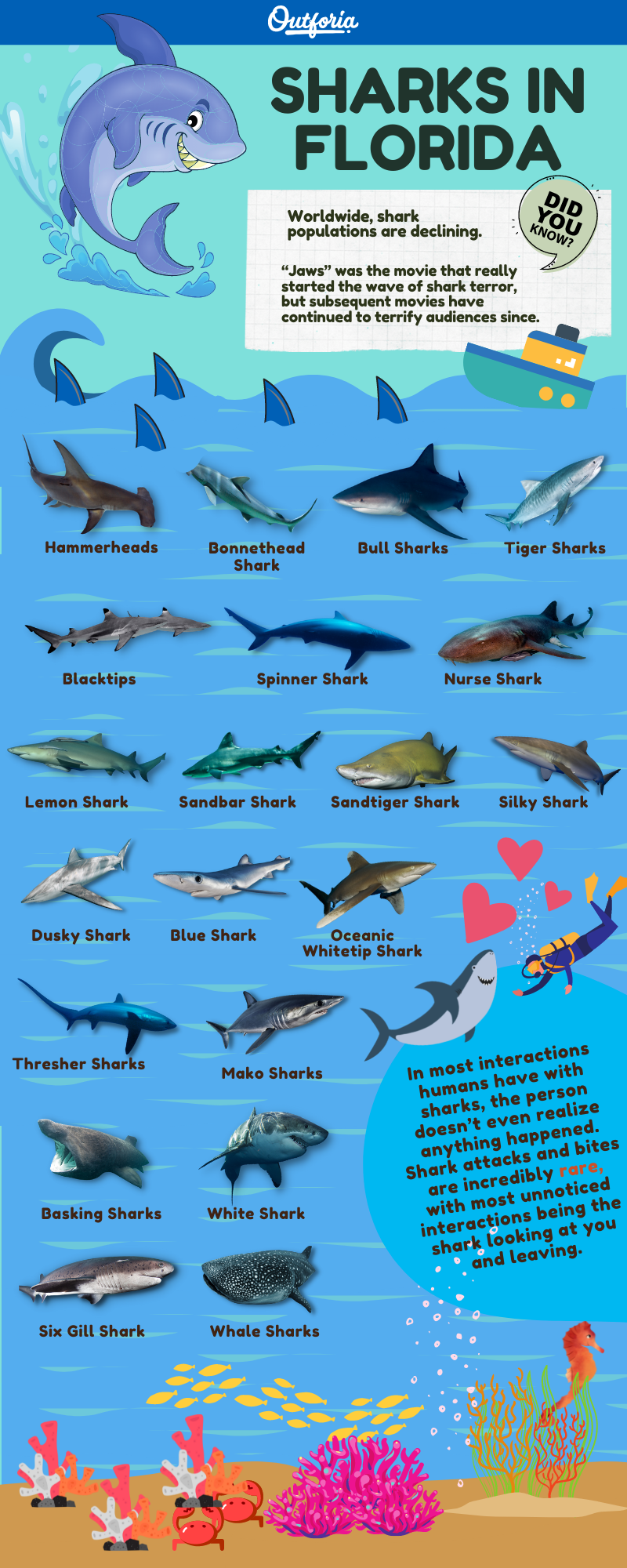
Sharks are apex predators that help maintain the balance of marine ecosystems by controlling populations of their prey. Their presence is an indicator of a healthy ocean. Efforts to protect sharks ultimately contribute to the health of the entire marine environment, which benefits countless other species and human activities like fishing and tourism.
By embracing a mindset of informed respect and responsible enjoyment, visitors and residents can fully appreciate the incredible marine biodiversity that Florida has to offer, including its most fascinating and sometimes misunderstood inhabitants. The question of whether there are sharks in Florida is not just an answer to a query, but an entry point into a deeper understanding and appreciation of its magnificent underwater world.
LifeOutOfTheBox is a participant in the Amazon Services LLC Associates Program, an affiliate advertising program designed to provide a means for sites to earn advertising fees by advertising and linking to Amazon.com. Amazon, the Amazon logo, AmazonSupply, and the AmazonSupply logo are trademarks of Amazon.com, Inc. or its affiliates. As an Amazon Associate we earn affiliate commissions from qualifying purchases.