
The question of how much police officers earn in one of the world’s most dynamic and expensive cities is a perennial point of interest. For many, a career in law enforcement, particularly in a high-profile department like the New York City Police Department (NYPD), conjures images of challenging work, significant responsibility, and, naturally, a corresponding salary. Understanding the compensation for NYPD officers requires a look beyond the base salary, encompassing a complex structure of pay grades, overtime, specialized assignments, and benefits that contribute to their overall financial well-being. This exploration delves into the various components that define a police officer’s earnings in New York City, offering insight into the financial realities of this vital public service.

The Foundation: Base Salary and Pay Grades
The journey of an NYPD officer begins with a structured pay scale that typically increases with years of service. New recruits enter at a starting salary, which, while modest compared to some other professions in the city, forms the bedrock of their earnings. This base salary is not static; it progressively rises as an officer gains experience and achieves certain service milestones. For instance, an officer might see their salary increase after their first year, then again at the five-year mark, and so forth, up to a maximum tenure.
Entry-Level Compensation
Upon graduation from the Police Academy, a probationary police officer’s salary is set by the prevailing union contract negotiated between the Police Benevolent Association (PBA) and the City of New York. While specific figures can fluctuate with contract renewals, entry-level salaries are designed to attract candidates while acknowledging the demanding nature of the role. This starting point, though lower than seasoned officers, is a critical stepping stone.
The Progression of Pay
As officers progress through the ranks and accumulate service time, their base salary sees consistent annual increases. This structured progression is a key feature of the NYPD’s compensation system, providing a predictable path for earning potential. The highest base salaries are reserved for officers with the longest tenure, reflecting their accumulated experience, institutional knowledge, and dedication to the force. These figures, often reaching six figures for senior officers, are the headline numbers that frequently circulate, but they represent only a part of the total compensation package.
Beyond the Base: Overtime and Special Assignments
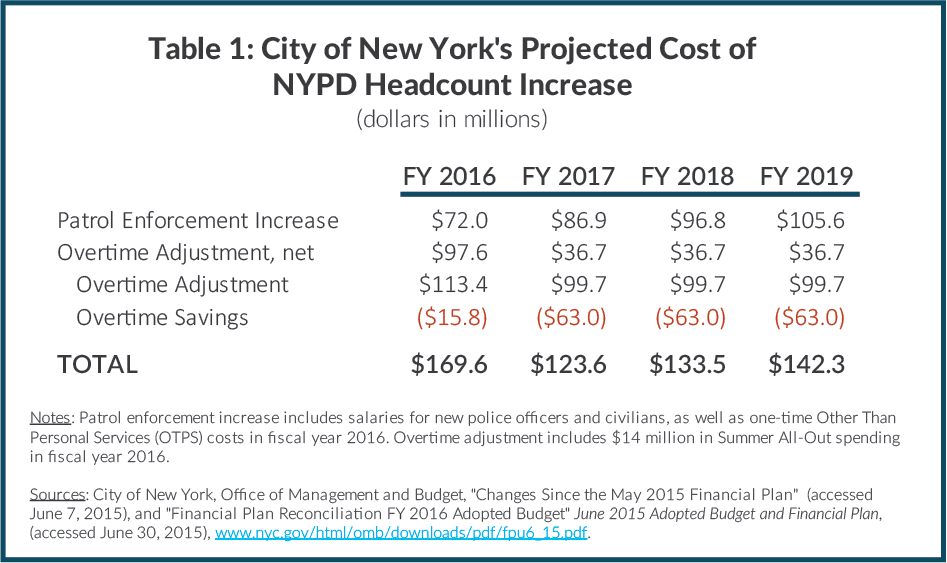
The nature of police work in a bustling metropolis like New York often necessitates work beyond scheduled shifts. Overtime is a significant component of many NYPD officers’ take-home pay, driven by the city’s high crime rate, special events, and emergency situations. Furthermore, specialized units and assignments can offer additional pay differentials, recognizing the unique skills and responsibilities involved.
The Impact of Overtime
Officers are often called upon to work extra hours for a variety of reasons. This can include responding to ongoing investigations, patrolling during high-risk periods, providing security for major public events, or filling in for absent colleagues. Overtime pay is typically calculated at a premium rate, meaning officers earn more per hour than their regular rate when working beyond their contracted hours. For many officers, particularly those in units with higher operational demands, overtime can substantially boost their annual income, sometimes even exceeding their base salary. The availability and necessity of overtime can vary significantly based on precinct, unit, and current departmental priorities.
Specialized Units and Pay Differentials
The NYPD is a vast organization with numerous specialized units, each requiring specific training and expertise. Officers assigned to units such as bomb squads, K-9, hostage negotiation, intelligence, or specialized task forces often receive additional pay for their specialized skills and the inherent risks associated with their duties. These pay differentials are incorporated into their overall compensation, reflecting the added value and challenges of their roles. Becoming part of a specialized unit is often a sought-after career progression, not only for the professional development but also for the financial incentives it provides.
The Full Picture: Benefits and Other Compensation
The compensation for an NYPD officer extends well beyond their direct pay. A comprehensive benefits package is an integral part of the overall compensation, providing financial security and well-being. These benefits can include robust health insurance, retirement plans, and various other allowances that contribute significantly to an officer’s financial standing and quality of life.
Health and Retirement
A cornerstone of any public service compensation package is health insurance. NYPD officers typically receive comprehensive health coverage for themselves and their dependents, significantly reducing out-of-pocket medical expenses. This benefit is invaluable in a city with high healthcare costs. Equally important is the retirement plan. The NYPD offers a pension system that provides a defined retirement income, a critical factor for long-term financial planning. The specifics of pension plans can vary, but they are generally designed to provide a secure and stable income stream after an officer retires, often after a substantial number of years of service.
Other Allowances and Perks
Beyond health and retirement, officers may be eligible for other allowances and perks. These can include uniform allowances, hazardous duty pay (in specific circumstances), longevity bonuses, and educational incentives for pursuing further degrees or certifications. While these may not always be as substantial as overtime or base salary increases, they cumulatively add to the overall value of the compensation package. Understanding these additional components is crucial for accurately assessing the total financial remuneration of an NYPD officer.
Factors Influencing Salary Variations
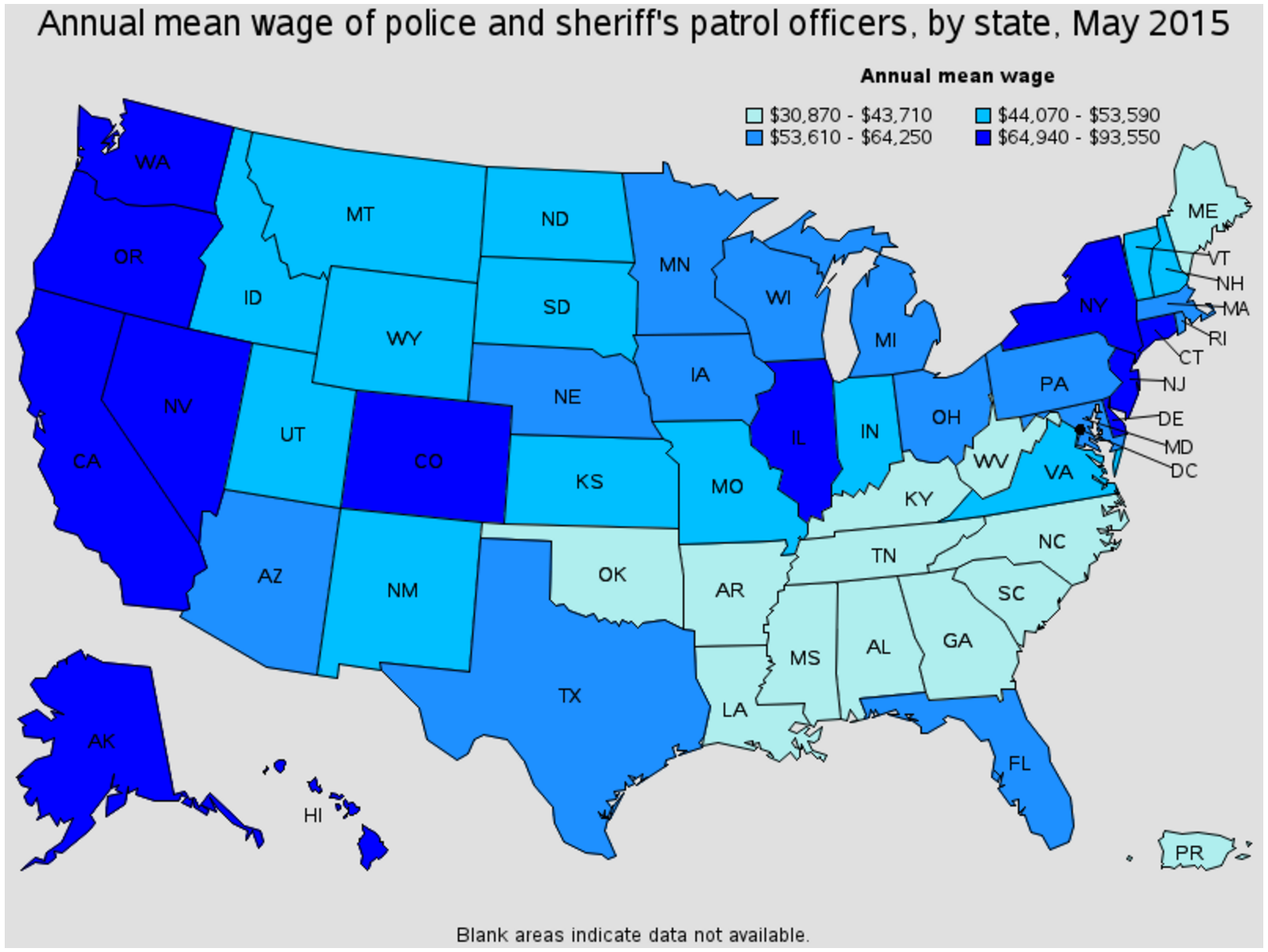
It is important to note that the figures discussed represent general compensation structures. Actual salaries for individual officers can vary based on several factors. These include the specific precinct or unit they are assigned to, their rank within the department, their years of service, and any disciplinary actions or commendations that might affect their pay progression. For instance, an officer working in a high-crime precinct might experience more overtime opportunities than one in a quieter area. Similarly, a detective or sergeant will earn more than a patrol officer at the same level of service due to rank and responsibilities. The dynamic nature of New York City’s operational landscape means that pay can be influenced by evolving demands on the police force.
Rank and Advancement
The NYPD employs a hierarchical structure, and advancement through the ranks is a significant factor in earning potential. Officers start as Police Officers and can progress to ranks such as Detective, Sergeant, Lieutenant, Captain, and beyond. Each promotion comes with a corresponding increase in base salary, reflecting greater responsibilities, leadership roles, and specialized duties. The journey from a probationary officer to a commanding officer involves years of dedication, performance, and often further training and examinations.
Geographical and Unit-Specific Differences
While the NYPD operates as a unified department, there can be subtle differences in pay and opportunity based on assignment. For example, officers working in highly specialized units or in precincts facing unique challenges might see different overtime patterns or receive specific hazard pay. The cost of living in different boroughs of New York City also plays a role in how salary is perceived. Although the base salary is uniform across the department, the purchasing power of that salary can vary.
In conclusion, understanding how much New York cops make involves looking at a multifaceted compensation system. The base salary, augmented by overtime, specialized assignment pay, and a robust benefits package including health insurance and pension, paints a comprehensive picture of the financial rewards for serving in one of the world’s most demanding law enforcement roles. While the figures represent a significant commitment from the City of New York, they are reflective of the immense responsibility and critical service provided by its police officers in safeguarding its residents and visitors.
LifeOutOfTheBox is a participant in the Amazon Services LLC Associates Program, an affiliate advertising program designed to provide a means for sites to earn advertising fees by advertising and linking to Amazon.com. Amazon, the Amazon logo, AmazonSupply, and the AmazonSupply logo are trademarks of Amazon.com, Inc. or its affiliates. As an Amazon Associate we earn affiliate commissions from qualifying purchases.