
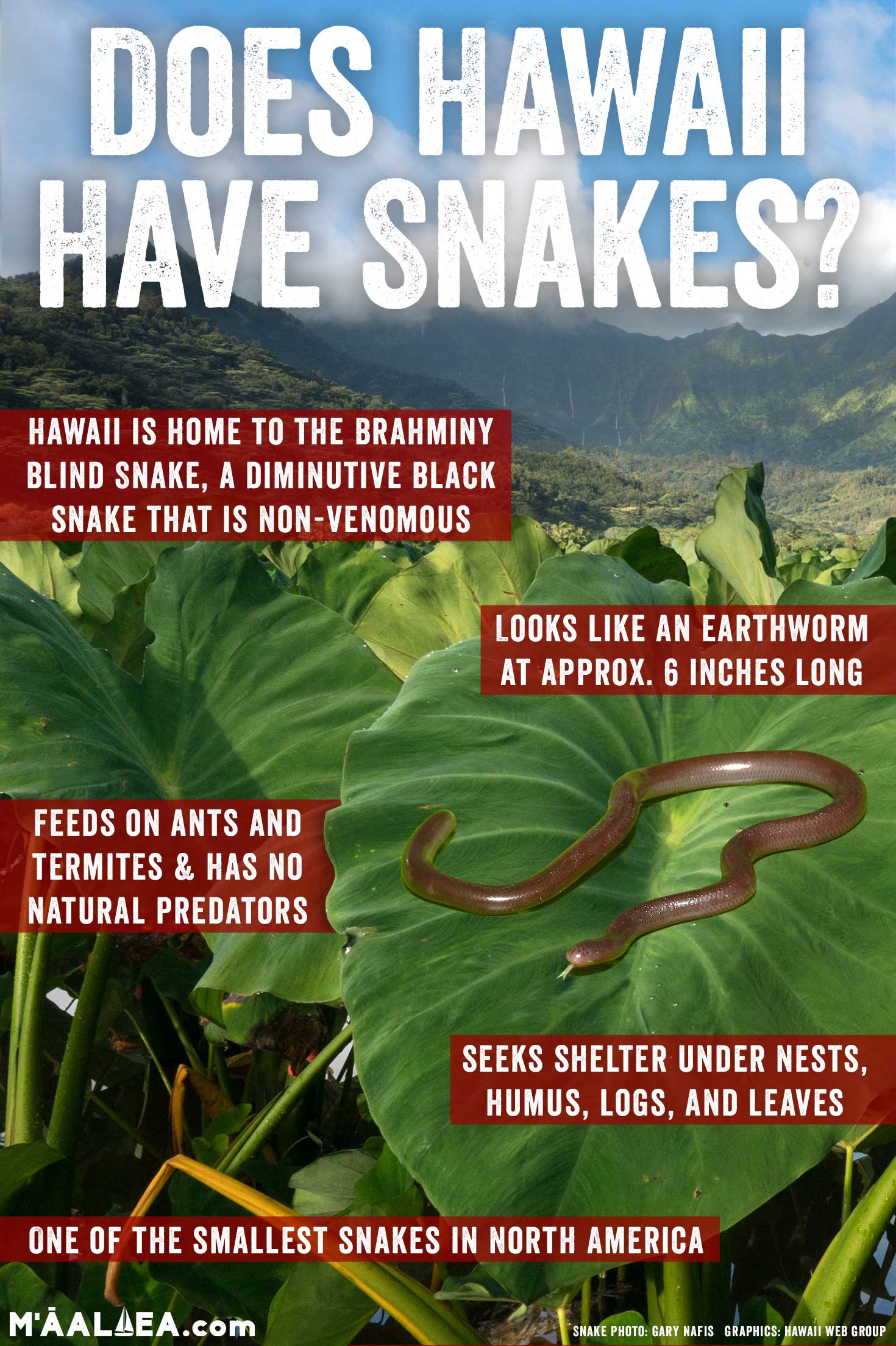
For many prospective travelers planning their dream escape to the verdant, sun-drenched shores of Hawaii, a crucial question often arises, perhaps stemming from a primal fear or simply a desire for clarity: “Are there snakes in Hawaii?” The answer, delightfully for most, is a resounding and emphatic no, with only a handful of extremely rare and usually contained exceptions. This unique ecological reality is a cornerstone of the Hawaiian Islands’ appeal, setting them apart as a truly special destination for travel and tourism.
Imagine stepping onto powdery white sands, hiking through lush rainforests, or exploring volcanic landscapes without the lingering thought of an unexpected slithery encounter. This peace of mind is a significant draw for families, nature enthusiasts, and anyone seeking an unburdened connection with nature. This article delves into why Hawaii remains largely snake-free, what this means for visitors, and how this contributes to the islands’ reputation as an unparalleled travel destination. We’ll explore Hawaii’s fascinating biodiversity, the diligent efforts to maintain its unique ecological balance, and how this shapes the overall lifestyle and experience of visiting this paradise.
The Ecological Truth: A Snake-Free Paradise
The absence of snakes in Hawaii is not a mere accident but a testament to its isolated evolutionary history and stringent biosecurity measures. The Hawaiian Islands, situated over 2,000 miles from the nearest continental landmass, are among the most geographically isolated places on Earth. This isolation meant that only species capable of making the arduous journey across the Pacific Ocean – carried by winds, ocean currents, or migratory birds – could naturally colonize the islands. Snakes, being terrestrial creatures, were simply not among them.
Hawaii’s Unique Ecosystem and Biodiversity
This unique evolutionary path led to the development of an incredibly specialized and fragile ecosystem, teeming with endemic species found nowhere else on Earth. In the absence of natural predators like snakes, Hawaii’s native bird populations, insects, and other small animals evolved without the defenses needed to cope with such threats. The ecological niches that snakes typically fill in other parts of the world are instead occupied by a fascinating array of other creatures. For instance, small reptiles like the ubiquitous gecko and the occasional chameleon are common sights, charmingly scurrying across walls and leaves. These creatures are harmless and contribute to the islands’ vibrant insect control, showcasing a perfectly balanced food web that has functioned for millennia.
The lack of snakes contributes significantly to Hawaii’s allure as a nature-based travel destination. Travelers can hike through the lush Na Pali Coast on Kauai, explore the volcanic landscapes of Hawaii Volcanoes National Park on the Big Island, or wander through the botanical gardens of Maui with an inherent sense of safety. This makes Hawaii an ideal destination for adventure travelers and families alike, allowing for uninhibited exploration and immersive experiences with its natural beauty. The ability to truly relax and enjoy the outdoor environment, whether it’s a stroll through a resort garden or a challenging hike, is a luxury that few other destinations can offer to the same degree.
The Battle Against Invasive Species
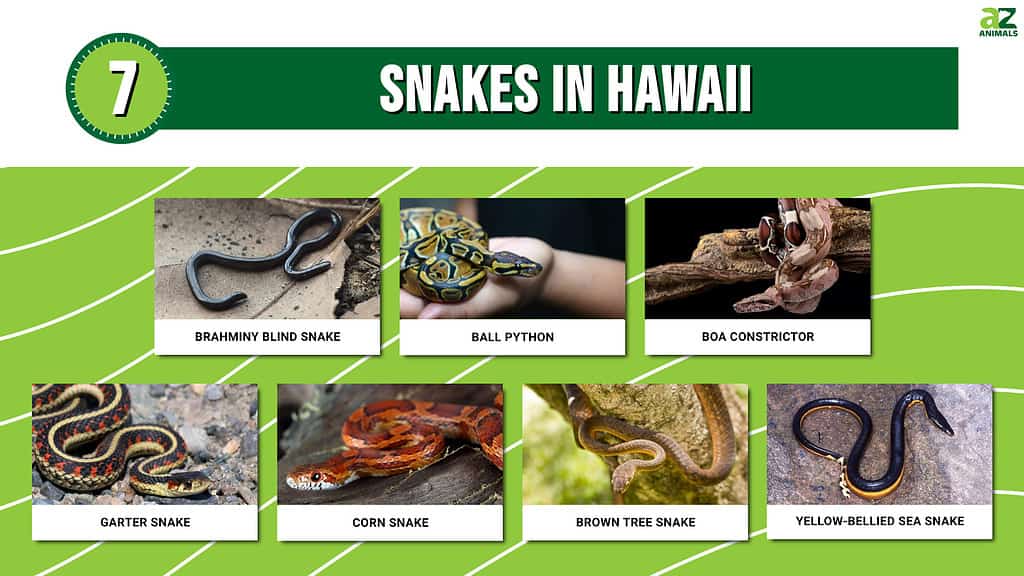
Maintaining this snake-free status is an ongoing and rigorous endeavor for the state of Hawaii. The potential introduction of invasive snake species, particularly the brown tree snake ( Boiga irregularis ), which decimated bird populations on Guam, poses an existential threat to Hawaii’s unique ecosystem. If the brown tree snake were to establish itself in Hawaii, it could wreak havoc on the native bird species, many of which are already endangered, and severely impact the islands’ delicate ecological balance.
Consequently, Hawaii maintains some of the strictest biosecurity regulations in the world. All incoming cargo, particularly from areas where snakes are prevalent, is meticulously inspected. Airports and seaports, including major hubs like Daniel K. Inouye International Airport in Honolulu and other ports across the islands, have dedicated teams and even specially trained sniffer dogs to detect any unauthorized animal stowaways. Public awareness campaigns also educate residents and visitors about the dangers of illegal animal importation and the importance of reporting any snake sightings. This collective vigilance underscores Hawaii’s commitment to preserving its natural heritage and, by extension, its appeal as a premier tourism destination where the unique native wildlife can thrive. The state’s proactive stance on environmental protection directly enhances the visitor experience, offering a glimpse into a world where ecological harmony is prioritized.
What You Will Encounter: Hawaii’s Indigenous and Introduced Wildlife
While snakes are conspicuously absent, Hawaii is far from devoid of interesting creatures. In fact, its biodiversity, both indigenous and introduced, is a significant part of what makes the islands such a captivating destination. Understanding what wildlife you can expect to see will further enrich your Hawaiian travel experience.
From Geckos to Nene: Hawaii’s Reptiles and Birds
On land, the most commonly encountered reptiles are indeed the various species of geckos, which are harmless and often provide amusing moments as they dart across walls or ceilings in hotels and resorts. They are a natural part of the tropical environment and are even beneficial, as they prey on insects. You might also spot an occasional chameleon or other small lizards, all introduced species that have integrated into the ecosystem without posing a threat to human visitors.
Birds, on the other hand, are a highlight for many visitors. Hawaii is home to the nene, or Hawaiian goose, the state bird and an endangered species. Birdwatchers can seek out colorful honeycreepers in the upland forests, or observe seabirds nesting along coastal cliffs. The distinctive calls of introduced species like the common mynah bird and the red-crested cardinal add to the ambient sounds of paradise. The absence of snakes means that these bird populations, particularly the ground-nesting species, face one less major predator, contributing to the richness of Hawaii’s avian biodiversity. This unique aspect enriches the travel experience, especially for those interested in ecological tourism and appreciating the rare wonders of nature. Many accommodations, from boutique hotels to sprawling resorts, embrace this natural beauty with lush landscaping designed to attract local birdlife, offering guests a tranquil, immersive environment.
The Marine Marvels: Underwater Encounters
Beneath the waves, Hawaii’s wildlife truly flourishes. The crystal-clear waters surrounding the islands are a vibrant kaleidoscope of marine life, offering unparalleled snorkeling, diving, and wildlife-watching experiences. You’ll encounter colorful reef fish, graceful sea turtles ( Honu ), and during the winter months, majestic humpback whales. Spinner dolphins are often seen playing in bays, and even the occasional monk seal might be spotted lounging on a secluded beach.
While technically not snakes, there are some species of eels, such as moray eels, that inhabit the reef ecosystems. These creatures are part of the natural marine environment and, like most wildlife, are best observed from a respectful distance. For travelers seeking aquatic adventures, Hawaii’s marine parks and protected areas, such as the waters around Molokini Crater off Maui or Hanauma Bay on Oahu, are world-renowned attractions. These landmarks not only offer incredible viewing opportunities but also emphasize Hawaii’s commitment to marine conservation, aligning perfectly with sustainable tourism practices and an eco-conscious lifestyle. Many resorts and hotels offer direct access to these pristine waters and arrange guided tours, making it easy for guests to immerse themselves in Hawaii’s spectacular underwater world.
Traveling to Hawaii: Peace of Mind and Pristine Nature
The absence of snakes, combined with the island chain’s strict biosecurity protocols, significantly contributes to the overall sense of safety and serenity that defines a Hawaiian vacation. This unique aspect impacts every facet of the travel experience, from the choice of destination to the type of activities visitors engage in.
Planning Your Hawaii Getaway: Safety and Serenity
When planning a trip to Hawaii, the peace of mind derived from its snake-free environment is a subtle yet powerful draw. For families with young children, or individuals with ophidiophobia (fear of snakes), Hawaii offers a rare sanctuary. This allows for carefree exploration of the islands’ natural wonders, from the lush trails of Waimea Canyon on Kauai to the tranquil botanical gardens on Oahu, without a common concern that might plague travelers in other tropical regions. Guides to Hawaii often highlight this unique feature as part of the overall appeal, emphasizing a carefree and immersive engagement with nature.
The broader tourism infrastructure in Hawaii is built around showcasing its pristine natural beauty. Many attractions are outdoors, encouraging hikers, surfers, and snorkelers to fully embrace the environment. Famous landmarks like Diamond Head and the Road to Hana are explored with an added layer of comfort, knowing that encounters with venomous reptiles are simply not a concern. This contributes to a high-quality lifestyle experience, whether one is seeking luxury travel or a budget-friendly adventure. The focus shifts entirely to appreciating the panoramic views, the vibrant flora, and the melodic sounds of the tropical wildlife.
Accommodation and Amenities: Enjoying Your Stay in Paradise
The snake-free environment also subtly enhances the experience within Hawaiian hotels and resorts. Guests can confidently stroll through lush resort gardens, dine al fresco on patios, or relax by infinity pools surrounded by tropical foliage without apprehension. Accommodation options across the islands, from opulent suites at properties like the Four Seasons Resort Maui at Wailea or the historic The Royal Hawaiian in Waikiki to cozy vacation apartments and villas, leverage the open-air design that complements Hawaii’s climate and natural setting.
Imagine enjoying a poolside cocktail at the Grand Hyatt Kauai Resort & Spa or a private balcony overlooking the Pacific Ocean without a care in the world. The design often blurs the lines between indoor and outdoor living, a luxury made possible by the absence of major terrestrial threats. Hotels can offer amenities like outdoor showers, private garden lanais, and rooms with direct access to natural landscapes, enhancing the overall sense of tranquility and connection to the environment. This aspect contributes significantly to booking decisions for many, as it promises not just a beautiful place to stay, but a truly undisturbed paradise. Reviews often highlight the feeling of safety and seamless integration with nature that Hawaiian accommodations provide, making them ideal for everything from family trips to romantic honeymoons and business stays where a peaceful environment is cherished.
Preserving Paradise: How Visitors Can Help
The unique ecological status of Hawaii is a gift, and its preservation is a shared responsibility. As visitors, understanding and contributing to these efforts ensures that this snake-free paradise, and its myriad other natural wonders, can be enjoyed by generations to come. This commitment to conservation is integral to the tourism lifestyle and the very essence of the islands’ appeal.
Responsible Tourism and Environmental Stewardship
Responsible tourism in Hawaii extends beyond just adhering to biosecurity checks. It encompasses a broader commitment to environmental stewardship. Visitors are encouraged to “malama aina” – care for the land – a core tenet of Hawaiian culture. This means staying on marked trails, not disturbing wildlife or delicate ecosystems, properly disposing of trash, and choosing eco-friendly tours and operators. Supporting local businesses that prioritize sustainability also plays a vital role.
Understanding the threat of invasive species, including but not limited to snakes, is key. Never attempt to transport plants or animals illegally, and always declare agricultural items upon arrival. These simple actions directly contribute to safeguarding Hawaii’s fragile biodiversity and its appeal as a pristine natural destination. Travel guides and local tourism information consistently emphasize these tips to ensure that the delicate balance that defines Hawaii is maintained. From the famous beaches of Waikiki to the remote vistas near Kilauea Volcano, every landmark and attraction benefits from conscientious visitors.
Embracing the Spirit of Aloha
The spirit of Aloha is more than just a greeting; it’s a way of life that embodies love, peace, compassion, and respect for the land and its people. For visitors, embracing Aloha means appreciating the unique culture, traditions, and natural wonders of Hawaii. It means savoring the local food, participating in cultural activities, and treating the islands as a precious resource.
The fact that Hawaii is largely snake-free is a powerful example of how isolation and concerted conservation efforts can preserve a unique ecological niche. This allows for a distinctive kind of travel experience – one filled with unparalleled natural beauty, vibrant wildlife, and a profound sense of peace. From the comfort of your chosen accommodation – be it a five-star resort on Maui or a charming apartment in Honolulu – to venturing out to explore iconic landmarks like Mauna Kea or Pearl Harbor, the absence of snakes contributes to an atmosphere of unadulterated relaxation and immersion. This island chain offers not just a vacation, but a holistic lifestyle experience where nature’s harmony is front and center, inviting every traveler to become a part of its ongoing story of preservation and wonder. So, rest assured, when you embark on your Hawaiian adventure, you can leave your snake worries far behind and simply soak in the enchantment of this extraordinary paradise.
LifeOutOfTheBox is a participant in the Amazon Services LLC Associates Program, an affiliate advertising program designed to provide a means for sites to earn advertising fees by advertising and linking to Amazon.com. Amazon, the Amazon logo, AmazonSupply, and the AmazonSupply logo are trademarks of Amazon.com, Inc. or its affiliates. As an Amazon Associate we earn affiliate commissions from qualifying purchases.