
San Francisco, a gem on California’s northern coast, is renowned for its iconic landmarks, vibrant culture, and unparalleled dining experiences. Yet, among its many distinguishing features, one stands out with particular charm and frequent discussion: its weather. Far from the stereotypical sunny California climate, San Francisco boasts a unique, often surprising meteorological personality that shapes everything from wardrobe choices to daily itineraries for both residents and visitors alike. Understanding the nuances of San Francisco’s climate is not just about packing the right layers; it’s about unlocking the secrets to a truly unforgettable travel experience, allowing you to maximize your enjoyment of its many attractions and local lifestyle.

For travelers planning their next adventure, knowledge of the local weather is paramount. Whether you’re dreaming of a leisurely stroll across the Golden Gate Bridge, exploring the bustling energy of Fisherman’s Wharf, or embarking on a ferry to Alcatraz Island, the weather will inevitably influence your plans. This guide delves deep into the climatic patterns of San Francisco, offering insights into its famous fog, distinct seasonal variations, and the fascinating microclimates that make this city so dynamically unpredictable yet utterly captivating. From choosing the ideal time for your visit to preparing your packing list, we’ll equip you with all the essential weather-related wisdom to ensure your trip is nothing short of spectacular.
Understanding San Francisco’s Unique Climate
The weather in San Francisco is, in a word, unique. Unlike much of California, which basks in consistent sunshine, San Francisco maintains a remarkably mild year-round temperature, rarely experiencing extreme heat or cold. This temperate climate is largely thanks to its location on a peninsula, surrounded by the Pacific Ocean on three sides and the expansive San Francisco Bay to its east. The interplay between the cold Pacific Ocean currents and the warmer inland valleys creates a meteorological phenomenon that defines the city’s atmospheric character: fog.
The Famous Fog: A San Francisco Icon
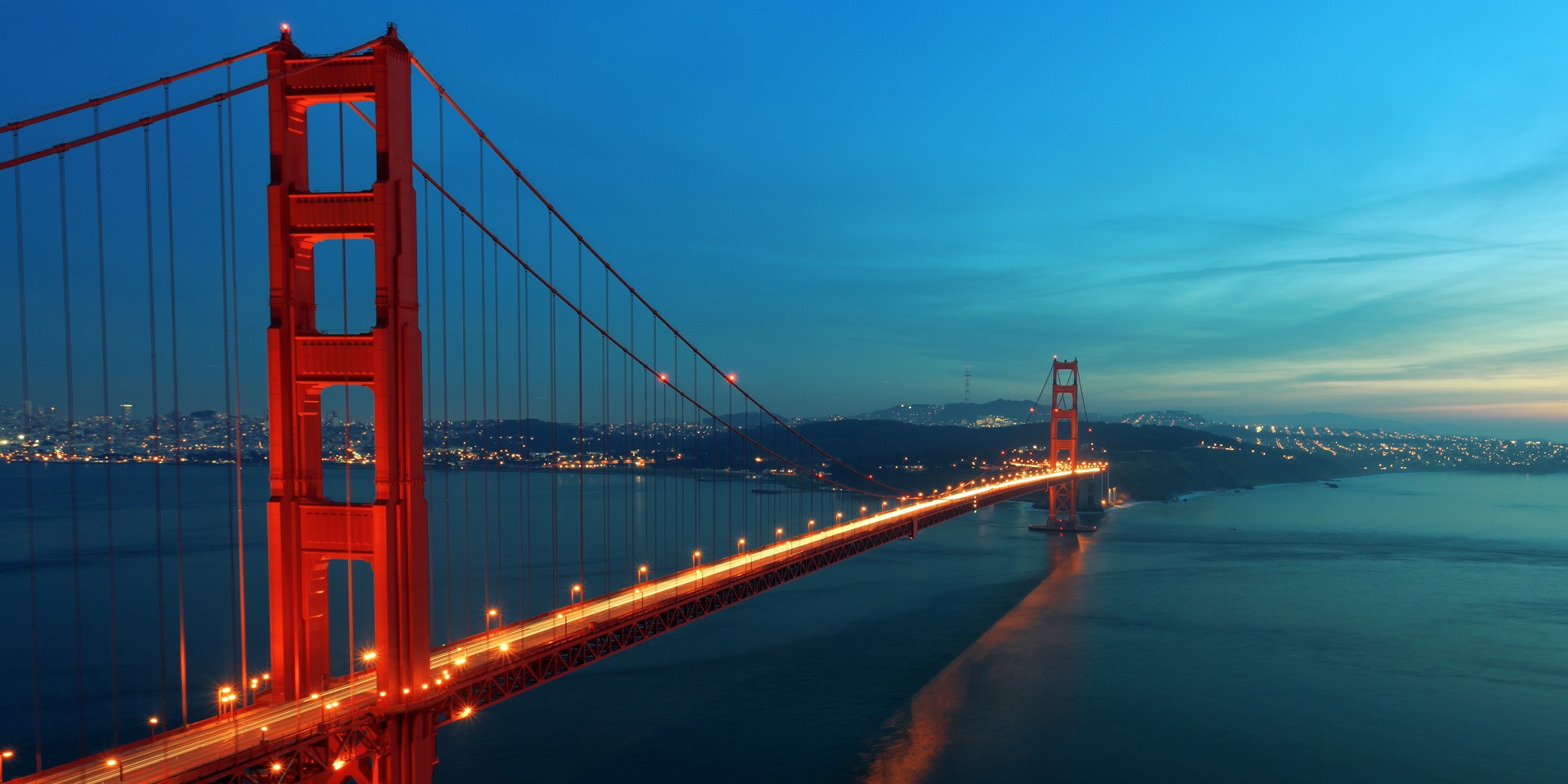
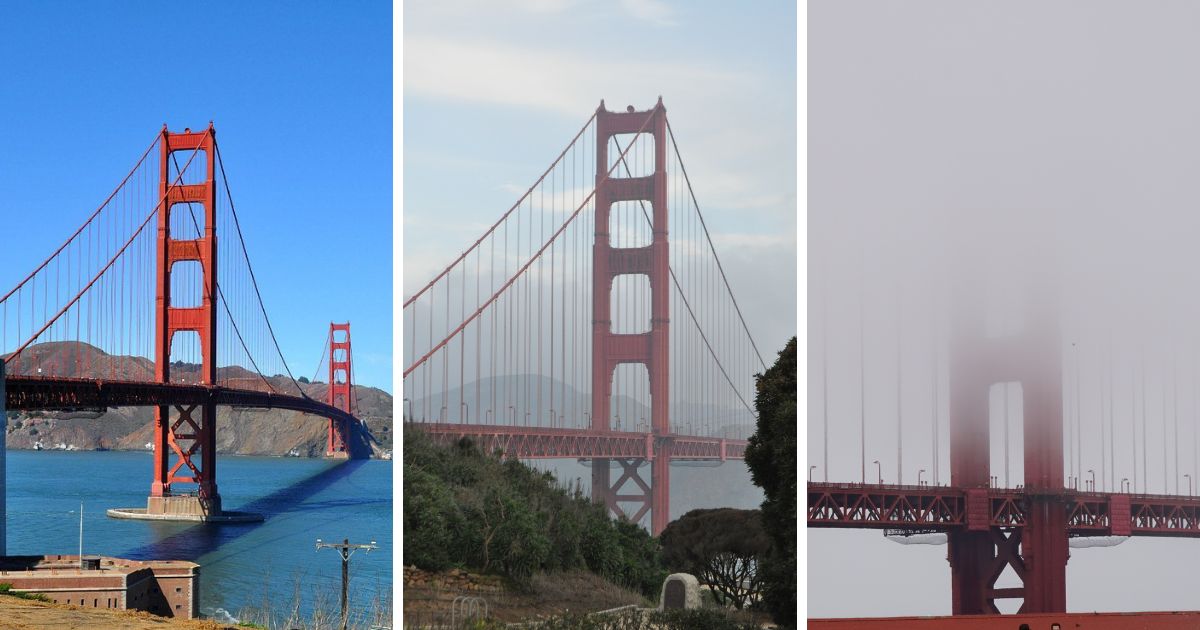
Often personified as “Karl the Fog” by locals, the fog is not just a weather condition; it’s an intrinsic part of San Francisco’s identity. This low-lying cloud cover typically rolls in during the late afternoon or evening, often blanketing the city in a cool, ethereal mist, especially during the summer months. It acts as a natural air conditioner, keeping temperatures moderate even when other parts of California swelter. The fog can dramatically transform the city’s landscape, offering breathtaking, often moody, vistas of landmarks like the Golden Gate Bridge peeking through the clouds or the Twin Peaks emerging from a misty shroud.
While beautiful, the fog also means that even on a seemingly sunny day, conditions can shift rapidly. A morning might start with clear skies, only for the fog to make its grand entrance by lunchtime, dropping temperatures by several degrees. This unpredictable nature necessitates a flexible approach to sightseeing and, crucially, a smart packing strategy focused on layers. For many, the fog adds to the city’s allure, creating a romantic and mysterious ambiance that defines the true San Francisco experience. Embracing it is part of the adventure, offering unique photographic opportunities and a distinctive atmosphere found nowhere else in America.
Navigating San Francisco’s Microclimates
Perhaps one of the most fascinating aspects of San Francisco’s weather is its pronounced microclimates. Due to its hilly topography and proximity to the Pacific Ocean and San Francisco Bay, different neighborhoods within the city can experience entirely different weather conditions simultaneously. It’s not uncommon for one area to be bathed in sunshine while another, just a few miles away, is enveloped in dense fog or experiencing significantly cooler temperatures.
For instance, the western neighborhoods closer to the Pacific Ocean, such as the Sunset District or Richmond District, often bear the brunt of the fog and cool ocean breezes. Meanwhile, the eastern and southeastern parts of the city, like the Mission District, tend to be warmer and sunnier, often escaping the fog’s reach. Downtown and the Financial District can be a mix, experiencing cooler temperatures and fog in the mornings but often clearing up to pleasant afternoons. Even specific landmarks like Lands End or Golden Gate Park can feel dramatically different from areas inland.
Understanding these microclimates is crucial for travelers. If your morning plans for a beach walk at Ocean Beach are thwarted by fog, a quick Cable Car ride or taxi to the Mission District might land you in glorious sunshine. This phenomenon adds another layer of spontaneity and adventure to your visit, allowing you to chase the sun or embrace the mist as your mood dictates. It also means that hotels situated in different parts of the city can offer varying atmospheric experiences; a hotel near Union Square might offer more consistent clear skies than one closer to the coast, influencing decisions for those prioritizing sun exposure or particular views.
Seasonal Breakdown: What to Expect Year-Round
While San Francisco’s climate is consistently mild, each season offers distinct characteristics that can influence your travel plans. From the blooming vibrancy of spring to the surprising warmth of autumn, here’s what you can expect throughout the year.
Spring’s Gentle Embrace (March – May)
Spring in San Francisco is characterized by generally pleasant and increasingly clear weather. The notorious summer fog begins to dissipate, giving way to more sunny days, particularly later in the season. Temperatures typically range from the low 50s to upper 60s Fahrenheit (10-20°C). Rainfall decreases as the season progresses, making it an excellent time for outdoor activities.
- Travel & Tourism: Spring is ideal for exploring the city’s numerous parks and gardens, such as Golden Gate Park or the Presidio, which burst with color. It’s also a fantastic time for boat tours to Alcatraz Island or cruises under the Golden Gate Bridge, as visibility tends to be good. Cultural events and street festivals start to pick up, offering a taste of local life.
- Accommodation: Hotels and resorts may see moderate demand, making it a good window for finding deals compared to peak summer or fall seasons. Look for accommodations with outdoor spaces to enjoy the mild evenings.
- Packing: Layers are still key, but you might find yourself shedding heavier jackets by midday. Bring light sweaters, long-sleeved shirts, and a medium-weight jacket.
Summer’s Surprising Chill (June – August)
Counter-intuitively, San Francisco summers are famously cool and foggy, earning it the moniker “the coolest summer city in America.” This is when the fog is at its most prevalent and persistent, often blanketing the city for days. Daytime temperatures average in the mid-50s to mid-60s Fahrenheit (13-18°C), rarely climbing higher. Clear, sunny days are often called “fog-free days” and are cherished.
- Travel & Tourism: While the weather can be chilly, summer is still peak tourist season. Visitors flock to indoor attractions like the California Academy of Sciences, the Exploratorium, or the city’s many museums (e.g., De Young Museum, Asian Art Museum, Legion of Honor). Exploring warmer neighborhoods like the Mission District for its vibrant murals and food scene is a popular strategy. Outdoor activities might be best enjoyed inland or across the Golden Gate Bridge in places like Sausalito or Muir Woods National Monument, which often experience more sunshine.
- Accommodation: Expect higher prices and limited availability for hotels, suites, and apartments. Booking well in advance is highly recommended. Many hotels offer cozy amenities like fireplaces or indoor pools to compensate for the cooler evenings.
- Packing: This is when you’ll truly appreciate layers. Think warm sweaters, a windproof and water-resistant jacket, scarves, and even hats. Don’t be fooled by the calendar date – it’s often colder than you’d expect.
Autumn’s Golden Glow (September – November)
Many locals will tell you that autumn is San Francisco’s best-kept weather secret, often referred to as “Indian Summer.” The fog significantly recedes, and the city experiences its warmest, clearest, and sunniest days of the year. Temperatures comfortably range from the mid-60s to low 70s Fahrenheit (18-22°C), providing perfect conditions for outdoor exploration.
- Travel & Tourism: This is arguably the absolute best time to visit for outdoor enthusiasts. Enjoy spectacular views from Twin Peaks, walk or bike across the Golden Gate Bridge, or relax on one of the city’s often chilly beaches, now pleasant and inviting. Dining al fresco is a joy, and the surrounding wine regions like Napa Valley and Sonoma Valley are also beautiful for day trips. Festivals and cultural events continue, taking full advantage of the improved weather.
- Accommodation: Demand remains high, particularly in September and October, so booking early is still advisable. Many luxury hotels and resorts highlight their clear views during this season.
- Packing: You can pack lighter than in summer, but layers are still advisable for cooler mornings and evenings. A light jacket or sweater will usually suffice, along with t-shirts and lighter clothing for daytime.
Winter’s Mild Charm (December – February)
San Francisco winters are mild compared to most of America, characterized by cooler temperatures and more frequent rainfall. Snow is an extremely rare occurrence. Temperatures generally hover in the mid-40s to mid-50s Fahrenheit (7-13°C). While it’s the rainy season, precipitation often comes in bursts, leaving plenty of clear, crisp days between showers.
- Travel & Tourism: Winter offers a quieter side of San Francisco with fewer crowds, particularly after the holiday season. It’s an excellent time for indoor attractions, museum hopping, exploring the diverse culinary scene, and enjoying cozy cafes. Holiday decorations transform areas like Union Square into a festive wonderland. The occasional clear winter day can offer stunning, dramatic views of the city.
- Accommodation: This is typically the off-peak season, making it easier to find better deals on hotels, suites, and apartments. It’s an ideal time for budget travelers or those looking for longer-term stays at more competitive prices.
- Packing: A waterproof jacket or umbrella is essential. Warm sweaters, long pants, and comfortable walking shoes are also highly recommended. Layers are still useful, as temperatures can fluctuate.
Planning Your Trip: Weather-Wise Activities & Packing
Successfully navigating San Francisco’s weather boils down to smart planning and adaptability. The city’s unique climate dictates that a flexible mindset, coupled with strategic packing, will enhance your experience, allowing you to fully immerse yourself in its diverse offerings, irrespective of the prevailing atmospheric conditions. From choosing your ideal travel time to understanding how the weather interacts with different landmarks, a little forethought goes a long way.
Choosing Your Ideal Travel Time
Your “best” time to visit San Francisco heavily depends on your priorities and what you wish to experience.
- For Sunshine & Outdoor Activities: Aim for September and October. These months offer the warmest temperatures and the clearest skies, perfect for biking the Golden Gate Bridge to Sausalito, hiking in the Presidio, or enjoying boat tours.
- For Mild Weather & Fewer Crowds: Spring (March-May) is an excellent choice. You’ll find pleasant temperatures, fewer tourists than in summer, and the city’s gardens in bloom.
- For Budget Travel & Cozy Experiences: Winter (December-February), excluding the immediate holiday period, often brings lower accommodation prices and a chance to enjoy the city’s indoor attractions, renowned restaurants, and vibrant arts scene without the bustling crowds.
- If You Love the Fog & Iconic Views: Summer (June-August) might be surprisingly appealing. While cool, the dramatic fog creates incredible photographic opportunities and a unique, atmospheric backdrop for exploring landmarks like Coit Tower or Pier 39. Just be prepared for the chill!
Packing Essentials for Every Season
Regardless of when you visit, the mantra for packing for San Francisco is LAYERS. Even on a seemingly warm day, the temperatures can drop quickly, especially as you move from one microclimate to another or as the evening approaches.
- Year-Round Basics:
- Light T-shirts/Base Layers: For warmer indoor settings or as a comfortable foundation.
- Sweaters/Fleece: Essential for warmth.
- Medium-Weight Jacket: A windbreaker or a waterproof shell is highly recommended, especially one that offers some insulation.
- Comfortable Walking Shoes: You’ll do a lot of walking up and down hills!
- Scarf: Great for added warmth and style.
- Summer Specifics: Don’t forget a warm jacket, even in July. Many visitors are caught off guard by the cool summer temperatures.
- Winter Specifics: A truly waterproof and windproof outer layer, along with an umbrella, will be your best friends.
- Accessories: Sunglasses are useful year-round for those bright, clear days, and a reusable water bottle is always a good idea.
Weather’s Impact on Iconic Landmarks and Activities
The weather in San Francisco doesn’t just dictate what you wear; it profoundly influences how you experience the city’s famous attractions.
- Golden Gate Bridge: While stunning in sunshine, the bridge shrouded in fog is an iconic image. Check webcams before heading out if clear views are your priority. Fog can obscure views entirely, but also creates dramatic, ethereal scenes.
- Alcatraz Island: Tours to Alcatraz run rain or shine, but dressing warmly is always advisable as it can be windy and chilly on the island and ferry, even on a sunny city day.
- Cable Cars: Riding the Cable Cars is an open-air experience. On a sunny day, it’s exhilarating. On a foggy or chilly day, bundle up to truly enjoy the ride without shivering.
- Outdoor Dining & Breweries: Many areas, particularly the sunnier Mission District or parts of North Beach and Chinatown, offer heated outdoor patios. In autumn, clear skies make al fresco dining a popular choice near the Ferry Building Marketplace.
- Parks and Beaches: Golden Gate Park is delightful in spring and autumn. Beaches like Ocean Beach are rarely warm enough for sunbathing but are perfect for long walks, especially when the fog lifts, providing breathtaking Pacific Ocean views. For warmer beach days, consider a drive north to Stinson Beach.
In essence, San Francisco’s weather is part of its charm and character. It’s an unpredictable companion that adds layers (both literal and figurative) to your travel narrative. By understanding its patterns and preparing accordingly, you won’t just visit San Francisco; you’ll truly experience it, embracing every cool breeze, misty morning, and glorious, sun-drenched afternoon. So pack smart, stay flexible, and prepare to fall in love with the city by the bay, whatever the weather brings.
LifeOutOfTheBox is a participant in the Amazon Services LLC Associates Program, an affiliate advertising program designed to provide a means for sites to earn advertising fees by advertising and linking to Amazon.com. Amazon, the Amazon logo, AmazonSupply, and the AmazonSupply logo are trademarks of Amazon.com, Inc. or its affiliates. As an Amazon Associate we earn affiliate commissions from qualifying purchases.