
Navigating a new destination often involves a blend of excitement and apprehension. For many travelers venturing to the tropical paradise of Puerto Rico, a common, albeit sometimes unspoken, concern revolves around the island’s wildlife. Among these curiosities, the presence of snakes frequently surfaces. Understanding the local fauna, particularly any potentially concerning creatures, can enhance your travel experience, allowing you to appreciate the natural beauty of Puerto Rico with confidence and informed respect. This guide aims to demystify the topic of snakes on the island, providing practical information for visitors.
Understanding Puerto Rico’s Serpent Population
Puerto Rico boasts a diverse array of wildlife, characteristic of its Caribbean island ecosystem. When it comes to snakes, the island’s native population is relatively small and, more importantly, largely benign to humans. The vast majority of snakes found on Puerto Rico are non-venomous and play a crucial role in maintaining ecological balance by controlling populations of insects and rodents.

Native Species: A Closer Look
The island is home to several native snake species. Among the most commonly encountered are:
-
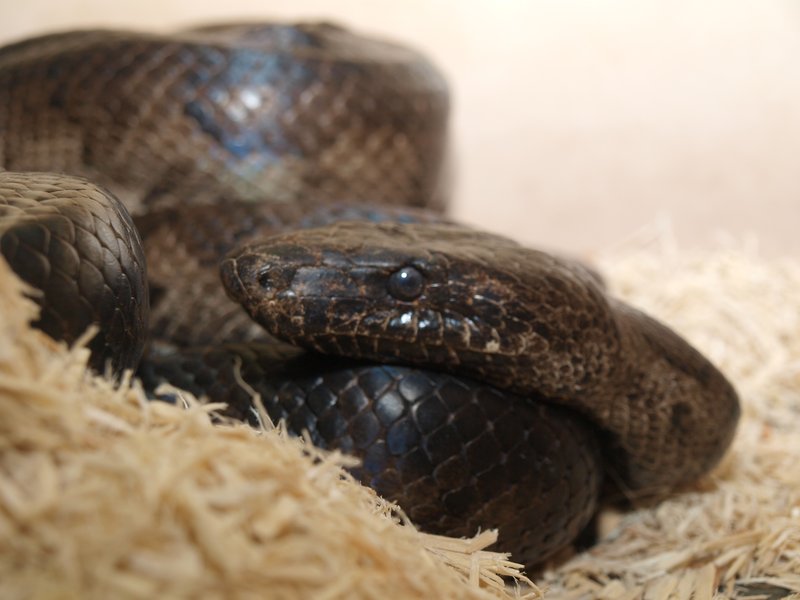
The Puerto Rican Boa (Epicrates inornatus): This is the largest native snake species on the island. Despite its impressive size, reaching up to 7 feet in length, the Puerto Rican Boa is non-venomous and generally shy, preferring to avoid human contact. Its diet primarily consists of small mammals and birds. While sightings are not common for the casual tourist, they are an integral part of the island’s natural heritage. Conservation efforts have been in place to protect this species, which is important for the island’s biodiversity.
-
The Puerto Rican Racer (Alsophis portoricensis): This is another native species, typically smaller than the boa. The Puerto Rican Racer is diurnal, meaning it is active during the day. It is also non-venomous and feeds on small lizards, insects, and frogs. While they are agile and quick, they pose no threat to humans and are often more a curiosity than a concern.
-
The Puerto Rican Blind Snake (Typhlops richardii): As its name suggests, this is a small, burrowing snake. Blind snakes are often mistaken for earthworms and are completely harmless, spending most of their lives underground. They feed on ants and termites, further contributing to natural pest control.
The Absence of Venomous Snakes
Crucially for travelers, Puerto Rico is not home to any species of venomous snakes that pose a significant threat to humans. This is a key piece of information that often alleviates concerns. Unlike some other tropical destinations, you do not need to be on high alert for dangerous venomous encounters on the beaches of San Juan or during a hike in the El Yunque National Forest. This fact contributes to the island’s reputation as a relatively safe and accessible destination for nature exploration.
Encounters and What to Expect While Traveling
While snakes are part of the ecosystem, encountering one as a tourist is not a daily occurrence, especially in more developed areas. However, if you are exploring natural reserves, hiking trails, or spending time in more rural settings, the possibility, though small, does exist. The key to a comfortable experience is awareness and respect for the natural environment.
Where You Might See Snakes
-
El Yunque National Forest: This lush rainforest is teeming with life. While hiking the trails, particularly those less frequented, you might observe various wildlife. Snakes here are typically camouflaged and reclusive. Stick to marked paths and observe from a respectful distance.
-
Rural Areas and Undeveloped Land: Outside of major tourist hubs like Ponce or Mayagüez, where natural habitats are more prevalent, sightings are more likely. This could include agricultural areas, undeveloped coastal regions, or mountainous terrains.
-
Gardens and Natural Grounds: Even within the grounds of some resorts or private properties that incorporate natural landscaping, snakes might occasionally be found. However, most accommodations, especially larger hotels and resorts, maintain their grounds to minimize the presence of wildlife in guest areas.

Safety and Etiquette in Nature
The general rule when encountering any wild animal, including snakes, is to maintain a safe distance and avoid disturbing them.
-
Observe from Afar: If you do spot a snake, appreciate it from a distance. Do not attempt to touch, feed, or capture it. Most snakes will flee if given the opportunity.
-
Stay on Trails: When hiking, particularly in areas like El Yunque National Forest, sticking to designated trails reduces the chance of unexpected encounters and also helps protect the delicate ecosystem.
-
Wear Appropriate Footwear: When exploring natural areas, especially in overgrown or wooded sections, wearing closed-toe shoes provides protection.
-
Inform Staff if Concerned: If you encounter a snake in an area that concerns you, such as within the immediate vicinity of your accommodation at a place like the Dorado Beach, a Ritz-Carlton Reserve, it is appropriate to inform hotel staff or local authorities. They are equipped to handle such situations safely and humanely.
Addressing Common Traveler Concerns
It’s natural for travelers to have questions, and the topic of snakes can sometimes lead to misinformation. Let’s address some common concerns directly.
Is It Likely I Will See A Snake?
For the average tourist staying in popular destinations like San Juan, Condado, or Isla Verde, and engaging in typical tourist activities such as relaxing on beaches, dining at restaurants, or visiting historical sites like Castillo San Felipe del Morro, the likelihood of encountering a snake is very low. Snakes generally avoid areas with high human activity. Your chances increase if you actively seek out remote natural areas or engage in extensive hiking off the beaten path.
What If I Am Afraid of Snakes?
If you have a significant phobia of snakes (ophidiophobia), it’s understandable to feel anxious. However, knowing that there are no venomous species that pose a threat can be reassuring. Focus on the fact that encounters are rare and that the snakes present are generally more afraid of you than you are of them. If you are particularly concerned, you can stick to well-trafficked tourist areas and inform your accommodation provider of your concern; they are accustomed to assisting guests with such anxieties. Many nature tours also operate with guides who are knowledgeable about the local wildlife and can provide a sense of security.
Are There Invasive Species?
While the native snake population is harmless, there have been discussions and concerns about invasive species in Puerto Rico in general, though not typically in the context of snakes posing a direct threat to human safety. The primary focus regarding snake populations remains on the conservation of native, non-venomous species. For instance, the invasive mongoose was introduced to control rats but has had a significant impact on native ground-nesting birds and other small animals, rather than snakes.
Enjoying Puerto Rico’s Nature Responsibly
Puerto Rico is a jewel of natural beauty, offering vibrant rainforests, stunning coastlines, and diverse ecosystems. The presence of snakes is simply a testament to the island’s healthy and thriving environment. By understanding the reality of the situation – namely, the absence of dangerous venomous snakes and the shy nature of native species – travelers can approach their visit with greater peace of mind.
Embrace the opportunity to explore the island’s natural wonders, from the bioluminescent bays of Vieques to the limestone caves of the Caves of Camuy. Observe the wildlife with respect, follow local guidance on exploring natural areas, and you will undoubtedly have a rich and memorable experience. The question of snakes in Puerto Rico should not be a deterrent to enjoying its many splendors, but rather an invitation to appreciate the island’s natural heritage from a safe and informed perspective.
LifeOutOfTheBox is a participant in the Amazon Services LLC Associates Program, an affiliate advertising program designed to provide a means for sites to earn advertising fees by advertising and linking to Amazon.com. Amazon, the Amazon logo, AmazonSupply, and the AmazonSupply logo are trademarks of Amazon.com, Inc. or its affiliates. As an Amazon Associate we earn affiliate commissions from qualifying purchases.