
For anyone planning an adventure or a relaxing getaway to the sun-drenched landscapes of Southern California, the question of local wildlife often comes up. Beyond the iconic palm trees and sparkling coastline, understanding the natural environment is key to a truly enjoyable and safe visit. Among the various considerations, a common query pertains to the presence of ticks, those tiny arachnids that can sometimes pose a health risk. The simple answer is yes, ticks are indeed found in Southern California. However, their presence, specific species, and associated risks vary significantly depending on the location, time of year, and types of activities you engage in. This guide will provide essential insights for tourists, helping you navigate the region’s beautiful natural settings with confidence and informed awareness, ensuring your focus remains on the breathtaking experiences Southern California has to offer.
Understanding Tick Prevalence in Southern California
Southern California, a region celebrated for its diverse topography, from arid deserts to lush forests and chaparral, provides habitats for several tick species. While ticks are not uniformly distributed throughout the bustling urban centers of Los Angeles or San Diego, they are a significant concern in rural and wildland-urban interface areas. Tourists venturing into hiking trails, parks, and natural open spaces should be particularly vigilant. The prevalence of ticks is heavily influenced by environmental factors such as humidity, vegetation, and the presence of host animals like deer, rodents, and birds. Awareness of these factors is the first step in effective prevention.
Common Tick Species in the Region
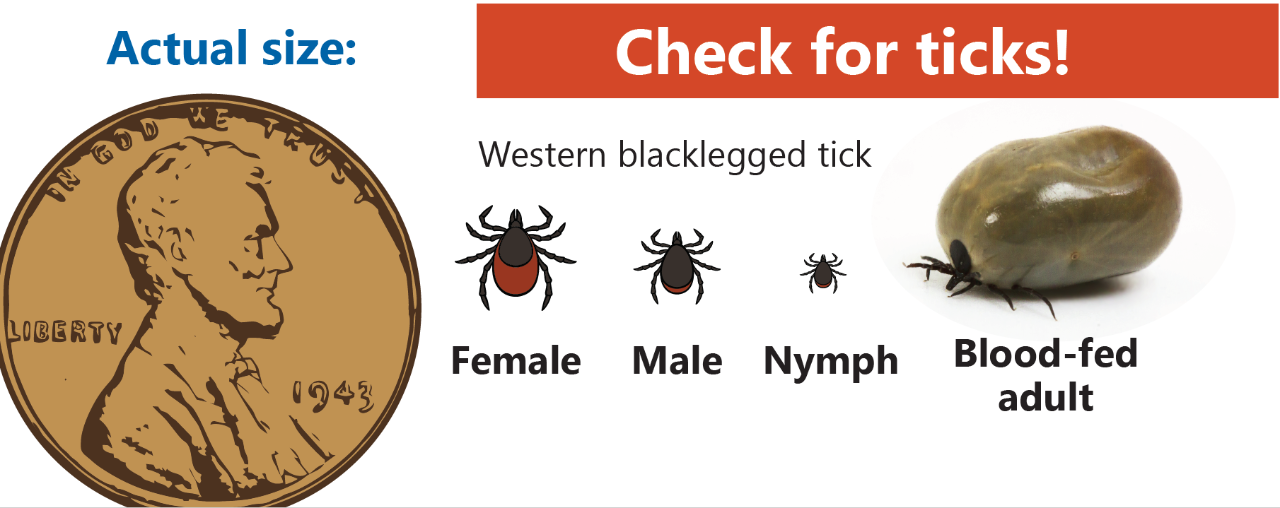
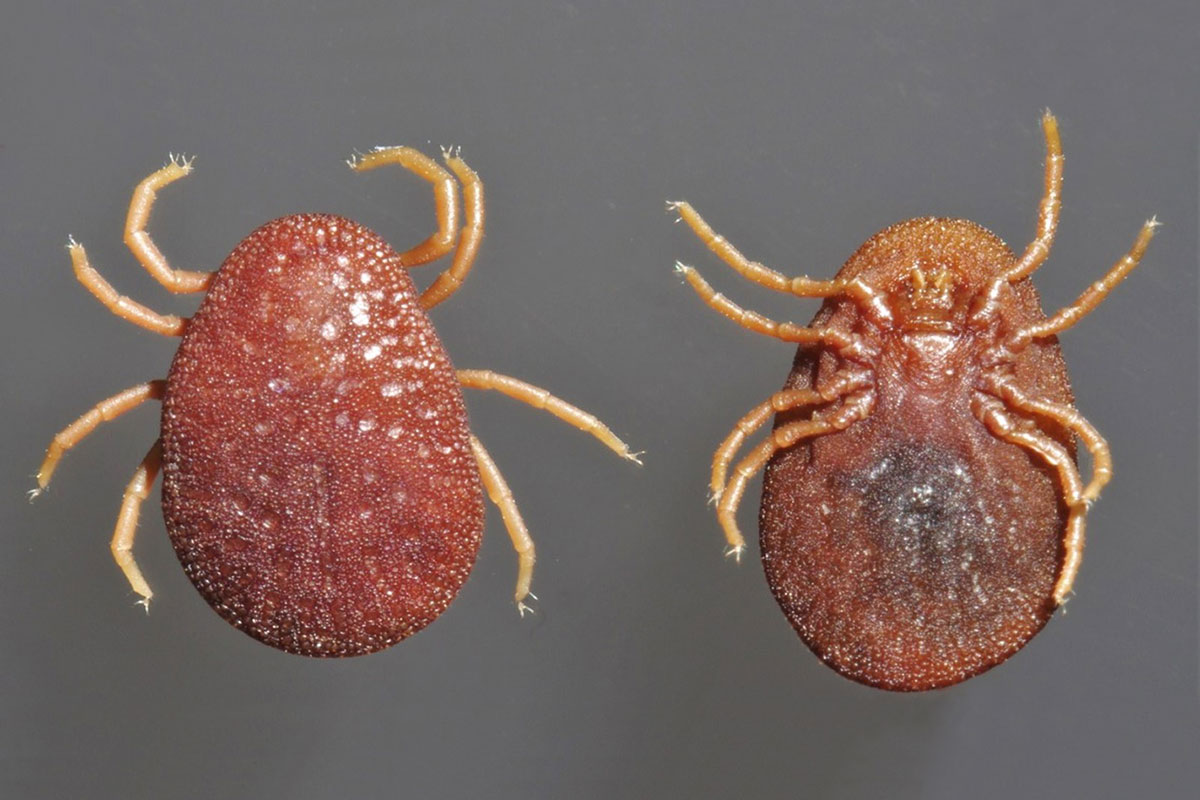
While numerous tick species exist globally, a few are more commonly encountered in Southern California and are of particular concern due to their potential to transmit diseases. The most notable is the Western black-legged tick, Ixodes pacificus, which is the primary vector for Lyme disease in the western United States. This species typically prefers humid, wooded, and brushy areas. Another common species is the Pacific Coast tick, Dermacentor occidentalis, which can transmit diseases like Rocky Mountain Spotted Fever and Colorado Tick Fever, although the latter is less common in Southern California. The American dog tick (Dermacentor variabilis) and the Brown dog tick (Rhipicephalus sanguineus) are also present, often found in grassy areas and sometimes in residential settings, and can transmit various pathogens. Understanding which ticks are most common helps in identifying risks and taking appropriate precautions specific to the activities planned.
Habitats and High-Risk Areas
Ticks in Southern California thrive in environments that offer shade, moisture, and host animals. Popular tourist destinations that include natural landscapes are often prime tick habitats. This includes areas such as the Santa Monica Mountains National Recreation Area, parts of the Cleveland National Forest, and even coastal canyons and brushy areas found within or near metropolitan regions in counties like Orange County and Ventura County. Hiking trails that wind through chaparral, oak woodlands, and riparian corridors are particularly high-risk. Desert environments, such as those found in Joshua Tree National Park or Anza-Borrego Desert State Park, are generally less prone to ticks due to their arid nature, but ticks can still be found near water sources or in vegetated areas within these parks, especially during cooler, wetter periods. When planning excursions, it’s wise to consider the specific environment and potential tick exposure.
Seasonal Activity of Ticks
Tick activity in Southern California is not constant throughout the year. The Western black-legged tick, responsible for most Lyme disease transmissions, is most active during the cooler, wetter months, typically from late fall through spring. Peak activity can often be observed between December and May, coinciding with the region’s rainy season which fosters suitable humidity levels. As the intense heat of summer arrives, tick activity generally decreases, although it doesn’t cease entirely. Other species, like the Pacific Coast tick, might have slightly different seasonal peaks, often extending into late spring and early summer. Tourists visiting during these peak activity seasons, especially if engaging in outdoor activities in high-risk habitats, should exercise heightened vigilance and incorporate robust tick prevention strategies into their travel plans.
Health Risks and Tick-Borne Diseases for Tourists
For tourists exploring Southern California’s natural beauty, understanding the health risks associated with tick bites is paramount. While not every tick bite results in disease transmission, several pathogens can be carried by ticks indigenous to the region. Being informed about these potential diseases, their symptoms, and the importance of prompt medical attention if symptoms arise, is a critical aspect of responsible tourism. The good news is that with proper precautions, the risk of contracting a tick-borne illness remains relatively low, allowing visitors to enjoy the vast outdoor offerings without undue worry.
Lyme Disease and its Presence
Lyme disease, caused by the bacterium Borrelia burgdorferi and transmitted primarily by the Western black-legged tick (Ixodes pacificus), is the most well-known tick-borne illness in the western United States, including parts of Southern California. While not as prevalent as in the Northeastern U.S., cases do occur, particularly in northern coastal counties and the foothills of the Sierra Nevada. In Southern California, confirmed cases are less common but not impossible, especially in highly vegetated areas of counties like Riverside County and San Bernardino County. Early symptoms often include a distinctive “bull’s-eye” rash (erythema migrans), fever, headache, and fatigue. If left untreated, it can lead to more serious neurological, cardiac, and joint problems. Early diagnosis and antibiotic treatment are highly effective.
Other Potential Infections
Beyond Lyme disease, ticks in Southern California can transmit other bacterial and viral infections, though some are less common. Rocky Mountain Spotted Fever (RMSF), transmitted by the Pacific Coast tick and American dog tick, is a serious bacterial disease that can cause fever, headache, and a rash. Anaplasmosis, also transmitted by the Western black-legged tick, presents with symptoms similar to the flu. Ehrlichiosis is another possibility, though less frequently reported in the region. Babesiosis, a parasitic infection, can also be transmitted by the Western black-legged tick. While these diseases are less common, being aware of their existence reinforces the importance of tick bite prevention and seeking medical advice if symptoms develop after a tick encounter.
Recognizing Symptoms and Seeking Medical Attention
A critical aspect of staying safe is knowing when to seek help. If you experience any unusual symptoms after spending time outdoors in Southern California, especially if you recall a tick bite, it’s important to consult a healthcare provider. Symptoms like fever, headache, muscle aches, joint pain, fatigue, or any unusual rash (including the classic bull’s-eye rash of Lyme disease) warrant medical attention. Be sure to inform your doctor about your travel history and any known tick exposures. Early diagnosis and treatment are crucial for preventing the progression of tick-borne illnesses. Most tick-borne diseases are treatable with antibiotics, especially when caught early.
Essential Prevention Strategies for Visitors
While the thought of ticks might be concerning, it should not deter you from experiencing the incredible outdoor attractions of Southern California. With a few simple, yet effective, prevention strategies, you can significantly reduce your risk of tick bites. Integrating these practices into your outdoor routine will allow you to explore hiking trails, parks, and natural reserves with greater peace of mind. Prevention is always the best defense against tick-borne diseases.
Dressing for Protection: Clothing and Repellents
When venturing into tick-prone areas, choosing the right attire is your first line of defense. Opt for long-sleeved shirts and long pants, tucking your pant legs into your socks or boots to create a barrier. Light-colored clothing is also recommended, as it makes it easier to spot ticks crawling on your clothes. Treating clothing and gear with permethrin-based repellents can provide long-lasting protection, as permethrin kills ticks on contact. For exposed skin, use EPA-registered insect repellents containing DEET, picaridin, IR3535, oil of lemon eucalyptus (OLE), para-menthane-diol (PMD), or 2-undecanone. Always follow product instructions carefully. Applying repellent strategically to ankles, wrists, and neck can create a protective perimeter.
Trail Awareness: Staying on Paths
Ticks are often found in tall grass, brush, and leaf litter, waiting to attach to a passing host. To minimize exposure, always stay on marked trails when hiking or walking in natural areas. Avoid bushwhacking or walking through dense vegetation where ticks are more likely to be present. If you need to stop for a break, choose open, sunny spots away from shaded, brushy areas. Educating yourself on what tick habitats look like in Southern California can further enhance your awareness and ability to avoid risky spots. This simple practice can significantly reduce the chances of ticks latching onto you or your pets.
Post-Activity Checks: A Crucial Routine
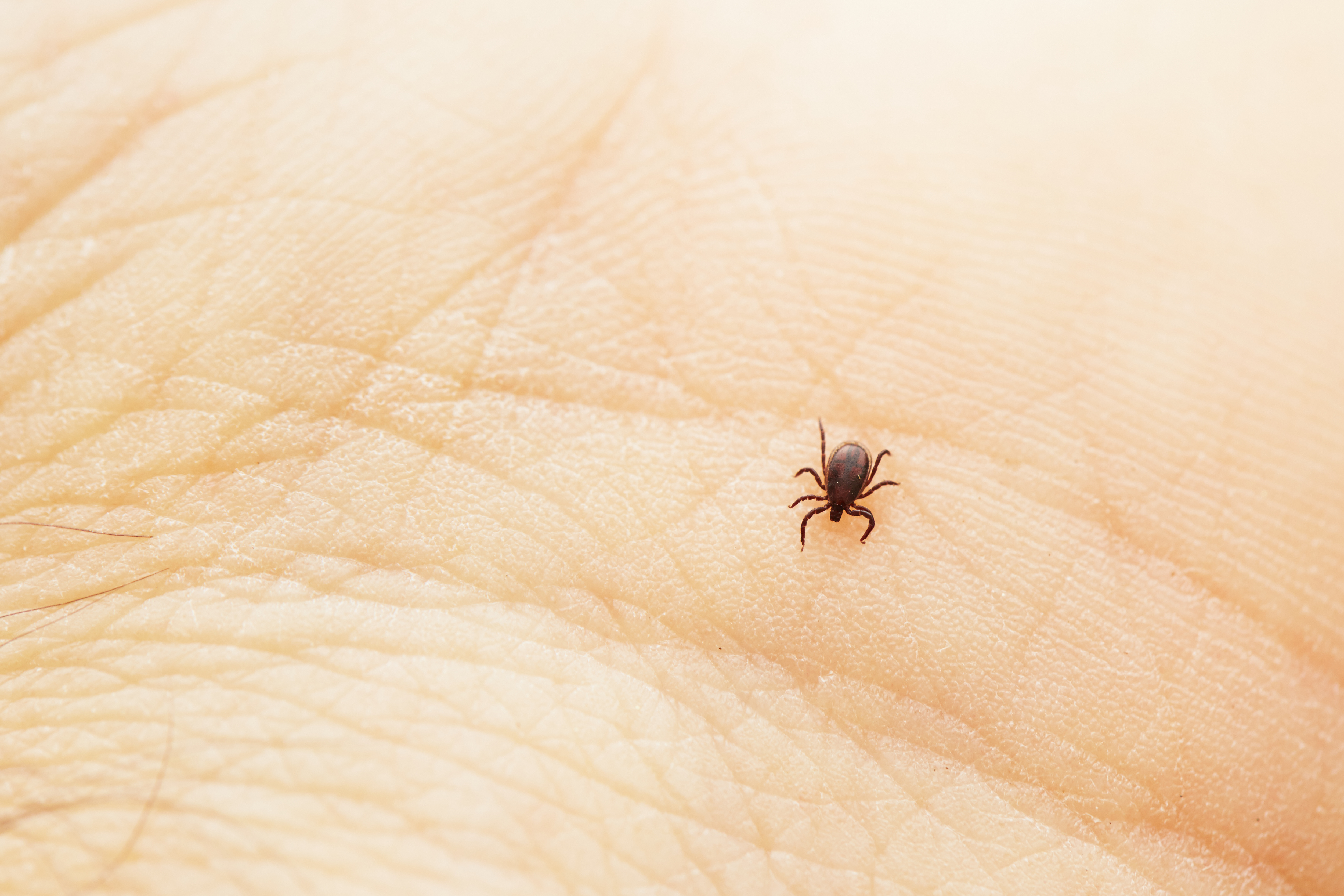
After any outdoor activity, especially in tick-prone areas, perform a thorough full-body tick check. This should include checking your hair, scalp, ears, armpits, inside your belly button, behind your knees, between your legs, and around your waist. Use a mirror for hard-to-see areas or ask a travel companion for assistance. Check your clothing and gear for ticks before bringing them indoors, and tumble dry clothes on high heat for at least 10 minutes to kill any lingering ticks. Showering within two hours of coming indoors can also help wash off unattached ticks. Remember to check pets as well, as they can carry ticks into your accommodation. This routine, though it might seem tedious, is incredibly effective in preventing tick bites from becoming a problem.
What to Do If You Find a Tick
Despite the best preventative measures, finding a tick attached to your skin can happen. The key is not to panic, but to know how to remove it safely and what steps to take afterward. Prompt and correct removal is crucial, as the risk of disease transmission increases the longer a tick remains attached. Having a tick removal tool or fine-tipped tweezers readily available in your travel first-aid kit is a wise preparation.
Safe Removal Techniques
If you find an attached tick, use fine-tipped tweezers to grasp the tick as close to the skin’s surface as possible. Pull upward with steady, even pressure. Do not twist or jerk the tick, as this can cause the mouthparts to break off and remain in the skin. Avoid using folk remedies like petroleum jelly, nail polish, or heat, as these can irritate the tick and cause it to regurgitate potentially infectious fluids into the bite wound. After removing the tick, clean the bite area and your hands thoroughly with rubbing alcohol or soap and water. Dispose of a live tick by putting it in alcohol, placing it in a sealed bag/container, wrapping it tightly in tape, or flushing it down the toilet.
After Removal: Monitoring and When to Consult a Doctor
Once the tick is removed, monitor the bite area for several weeks for any signs of rash or infection. Keep the date of the bite in mind. If you develop a fever, rash (especially the bull’s-eye rash), muscle aches, or any other unusual symptoms within a few weeks of the bite, seek medical attention immediately. Be sure to inform your doctor about the tick bite and when it occurred. While not always necessary, some doctors may recommend a prophylactic dose of antibiotics in certain high-risk situations, though this is debated and depends on local guidelines and the type of tick. The California Department of Public Health and the Centers for Disease Control and Prevention provide valuable resources and guidelines for tick bite management.
Enjoying Southern California Safely: A Tourist’s Perspective
Southern California is a magnificent destination, offering an unparalleled array of outdoor activities, from sunbathing on pristine beaches along the Pacific Ocean to hiking rugged mountain trails. Being aware of ticks and taking proactive steps ensures that your focus remains on soaking in the region’s beauty and making lasting memories, rather than worrying about health concerns. Integrating tick awareness into your travel planning is a small effort that yields significant peace of mind.
Popular Destinations and Tick Awareness
Even within popular tourist spots, certain areas may pose a higher tick risk. For instance, while exploring the urban parks of Santa Barbara, stay on manicured paths. When hiking in regional parks in San Diego County or exploring the less developed parts of Orange County that border natural reserves, exercise the full range of prevention strategies. Even coastal trails, particularly those with dense shrubbery, can harbor ticks. Always check local park advisories or visitor center information for specific warnings regarding tick activity. A simple query to park rangers or local guides can provide up-to-date information on current conditions in specific areas.
Resources and Local Health Information
For the most current and localized information on tick activity and tick-borne diseases in Southern California, tourists can consult several reliable resources. The California Department of Public Health (CDPH) website offers detailed information, including surveillance data, prevention tips, and disease specifics relevant to the state. Local county health departments, such as those in Los Angeles County or San Diego County, often provide even more specific guidance for their respective regions. Additionally, the Centers for Disease Control and Prevention (CDC) website is an excellent national resource for comprehensive information on tick identification, removal, and disease prevention. By staying informed and adopting a few simple precautions, your visit to Southern California can be a wonderfully safe and enriching experience.
LifeOutOfTheBox is a participant in the Amazon Services LLC Associates Program, an affiliate advertising program designed to provide a means for sites to earn advertising fees by advertising and linking to Amazon.com. Amazon, the Amazon logo, AmazonSupply, and the AmazonSupply logo are trademarks of Amazon.com, Inc. or its affiliates. As an Amazon Associate we earn affiliate commissions from qualifying purchases.