
For many prospective travelers, the image of Arizona conjures visions of vast, sun-drenched deserts, majestic canyons, towering saguaros, and vibrant red rock formations. It’s a land renowned for its unique natural beauty, rich cultural heritage, and a climate that offers abundant sunshine for most of the year. However, a less common, yet sometimes curious, question that arises is about the occurrence of tornadoes in this southwestern state. Given Arizona’s distinct geography and climate, it’s a valid query for anyone planning a visit who might be accustomed to weather patterns in other regions.
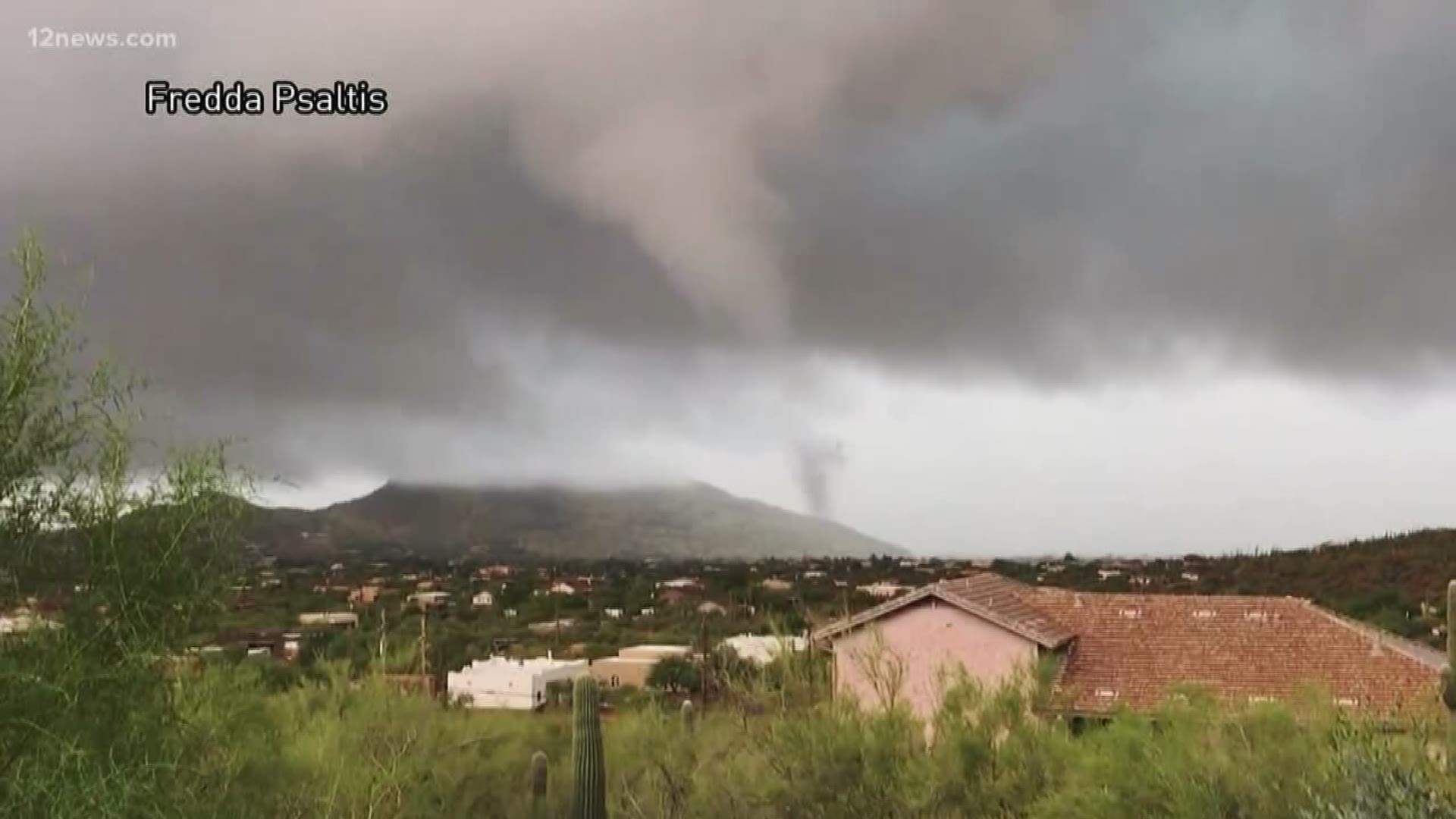
The short answer is yes, tornadoes can and do occur in Arizona. However, their frequency, intensity, and characteristics are vastly different from what one might expect in the “Tornado Alley” states of the Midwest. These events are rare, generally weaker, and often localized, posing a significantly lower risk to travelers than more common weather phenomena like extreme heat, flash floods, or dust storms. Understanding Arizona’s unique atmospheric conditions and the types of severe weather it experiences is key to a safe and enjoyable trip. This article delves into the specifics of Arizona’s climate, the reality of its tornado activity, and what travelers truly need to prepare for when visiting this magnificent state.

Understanding Arizona’s Unique Climate and Weather
Arizona’s climate is as diverse as its landscapes, ranging from the scorching deserts of the south to the pine forests and alpine tundras of the north. This variety in elevation and topography plays a critical role in shaping its weather patterns and, consequently, the likelihood of certain meteorological events.
The Desert Landscape and Its Influence
The predominant image of Arizona is its desert environment, especially in major population centers like Phoenix and Tucson. These regions are characterized by hot summers, mild winters, and very low humidity for much of the year. The dry air and mountainous terrain typically act as a deterrent to the formation of widespread supercell thunderstorms, which are the primary drivers of strong tornadoes. Tornadoes generally require a specific recipe of warm, moist air near the ground, cool dry air aloft, and significant wind shear—conditions that are not consistently present or optimally aligned in Arizona’s desert atmosphere. While moisture can sometimes advect into the state from the Pacific Ocean or the Gulf of California, it often lacks the sustained instability and shear necessary for major tornado outbreaks.
Monsoon Season: A Different Kind of Storm
Perhaps the most dramatic weather phenomenon Arizona experiences is its annual monsoon season, typically running from mid-June to September. This period marks a significant shift in weather patterns, as moisture from the Gulf of Mexico and the Gulf of California streams northward, leading to increased humidity and daily thunderstorm activity. These monsoon storms can be incredibly intense, bringing torrential rainfall, severe lightning, damaging straight-line winds, and dramatic dust storms known as haboobs.
Many visitors, and even some residents, might mistake the ferocity of monsoon storms for tornado activity. The high winds from downbursts can cause damage reminiscent of a weak tornado, tearing off roofs or toppling trees. However, these are fundamentally different phenomena. While severe, monsoon storms primarily feature strong downdrafts and localized, intense rainfall, contributing more to flash flood risks than to widespread tornadic activity. Understanding the distinction is crucial for appreciating the state’s true weather landscape.
High-Altitude and Northern Arizona Weather
Moving northward, destinations like Flagstaff and the Grand Canyon experience a vastly different climate. With elevations often exceeding 7,000 feet, these areas have cooler temperatures, four distinct seasons, and receive significant snowfall in winter. Even during the warmer months, the higher elevation and mountainous terrain further disrupt the atmospheric conditions conducive to tornado formation. While thunderstorms still occur, especially during the monsoon, the cooler air and complex topography generally limit the development of the strong, rotating updrafts (mesocyclones) needed for powerful tornadoes. Travelers to these areas are more likely to encounter snow-related travel disruptions in winter or severe lightning and heavy rain during summer thunderstorms.
The Reality of Tornadoes in Arizona
While Arizona’s climate is not classically favorable for tornadoes, they are not entirely absent from its meteorological record. It’s important to acknowledge their presence, even if it’s a rare one.
Rare, But Not Non-Existent
Historically, Arizona reports an average of 2-3 tornadoes per year. This number is minuscule compared to states in the traditional Tornado Alley, which can experience dozens or even hundreds annually. Furthermore, the vast majority of tornadoes in Arizona are weak, typically rated EF0 or EF1 on the Enhanced Fujita scale. These tornadoes produce winds between 65 and 110 mph and result in minor to moderate damage, such as broken tree branches, downed power lines, or damage to sheds and carports. Stronger tornadoes (EF2 or higher) are exceedingly rare, with only a handful ever recorded in the state’s history, and very few, if any, have resulted in significant fatalities or widespread devastation. The risk to travelers from such an event is statistically very low.
Where and When They Occur
When tornadoes do occur in Arizona, they are often associated with two primary weather patterns. One is the strong monsoon thunderstorms that develop during the summer months, particularly when conditions allow for some localized rotation within an intense storm cell. The other scenario involves colder upper-level low-pressure systems moving through the state, typically during the cooler months, which can introduce sufficient wind shear and instability to trigger rotating storms.
Geographically, there isn’t one specific “tornado hotspot” in Arizona. Tornadoes have been reported across various parts of the state, though often in more open, less populated areas. Agricultural plains in central Arizona or eastern parts of the state, where topography is less rugged, might see them slightly more often than mountainous or extremely arid regions. These events are usually short-lived and highly localized, making them difficult to forecast with precision far in advance.

Distinguishing from Microbursts and Dust Devils
It’s common for other phenomena to be mistaken for tornadoes, especially in Arizona’s unique environment. Understanding these distinctions is crucial for travelers.
- Microbursts: These are powerful downdrafts associated with thunderstorms, producing damaging straight-line winds that spread out upon hitting the ground. A microburst can cause damage similar to a weak tornado but lacks the rotating column of air. During monsoon season, microbursts are a far more common and significant threat than tornadoes, capable of downing large trees and causing structural damage.
- Dust Devils: Often seen twirling across desert landscapes on clear, hot days, dust devils are small, localized whirlwinds formed by convection. They are not associated with thunderstorms and are generally harmless, though they can pick up dust and debris. They are typically much smaller and weaker than tornadoes, posing little to no risk to property or people, but their visual similarity can lead to misidentification.
What This Means for Travelers to Arizona
For travelers, the rarity and generally low intensity of tornadoes in Arizona mean they should not be a primary concern when planning a trip. Instead, focus should be placed on preparing for the more common and significant weather challenges.
Prioritizing Safety: Staying Informed
Regardless of the low risk, it’s always wise for travelers to stay informed about local weather conditions, especially if visiting during the monsoon season (July and August are often the most active months).
- Local Weather Apps: Utilize reliable weather apps on your phone that provide real-time alerts for your specific location.
- National Weather Service: Check the National Weather Service forecasts for Arizona prior to and during your travel.
- Hotel Information: Your accommodation, whether it’s a resort in Scottsdale or a lodge near the Grand Canyon, will often have protocols and information regarding local severe weather.
Preparing for Arizona’s Actual Weather Risks
The true weather risks for travelers in Arizona are well-defined and manageable with proper preparation:
- Heat Safety: This is the most critical consideration, especially in the low deserts from May to September. Drink plenty of water, wear light-colored and loose-fitting clothing, use sunscreen, and avoid strenuous outdoor activities during the hottest parts of the day (10 AM to 4 PM). Know the signs of heat exhaustion and heatstroke.
- Flash Flooding: During monsoon season, heavy rainfall can quickly turn dry washes and arroyos into raging rivers. Never attempt to drive or walk through flooded areas. “Turn Around, Don’t Drown” is a critical mantra in Arizona. Roads can become impassable very rapidly.
- Dust Storms (Haboobs): These towering walls of dust can reduce visibility to zero in a matter of seconds. If caught in a haboob while driving, pull completely off the road, turn off your lights, and take your foot off the brake. Wait for the storm to pass.
- Thunderstorms: Beyond the rain, lightning is a serious hazard during monsoon season. Seek shelter indoors or in a hard-topped vehicle when thunderstorms are in the vicinity, especially in open areas like hiking trails or golf courses.
Enjoying Arizona Safely
With minimal precautions, Arizona remains an incredibly safe and welcoming destination. Its unique landscapes—from the breathtaking vistas of the Grand Canyon and the spiritual beauty of Sedona to the bustling urban centers of Phoenix and Tucson—offer unparalleled experiences. Whether you’re interested in hiking, exploring ancient ruins, enjoying world-class resorts, or simply soaking in the desert sun, Arizona delivers. By being aware of the specific, more common weather challenges, travelers can fully immerse themselves in everything this stunning state has to offer.
Debunking Myths and Focusing on the True Arizona Experience
The question of tornadoes in Arizona often stems from a general unfamiliarity with desert climates or an association of severe weather with North American regions. However, for a true Arizona experience, it’s beneficial to shift focus from the sensational to the substantive aspects of travel safety and enjoyment.
Beyond the Sensational
Media portrayals of extreme weather events can sometimes create a skewed perception of risk, particularly when applied universally across a large and geographically diverse country. While tornadoes are a real threat in certain parts of the United States, Arizona simply does not fit the typical profile for frequent or devastating tornadic activity. The state’s allure lies not in avoiding a non-existent threat, but in embracing its distinctive natural wonders, rich Native American culture, and vibrant Southwestern charm. Travelers should be reassured that the primary elements of their Arizona adventure will be spectacular scenery, unique activities, and pleasant weather for most of the year.
Planning Your Arizona Adventure
The key to a successful Arizona trip involves planning around its predictable seasonal variations.
- Cooler Months (October to April): Ideal for hiking, exploring national parks like Saguaro National Park, and desert activities in the southern half of the state. This is also the peak season for events and festivals in Phoenix and Tucson.
- Warmer Months (May to September): While the low deserts are hot, the northern regions like Flagstaff, Sedona, and the Grand Canyon offer a cooler escape and are popular for outdoor adventures. This period also brings the dramatic, albeit manageable, monsoon thunderstorms to the state, adding a unique spectacle to the landscape.
By understanding these seasonal nuances, travelers can choose the best time to visit based on their interests, optimizing their experience while naturally mitigating risks associated with extreme heat or monsoon-related weather.
In conclusion, while the question “Are There Tornadoes In Arizona?” can be answered with a qualified “yes,” the practical reality for travelers is that tornadoes pose a minimal concern. These events are rare, typically weak, and overshadowed by other, more common, and predictable weather phenomena such as extreme heat, flash floods, and dust storms. With basic awareness and preparation for these more prevalent conditions, visitors can confidently plan an unforgettable trip to Arizona, a state that consistently ranks among the top travel destinations for its stunning natural beauty, outdoor recreation, and rich cultural experiences. Focus on embracing the marvels of the desert and mountain landscapes, and rest assured that your journey through the Grand Canyon State will be a safe and magnificent one.
LifeOutOfTheBox is a participant in the Amazon Services LLC Associates Program, an affiliate advertising program designed to provide a means for sites to earn advertising fees by advertising and linking to Amazon.com. Amazon, the Amazon logo, AmazonSupply, and the AmazonSupply logo are trademarks of Amazon.com, Inc. or its affiliates. As an Amazon Associate we earn affiliate commissions from qualifying purchases.