
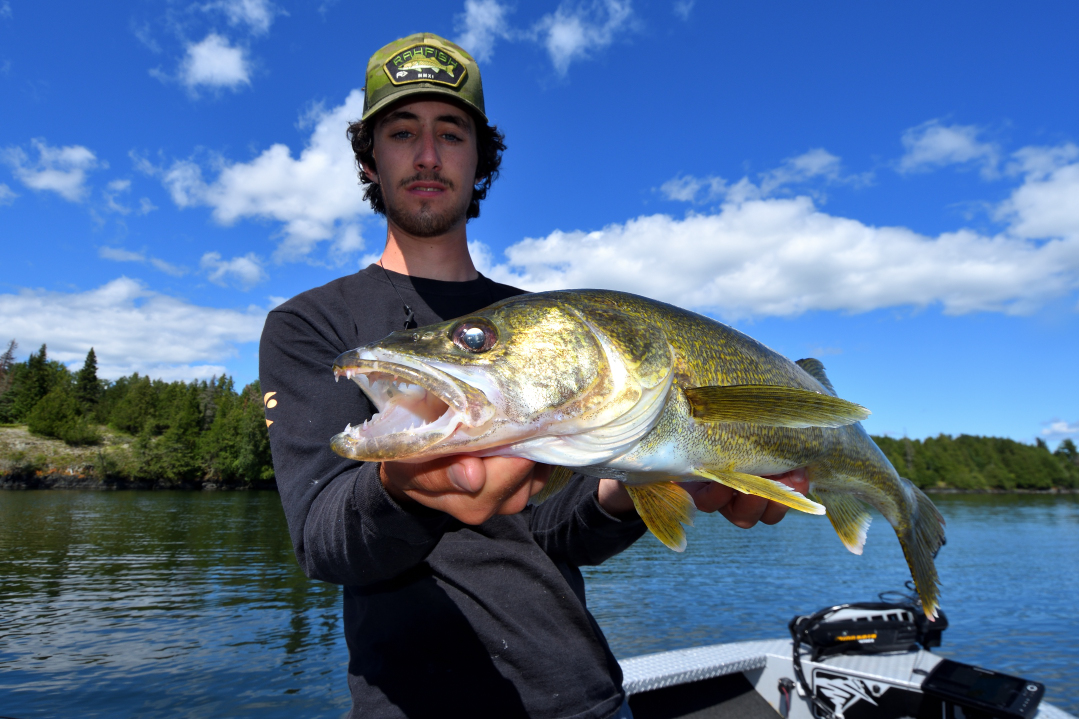
For the dedicated angler traveling from the northern reaches of North America, the prospect of finding familiar freshwater favorites in the middle of the Pacific Ocean is a common curiosity. Specifically, many wonder: “Are there walleye in Hawaii?” To answer succinctly: No, there are no walleye in Hawaii. The walleye, a cool-water species native to Canada and the northern United States, requires an environment that simply does not exist in the tropical archipelago. However, this lack of walleye does not mean the islands are devoid of incredible fishing opportunities. On the contrary, Hawaii offers a diverse tourism experience for fishing enthusiasts that ranges from high-altitude trout streams to world-class deep-sea excursions.
The Biological Reality: Why Walleye Aren’t Found in Hawaii
To understand why walleye are absent from the Hawaiian Islands, one must look at the specific ecological needs of the species. Walleye are members of the perch family and thrive in large, shallow, turbid lakes and slow-moving rivers. They are biologically adapted for cold to temperate climates, with their peak activity occurring in water temperatures between 55°F and 70°F.
Habitat Requirements vs. Island Environment
In North America, walleye often inhabit the Great Lakes and various river systems where seasonal changes allow for a necessary winter dormant period and a spring spawning run. Hawaii, conversely, maintains a tropical climate year-round. The freshwater bodies on the islands—mostly short, fast-moving streams and a few man-made reservoirs—reach temperatures that would be lethal or highly stressful for walleye. Furthermore, the volcanic soil and unique mineral composition of Hawaiian waters create a chemical profile vastly different from the limestone-rich or glacial waters of the Midwest.
Historical Stocking and Ecological Preservation
While the Hawaii Division of Aquatic Resources has introduced several non-native species over the decades to enhance recreational fishing, walleye were never among them. The introduction of any species into the delicate ecosystem of Hawaii is now strictly regulated to protect indigenous flora and fauna. Introducing a predatory cool-water fish like the walleye would not only be a logistical failure due to the climate but would also pose a significant risk to native species such as the o’opu (native gobies).
Freshwater Fishing Alternatives: The Tropical Surprise
While the absence of walleye might disappoint some, the freshwater fishing scene in Hawaii is one of the most unique tourism draws in the world. Instead of the “walleye chop,” anglers here look for the “peacock flash” or the “trout rise.”
Chasing Peacock Bass in Lake Wilson
On the island of Oahu, near the town of Wahiawa, lies the Wahiawa Reservoir, commonly known as Lake Wilson. This is the premier destination for freshwater fishing in the state. While you won’t find walleye here, you will find the vibrant and aggressive Peacock Bass. Originally from the Amazon River basin in South America, these fish were introduced to Hawaii in the 1950s.
For a tourist, a day on Lake Wilson offers a stark contrast to the beaches of Waikiki. Surrounded by lush tropical greenery and the distant peaks of the Waianae Range, anglers can cast topwater lures for a fish that hits with more ferocity than almost any walleye. The reservoir also hosts Largemouth Bass and Smallmouth Bass, providing a familiar experience for those used to North American freshwater lakes.
Trout Fishing in Kokee State Park
If you are an angler who prefers the cooler, mountainous air, the island of Kauai offers a surreal experience. Within the Kokee State Park, high above the Waimea Canyon, there is a seasonal Rainbow Trout fishery. The state stocks these trout annually, and the season typically opens in mid-summer.
Trekking through the misty forests of Kauai to reach a mountain stream or reservoir feels more like being in the Pacific Northwest than in Polynesia. It is a hidden gem of Hawaiian tourism that few visitors realize exists, offering a serene escape from the more crowded coastal attractions.
Saltwater Excellence: The True Heart of Hawaiian Tourism
While the freshwater options are fascinating, the primary reason anglers travel to Hawaii is for the world-class saltwater fishing. If you are looking for a fish that provides the culinary satisfaction of a walleye but with the power of a locomotive, the Pacific Ocean surrounding the islands is your playground.
The Big Game Capital: Kona
The town of Kona on the Big Island is internationally renowned as the “Marlin Capital of the World.” The waters off the Kona Coast drop to extreme depths very close to the shore, creating a unique environment where massive pelagic fish can be caught just minutes after leaving the Honokohau Harbor.
Tourists can book charters that target the legendary Blue Marlin, which can exceed 1,000 pounds. These “Granders” are the pinnacle of sportfishing. Even if you aren’t chasing a monster, the waters are teeming with Mahi-mahi (Dolphin-fish), Ono (Wahoo), and Ahi (Yellowfin Tuna). Unlike walleye fishing, which is often a patient, subtle game, Hawaiian deep-sea fishing is an adrenaline-fueled pursuit involving heavy tackle and high-speed trolling.
Shore Fishing and Local Culture
For a more accessible local experience, many visitors participate in shore fishing, known locally as “whipping” or “dunking.” From the rocky cliffs of South Point on the Big Island to the sandy flats of Molokai, shore fishing is a deeply ingrained part of the local lifestyle.
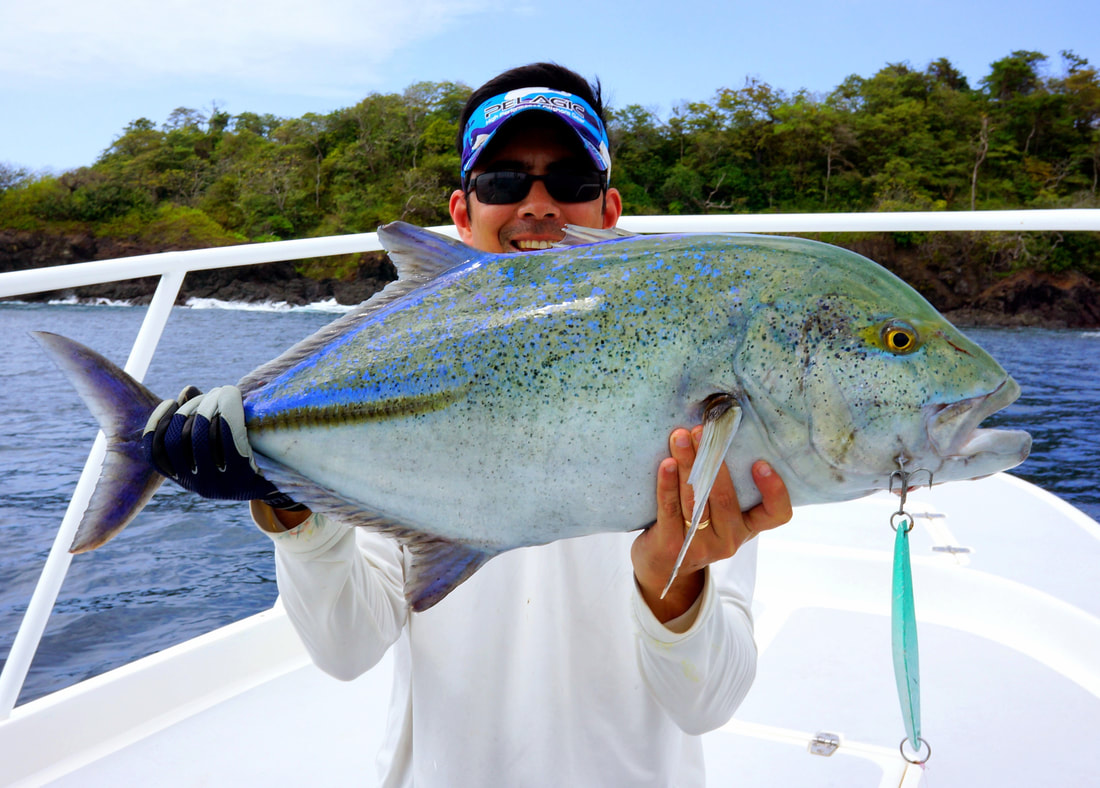
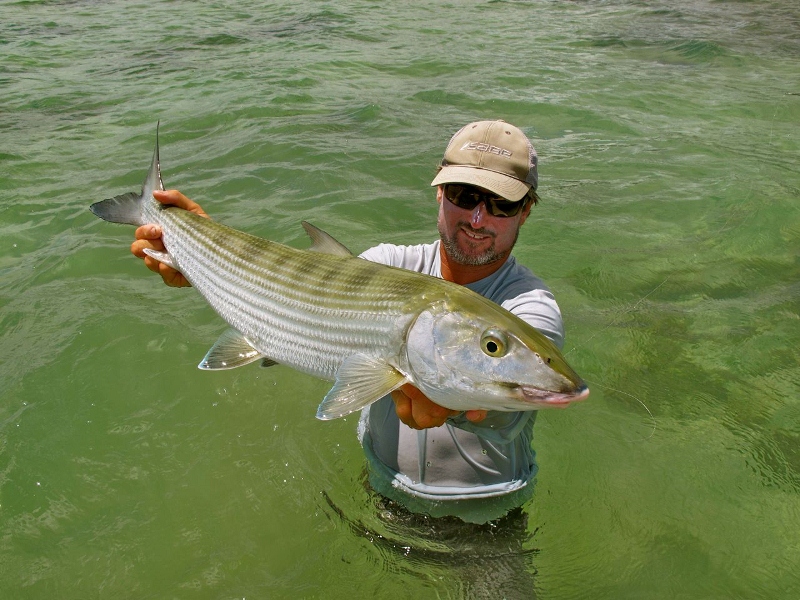
Targeting the Omilu (Bluefin Trevally) or the elusive Bonefish (O’io) on the flats of Oahu or Lanai requires immense skill. For the tourist, engaging in shore fishing is a way to connect with the local community and understand the “Aloha Spirit” through shared respect for the sea.
Cultural Insights: Traditional Hawaiian Fishing and Etiquette
Fishing in Hawaii is more than just a pastime; it is a foundational element of the culture and history of the Native Hawaiian people. Long before Captain Cook arrived at Kealakekua Bay, the islands were managed through the Ahupua’a system, a sustainable land and sea management philosophy.
Respecting the Law of the Land and Sea
Visitors are encouraged to learn about the concept of Pono fishing—fishing in a way that is right, balanced, and sustainable. This involves taking only what you need and respecting seasonal closures designed to allow fish populations to spawn.
Tourism in Hawaii often intersects with conservation. For instance, the Hanauma Bay Nature Preserve on Oahu is a strictly protected marine life conservation district. While you cannot fish there, a visit to the bay is essential for any ocean lover to see the biodiversity that the local community works so hard to protect. Similarly, landmarks like Diamond Head and the Na Pali Coast serve as reminders of the majestic natural beauty that surrounds these fishing grounds.
Local Flavors and the Culinary Connection
The reason many people love walleye is for its delicate, flaky white meat. In Hawaii, the culinary equivalent is often found in the Opakapaka (Pink Snapper) or Onaga (Longtail Snapper). These deep-water bottom fish are prized in Hawaiian cuisine and are often featured in the high-end restaurants of Honolulu and Maui.
Trying “Poke”—a traditional dish of raw, seasoned fish—is a must for any visitor. Whether it is made from Ahi or Tako (Octopus), Poke represents the fusion of fresh ingredients and cultural tradition that defines the islands. Many local fishing charters even offer to clean and fillet your catch, which you can then take to a local “cook your catch” restaurant in places like Lahaina or Kapaa.
Planning Your Hawaiian Fishing Adventure: Tips and Best Practices
If you have accepted that walleye are not on the menu and are ready to embrace the Hawaiian angling experience, a little planning goes a long way.
- Licensing: While Hawaii does not currently require a license for recreational saltwater fishing for residents or tourists, a freshwater game fishing license is mandatory if you plan to visit Lake Wilson or Kokee State Park. These can be easily obtained through the State of Hawaii website.
- Seasonality: While you can fish year-round in Hawaii, certain species are seasonal. Summer is generally best for Marlin and Tuna, while winter can bring more consistent action for bottom fish and certain shore species.
- Charters: When booking a charter in Kona or from Kewalo Basin in Honolulu, always check if the boat is “keep catch” or if the boat keeps the fish to sell. This is a common practice in Hawaii that differs from many mainland United States locations.
- Gear: If you are shore fishing, light to medium spinning tackle is versatile enough for most island species. However, be prepared for the sharp volcanic rock, which can easily snap a line. High-quality fluorocarbon leaders are a necessity.
- Safety: The Pacific Ocean is powerful. Always keep an eye on the swell, especially when fishing from rocky ledges. Locations like Halona Blowhole are beautiful but can be dangerous for those unfamiliar with the tides.
By shifting the focus from what isn’t there—like the walleye—to the incredible bounty that is present, visitors can experience the true depth of Hawaiian tourism. Whether you are standing in a cool stream on Kauai or fighting a giant on the Kona blue, the islands offer a fishing journey that is second to none.
LifeOutOfTheBox is a participant in the Amazon Services LLC Associates Program, an affiliate advertising program designed to provide a means for sites to earn advertising fees by advertising and linking to Amazon.com. Amazon, the Amazon logo, AmazonSupply, and the AmazonSupply logo are trademarks of Amazon.com, Inc. or its affiliates. As an Amazon Associate we earn affiliate commissions from qualifying purchases.