
California, a beacon for diverse experiences, vibrant culture, and breathtaking landscapes, attracts millions of visitors annually. For many, exploring local nuances, including legal frameworks around various substances, is a critical part of informed travel. Among the many questions that arise for conscientious travelers planning a trip to the Golden State, understanding the legal status of specific plants or compounds is paramount. One such query frequently encountered pertains to Salvia Divinorum, often simply referred to as “Salvia.” Navigating the legalities of substances can be complex, especially when regulations vary not just by state but sometimes by local jurisdiction. This guide aims to demystify the legal status of Salvia in California for tourists, ensuring a responsible and compliant visit.

Understanding Salvia Divinorum from a Tourist’s Perspective
Before delving into the legal specificities, it’s essential to understand what Salvia Divinorum is and why its legality might be a concern for those visiting California. Knowledge is a cornerstone of responsible tourism, allowing travelers to make informed decisions that respect local laws and cultural norms.
What is Salvia Divinorum?
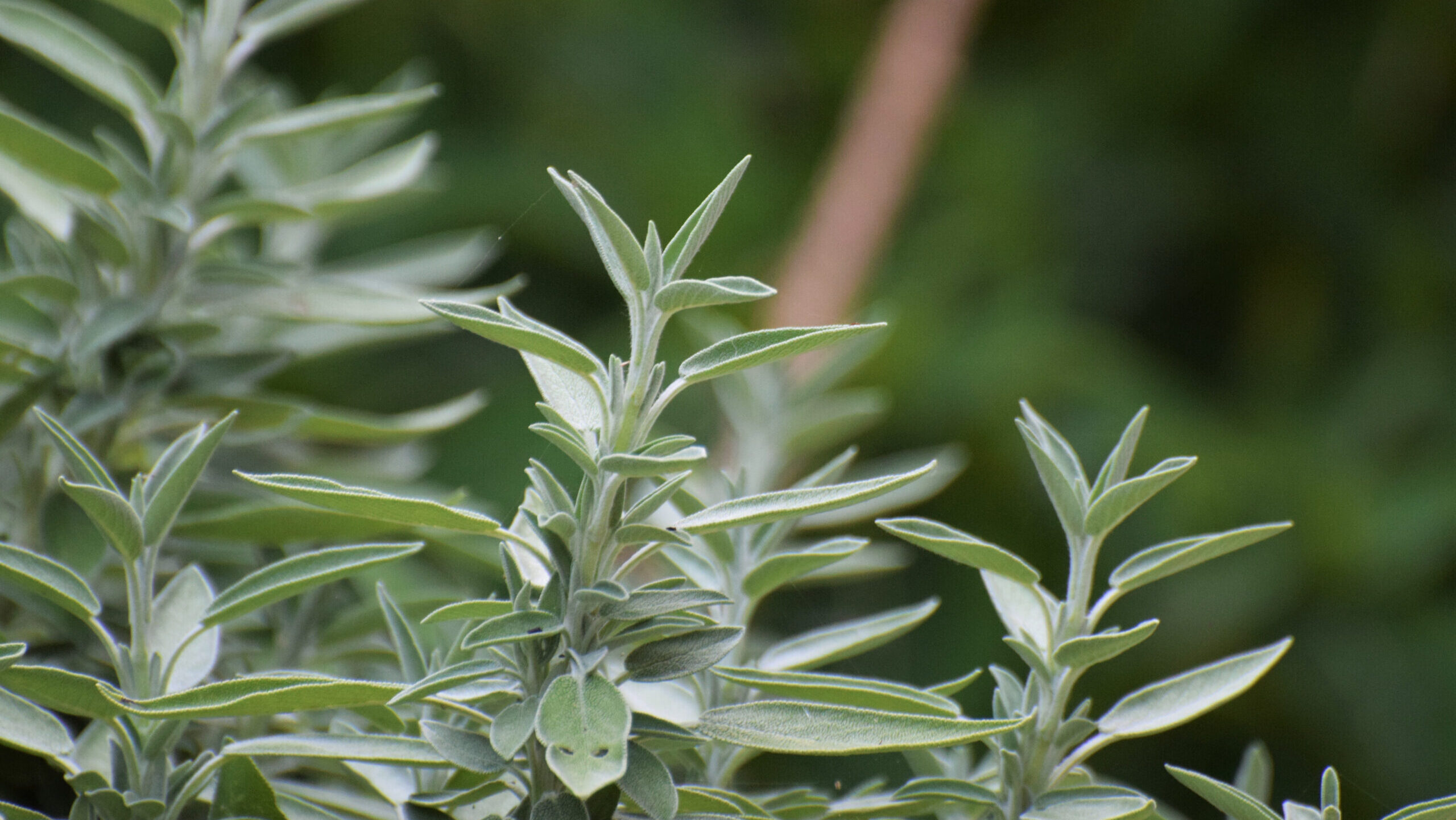
Salvia Divinorum is a psychoactive plant native to southern Mexico, historically used by Mazatec shamans for spiritual and medicinal purposes. Its primary active component, Salvinorin A, is known for inducing short-lived but intense dissociative effects. Unlike many other psychoactive substances, Salvia is not an opioid, stimulant, or hallucinogen in the typical sense, operating through a unique mechanism on the brain’s kappa-opioid receptors. It is typically consumed by chewing fresh leaves, drinking their extracts, or smoking dried leaves. For tourists, familiarity with the substance’s nature is the first step in understanding its legal context.
Why Tourists Might Encounter This Question
Travelers often encounter questions about local drug laws for several reasons. Some may come from regions where Salvia Divinorum is legal or more widely discussed, prompting them to inquire about its status in new destinations. Others might stumble upon it in head shops or online while researching their trip, leading to curiosity about its permissibility. Furthermore, the diverse and often progressive legal landscape of California regarding other substances, such as cannabis, can naturally lead to inquiries about similarly perceived “natural” or “botanical” alternatives. For any visitor, clarity on such matters is vital to avoid unintended legal complications and ensure a smooth travel experience.
The Legal Landscape in California
The legal status of Salvia Divinorum in the United States is a patchwork, with regulations varying significantly from one state to another. For California, understanding both state-level and potential local regulations is crucial for any discerning tourist.
State-Level Legality
As of the current understanding, Salvia Divinorum is not scheduled under the California Uniform Controlled Substances Act. This means that at the state level, the possession, sale, and distribution of Salvia Divinorum are generally legal for adults 18 years of age or older. Unlike many other states that have enacted bans or restrictions, California has largely refrained from statewide prohibition. This open status contrasts sharply with over half of the United States, where Salvia Divinorum is either illegal or heavily restricted. This is a critical piece of information for tourists who might be accustomed to stricter regulations elsewhere.
Local Ordinances: A Crucial Nuance for Travelers
While state law provides a general framework, California’s legal system allows for local jurisdictions (cities and counties) to enact their own ordinances. This is a vital point for travelers to consider, as what might be legal in Los Angeles might be restricted in another California city or county. Some municipalities have taken steps to ban or restrict the sale and possession of Salvia Divinorum, often citing public health and safety concerns. Examples of cities that have considered or passed such bans in the past include San Diego and Ocean Beach, although the permanence and enforcement of these ordinances can evolve.
For a tourist, this means that merely knowing the state-level legality is insufficient. A responsible approach necessitates checking the specific laws of the city or county they plan to visit or pass through. This due diligence ensures that one remains compliant with all applicable regulations during their stay.
Age Restrictions and Purchase
Even in areas where Salvia Divinorum remains legal, there is an unspoken or often explicit understanding that its use and purchase are restricted to adults. In California, if it is sold, it is typically marketed with an age restriction of 18 or 21 years old, similar to tobacco or certain herbal supplements. Travelers should always be prepared to show identification if purchasing Salvia Divinorum or any age-restricted product. Shops that sell it are often specialized herbal stores or smoke shops, rather than mainstream retailers.

Practical Implications for Travelers and Responsible Tourism
Understanding the legal status of Salvia Divinorum is just one aspect. For tourists, applying this knowledge translates into practical considerations for their trip, upholding the principles of responsible tourism.
Possession and Use While Visiting
If you are an adult aged 18 or older and are in a part of California where no local ordinance prohibits it, possessing Salvia Divinorum is generally not illegal. However, its use, particularly in public spaces, is highly discouraged and could lead to other issues, such as public intoxication charges or disturbing the peace, regardless of the substance involved. The effects of Salvia Divinorum can be profound and disorienting, making public use both socially inappropriate and potentially dangerous. Responsible tourism dictates respecting public order and refraining from activities that could cause alarm or distress to others.
Purchase and Transportation
Purchasing Salvia Divinorum in California is typically possible from specialized head shops or ethnobotanical vendors in areas where local laws permit it. When transporting it, especially across county lines within the state, it is crucial to be aware of potential local bans. Should you plan to fly out of California with Salvia Divinorum, remember that its legality changes at state borders. Transporting it into states where it is illegal, or attempting to take it through airport security into a jurisdiction where it is prohibited (even if your final destination allows it), can lead to serious legal consequences. The Transportation Security Administration (TSA) follows federal guidelines, and while Salvia is not federally scheduled, discretion and knowledge of destination laws are always advised.
The Importance of Due Diligence
For any tourist planning to explore substances, legal or otherwise, the golden rule is “know before you go.” This means:
- Verify Local Laws: Always check the specific municipal and county ordinances for your destination within California. A quick search of the city or county’s official government website or a call to local authorities can provide current information.
- Consult Reliable Sources: Do not rely solely on hearsay or outdated online forums.
- Err on the Side of Caution: If in doubt, it is always safer to abstain to avoid any legal entanglements that could disrupt your travel plans.
Health, Safety, and Ethical Considerations
Beyond the legalities, any discussion of psychoactive substances for tourists must include health, safety, and ethical considerations. A responsible tourist prioritizes their well-being and respects the local environment and its inhabitants.
Understanding the Risks
Salvia Divinorum is a potent substance capable of inducing intense, disorienting, and sometimes frightening experiences. It is not generally considered a “recreational” drug in the same vein as cannabis or alcohol. Users can experience loss of motor control, vivid hallucinations, depersonalization, and profound alterations in perception. These effects can be unpredictable and dangerous, especially in unfamiliar settings or without proper supervision. For a tourist, experiencing such effects in an unknown environment, potentially far from immediate support, poses significant health and safety risks. Avoiding impaired judgment is crucial for safe navigation and enjoyment of any destination.
Respecting Local Norms and Communities
Even where legal, the use of Salvia Divinorum is generally not part of mainstream California culture and is certainly not encouraged in public. Engaging with such substances, particularly in a manner that could be perceived as disruptive or irresponsible, runs counter to the spirit of responsible tourism. Travelers are guests in the communities they visit, and respecting local norms, public order, and the comfort of residents and fellow travelers is paramount.
The Broader Context of Drug Laws in the United States
Finally, it’s worth reiterating that while California may have a more liberal stance on certain substances compared to many other states, federal law in the United States often presents a different picture. Although Salvia Divinorum is not federally scheduled, this can change. Moreover, other substances like cannabis, while legal in California, remain illegal under federal law. This dual legal system is a constant consideration for any tourist navigating substance laws within the United States, emphasizing the need for continuous vigilance and adherence to local regulations.
In conclusion, for tourists visiting California, Salvia Divinorum is generally legal at the state level for adults 18 and over. However, the potential for local bans and the inherent risks associated with the substance make a thorough understanding of local ordinances and a commitment to personal safety and responsible tourism absolutely essential for an enjoyable and trouble-free trip.
LifeOutOfTheBox is a participant in the Amazon Services LLC Associates Program, an affiliate advertising program designed to provide a means for sites to earn advertising fees by advertising and linking to Amazon.com. Amazon, the Amazon logo, AmazonSupply, and the AmazonSupply logo are trademarks of Amazon.com, Inc. or its affiliates. As an Amazon Associate we earn affiliate commissions from qualifying purchases.