
The allure of the wild, untamed American landscape often conjures images of apex predators roaming free. Among these, the wolf holds a particularly potent place in our collective imagination. When considering a journey through the diverse terrains of the United States, one might wonder about the presence of such iconic creatures in unexpected locales. The question “Are there wolves in Alabama?” might seem surprising to some, given the state’s reputation for rolling hills, historic cities, and a generally mild climate. However, the natural world is full of surprises, and the history of wildlife in any region is often more complex than surface appearances suggest.

Alabama, with its varied geography encompassing the Appalachian foothills in the north, the fertile Black Belt in the center, and the Gulf Coast plain in the south, has historically supported a wide array of flora and fauna. While most visitors to the Heart of Dixie are focused on its vibrant tourism offerings, from the historic streets of Montgomery to the stunning beaches of Gulf Shores, the question of wolf presence delves into the realm of natural history and conservation. Understanding the answer requires looking beyond the typical tourist trail and into the ecological past and present of the state.
This exploration into the possibility of wolves in Alabama not only satisfies a curious natural enthusiast but also connects with broader themes of travel and experiencing nature responsibly. When we travel to destinations, especially those rich in natural landscapes, a deeper understanding of the local wildlife can significantly enhance our appreciation and inform our choices for ethical exploration. Whether you’re planning a family trip to explore state parks, seeking out unique experiences, or simply curious about the natural heritage of the Southern United States, this inquiry offers a fascinating glimpse into a less-discussed aspect of Alabama’s natural story.
The Elusive Past: Wolves in Historic Alabama
To answer whether wolves are in Alabama today, we must first understand if they were ever present. Historical accounts and scientific research confirm that wolves were indeed an integral part of Alabama’s ecosystems for centuries. The primary species of concern in this region would have been the Red Wolf (Canis rufus), a North American canid native to the southeastern United States.
Red Wolf Populations: A Tale of Decline
The Red Wolf once roamed widely across the Southeast, including the vast forests and swamps of Alabama. These intelligent and adaptable predators played a crucial role in maintaining the health of their environments by regulating prey populations. However, like many large predators across the continent, the Red Wolf faced severe threats from habitat loss, hunting, and human-wildlife conflict.
As European settlers moved into the region, the vast woodlands were cleared for agriculture and development. Simultaneously, bounties were placed on wolves, which were perceived as a threat to livestock and game animals. These factors led to a drastic decline in Red Wolf numbers. By the early to mid-20th century, the Red Wolf was on the brink of extinction. Extensive efforts were made to eradicate them, and for all intents and purposes, they disappeared from the wild.
The Extirpation from Alabama
The Red Wolf was considered extirpated, meaning locally extinct, from Alabama by the mid-20th century. This signifies a period where no breeding populations or individuals were observed in the state for an extended duration. The loss of this apex predator had ripple effects throughout the ecosystem, though these changes might not have been immediately apparent to human observers primarily focused on human development and resource extraction. The absence of the Red Wolf marked a significant shift in Alabama’s natural heritage, a chapter closed in the state’s ecological narrative.
The Present Landscape: Reintroduction and Conservation Efforts
The story of the Red Wolf in the United States did not end with its disappearance from the wild. A concerted effort by conservationists and government agencies has aimed to bring this species back from the brink. These efforts, while not directly within Alabama in recent times, are crucial to understanding the potential future of wolves in the region and the broader context of wildlife conservation.
The Southern Appalachian and Coastal Plain Region
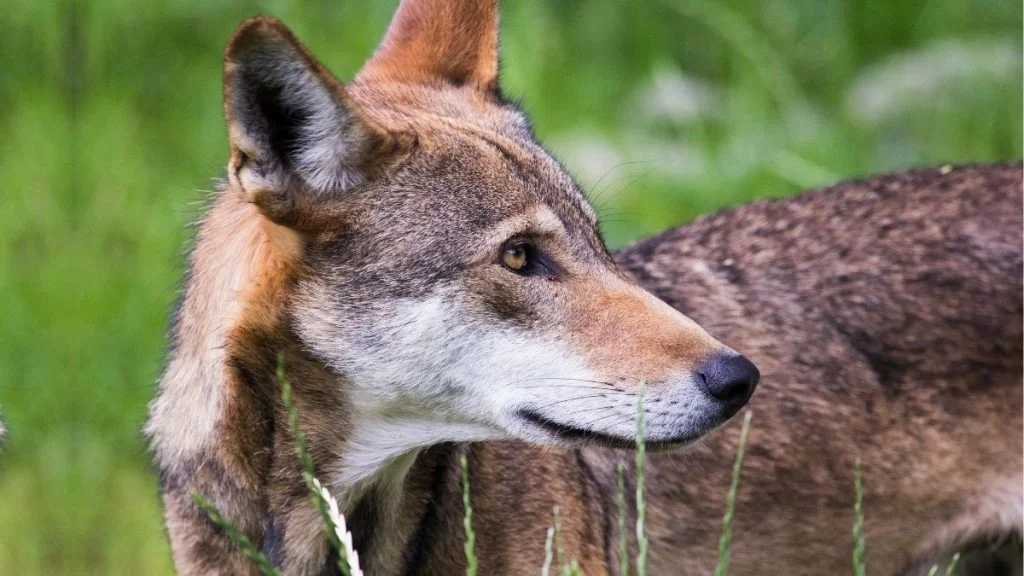
While the current focus of Red Wolf recovery has been on states like North Carolina, where a significant wild population was re-established, it’s important to consider the broader historical range and potential for future reintroduction or natural recolonization. The ecological corridors and habitats that once supported Red Wolves are not confined by state lines. Understanding conservation efforts elsewhere helps paint a picture of the challenges and possibilities for wildlife in states like Alabama.
The success of reintroduction programs elsewhere demonstrates that with dedicated effort, habitat preservation, and community support, it is possible to restore populations of endangered species. These programs often involve intensive research, captive breeding, and carefully managed releases into suitable habitats. The science and strategies employed in these efforts are transferable, even if Alabama has not been a direct site for recent reintroduction programs.
Grey Wolves in Neighboring Territories
It’s also worth noting the presence of other wolf species in North America. The Grey Wolf (Canis lupus), a larger cousin of the Red Wolf, has seen a resurgence in some parts of the United States, notably in the northern Rocky Mountains and the Great Lakes region. While these populations are geographically distant from Alabama, their recovery provides a hopeful precedent for apex predator conservation. The presence of Grey Wolves in states bordering the historical range of the Red Wolf highlights the capacity of these animals to adapt and re-establish themselves when given the opportunity and protection.
Are There Wolves in Alabama Today? The Current Status
Returning to the central question: are there wolves in Alabama today? The direct answer, based on current scientific consensus and wildlife surveys, is no established wild populations of Red Wolves or Grey Wolves exist in Alabama. The species that historically inhabited Alabama, the Red Wolf, was extirpated, and no successful reintroduction program for wolves has been undertaken in the state.
However, the natural world is dynamic, and there are always nuances to consider.
Rare Sightings and Misidentification
Occasionally, reports of wolf-like canids surface in Alabama. These are almost invariably misidentifications of other animals. The most common confusions are with:
- Coyotes (Canis latrans): Coyotes are abundant throughout Alabama. They are smaller than wolves, with a more pointed snout and often a bushy tail carried lower. Their howling is distinct from a wolf’s howl.
- Domestic Dogs (Canis lupus familiaris): Escaped or feral domestic dogs, particularly larger breeds or mixes, can sometimes be mistaken for wild canids.
- Red Foxes (Vulpes vulpes) and Grey Foxes (Urocyon cinereoargenteus): While much smaller, these native foxes can, at a distance or in poor lighting, cause confusion for casual observers.
Wildlife biologists and agencies like the Alabama Department of Conservation and Natural Resources are responsible for monitoring wildlife populations. Their surveys and reports consistently indicate the absence of wild wolves in the state.
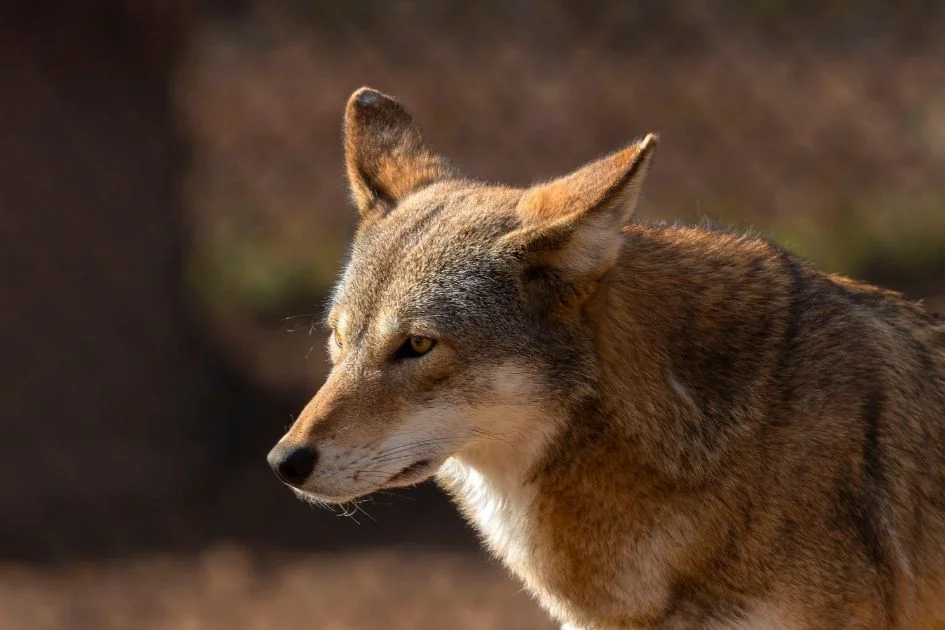
The Potential for the Future and What It Means for Travelers
While wolves are not currently a part of Alabama’s wild landscape, the question touches on a broader interest in experiencing nature and wildlife. For travelers visiting Alabama, this understanding adds a layer of appreciation for the state’s existing natural heritage. Instead of searching for wolves, visitors can focus on the abundant and fascinating wildlife that is present.
This includes a rich diversity of birds, deer, black bears (increasingly seen in certain areas), and various other mammals. The state parks, such as Cheaha State Park or Oak Mountain State Park, offer incredible opportunities for wildlife viewing, hiking, and immersing oneself in Alabama’s natural beauty.
The absence of wolves in Alabama does not diminish the state’s capacity for incredible outdoor adventures and encounters with nature. Instead, it highlights the importance of conservation efforts nationwide and the ongoing work to protect and restore ecosystems for all species, including those that may, one day, find their way back to historic territories. Understanding wildlife, even in its absence, is a crucial part of responsible travel and appreciating the intricate tapestry of the natural world. For those who dream of encountering wolves in the wild, Alabama may not be the current destination, but the spirit of exploration and conservation that prompts such questions is precisely what makes travel and understanding our planet so rewarding.
LifeOutOfTheBox is a participant in the Amazon Services LLC Associates Program, an affiliate advertising program designed to provide a means for sites to earn advertising fees by advertising and linking to Amazon.com. Amazon, the Amazon logo, AmazonSupply, and the AmazonSupply logo are trademarks of Amazon.com, Inc. or its affiliates. As an Amazon Associate we earn affiliate commissions from qualifying purchases.