
Planning a trip through California often involves careful consideration of routes, traffic, and, increasingly, tolls. For many travelers navigating the bustling urban sprawl of Southern California, the question often arises: “Is California Highway 73 a toll road?” The short answer is unequivocally yes. State Route 73 (SR-73), commonly known as the San Joaquin Hills Transportation Corridor Agency, is indeed a toll road. Understanding its purpose, how to use it, and its benefits can significantly enhance your travel experience in the region.
This comprehensive guide will delve into the specifics of Highway 73, providing insights for both local commuters and visiting tourists. We’ll explore the payment systems, discuss the advantages of using this route, and offer practical tips to ensure a smooth, penalty-free journey.
Navigating Southern California’s Toll System
Southern California is a vast and dynamic region, constantly evolving to meet the demands of its growing population and economic activity. A critical part of this infrastructure development has been the introduction of toll roads, designed to alleviate congestion and provide more efficient travel options.
Understanding California’s Toll Roads
California operates several toll roads and express lanes, primarily concentrated in metropolitan areas like Orange County and Los Angeles. These roads are managed by various agencies, but the underlying principle remains consistent: users pay a fee for the privilege of a less congested, often faster, route. The revenue generated from these tolls is typically reinvested into maintaining the roads, improving existing infrastructure, and funding future transportation projects.
The toll system in California is almost entirely cashless, meaning drivers cannot stop to pay with cash at traditional toll booths. This digital-first approach requires pre-payment or online payment after usage, which can sometimes catch infrequent users or out-of-state visitors off guard.
The Specifics of State Route 73 (SR-73)
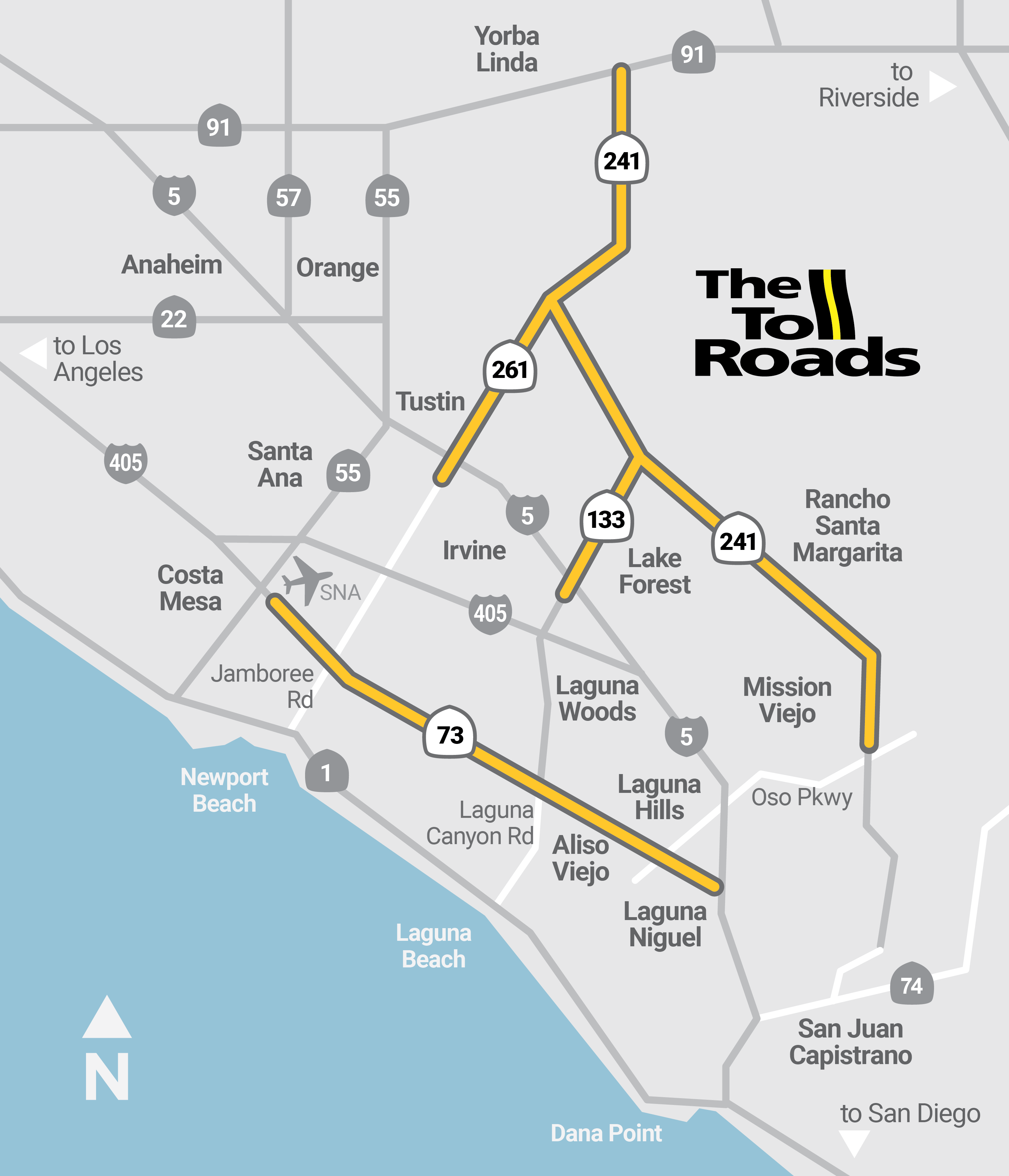
State Route 73 (SR-73) stretches approximately 17 miles through the heart of Orange County, connecting Interstate 5 (I-5) in Laguna Niguel to Interstate 405 (I-405) and State Route 55 (SR-55) in Costa Mesa. It’s a vital artery for commuters and travelers looking to bypass the frequently jammed sections of I-5 and I-405, especially during peak hours.
Managed by The Toll Roads (TCA), SR-73 is part of a larger network of toll facilities in Orange County that includes SR-133, SR-241, and SR-261. These roads collectively aim to provide a smoother flow of traffic across the county, offering an alternative to the often-gridlocked freeways. The 73 cuts through the scenic San Joaquin Hills, offering picturesque views in contrast to the urban sprawl below.
Why Toll Roads Exist in California
The existence of toll roads like SR-73 is a direct response to several pressing transportation challenges in California. Firstly, the sheer volume of vehicles on the state’s freeways often exceeds their capacity, leading to severe congestion and significant economic losses due to lost productivity and increased fuel consumption. Toll roads offer a demand-management solution, pricing access to encourage carpooling or use by those who value time savings.
Secondly, funding for infrastructure projects from traditional sources, such as fuel taxes, has struggled to keep pace with needs. Toll revenues provide a dedicated and supplementary stream of funding for construction, maintenance, and operational costs, allowing for the creation and upkeep of high-quality roadways without relying solely on general public funds. This model ensures that those who directly benefit from the faster travel times contribute to the road’s viability.
How to Pay for Your Journey on SR-73
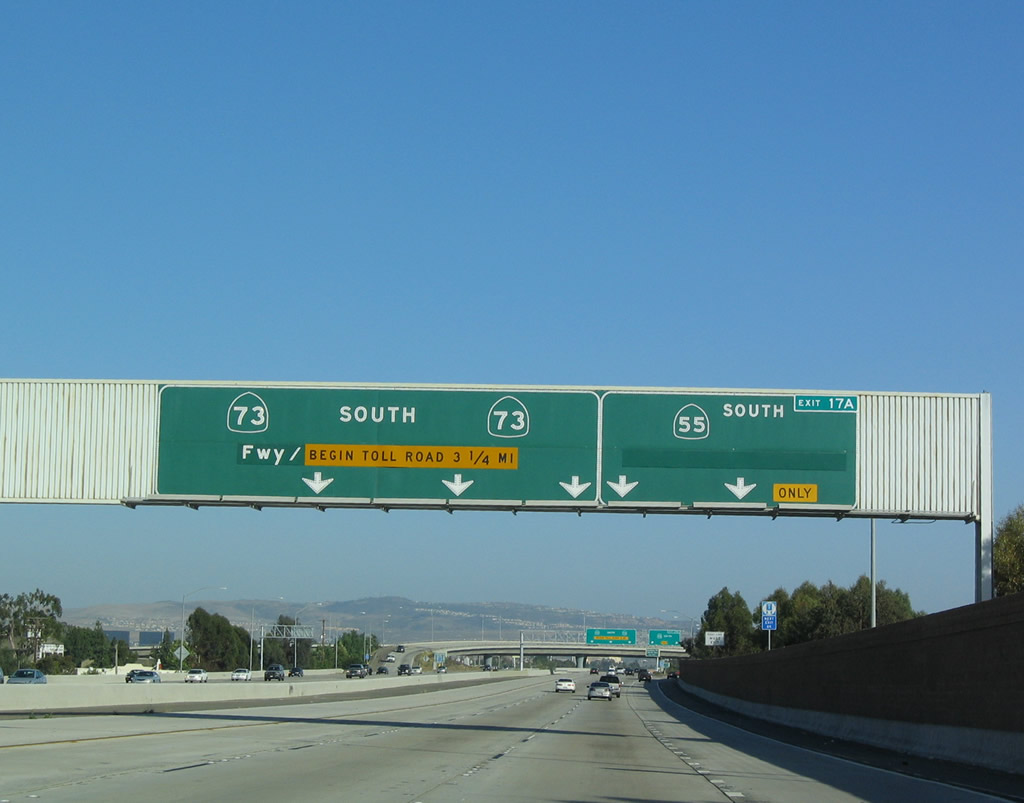
Since California Highway 73 is a cashless toll road, understanding the payment options is crucial for a stress-free journey. There are no toll booths where you can stop and pay with cash or credit card directly on the road. All payments are processed electronically.
FasTrak: The Preferred Payment Method
The most convenient and cost-effective way to pay for tolls on SR-73, and indeed across all California toll roads and express lanes, is with FasTrak. FasTrak is an electronic toll collection system that uses a small transponder mounted on your vehicle’s windshield. As you pass under a toll gantry, the transponder communicates with an overhead antenna, and the appropriate toll amount is deducted from your pre-funded account.
Using FasTrak offers several advantages:
- Lower Toll Rates: FasTrak users typically pay lower toll rates compared to those using one-time payment options.
- Seamless Travel: No need to worry about missing a payment or remembering to pay later; it’s all automatic.
- Convenience: Usable on all California toll facilities, making it ideal for frequent travelers.
You can obtain a FasTrak transponder and open an account through various agencies, including The Toll Roads (Orange County) or other regional toll authorities. Accounts can be managed online, and funds can be replenished automatically.
One-Time Payment Options
For those who travel on toll roads infrequently or are visiting from out of state without a FasTrak transponder, several one-time payment options are available:
- Online: You can pay your toll online up to 5 days after your trip. You’ll need your license plate number and travel date(s). Visit The Toll Roads website to make a payment.
- Mobile App: The Toll Roads also offers a mobile app for convenient on-the-go payments.
- Phone: You can pay by calling the customer service center of The Toll Roads.
It’s critical to remember the payment window: you have 5 days before and 5 days after your trip to make a one-time payment. If you pay within this timeframe, you avoid penalties. When making a one-time payment, you’ll generally pay a slightly higher rate than FasTrak users.
Avoiding Penalties and Late Fees
Failure to pay your toll within the designated 5-day window will result in a “Notice of Toll Evasion.” This notice includes the original toll amount, plus a significant penalty. Ignoring this notice will lead to even higher penalties, vehicle registration holds, and potential court action.
Here are key tips to avoid penalties:
- Check Before You Go: Use navigation apps like Google Maps or Waze which indicate toll roads, or consult The Toll Roads website.
- Know Your Plate: Have your license plate number handy if you plan to use a one-time payment option.
- Set Reminders: If you don’t have FasTrak, set a reminder to pay your toll online within the 5-day grace period.
- Rentals: If driving a rental car, be aware of their toll policies. Many rental companies offer their own toll payment services, which might come with administrative fees. It’s often more cost-effective to handle tolls yourself using one-time payment options directly with The Toll Roads.
Benefits and Considerations of Using Highway 73
While the idea of paying a toll might initially deter some drivers, SR-73 offers distinct advantages, particularly in a region infamous for its traffic. Understanding these benefits can help you decide if it’s the right route for your journey.
Time Savings and Congestion Relief
The primary benefit of using California Highway 73 is the significant time savings it can offer, especially during peak commute hours. By providing a less congested alternative to parallel free routes like I-5 and I-405, SR-73 allows drivers to maintain higher speeds and experience fewer stop-and-go delays. This can translate into considerable reductions in travel time, which is invaluable for business travelers, those on tight schedules, or anyone simply wishing to avoid the frustration of heavy traffic.
Beyond individual drivers, the presence of toll roads also contributes to overall congestion relief on the free network. By diverting a portion of traffic, they help ease the burden on non-tolled routes, benefiting all road users to some extent.
Scenic Routes and Accessibility
Beyond pure speed, SR-73 offers a more pleasant driving experience. Winding through the San Joaquin Hills of Orange County, the highway provides expansive views of the rolling terrain, and on clear days, glimpses of the Pacific Ocean. This can be a welcome change from the concrete jungles often associated with urban freeways, making the journey itself a more enjoyable part of your travel.
The highway also provides excellent accessibility to key areas within Orange County. It offers convenient exits to major employment centers like Irvine and popular coastal destinations such as Laguna Beach and Newport Beach. For travelers heading to John Wayne Airport, SR-73 can often be the quickest route, bypassing surface street traffic.
Cost-Benefit Analysis for Travelers
Deciding whether to use SR-73 often comes down to a personal cost-benefit analysis. While there’s a monetary cost associated with the toll, you need to weigh that against the value of your time, fuel savings, and reduced stress.
- Time Value: How much is avoiding 20-30 minutes (or more) of traffic worth to you? For business travelers, this could mean making an important meeting; for tourists, more time enjoying a destination.
- Fuel Savings: Stop-and-go traffic consumes more fuel than driving at a consistent speed. The toll might be partially offset by reduced fuel consumption and less wear and tear on your vehicle.
- Stress Reduction: The psychological benefit of a smoother, less stressful drive is often underestimated. Avoiding frustrating traffic jams can significantly improve your overall travel experience.
For frequent commuters, a FasTrak account makes the decision easier due to lower rates and seamless payment. For infrequent users, a quick check of real-time traffic conditions on I-5 and I-405 versus the potential toll cost will help determine if the 73 is the better option for that specific trip.
Planning Your Trip: Alternatives and Integrations
Understanding the toll status of California Highway 73 is just one piece of the puzzle for effective trip planning in Southern California. It’s essential to consider all your options and integrate the toll road wisely into your itinerary.
Alternative Free Routes
For those who prefer to avoid tolls entirely, or when traffic conditions don’t warrant the extra expense, several alternative free routes parallel SR-73.
- Interstate 5 (I-5): This major north-south freeway runs throughout Southern California and is often the primary alternative. However, it’s prone to heavy congestion, especially between Dana Point and Irvine.
- Interstate 405 (I-405): The “San Diego Freeway” serves as another major arterial, particularly connecting Orange County to Los Angeles. It is also notoriously congested.
- Surface Streets: Depending on your specific origin and destination, a combination of surface streets through cities like Laguna Hills, Mission Viejo, Lake Forest, or Irvine might be viable. While often slower, they offer a toll-free way to navigate the region.
Modern navigation apps are invaluable for comparing routes. They can display real-time traffic conditions for both toll and free roads, allowing you to make an informed decision on the fly, balancing time, cost, and personal preference.
Integrating SR-73 into Your Southern California Itinerary
When strategically used, SR-73 can be a game-changer for your Southern California travels.
- Airport Transfers: If you’re flying into or out of John Wayne Airport (SNA) in Santa Ana, SR-73 can significantly reduce travel time to coastal cities or destinations further south.
- Coastal Drives: Combine SR-73 with parts of Pacific Coast Highway (PCH) for an efficient and scenic drive to Laguna Beach, Newport Beach, or Dana Point.
- Weekday Commutes: For travel through Orange County during typical weekday rush hours (6-9 AM and 3-6 PM), SR-73 often provides the most reliable and quickest option.
- Connecting Major Cities: While SR-73 is primarily within Orange County, it links efficiently to I-5 and I-405, which are key routes for connecting Los Angeles and San Diego.
By understanding where SR-73 fits into the larger freeway network, you can proactively plan its use, rather than reactively opting for it in a moment of traffic-induced frustration.
Future Developments and Toll Road Evolution
The landscape of toll roads in California is continually evolving. As traffic volumes increase and technology advances, we can expect further developments in tolling infrastructure and payment systems. This might include more dynamic pricing based on congestion levels, expansion of express lane networks, or new technologies for vehicle identification and billing.
Agencies like The Toll Roads regularly assess traffic patterns and conduct studies to optimize their services. Staying informed about these developments, especially if you’re a regular traveler in the region, can help you adapt your travel strategies and take advantage of new efficiencies. The goal remains consistent: to provide efficient, reliable transportation options for the residents and visitors of California.
Maximizing Your California Travel Experience
Navigating California’s roads, including its toll facilities, is part of the modern travel experience. By being prepared and informed, you can minimize potential headaches and focus on enjoying your journey.
Essential Tips for Drivers
- Pre-Plan Your Route: Always check your route for tolls before you depart, especially if you’re unfamiliar with the area. Google Maps, Waze, and other navigation apps allow you to avoid tolls if you wish.
- Consider FasTrak: If you anticipate using toll roads more than a couple of times a year, investing in a FasTrak transponder is highly recommended for convenience and cost savings.
- Rental Car Policies: Be diligent about understanding your rental car company’s toll payment policy. Opting out of their often-expensive programs and making one-time payments yourself can save you money.
- Stay Informed: Check The Toll Roads website or app for current toll rates, payment instructions, and any service alerts.
- Look for Signage: While toll roads are cashless, they are clearly marked. Pay attention to road signs indicating “Toll Road” or “FasTrak Only” lanes.
Beyond the Highway: Exploring Nearby Orange County
Using SR-73 efficiently means you have more time to explore the diverse attractions of Orange County.
- Coastal Gems: From the artistic vibe of Laguna Beach to the upscale charm of Newport Beach and the family-friendly shores of Dana Point, the coast offers stunning beaches, surfing, whale watching, and fine dining.
- Shopping & Entertainment: World-class shopping centers like South Coast Plaza in Costa Mesa and Fashion Island in Newport Beach are easily accessible.
- Family Fun: Proximity to theme parks like Disneyland in Anaheim means you can get there faster and spend more time enjoying the magic.
- Nature & Recreation: The San Joaquin Hills surrounding SR-73 also offer numerous hiking and biking trails, providing a quick escape into nature.
SR-73 isn’t just a conduit; it’s a gateway to experiencing the best of Orange County with greater ease and less travel stress.
The Role of Technology in Modern Travel
The cashless nature of California’s toll roads perfectly illustrates the increasing role of technology in modern travel. GPS navigation systems, real-time traffic updates, and mobile payment applications have transformed how we plan and execute our journeys. Embracing these tools, from having a FasTrak transponder to using a reliable navigation app, ensures that your travel through regions like Southern California is as smooth and efficient as possible. The goal is to spend less time worrying about logistics and more time immersing yourself in the destination, making your California travel experience truly unforgettable.
LifeOutOfTheBox is a participant in the Amazon Services LLC Associates Program, an affiliate advertising program designed to provide a means for sites to earn advertising fees by advertising and linking to Amazon.com. Amazon, the Amazon logo, AmazonSupply, and the AmazonSupply logo are trademarks of Amazon.com, Inc. or its affiliates. As an Amazon Associate we earn affiliate commissions from qualifying purchases.