
The question of whether wolves inhabit the vast and varied landscapes of New York is one that sparks curiosity and a sense of wildness. While the image of a lone wolf howling under a full moon might seem more fitting for the remote wilderness of the American West, the reality of wolf presence, or the potential for it, within the Empire State is a nuanced and fascinating topic. This exploration delves into the history, current understanding, and ecological considerations surrounding wolves in New York, placing it firmly within the realm of understanding the natural world and its inhabitants.
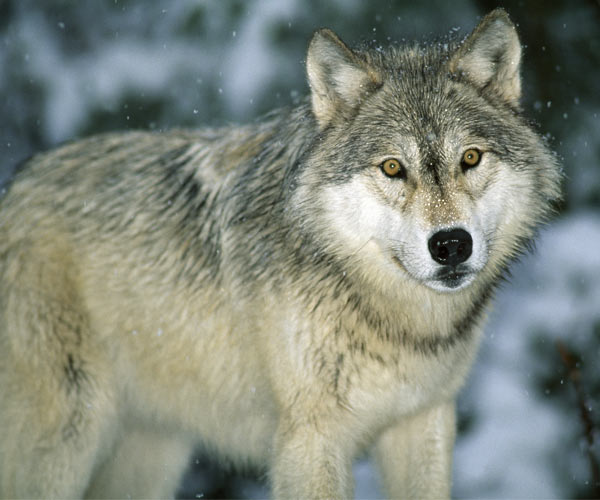
A Glimpse into the Past: Wolves in Historic New York
Historically, New York was indeed a territory populated by wolves. The Eastern Wolf, a distinct subspecies, once roamed freely across the forests and mountains of the Northeast. These apex predators played a crucial role in maintaining the ecological balance of the region. Their presence influenced the behavior and populations of prey animals, thereby shaping the entire ecosystem. However, with the advent of European colonization and westward expansion, wolves faced intense persecution. Habitat loss, driven by agricultural development and urbanization, coupled with direct hunting and trapping efforts, led to their drastic decline. By the early 20th century, wolves were largely extirpated, or locally extinct, from much of their historic range, including New York.
The Decline of a Native Predator
The narrative of wolf decline in New York is unfortunately a common one across North America. As human populations grew and land use intensified, the perceived threat of wolves to livestock and even human safety, though often exaggerated, fueled relentless efforts to eradicate them. This led to bounties, organized hunts, and the widespread use of traps and poisons. The vast forests that once provided ample territory and prey for wolves were fragmented and diminished.
Echoes of the Wild: Remnants and Rediscovery
While the Eastern Wolf was effectively wiped out in New York, the story doesn’t end there. Conservation efforts and a growing understanding of ecological interconnectedness have begun to shift perspectives. The absence of wolves created ecological vacuums, leading to potential imbalances in prey populations and vegetation. This has fostered an interest in the possibility of their return, whether naturally or through managed reintroduction programs. The landscape of New York, with its extensive protected areas like the Adirondack Park, offers significant tracts of wilderness that could theoretically support a wolf population.
The Modern Landscape: Eastern Coyotes and the Wolf Question
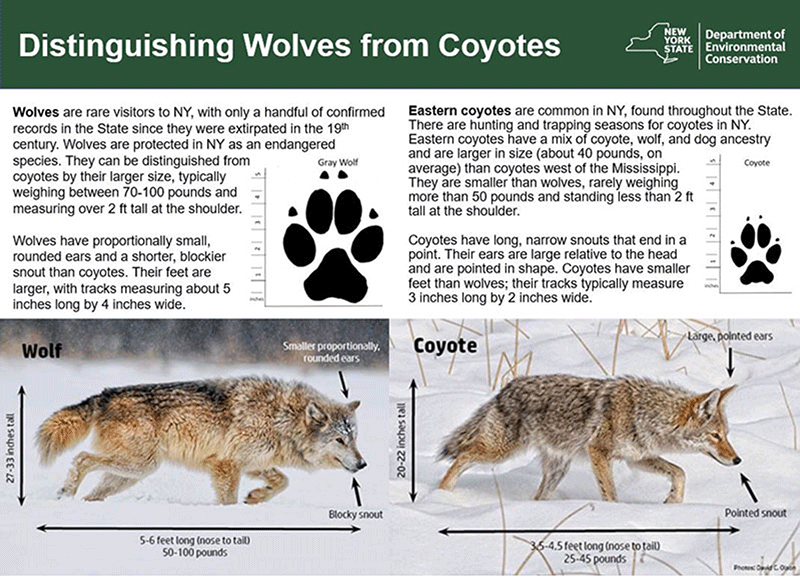
In contemporary New York, the most prominent canid in wilder areas is the Eastern Coyote. These animals are larger and more robust than their western counterparts, and their presence has led to considerable confusion and debate regarding wolf identification. The Eastern Coyote is believed to be a hybrid, with genetic contributions from wolves and domestic dogs, which explains some of its larger size and adaptability. However, distinguishing between a large coyote and a small wolf based on visual identification alone can be challenging for the untrained eye.
The Eastern Coyote: A Success Story of Adaptation
The Eastern Coyote has proven to be incredibly adaptable, thriving in a variety of habitats, from deep forests to suburban fringes. Their diet is varied, consisting of small mammals, deer, and even carrion. While they are not the same as the original Eastern Wolves, their presence indicates that the ecological niche for a medium-to-large predator is still viable in New York.
Genetic Mysteries and Potential Wolf Sightings
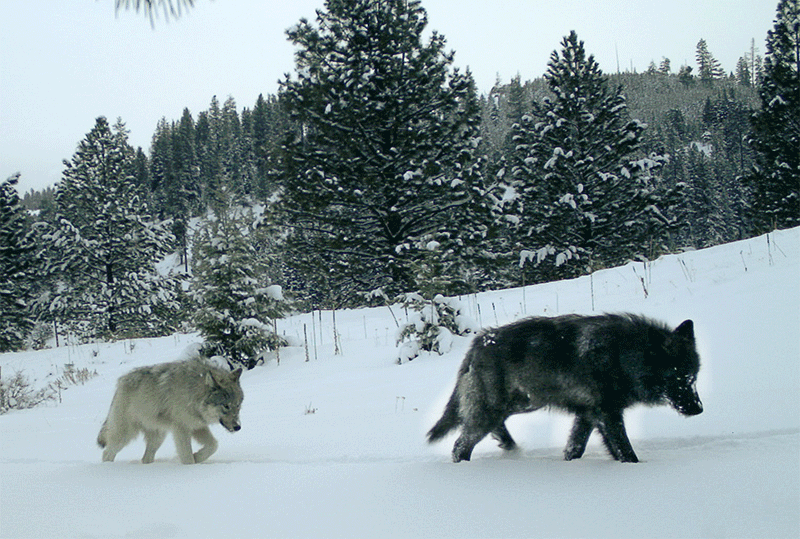
Occasional reports of wolf-like animals surface in New York, prompting investigations by wildlife biologists. Genetic analysis of tissue samples, often from road-killed animals or scat, is crucial in determining the species of these animals. These studies have consistently identified the canids observed as Eastern Coyotes. However, the possibility of occasional dispersals of wolves from neighboring regions, such as Canada, cannot be entirely ruled out, though such occurrences are extremely rare and have not resulted in established populations.
Ecological Considerations and the Future of Wolves in New York
The potential reintroduction or natural return of wolves to New York is a complex issue with significant ecological, social, and economic implications. Ecologists often advocate for the return of apex predators, arguing that they are essential for ecosystem health. However, such proposals must contend with human concerns, including livestock predation and public safety.
The Role of Apex Predators in Ecosystem Health
Apex predators like wolves exert top-down control on ecosystems. By preying on herbivores, they can influence vegetation growth and biodiversity. For instance, wolf predation on deer can lead to a resurgence of young trees and shrubs, benefiting numerous other species. The reintroduction of wolves in areas like Yellowstone National Park has provided compelling evidence of these positive cascading effects.
Challenges and Opportunities for Wolf Reintroduction
Any discussion of wolves in New York inevitably turns to the feasibility of reintroduction. This would require extensive scientific study to assess habitat suitability, prey availability, and the potential for human-wildlife conflict. Public opinion and stakeholder engagement are paramount. Successful reintroduction programs in other parts of the United States, such as in Wyoming and Montana, offer valuable lessons, but each region presents unique challenges. New York‘s densely populated areas and extensive network of roads would pose significant hurdles for a wild wolf population to navigate and establish itself.
Navigating the Wilderness: Wildlife Watching in New York
While the presence of wolves in New York remains largely a matter of historical record and theoretical possibility, the state offers abundant opportunities for wildlife observation. Understanding the state’s fauna, from the common white-tailed deer and diverse bird species to the elusive Eastern Coyote, provides a rich connection to the natural world. For those interested in the wilder side of New York, exploring its vast parks and conservation areas can be a rewarding experience, offering glimpses of the incredible biodiversity that the state supports.
Exploring New York’s Natural Habitats
New York boasts a remarkable diversity of natural landscapes, including the expansive Adirondack Park, the Catskill Mountains, and numerous state forests and wildlife management areas. These areas provide vital habitats for a wide array of wildlife. Hiking trails, scenic drives, and designated wildlife viewing areas offer excellent opportunities to observe animals in their natural settings.
Responsible Wildlife Encounters
When venturing into New York‘s natural areas, responsible wildlife viewing is essential. This includes maintaining a safe distance from all animals, never feeding them, and being aware of your surroundings. While a wolf sighting is highly improbable, encountering other wildlife, such as black bears or coyotes, requires respect and caution to ensure both your safety and the well-being of the animals. Learning to identify common species and understanding their behaviors enriches the experience and fosters a deeper appreciation for New York‘s natural heritage. The ongoing study of New York‘s wildlife continues to reveal the intricate connections within its ecosystems, reminding us that even in a state known for its bustling cities, the wild still holds its own mysteries.
LifeOutOfTheBox is a participant in the Amazon Services LLC Associates Program, an affiliate advertising program designed to provide a means for sites to earn advertising fees by advertising and linking to Amazon.com. Amazon, the Amazon logo, AmazonSupply, and the AmazonSupply logo are trademarks of Amazon.com, Inc. or its affiliates. As an Amazon Associate we earn affiliate commissions from qualifying purchases.