
The question of “How much does Florida pay for unemployment?” might seem purely economic, a matter of public policy and financial safety nets. However, for residents and potential newcomers alike, the answer holds profound implications for lifestyle choices, travel opportunities, and the very fabric of how one experiences the Sunshine State. In a region celebrated globally for its vibrant tourism, stunning natural beauty, and diverse cultural experiences, the economic realities of daily life, particularly during periods of unemployment, directly shape an individual’s ability to engage with and enjoy these very attractions. This article delves into the specifics of Florida’s unemployment benefits and explores their far-reaching effects on local tourism, accommodation choices, and the general lifestyle residents can maintain in a state synonymous with leisure and luxury.
Understanding Florida’s Unemployment Benefits: A Baseline for Lifestyle Planning
Florida’s economic landscape is unique. It’s a state that thrives on tourism, real estate, and a burgeoning tech sector, yet its approach to unemployment assistance often stands in stark contrast to its image as a land of opportunity and endless vacations. Understanding this baseline is crucial for anyone considering living, working, or even extensively traveling within the state, as it dictates the financial flexibility available to them.
The Landscape of Unemployment Assistance in the Sunshine State
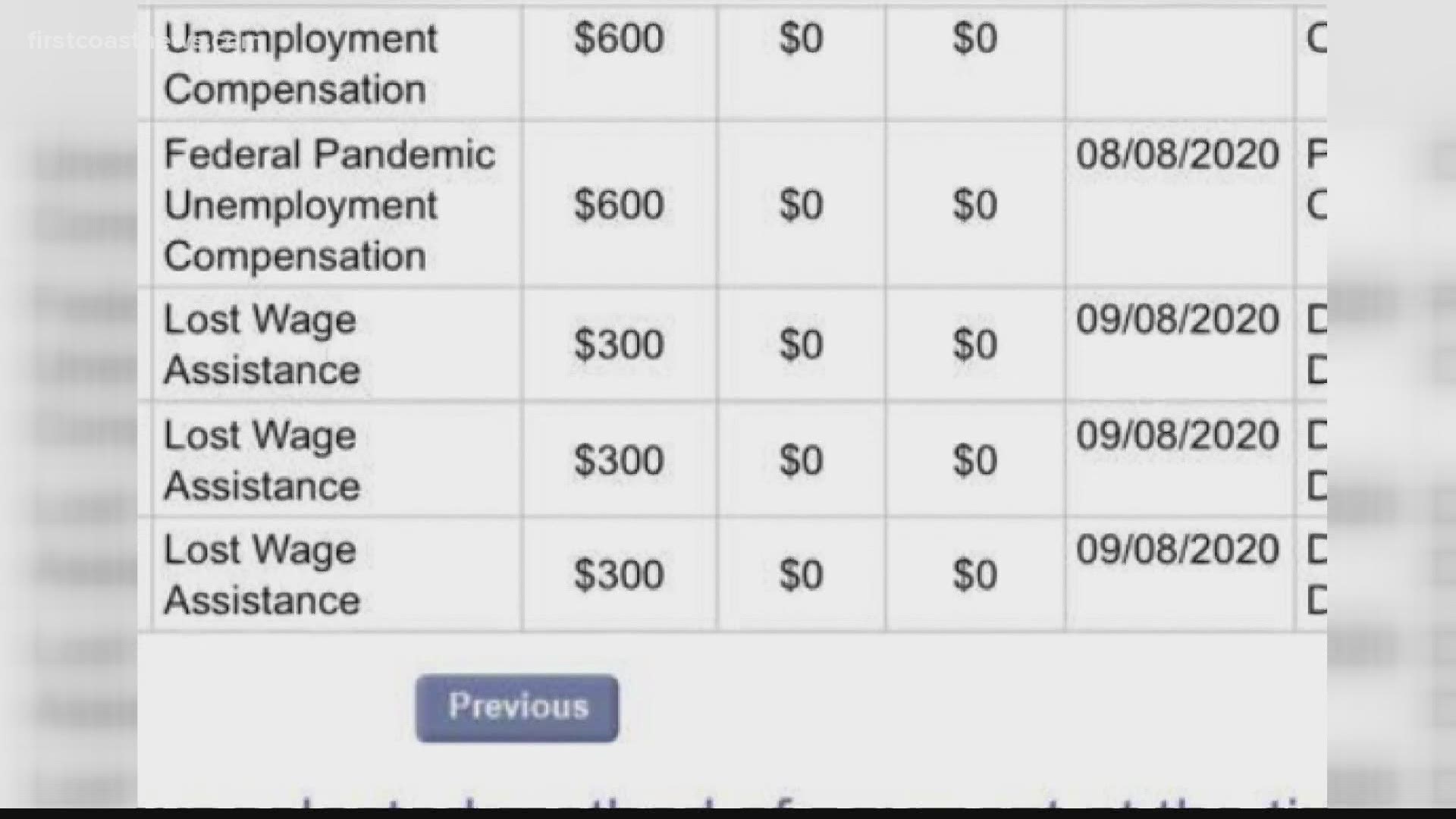
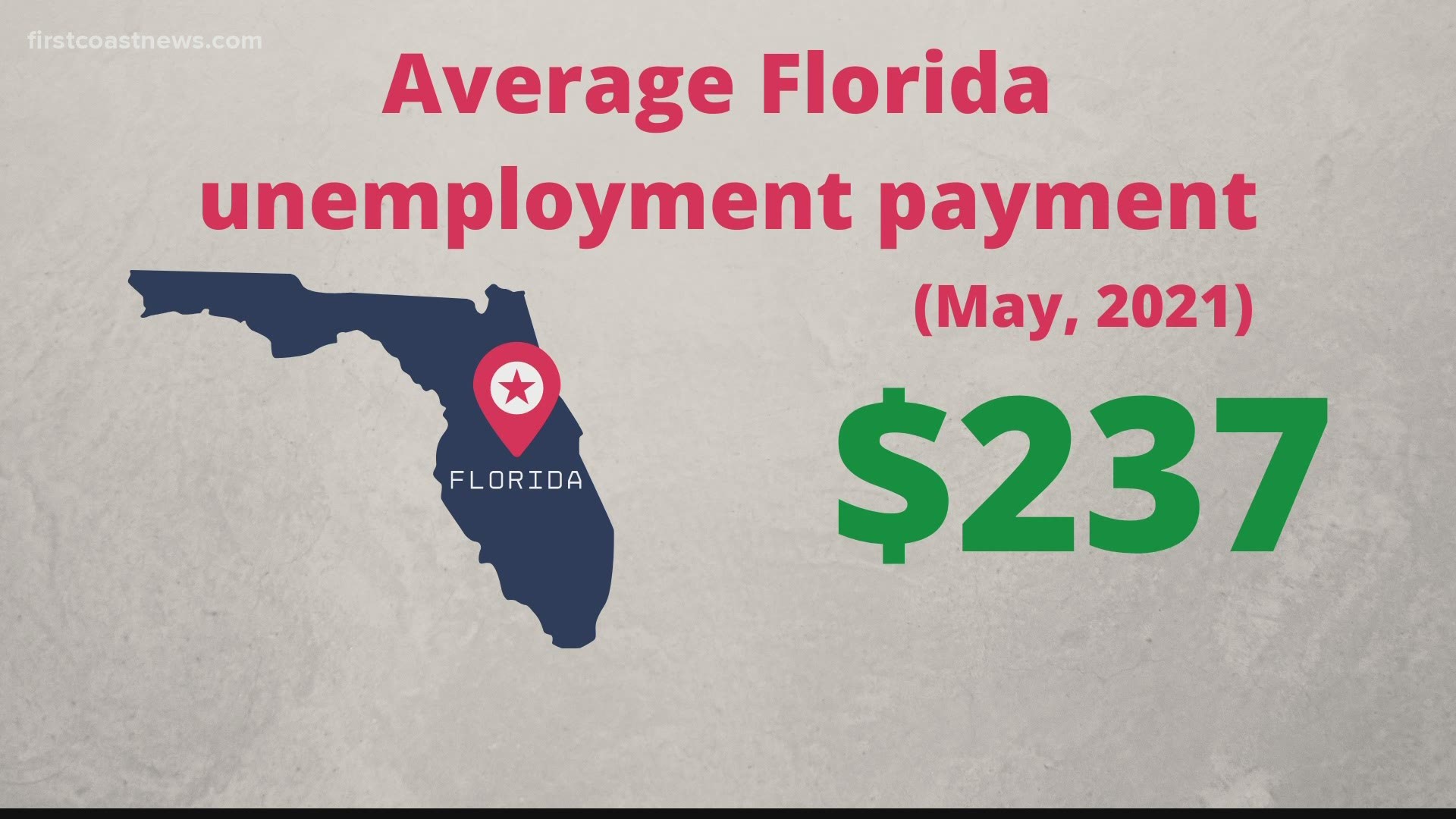
At its core, Florida’s unemployment system, managed by the Florida Department of Economic Opportunity (now FloridaCommerce), aims to provide temporary financial assistance to eligible individuals who have lost their jobs through no fault of their own. The weekly benefit amount in Florida is often cited as one of the lowest in the United States. Historically, the maximum weekly benefit has hovered around $275. While specific figures can fluctuate with legislative changes or economic conditions, this general benchmark offers a critical perspective. For many, this amount barely covers basic living expenses, let alone discretionary spending on travel, entertainment, or dining out – activities that are central to the Florida lifestyle.
The duration of these benefits is also a key factor. Typically, Floridians can receive state unemployment benefits for up to 12 to 14 weeks, depending on the state’s average unemployment rate. During periods of high unemployment, federal programs might extend this duration, but these are often temporary measures. The relatively short duration further underscores the challenge: individuals must quickly find new employment to maintain their standard of living and to continue enjoying the state’s offerings. This financial reality creates a stark contrast with the common perception of Florida as a stress-free paradise, highlighting the need for careful financial planning for residents.
Eligibility for benefits also involves meeting specific criteria, including having earned a certain amount in wages during a “base period” and being able and available for work, actively searching for employment. These requirements, while standard, add another layer of complexity to the lives of those relying on assistance, often taking time and effort away from leisure pursuits that might otherwise define their life in Florida.
Cost of Living vs. Benefit Reality: Impact on Local Travel
The modest unemployment benefits in Florida become particularly challenging when juxtaposed against the state’s often-high cost of living. While there are certainly affordable pockets, many of Florida’s most desirable cities and tourist destinations command significant expenses for housing, transportation, and daily necessities.
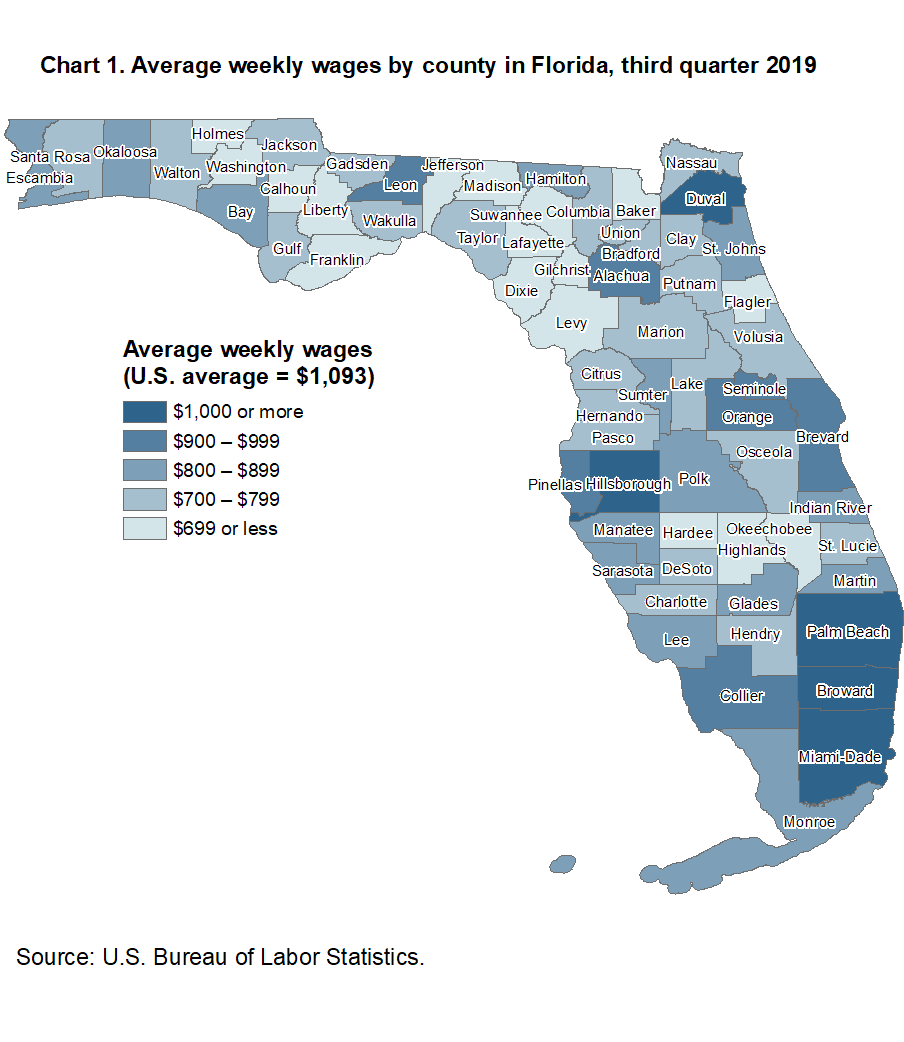
Consider the cost of living in popular urban centers like Miami, Orlando, or along the scenic stretches of the Florida Keys. Rent for an average apartment in Miami can easily consume the entirety of a month’s maximum unemployment benefits, leaving nothing for food, utilities, or transportation. Even in less expensive cities like Jacksonville or parts of the Panhandle, basic expenses can quickly outstrip the support provided. This financial squeeze has a direct and immediate impact on a resident’s ability to participate in local travel and leisure activities.
For instance, a day trip to a major theme park such as Walt Disney World Resort or Universal Orlando Resort becomes an unaffordable luxury. Even simpler pleasures, like a weekend getaway to the historic streets of St. Augustine or a fishing trip in the Gulf Coast’s Destin, require a budget that unemployment benefits simply cannot sustain. The result is a significant curtailment of recreational travel for those receiving assistance, shifting their focus entirely to survival rather than exploration.
This dynamic also affects how residents view their own state. Florida is brimming with world-class attractions, from the pristine beaches of Sarasota to the vibrant nightlife of Fort Lauderdale. However, if one cannot afford to leave their immediate vicinity or spend on experiences, these destinations might as well be on another continent. The economic reality thus creates a barrier to internal tourism for a significant portion of the local population, impacting not just their individual lifestyles but also the broader economy that relies on both inbound and resident spending.
The Ripple Effect: How Unemployment Influences Florida’s Tourism and Local Lifestyle
The modest level of unemployment benefits in Florida doesn’t just affect individual wallets; it creates a ripple effect throughout the state’s economy, particularly impacting its colossal tourism and hospitality sectors. When a substantial portion of the population faces financial hardship, their consumption patterns change, which in turn influences local businesses, accommodation trends, and the overall vibrancy of community life.
Shifting Travel Habits and Staycation Trends
One of the most noticeable impacts of financial constraints from unemployment is a dramatic shift in travel habits. For residents, elaborate vacations or even multi-day trips become largely unfeasible. Instead, there’s a pronounced pivot towards “staycations” – exploring local, free, or low-cost attractions within their own city or immediate region.
This often means more visits to public beaches like South Beach in Miami or the serene shores of Anna Maria Island, exploring free state parks, nature trails, or enjoying picnics in local community green spaces. While these activities are certainly enjoyable and reflective of Florida’s natural beauty, they typically involve minimal spending on accommodation, dining, or attraction tickets. Families might prioritize essential spending over the often-costly admission to major attractions such as Busch Gardens Tampa Bay or SeaWorld Orlando, opting instead for free community events or neighborhood parks.
This shift means that many Floridians, despite living in a global tourism hotspot, are largely excluded from experiencing the very attractions that draw millions of international and domestic visitors. Their travel becomes less about destinations and more about accessibility and cost, transforming their “lifestyle” from one of leisure and exploration to one of resourcefulness and frugality. This also impacts domestic tourism within Florida, as travel between different regions, like from Tampa to the Kennedy Space Center Visitor Complex on the Space Coast, becomes a significant financial hurdle.
Impact on Hospitality and Local Businesses
The reduced spending capacity of a significant portion of the resident population inevitably trickles down to affect the hospitality industry and local businesses. While international tourists and visitors from other states are the primary drivers of Florida’s tourism economy, local spending still forms a crucial bedrock, particularly for smaller enterprises.
Restaurants, cafes, boutiques, and local tour operators that cater to both tourists and residents can feel the pinch when locals tighten their belts. Fewer residents dining out, attending local events, or booking weekend stays at nearby hotels can lead to decreased revenue for these businesses. This can create a downward spiral, where businesses might be forced to reduce staff or scale back offerings, indirectly affecting the quality and variety of experiences available for all visitors, including those from afar.
For accommodation providers, from luxury resorts like the Ritz-Carlton or Four Seasons to budget-friendly hotels and vacation rentals, a strong local economy contributes to sustained demand. While high-end establishments primarily target affluent travelers, the ecosystem of tourism relies on a healthy baseline of consumer confidence and spending. If local residents are struggling, it can create an overall economic malaise that can make even a vibrant tourist destination feel less robust. Moreover, during off-peak seasons, local patronage becomes even more vital, and if that is constrained by economic hardship, businesses face greater challenges. The types of accommodation sought shift, with fewer residents able to splurge on suites or villas, and more opting for budget hotels or even staying with family when traveling within the state.
Navigating Florida: Travel and Lifestyle Choices Amidst Economic Realities
Despite the financial challenges posed by Florida’s unemployment benefit structure, the state remains an incredibly popular destination. For those navigating periods of economic uncertainty, or simply looking to make their budget stretch further, understanding how to maximize the Florida experience without breaking the bank becomes an essential aspect of their lifestyle.
Budget-Friendly Exploration: Unlocking Florida on a Dime
The key to enjoying Florida amidst economic realities is strategic planning and a focus on budget-friendly activities. The state, rich in natural beauty and public resources, offers numerous free or low-cost ways to experience its charm.
- Beaches and Nature: Florida boasts hundreds of miles of stunning coastline, and most public beaches are free to access. Spending a day at the beach – whether it’s people-watching on South Beach, collecting shells on St. Petersburg shores, or simply relaxing by the clear waters of Naples – is a quintessential Florida experience that costs nothing beyond transportation and perhaps a packed lunch. Similarly, Florida’s extensive network of state parks often has minimal entrance fees, offering access to hiking trails, birdwatching, and pristine natural landscapes, such as sections of the Everglades National Park or various state preserves.
- Public Parks and Gardens: Many cities maintain beautiful public parks and botanical gardens that offer free admission. These spaces provide opportunities for relaxation, recreation, and cultural immersion without the high price tag of commercial attractions.
- Scenic Drives and Road Trips: Florida offers numerous scenic drives, from the Florida Keys Overseas Highway to coastal routes along the Gold Coast or the Panhandle. These allow travelers to experience diverse landscapes and charming towns from the comfort of their vehicle, with costs limited to gas.
- Free Cultural Experiences: Many Florida cities host free festivals, farmers’ markets, art walks, and outdoor concerts, particularly during cooler months. Checking local event listings can uncover a wealth of cultural experiences that are open to everyone.
- Accommodation Alternatives: When overnight stays are necessary, budget hotels, motels, camping in state parks, or considering extended-stay apartments can significantly reduce costs compared to resorts or traditional hotels like a Hilton or Marriott. Utilizing booking platforms to compare prices and read reviews is essential for finding the best value.
- Food and Dining: Packing picnics for beach days or park visits, utilizing grocery store delis, and taking advantage of early-bird specials or happy hour menus at local eateries can help manage food costs. Exploring local markets for fresh produce also offers a more authentic and economical dining experience.
By embracing these strategies, Floridians can still enjoy a vibrant lifestyle and explore their state, proving that memorable experiences aren’t always tied to a hefty price tag.
Long-Term Stays and Relocation Considerations
The question of Florida’s unemployment benefits also becomes highly relevant for individuals or families considering a long-term stay or even permanent relocation to the state. Florida’s allure as a retirement haven, a popular destination for remote workers, and a hub for specific industries means that many people contemplate making it their home. The economic safety net (or lack thereof) plays a critical role in this decision-making process.
For those planning to move, the modest unemployment benefits highlight the absolute necessity of securing stable employment before relocating or having a substantial financial cushion. Relying on state assistance during a job search in Florida can prove to be a precarious endeavor given the low benefit amounts and limited duration. This factor weighs heavily on the “lifestyle” aspect of living in Florida, as financial security underpins the ability to enjoy the state’s offerings.
Accommodation for long-term stays also becomes a crucial consideration. Unlike short-term tourist visits where resorts or traditional hotels might be preferred, long-term residents often look for more stable and affordable housing. This could mean renting apartments, villas, or even considering purchasing property. The housing market, particularly in desirable areas, is competitive and expensive. Therefore, a clear understanding of one’s financial resilience, including access to unemployment benefits if needed, is integral to making an informed decision about settling in Florida.
For example, a family moving from Canada or another United States state for a warmer climate might initially overlook the local unemployment benefits in their excitement for the lifestyle. However, understanding this aspect of the economic environment is key to a sustainable and enjoyable long-term stay, ensuring that they can truly embrace the Florida lifestyle rather than just observe it.
Florida’s Enduring Appeal: Beyond Financial Constraints
Despite the often-modest unemployment benefits and the resultant financial considerations for residents, Florida’s enduring appeal as a destination remains undiminished. Its unique blend of natural beauty, diverse cultures, and endless recreational opportunities continues to draw millions of visitors annually and captivate those who call it home.
The state’s iconic landmarks, from the vast wilderness of Everglades National Park to the historic charm of St. Augustine, offer experiences that transcend economic status. The pristine beaches of St. Petersburg and the vibrant urban landscapes of Miami are accessible to all, providing spaces for relaxation, reflection, and community, regardless of one’s financial situation. Florida’s lifestyle, characterized by outdoor activities, sunshine, and a relaxed pace, is intrinsically linked to its natural environment, much of which is freely available for enjoyment.
For many, the dream of living in Florida is driven by more than just economic factors; it’s about the quality of life, the access to year-round outdoor activities, and the rich cultural tapestry woven by diverse communities. While the financial safety net might require careful consideration, especially during times of unemployment, it doesn’t diminish the fundamental allure of the state. It simply means that residents and potential movers need to be more strategic in their financial planning and resourceful in how they choose to experience Florida. The state truly offers experiences for all budgets, if one knows where to look and how to plan effectively.
In conclusion, while the question of “How much does Florida pay for unemployment?” reveals a relatively modest level of financial assistance, its implications extend far beyond mere numbers. It influences residents’ ability to partake in local tourism, shapes their lifestyle choices, and underscores the importance of financial preparedness for anyone living in or considering a long-term stay in the Sunshine State. Yet, Florida’s inherent charm, its wealth of attractions, and its diverse experiences continue to offer memorable opportunities for all, inspiring creativity and resourcefulness in navigating its unique economic landscape.
LifeOutOfTheBox is a participant in the Amazon Services LLC Associates Program, an affiliate advertising program designed to provide a means for sites to earn advertising fees by advertising and linking to Amazon.com. Amazon, the Amazon logo, AmazonSupply, and the AmazonSupply logo are trademarks of Amazon.com, Inc. or its affiliates. As an Amazon Associate we earn affiliate commissions from qualifying purchases.