
The question of whether tolls are suspended in Florida is a frequent one, particularly for residents and visitors planning their journeys across the Sunshine State. Understanding Florida’s toll system, especially during periods of declared emergencies or special events, can significantly impact travel plans and budgets. While the idea of suspended tolls is often associated with disaster relief or seasonal promotions, it’s crucial to differentiate between official state actions and localized or temporary suspensions.
Florida’s Comprehensive Toll Road Network
Florida is home to an extensive network of toll roads, managed primarily by the Florida Turnpike Enterprise (FTE), a division of the Florida Department of Transportation (FDOT). These toll roads are vital arteries that connect major cities, facilitate freight movement, and provide efficient travel routes for millions of residents and tourists annually. The revenue generated from tolls is reinvested into maintaining and expanding these roadways, as well as funding other transportation projects across the state.
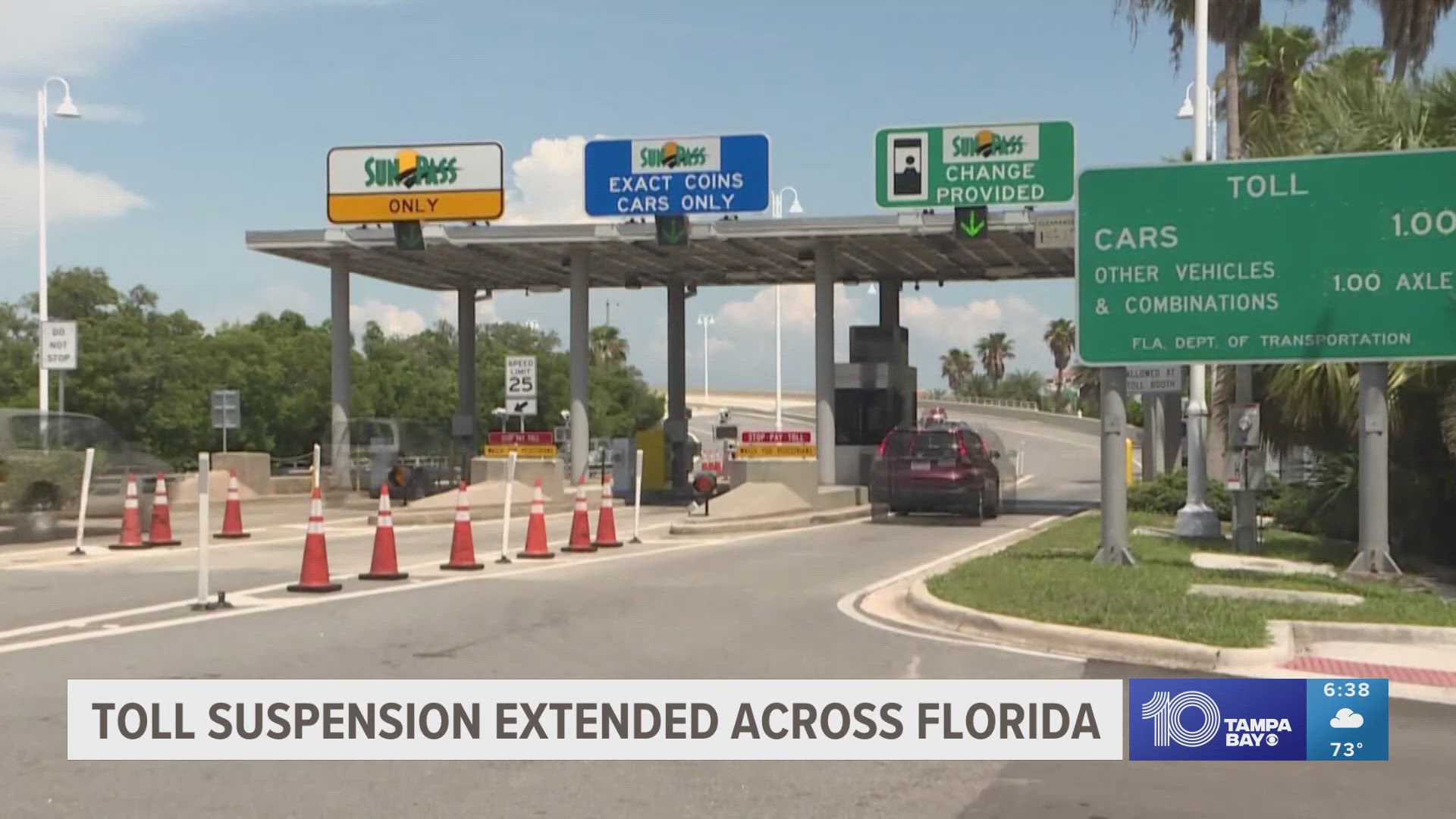
Key Toll Authorities and Systems
Beyond the FTE, other entities operate toll facilities. For instance, the Central Florida Expressway Authority (CFX) manages a significant portion of the toll roads in the Orlando metropolitan area, and the Tampa Hillsborough Expressway Authority (THEA) oversees toll facilities in Tampa. Understanding which authority manages a particular toll road is important, as different authorities might have unique policies or communication channels.
The Technology of Toll Collection
Most toll collection in Florida is now electronic, utilizing systems like SunPass, EPass, and UNICOS. These transponder-based systems allow for seamless travel through toll plazas, eliminating the need for cash transactions and speeding up traffic flow. For those without transponders, license plate recognition is used, and bills are mailed to the registered owner of the vehicle. The efficiency of these systems underscores the importance of toll revenue for maintaining the quality and capacity of Florida’s road infrastructure.
When Tolls Might Be Suspended
The suspension of tolls in Florida is not a common occurrence for everyday travel. It is almost exclusively tied to specific, critical situations. The most significant reason for widespread toll suspension is in response to declared states of emergency, typically due to approaching hurricanes or other natural disasters.
Emergency Evacuations and Hurricane Preparedness
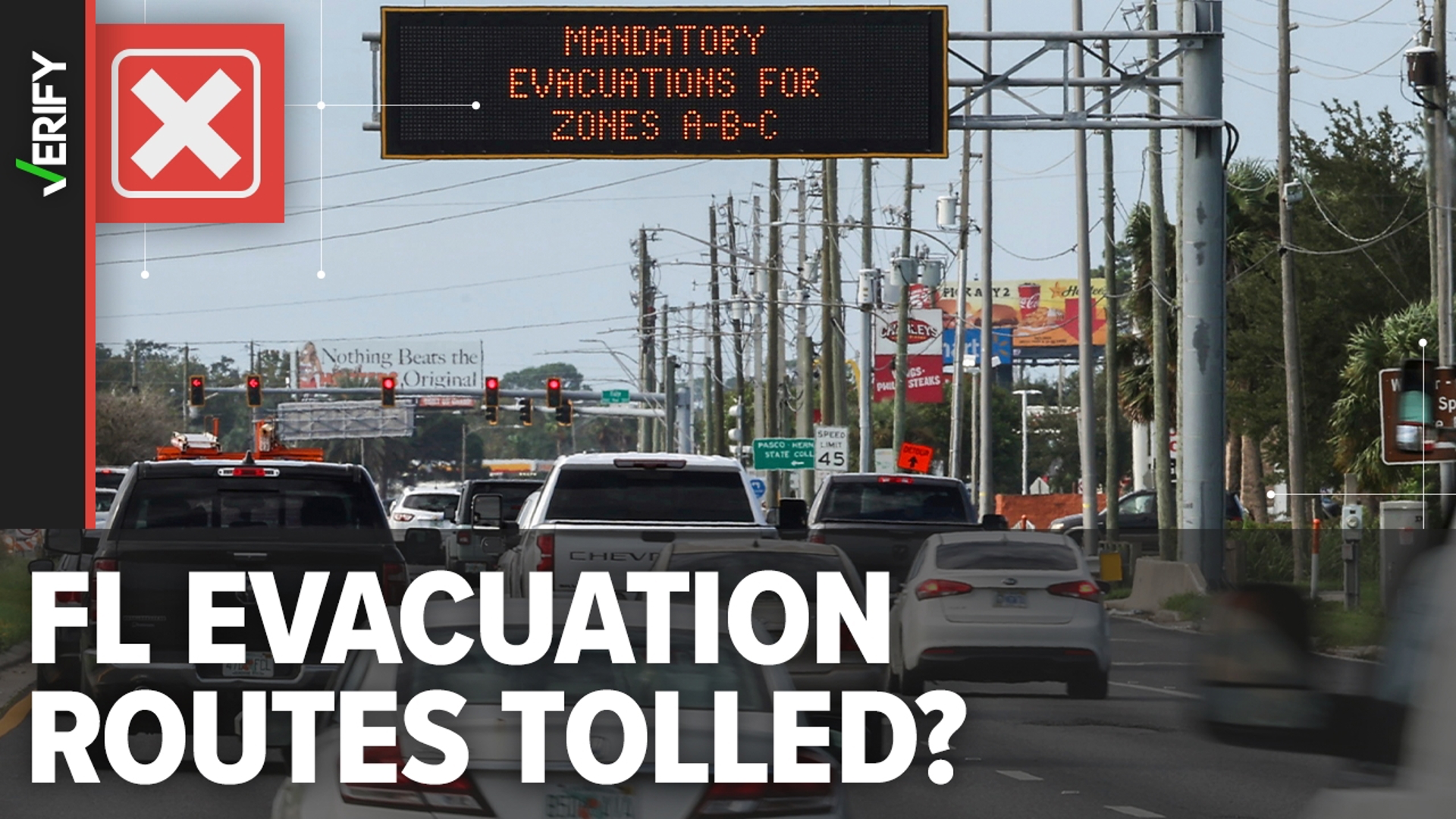
During hurricane season, which runs from June 1 to November 30, the governor of Florida may order the suspension of tolls on specific routes to facilitate the evacuation of coastal areas and ensure residents can reach safety without financial barriers. This measure is a critical component of disaster preparedness, aimed at removing any potential impediments to people leaving danger zones. FDOT works closely with the Florida Division of Emergency Management to coordinate these suspensions.
When a toll suspension is ordered for an evacuation, it is usually announced through official state channels, news outlets, and emergency alert systems. The suspension is typically in effect for specific toll roads leading away from potential disaster areas and is lifted once the immediate threat has passed and it is safe for residents to return. It is vital for residents and travelers to monitor official advisories from the FDOT and local emergency management agencies during such events.
Other Potential Scenarios
While less common, there have been instances where tolls might be temporarily suspended for other reasons. These could include major public events, significant construction projects that require detours and might necessitate waiving tolls on alternative routes for a short period, or even as part of promotional campaigns by specific toll authorities, though this is rare. However, these situations are localized and temporary, and always clearly communicated in advance.
How to Stay Informed About Toll Status
Given that toll suspensions are event-driven and often announced with short notice, staying informed is paramount for anyone traveling in Florida. Relying on rumor or outdated information can lead to confusion and unexpected expenses.
Official Sources of Information
The most reliable sources for information regarding toll suspensions are the official websites and social media channels of the relevant transportation authorities and state agencies.
- Florida Department of Transportation (FDOT): The FDOT’s main website and its dedicated traffic and incident information pages are crucial resources. They often provide real-time updates on traffic conditions, road closures, and any state-ordered toll suspensions.
- Florida Turnpike Enterprise (FTE): As the primary operator of Florida’s toll roads, the Florida Turnpike Enterprise will announce any suspensions affecting its network through its official communications.
- Local Expressway Authorities: For regions managed by entities like the Central Florida Expressway Authority or the Tampa Hillsborough Expressway Authority, checking their respective websites and social media is advisable.
- Florida Division of Emergency Management (FDEM): During declared emergencies, the FDEM will be the lead agency coordinating information and advisories, including details about toll suspensions related to evacuations.
Utilizing Technology for Real-Time Updates
In addition to official websites, several technological tools can help travelers stay informed:
- Traffic Apps: Navigation apps such as Google Maps and Waze often incorporate real-time traffic data, including reported road closures and sometimes even information about toll status. Users can often receive alerts for significant disruptions.
- Social Media: Following the official social media accounts (e.g., on X, formerly Twitter) of the FDOT, FTE, and local authorities can provide immediate updates as events unfold. Hashtags related to hurricanes, evacuations, and traffic advisories are commonly used during emergencies.
- News Outlets: Local and state news channels, both television and radio, play a vital role in disseminating information to the public, especially during emergencies. Tuning into these during critical periods is highly recommended.
The Financial Implications of Tolls and Suspensions
Understanding the financial aspect of Florida’s toll roads is important for planning travel budgets. While tolls can add up, they are a necessary component of maintaining a high-quality road network.
The Cost of Tolls
The cost of tolls varies depending on the specific road, the distance traveled, and the payment method used. Electronic payment methods like SunPass typically offer the lowest rates, while pay-by-plate options or cash (where available) are often more expensive. For frequent travelers, a SunPass transponder is a cost-effective investment. The revenue generated from these tolls is critical for funding infrastructure improvements, such as widening roads, repairing bridges, and implementing new technologies to enhance safety and efficiency.
The Impact of Suspensions
When tolls are suspended, particularly during evacuations, the immediate financial relief can be significant. This waiver of fees aims to remove a barrier to safety, ensuring that cost is not a deterrent for individuals needing to evacuate. However, it’s important to remember that these suspensions are temporary and localized. Once the emergency situation subsides, tolls will resume. Travelers should not assume tolls are suspended indefinitely or outside of official emergency declarations. The economic impact of a widespread toll suspension, even if temporary, represents a significant loss of revenue for the state’s transportation projects, which is then recouped through future toll collections or other funding sources.
Planning Your Travel in Florida
Whether you are a resident or a visitor, understanding Florida’s toll system and the conditions under which tolls might be suspended will enhance your travel experience. Always plan your routes with the knowledge that tolls are the norm, and approach any news of suspensions with caution, verifying information from official sources.
Regular Travel and Tolls
For routine travel across Florida, assume that all toll roads are active and collecting fees. Investing in a SunPass transponder or understanding the pay-by-plate system is essential for efficient and cost-effective travel. Many attractions, from theme parks in Orlando to the beaches of Miami, are accessible via toll roads, and factoring these costs into your travel budget is prudent.

Preparing for Emergencies
During hurricane season, it is vital to have an evacuation plan in place. This plan should include staying informed about potential weather threats and monitoring official advisories for any toll suspensions that may be implemented to aid evacuations. Having a full tank of gas, essential supplies, and a clear understanding of evacuation routes will make the process smoother and safer, especially if tolls are temporarily waived to expedite movement.
In conclusion, while the idea of suspended tolls in Florida is appealing, it is a measure reserved for critical situations like emergency evacuations. For everyday travel, the state’s extensive toll network remains operational, providing efficient passage throughout the Sunshine State. Staying informed through official channels is the most effective way to navigate Florida’s roadways.
LifeOutOfTheBox is a participant in the Amazon Services LLC Associates Program, an affiliate advertising program designed to provide a means for sites to earn advertising fees by advertising and linking to Amazon.com. Amazon, the Amazon logo, AmazonSupply, and the AmazonSupply logo are trademarks of Amazon.com, Inc. or its affiliates. As an Amazon Associate we earn affiliate commissions from qualifying purchases.