
The transformation of a beloved sports franchise from the Florida Marlins to the Miami Marlins is more than just a name change; it signifies a profound evolution in the team’s identity, its connection to its home city, and its aspirations within the vibrant landscape of Major League Baseball. This shift, officially occurring in late 2011, marked a new era for the franchise, deeply intertwined with the development of a state-of-the-art ballpark and a renewed commitment to the Miami metropolitan area. To understand this transition is to delve into the history of baseball in South Florida, the economic and cultural forces at play, and the enduring appeal of professional sports as a focal point for civic pride and regional identity.
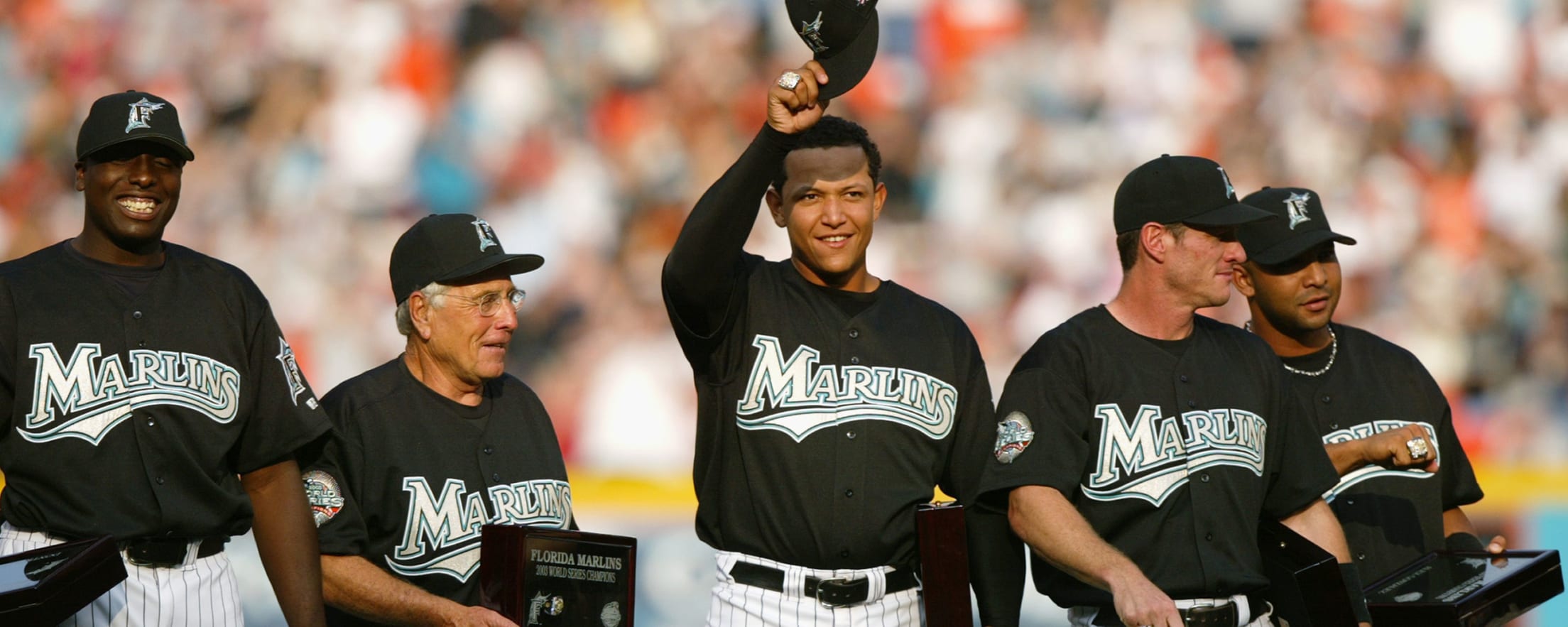
The Genesis of a Franchise and its Early Years
The original iteration, the Florida Marlins, burst onto the scene in 1993 as an expansion team, bringing Major League Baseball to the Sunshine State. The choice of “Florida” in the name was an ambitious attempt to appeal to a broad regional fanbase across the entire state, from Jacksonville down to Key West. However, it soon became apparent that the team’s heart and soul, and its primary operational base, were firmly rooted in South Florida.
The early years of the Florida Marlins were characterized by a surprising level of success, particularly for an expansion club. Against considerable odds, the team achieved a remarkable World Series victory in 1997, a feat that captivated the nation and etched the team’s name into baseball history. This triumph was followed by another improbable World Series championship in 2003, solidifying the team’s reputation as a formidable contender, often referred to as “the wildest of them all” due to their unexpected runs. These championships, while celebrated, were also emblematic of a franchise that often seemed to operate on a tight budget, with player rosters frequently dismantled after successful seasons. This pattern, while financially pragmatic for ownership, sometimes led to fan frustration and questions about long-term team building.
Ballpark Challenges and Fan Engagement
Throughout their tenure as the Florida Marlins, the team played their home games at Pro Player Stadium, later renamed Dolphin Stadium, Land Shark Stadium, and finally Sun Life Stadium. While a familiar venue for many, it was originally built for football, leading to a less-than-ideal baseball experience. The expansive outfield, cavernous seating, and lack of a true baseball atmosphere often contributed to lower attendance figures, even during championship seasons. This disconnect between the team’s on-field success and its fan engagement in the stadium became a recurring theme. The team’s identity was somewhat diluted by its statewide moniker, yet its primary operational and fan base was concentrated in the Miami-Dade area.
The Impetus for Change: A New Era Dawns
The decision to rebrand as the Miami Marlins was not a sudden whim but a carefully considered strategic move, spurred by a confluence of factors. The most significant catalyst was the development of a brand-new, state-of-the-art ballpark designed specifically for baseball. Marlins Park, now known as loanDepot park, opened its doors in 2012, heralding a new chapter for the franchise. This modern facility, located in the heart of Miami, was intended to provide a superior fan experience, foster a stronger connection with the local community, and ultimately drive attendance and revenue.
The name change itself was a critical component of this strategic overhaul. By officially adopting “Miami” as part of their identity, the franchise signaled a definitive commitment to the city and its surrounding areas. This rebranding aimed to cultivate a more concentrated and passionate fanbase, capitalizing on the vibrant culture and diverse population of Miami-Dade County. It was a deliberate effort to shed the more generalized “Florida” identity and embrace the specific, energetic spirit of Miami. This move was also intended to align the team more closely with other major professional sports franchises in the city, such as the Miami Heat and the Miami Dolphins, which already bore the city’s name.
Strategic Rationale and Community Alignment

The renaming was a strategic maneuver designed to enhance the team’s marketability and brand recognition within a key demographic. Miami is a global city with a strong international flavor, and aligning the team with this identity was seen as a way to attract not only local residents but also tourists and a broader international audience. The change also reflected a desire to tap into the burgeoning economic growth and development of the Miami metropolitan area. The ownership group envisioned a team that would be not just a sports franchise but a symbol of Miami’s rise as a major cultural and economic hub.
The Official Transition: A Date in History
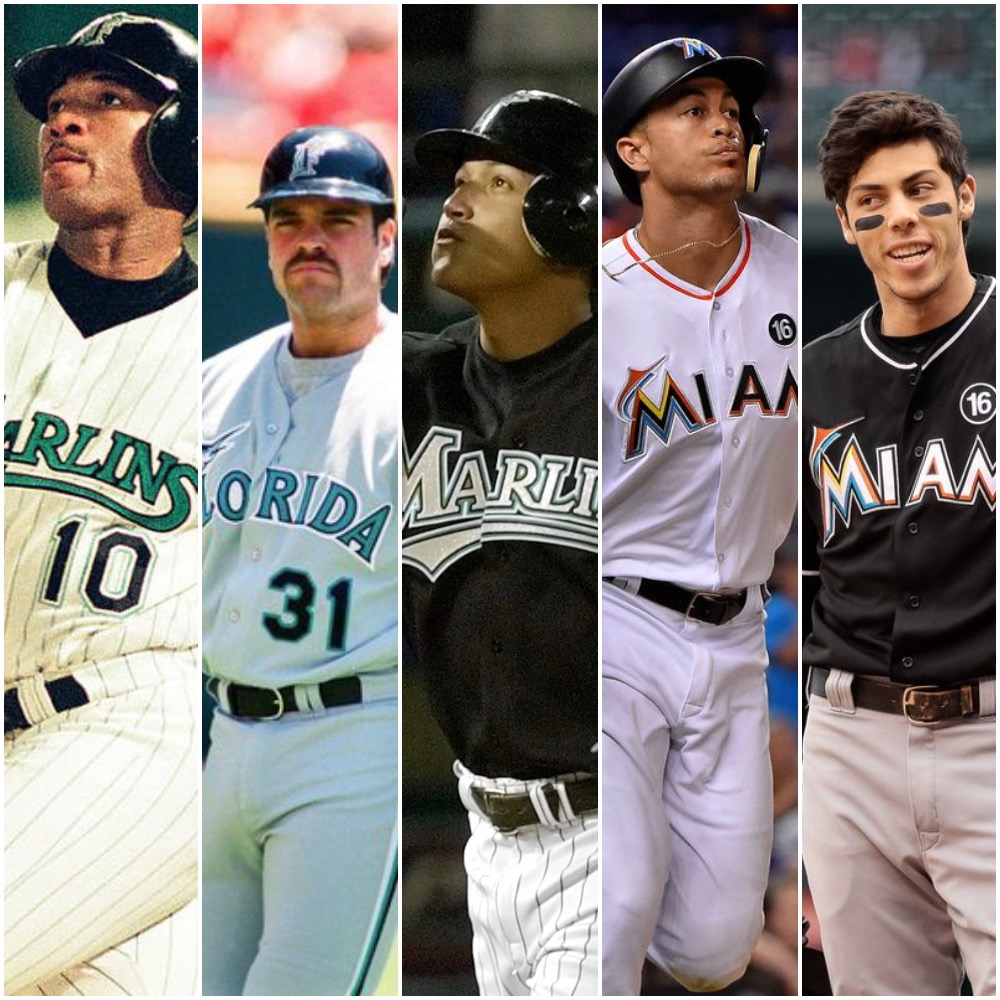
The official announcement and implementation of the name change from the Florida Marlins to the Miami Marlins occurred on November 11, 2011. This date marked the culmination of extensive planning and marketing efforts. The unveiling of the new team name, logo, and colors was a significant media event, generating considerable buzz and anticipation among baseball fans and the wider Miami community. The new visual identity embraced the vibrant colors and cultural influences associated with Miami, featuring a sleek, modern design that aimed to appeal to a younger demographic.
Unveiling the New Identity
The new Miami Marlins branding was a deliberate departure from the past. The team introduced a new logo featuring a marlin leaping from the water, rendered in vibrant blues and oranges, colors that evoke the tropical environment of South Florida. The uniforms were redesigned to reflect a modern aesthetic, aiming to be both stylish and reflective of the team’s new, forward-looking identity. This visual overhaul was an integral part of the rebranding, designed to capture the imagination of fans and create a fresh, exciting image for the franchise.
Post-Rebranding: The Miami Marlins Era
The years following the transition have been a period of significant change and development for the franchise. The opening of Marlins Park in 2012 was a monumental achievement, providing the team with a world-class facility that dramatically improved the fan experience. The ballpark itself became a landmark, known for its retractable roof, vibrant art installations, and unique architectural features, including a stunning swimming pool in the outfield seating area, a novelty in MLB.
While the Miami Marlins have continued to strive for on-field success, the post-rebranding era has seen its share of ups and downs. The team has made significant investments in player personnel, attempting to build a consistent winner. The transition also brought new ownership groups, each with their own vision for the franchise’s future. The new identity has fostered a closer relationship with the city of Miami, with the team actively engaging in community outreach programs and local events.
The Ballpark as a Hub for Miami Culture
Marlins Park has evolved into more than just a baseball stadium; it has become a vibrant hub for entertainment and culture in Miami. The venue hosts a variety of events beyond baseball games, including concerts, international soccer matches, and corporate gatherings, further cementing its role as a significant landmark within the city. The architecture and design of the park reflect the diverse cultural influences of Miami, making it a unique and memorable destination for both locals and visitors. The focus on the name change and the new ballpark signifies a deep connection to the city and its unique characteristics.
The shift from the Florida Marlins to the Miami Marlins on November 11, 2011, was a pivotal moment, symbolizing a deliberate and strategic rebranding effort. It was a move designed to anchor the franchise firmly within the dynamic city of Miami, foster a stronger connection with its fanbase, and leverage the excitement surrounding the development of a new, modern ballpark. This transformation reflects a broader trend in professional sports, where team identity and its connection to a specific locale are crucial for building a lasting legacy and fostering deep-rooted community engagement. The story of the Marlins is a testament to the evolving nature of sports franchises and their role in shaping regional identity and civic pride.
LifeOutOfTheBox is a participant in the Amazon Services LLC Associates Program, an affiliate advertising program designed to provide a means for sites to earn advertising fees by advertising and linking to Amazon.com. Amazon, the Amazon logo, AmazonSupply, and the AmazonSupply logo are trademarks of Amazon.com, Inc. or its affiliates. As an Amazon Associate we earn affiliate commissions from qualifying purchases.