
Navigating the process of acquiring a 30-day temporary tag in Florida is a crucial step for anyone who has recently purchased a vehicle or needs to operate an unregistered vehicle for a limited time. Whether you’ve bought a car from a private seller, are a new resident bringing your vehicle into the state, or have acquired a vehicle that needs immediate use before permanent registration, understanding the cost and requirements for these temporary permits is essential. This guide delves into the specifics of obtaining a 30-day temporary tag in the Sunshine State, covering associated fees, where to get them, and important considerations to ensure a smooth and compliant transition.

Understanding the Purpose and Types of Temporary Tags in Florida
Temporary tags, often referred to as temporary plates or limited-use registration, serve as a bridge between vehicle acquisition and full, permanent registration. In Florida, they are typically issued to allow drivers to legally operate a vehicle on public roads while the permanent registration process is being completed. The primary purpose is to provide a short-term, legal means of transport.
The 30-Day Temporary Tag: Your Short-Term Solution
The 30-day temporary tag is the most common type of temporary registration for individuals purchasing vehicles. It’s designed for situations where the buyer needs to drive the vehicle immediately but hasn’t yet completed all the steps for permanent registration, which can sometimes take a few days or even longer, especially if there are title issues or if you’re a new resident.
There are a few key scenarios where a 30-day tag is applicable:
- Private Vehicle Sales: When you purchase a vehicle from an individual seller, they will not provide a permanent tag. You will need a temporary tag to drive the vehicle legally until you can register it at the county tax collector’s office.
- New Residents: If you move to Florida and bring your out-of-state registered vehicle, you will need to register it within a specified timeframe. A temporary tag can cover this period if the permanent registration process is not immediately finalized.
- Dealers Issuing Temporary Plates: Licensed Florida dealerships are required to issue temporary tags to purchasers of new or used vehicles. These are typically valid for 30 days, allowing the customer to drive the vehicle while the dealership handles the permanent registration paperwork.
Other Temporary Tag Options (Briefly)
While the focus is on the 30-day tag, it’s worth noting that other temporary registration options exist for specific circumstances, such as:
- 7-Day Temporary Plate: Often issued by dealerships for immediate use while permanent plates are being processed.
- 90-Day Temporary Plate: Typically used for vehicles being transported out of state for sale or for special circumstances requiring extended temporary operation.
For the average consumer purchasing a vehicle, the 30-day tag is the most relevant.
The Cost of a 30-Day Temporary Tag in Florida
The cost of a 30-day temporary tag in Florida is not a single, fixed price. It is comprised of several components, including a base plate fee, a service fee, and potentially taxes or other surcharges depending on the issuing entity and the specific vehicle.
Base Plate Fee and Service Charge
The primary components that contribute to the cost are:
- Temporary Plate Fee: This is the statutory fee for the issuance of the temporary tag itself. As of recent regulations, this fee is typically around $12.50.
- Service Fee: This fee covers the administrative costs associated with issuing the tag. This can vary slightly depending on where you obtain the tag.
Where You Obtain Your Temporary Tag Impacts Cost
The total cost can fluctuate based on where you procure your 30-day temporary tag. There are two primary avenues:
-
Licensed Florida Dealerships: When you purchase a vehicle from a dealer, they are legally obligated to provide you with a temporary tag. The cost is usually rolled into the overall purchase price or clearly itemized on your bill of sale. The dealership typically charges a fee that covers the temporary plate, service charges, and their administrative costs in processing the registration for you. This might range from $20 to $75 or more, depending on the dealership’s overhead and the services they include. While they might charge a bit more than the direct cost of the tag, they are handling the processing, saving you a trip to the tax collector’s office immediately.
-
County Tax Collector’s Offices or Authorized Third-Party Providers: If you purchase a vehicle from a private seller or if a dealership doesn’t provide one (which is rare for dealers), you will need to visit a county tax collector’s office or an authorized third-party vendor that can issue temporary tags. At these locations, you will typically pay the statutory fees more directly. The cost would generally be the $12.50 temporary plate fee plus a service fee that might range from $5 to $15. Therefore, you could expect to pay roughly $17.50 to $27.50 for the tag itself at these official locations.
Additional Fees to Consider
It’s important to be aware that additional fees might be incorporated, especially if you are also completing your permanent registration at the same time. These could include:
- Title Transfer Fees: If you are transferring ownership of the vehicle.
- Sales Tax: Florida sales tax on the purchase price of the vehicle (if not paid to the seller). This is a significant cost and is based on the vehicle’s value and your local tax rate.
- Registration Fees: The annual fees for your permanent license plate and registration, which vary based on the vehicle type, weight, and age.
- Plate Fees: The cost for the actual license plate.
These additional fees are separate from the cost of the temporary tag itself but are often incurred during the same process of getting your vehicle legally on the road.
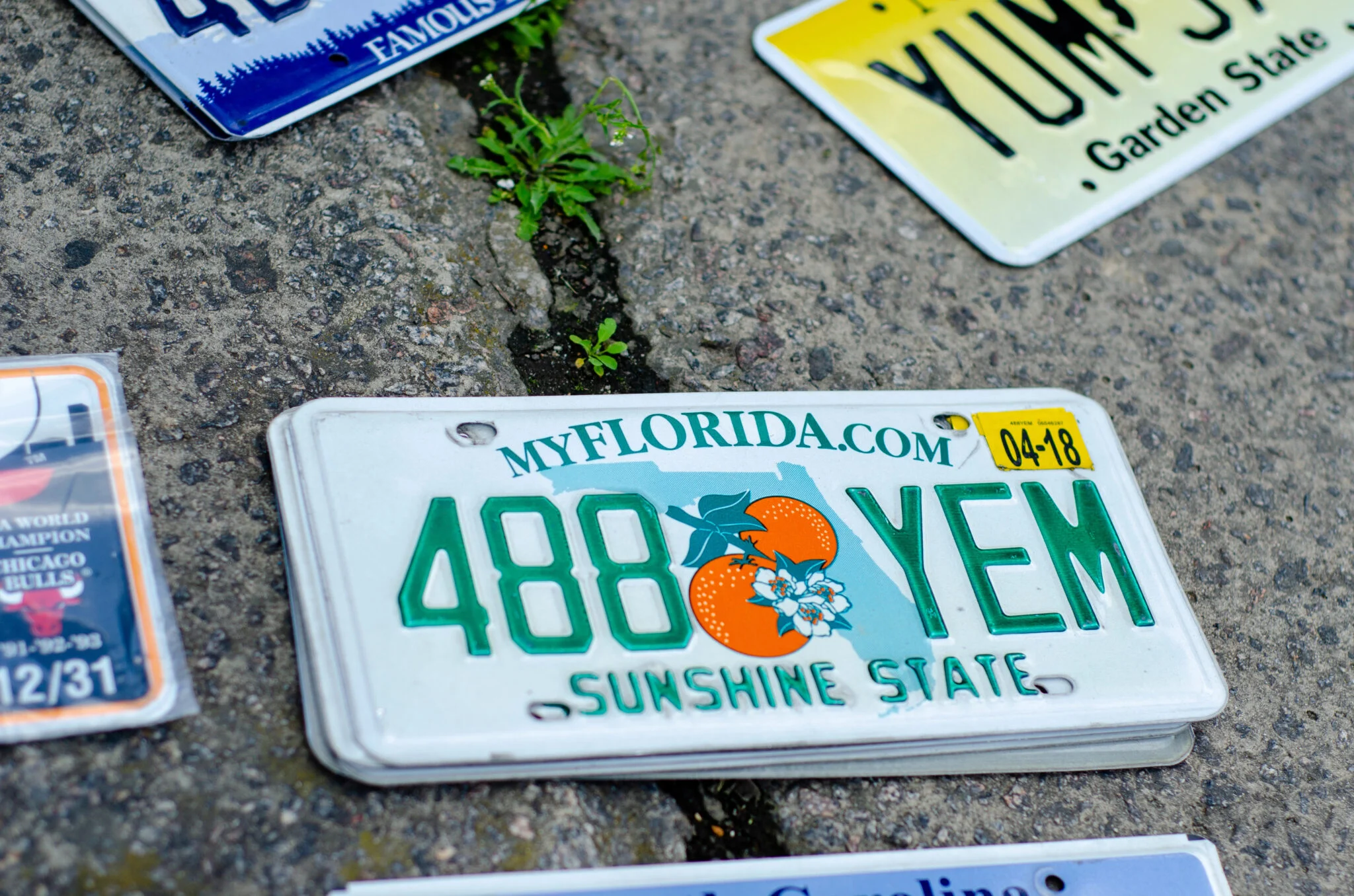
Where to Obtain Your 30-Day Temporary Tag
Knowing where to go is as important as understanding the cost. Florida residents have a few options for obtaining their 30-day temporary tag:
Licensed Dealerships
As mentioned, if you buy a vehicle from a licensed Florida dealer, they are required to issue you a temporary tag. This is usually part of the sales contract and is handled by the dealership’s finance and insurance (F&I) department. They will provide you with the tag and the necessary paperwork to display it. This is often the most convenient option if you are buying from a dealership.
County Tax Collector’s Offices
Each county in Florida has a tax collector’s office with offices that handle motor vehicle services. These offices are equipped to issue temporary tags, as well as process full registrations and title transfers. If you purchased a vehicle from a private party or need a temporary tag for another reason, this is a reliable place to go. You will need to bring specific documentation, which we will cover later.
Authorized Third-Party Vendors
In some areas, the Florida Department of Highway Safety and Motor Vehicles (FLHSMV) authorizes private businesses to issue temporary tags and handle motor vehicle transactions. These are often tag and title agencies or insurance agencies. They can provide a similar service to the tax collector’s office, sometimes offering extended hours or more convenient locations, but they may charge a slightly higher service fee. It’s advisable to verify that any vendor you use is indeed authorized by the FLHSMV.
Required Documentation for Obtaining a Temporary Tag
To ensure a smooth process when obtaining your 30-day temporary tag, it’s crucial to have the correct documentation ready. The requirements can vary slightly by county, but the following are generally essential:
For Vehicles Purchased from a Dealership
If you purchase from a dealership, they will handle most of the paperwork for the temporary tag. However, you should still ensure you have:
- Proof of Identity: A valid driver’s license or state-issued identification card.
- Proof of Insurance: A Florida insurance policy for the vehicle. You cannot drive legally without this.
- Bill of Sale: A document from the dealership detailing the purchase price and vehicle information.
For Vehicles Purchased from a Private Seller (or other scenarios)
When obtaining a tag from a tax collector’s office or an authorized vendor after a private sale, you will need more documentation:
- Proof of Identity: A valid driver’s license or state-issued identification card for the purchaser.
- Proof of Insurance: A valid Florida insurance policy for the vehicle. This is non-negotiable. You must have insurance before you can get a temporary tag.
- The Vehicle Title: The original title of the vehicle, properly signed over to you by the seller. This is the most critical document proving ownership.
- Bill of Sale: A written agreement between the buyer and seller detailing the vehicle’s make, model, year, VIN, purchase price, date of sale, and the names and signatures of both parties.
- Odometer Disclosure Statement: For vehicles less than 10 years old, a disclosure of the vehicle’s mileage is typically required on the title or a separate form.
- Sales Tax Information: You may need to provide information or pay sales tax at the time of obtaining the temporary tag if it wasn’t handled privately.
Important Considerations
- Insurance First: You must have active Florida auto insurance before you can be issued a temporary tag. The issuer will verify your insurance status.
- VIN Verification: For vehicles coming from out of state, a VIN verification by a law enforcement officer or other authorized personnel might be required before you can register it permanently, and sometimes this is a prerequisite for even getting a temporary tag if you’re a new resident.
- Title Issues: If the seller does not have a clear title, or if the title has a lien on it, you will not be able to obtain a temporary tag or permanent registration until these issues are resolved.
Navigating the Permanent Registration Process After Your Temporary Tag
The 30-day temporary tag is a temporary solution, and it’s vital to understand that you must complete the process for permanent registration before your temporary tag expires. Failure to do so can result in fines, towing, and other legal repercussions.
Key Steps for Permanent Registration
Once you have your temporary tag, you’ll need to follow these steps to get your vehicle fully registered:
- Gather All Required Documents: This includes the vehicle title, proof of insurance, bill of sale, identification, and any emissions or safety inspection certificates if applicable (though Florida generally does not require these for standard passenger vehicles).
- Visit Your County Tax Collector’s Office: Or an authorized third-party vendor. You can often schedule appointments to save time.
- Submit Application for Title and Registration: Complete the necessary application forms provided by the FLHSMV.
- Pay Fees and Taxes: This will include title fees, registration fees, license plate fees, and any applicable sales tax. The cost of permanent registration is significantly higher than a temporary tag and depends on various factors related to the vehicle.
- Receive Your Permanent License Plate and Registration: Once all requirements are met and fees are paid, you will be issued your permanent license plate and registration certificate.

What Happens When Your Temporary Tag Expires?
If your 30-day temporary tag expires, you are no longer legally permitted to drive the vehicle on public roads. It is imperative to complete your permanent registration well before the expiration date. If you have unforeseen circumstances preventing timely registration, contact your local tax collector’s office immediately to inquire about any possible extensions or alternative solutions, though extensions are rare and usually only granted under extreme, documented circumstances.
In summary, the cost of a 30-day temporary tag in Florida is relatively modest, generally ranging from around $12.50 to upwards of $75, depending on where and how you obtain it. However, this fee is just the beginning of the expenses associated with getting a vehicle legally on the road. Understanding the requirements, having the correct documentation, and planning to complete your permanent registration promptly will ensure a stress-free ownership experience in the Sunshine State.
LifeOutOfTheBox is a participant in the Amazon Services LLC Associates Program, an affiliate advertising program designed to provide a means for sites to earn advertising fees by advertising and linking to Amazon.com. Amazon, the Amazon logo, AmazonSupply, and the AmazonSupply logo are trademarks of Amazon.com, Inc. or its affiliates. As an Amazon Associate we earn affiliate commissions from qualifying purchases.