
For the solo adventurer, the tent is more than just a place to sleep; it’s a sanctuary, a lightweight refuge from the elements, and the most critical piece of gear ensuring comfort and safety in the backcountry. When you’re carrying everything on your back, every ounce, every inch of packed space, and every minute spent setting up counts.
Choosing the best tent for solo travelers involves a unique balance of weight, livability, and durability that differs significantly from selecting a tent for a group or car camping. This comprehensive guide will walk you through the essential factors for solo tent selection and highlight the top contenders that promise reliability and freedom on your next solo expedition.
Why Solo Tents Need Special Consideration
When traveling alone, you bear the full weight of your gear. Unlike group camping, there is no one to share the load of the tent body, poles, and rainfly. Therefore, the Packed Weight and Packed Size jump to the top of the priority list.
A 1-person tent is the obvious choice for weight saving, but sometimes a small 2-person tent offers crucial extra space without a major weight penalty. This extra room, often called Livability, provides space for gear organization, cooking during rain, and simply avoiding feeling claustrophobic after several days on the trail.
Ultimately, the best solo tent for you depends on your intended use: Are you a minimalist thru-hiker (weight is everything), a weekend backpacker (comfort matters), or a four-season mountaineer (durability is key)?
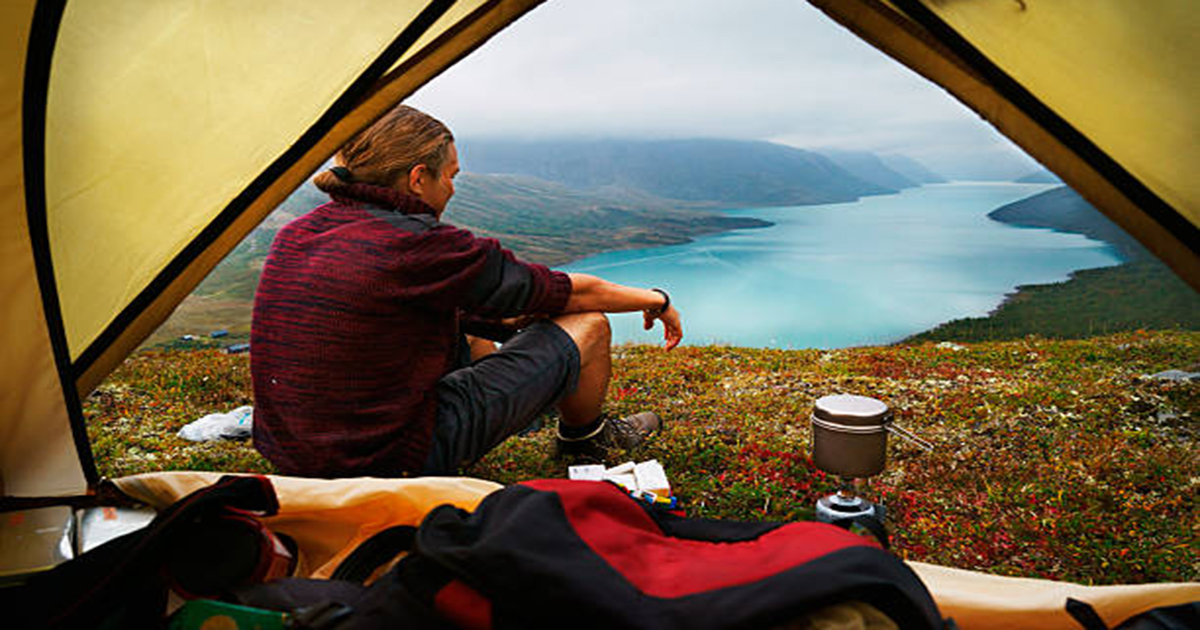
Key Factors in Selecting a Solo Tent
Weight and Packability
For serious solo backpacking, look for a tent with a trail weight (tent body, rainfly, poles) under 3 pounds (1.36 kg). Modern ultralight tents often dip below 2 pounds.
- Trail Weight vs. Packed Weight: Pay attention to the trail weight, which excludes non-essential items like stuff sacks and extra stakes.
- Packed Size: Ensure the poles break down small enough to fit horizontally inside your backpack (crucial when you’re also carrying a lightweight backpacking gear list).
Space and Livability
While a 1-person tent saves weight, consider the following dimensions for comfort:
- Floor Area: A floor space around 20 square feet is typical for a 1P tent. If you are tall (over 6 feet), check the floor length (7 feet or more is ideal).
- Peak Height: The height at the center of the tent. A taller peak height (around 38–40 inches) allows you to sit up comfortably, which makes changing clothes or cooking during bad weather much easier.
- Vestibule Size: The vestibule is the covered area outside the tent door, under the rainfly. This space is essential for storing your muddy boots and best sleeping bags for any season, protecting them from rain without cluttering the interior.
Tent Style and Setup
Solo tents generally fall into three design categories, each affecting weight and setup time:
Freestanding Tents
These use a rigid pole structure that allows the tent body to stand on its own without needing stakes.
- Pros: Easy to pitch on rocky ground, simple to move after setup, excellent stability.
- Cons: Heavier due to more poles.
Non-Freestanding (Trekking Pole) Tents
These use your own trekking poles and guy lines instead of dedicated tent poles for support.
- Pros: Extremely lightweight and small packed size (poles are already in your hand).
- Cons: Requires practice to pitch correctly, needs proper staking (not ideal for sand or rock), and you lose access to your poles until the tent is down.
Hybrid Tents
A compromise, often using a single arch pole and requiring a few stakes to stabilize the head and foot ends.
Durability and Weather Protection
Solo travel often means dealing with the elements alone. Look for:
- High Denier (D) Floor Fabric: A higher denier rating (e.g., 40D to 70D) indicates tougher material, which resists abrasion and punctures better.
- Waterproofing: The rainfly and floor should have a high Hydrostatic Head (HH) rating, typically 1200mm or higher, to prevent leaks.
- Ventilation: Good ventilation (large mesh sections and adjustable rainfly vents) is crucial to prevent condensation buildup, which can leave the inside of your tent damp, especially in cold or humid conditions.
Top Tent Recommendations for Solo Travelers
The market offers several exceptional tents tailored for the solo backpacker, optimized for various travel styles.
The Ultralight Champion: Camppal 1-Person 4-Season Tent
[cta img=”61Fk3e8iEsL.jpg” alt=”camppal 1 Person Tent” asin=”B0813M3VWZ” rating=”4.9″] For solo backpackers, hunters, or mountaineers needing all-weather protection at a budget-friendly price, the Camppal 1-Person Tent is a reliable year-round shelter.- Weight: 3.75 lb (1.23 kg), still packable for hiking and trekking.
- Style: Single-ridge-pole design for fast, beginner-friendly setup.
- Benefit: 3500–4000mm waterproof rating, storm-resistant aluminum pole, long 8.2 ft interior for taller users + extra gear space.
- Drawback: Heavier than ultralight DCF tents, but far more affordable and more durable against abrasion.
A practical 4-season option for campers who want dependable windproof + rainproof performance without paying premium ultralight prices.
The Best Value and Comfort: Teton Sports Vista Quick Tent
[cta img=”61XCNJT-TWL.jpg” alt=”Teton Sports Vista Quick Tent” asin=”B08177V3NK” rating=”4.7″]
For campers who value convenience and instant shelter, the Teton Sports Vista Quick Tent is a standout option with true pop-up efficiency.
- Weight: About 5 lb — not ultralight, but excellent for fast car camping or simple backpacking trips.
- Style: Instant pop-up dome; lock the poles, pull the cord, and it’s ready.
- Benefit: Full mesh top for stargazing, quick setup in seconds, and comes with a standard rainfly. Works on the ground or with the Teton XXL Cot for a glamping-style setup.
- Drawback: Lower waterproof rating (2000mm) compared to more advanced backpacking tents; better suited for mild-to-moderate conditions.
A comfort-focused, hassle-free solo tent perfect for campers who want speed, airflow, and simplicity at a great price.
The Durability Workhorse: MSR Hubba Hubba 1 or 2
[cta img=”61RmwzutInL.jpg” alt=”MSR Hubba Hubba LT 2-Person Lightweight Backpacking Tent” asin=”B0DN3QGTPD” rating=”4.5″]The MSR Hubba series is a classic for a reason: bombproof reliability and intuitive setup. While the 1P version is excellent, the 2P version (often just 3.5 lbs) is often recommended for solo travelers who prioritize space and weather resistance.
- Weight: The 2P version is around 3.5 pounds (1.58 kg).
- Style: Freestanding.
- Benefit: Incredible durability (ideal for harsh, unpredictable weather) and a near-perfect balance of weight and interior space. The symmetrical design means the tent goes up correctly every time. If you are preparing for serious high-altitude trekking, this durability is essential for essential gear for mountain trekking.
Mastering the Solo Tent Experience
A great tent only performs as well as the setup strategy allows. Solo setup requires efficiency and a methodical approach.
Practice Makes Perfect
Before your first solo hike, set up and take down your tent in your backyard or living room several times. This is especially critical for non-freestanding tents. Knowing the process by heart will prevent frustration when pitching in the dark, rain, or high winds.
Site Selection Strategy
When traveling alone, careful site selection enhances safety and comfort:
- Look Up: Avoid pitching directly under dead trees or large branches (widowmakers).
- Look Down: Select a spot that is free of sharp objects and slightly higher than the surrounding area to prevent water pooling if it rains.
- Check the Wind: Position the tent door to face away from the prevailing wind direction to prevent strong gusts from blowing rain into the tent when you open the fly.
Maximizing Interior Space and Organization
Even in a small 1P tent, organization is possible:
- The Head & Foot: Keep bulky items (like the tent stuff sack and extra clothes) at the foot end to leave your upper body area free. Keep delicate items (headlamp, phone, water filter) near your head.
- Ceiling Pockets: Use internal mesh pockets for small items like car keys, wallet, or your best headlamps for night adventures, keeping the floor clear.
- Vestibule as Utility Room: Use the vestibule entirely for storing your cooking system (away from the tent walls), dirty shoes, and the exterior of your backpack.
The 1P vs. Small 2P Tent Debate
This is the central dilemma for solo backpackers, and the answer comes down to comfort versus weight.
| Feature | 1-Person Tent (e.g., Zpacks) | Small 2-Person Tent (e.g., MSR Hubba Hubba) |
|---|---|---|
| Trail Weight | 1.0 – 2.5 lbs (0.45 – 1.1 kg) | 3.0 – 4.0 lbs (1.36 – 1.8 kg) |
| Packed Size | Very small, highly packable. | Noticeably larger poles and body. |
| Interior Space | Strictly for sleeping. Must use vestibule for all gear. | Enough room to sit up, organize gear inside, and weather a storm comfortably. |
| Best For | Thru-hiking, minimalists, fast-and-light travel. | Weekend trips, general comfort, travelers bringing a pet, extended rainy trips. |
The Recommendation: If your trip is a short, fast-paced weekend, the 1P tent is unbeatable. If your trip is longer than a week, or involves unknown weather conditions where you might spend hours inside the tent, the extra pound for a small 2P tent is often a worthwhile investment in sanity and comfort.
Conclusion: Investing in Solo Freedom
Selecting the right tent for solo travel is about making a calculated trade-off between the burden you carry and the quality of shelter you receive. A reliable, lightweight tent is your foundation for successful adventures, providing crucial rest and protection.
By prioritizing low weight, ensuring good vestibule space, and mastering a quick setup, you equip yourself for ultimate freedom on the trail. Whether you choose the minimalist approach of a non-freestanding DCF shelter or the robust comfort of a freestanding nylon dome, a high-quality solo tent transforms the challenge of carrying all your gear into the simple joy of having everything you need, exactly when you need it.
LifeOutOfTheBox is a participant in the Amazon Services LLC Associates Program, an affiliate advertising program designed to provide a means for sites to earn advertising fees by advertising and linking to Amazon.com. Amazon, the Amazon logo, AmazonSupply, and the AmazonSupply logo are trademarks of Amazon.com, Inc. or its affiliates. As an Amazon Associate we earn affiliate commissions from qualifying purchases.