
Reclaiming Civic Participation: Understanding Arizona’s Voting Rights Laws
For individuals with past felony convictions, the question of civic participation, particularly the right to vote, is a cornerstone of reintegration and a significant aspect of one’s lifestyle post-incarceration. In the United States, the ability of a person with a felony record to vote varies considerably from state to state. Arizona has a specific framework governing the restoration of voting rights, offering a pathway for many to reclaim their voice in the democratic process. Understanding these laws is crucial for former felons seeking to fully engage in their communities and shape their civic lifestyle.
The Foundational Principle of Rights Restoration
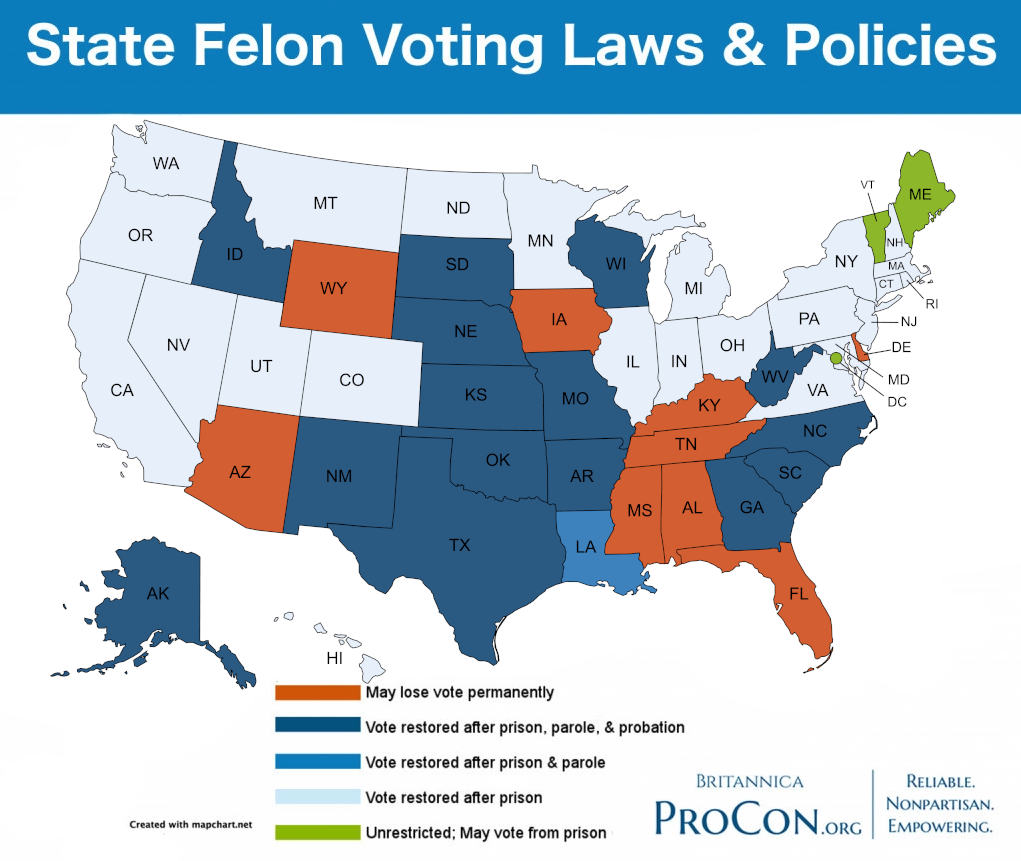
Arizona’s approach to felony disenfranchisement is rooted in the principle of rights restoration. Unlike some states where disenfranchisement can be permanent for certain offenses, Arizona generally allows for the restoration of civil rights, including the right to vote, upon the completion of one’s sentence. This reflects a commitment to rehabilitation and the belief that individuals who have paid their debt to society should have the opportunity to fully participate in it once again. This journey back to full civic engagement is a profound lifestyle shift, transforming a person from a disenfranchised individual into an active participant in their community’s future. It signals a move from a state of penalty to one of renewed responsibility and belonging.
Decoding Felony Classifications and Their Impact on Eligibility
The pathway to voting rights restoration in Arizona is largely determined by the nature and number of felony convictions. Arizona classifies felonies into six categories, from Class 1 (most serious) to Class 6 (least serious). The state distinguishes between first-time felony offenders and those with multiple felony convictions.
For first-time felony offenders, the process is relatively straightforward. Upon unconditional discharge from probation or completion of their sentence (including parole), their civil rights, including the right to vote, are automatically restored. This automatic restoration is a key feature of Arizona law, streamlining the process for many individuals and allowing them to seamlessly transition back into their civic lifestyle. This immediate restoration encourages prompt reintegration and minimizes administrative hurdles.
For individuals with two or more felony convictions, the process is more involved. Restoration of rights is not automatic; instead, they must petition the court for reinstatement. This judicial review ensures that the individual has demonstrated sustained rehabilitation and commitment to a law-abiding lifestyle. The waiting period for these individuals typically begins two years after their absolute discharge from prison, probation, or parole. This distinction underscores the state’s intent to provide a clear path for first-time offenders while requiring additional scrutiny for repeat offenders, balancing rehabilitation with public safety considerations.
Understanding these classifications and their associated restoration rules is the critical first step for any former felon in Arizona aiming to reclaim their voting rights. It sets the stage for the specific actions they will need to take to ensure their active participation in the democratic process becomes a reality.
The Journey to Full Civic Engagement: Navigating Restoration Requirements
The journey to full civic engagement through voting rights restoration is a significant milestone for many. It represents more than just casting a ballot; it symbolizes a complete return to community and a renewed sense of personal agency. Navigating the specific requirements for restoration in Arizona is a multi-faceted process that depends heavily on the individual’s specific criminal history and their adherence to court-mandated obligations.
Fulfilling Sentence Obligations and Probation Terms
A fundamental prerequisite for the restoration of voting rights in Arizona is the complete fulfillment of all sentence obligations. This includes serving any imposed prison time, successfully completing parole, and, most commonly, satisfying all terms of probation. Probation often entails a range of conditions, such as regular check-ins with a probation officer, community service, participation in rehabilitation programs (e.g., substance abuse treatment, anger management), and adherence to specific curfews or travel restrictions.
For first-time felony offenders, the moment of unconditional discharge from probation or release from prison marks the automatic restoration of their civil rights. This means that once they have completed every aspect of their sentence, their right to vote is reinstated without further action on their part. This immediate reinstatement is a powerful incentive for compliance and a clear message that completing one’s obligations paves the way for a restored civic lifestyle. For those with multiple convictions, fulfilling these obligations is an equally essential prerequisite, albeit followed by a separate petitioning process. The successful navigation of these terms demonstrates a commitment to personal reform and a readiness to embrace a law-abiding lifestyle.
The Critical Role of Fines, Fees, and Restitution in Rights Restoration
Beyond physical incarceration and supervision, financial obligations play a crucial role in the restoration of voting rights in Arizona. Individuals must ensure that all court-ordered fines, fees, and restitution have been paid in full or that a payment plan has been established and is being diligently followed. Restitution, in particular, which involves compensating victims for damages or losses incurred as a result of the crime, is often a non-negotiable component of sentence completion.
Failure to address these financial obligations can significantly delay or even prevent the restoration of voting rights, even if all other aspects of the sentence are complete. While some states have faced legal challenges regarding the disenfranchisement of individuals based solely on outstanding legal financial obligations, Arizona’s statutes generally tie the completion of these obligations to the overall “completion of sentence.” Therefore, it is paramount for individuals seeking to restore their voting rights to proactively manage and resolve all outstanding financial debts related to their conviction. This diligence in fulfilling financial responsibilities is another layer of commitment to personal accountability and an integral part of rebuilding a responsible lifestyle.
Distinct Paths for Different Offense Types
While the broad categories of first-time versus multiple offenders dictate the general restoration process, the specific nature of the felony can also influence the path, particularly in terms of judicial discretion for repeat offenders. Certain serious offenses, for instance, might face closer scrutiny during a judicial petition for rights restoration. However, Arizona law does not permanently disenfranchise individuals for specific felony types, a more progressive stance than many other states.
This nuanced approach means that while the core requirements remain consistent—completion of sentence, resolution of financial obligations—individuals with more complex criminal histories may need to present a stronger case for their rehabilitation when petitioning the court. This often involves demonstrating sustained positive lifestyle changes, community involvement, and a clear commitment to their new path. Resources such as legal aid organizations and advocacy groups often provide invaluable assistance in navigating these distinct paths, helping individuals understand their specific requirements and build a compelling case for their rights restoration.
Empowering Your Voice: The Practical Steps to Voting Rights Restoration
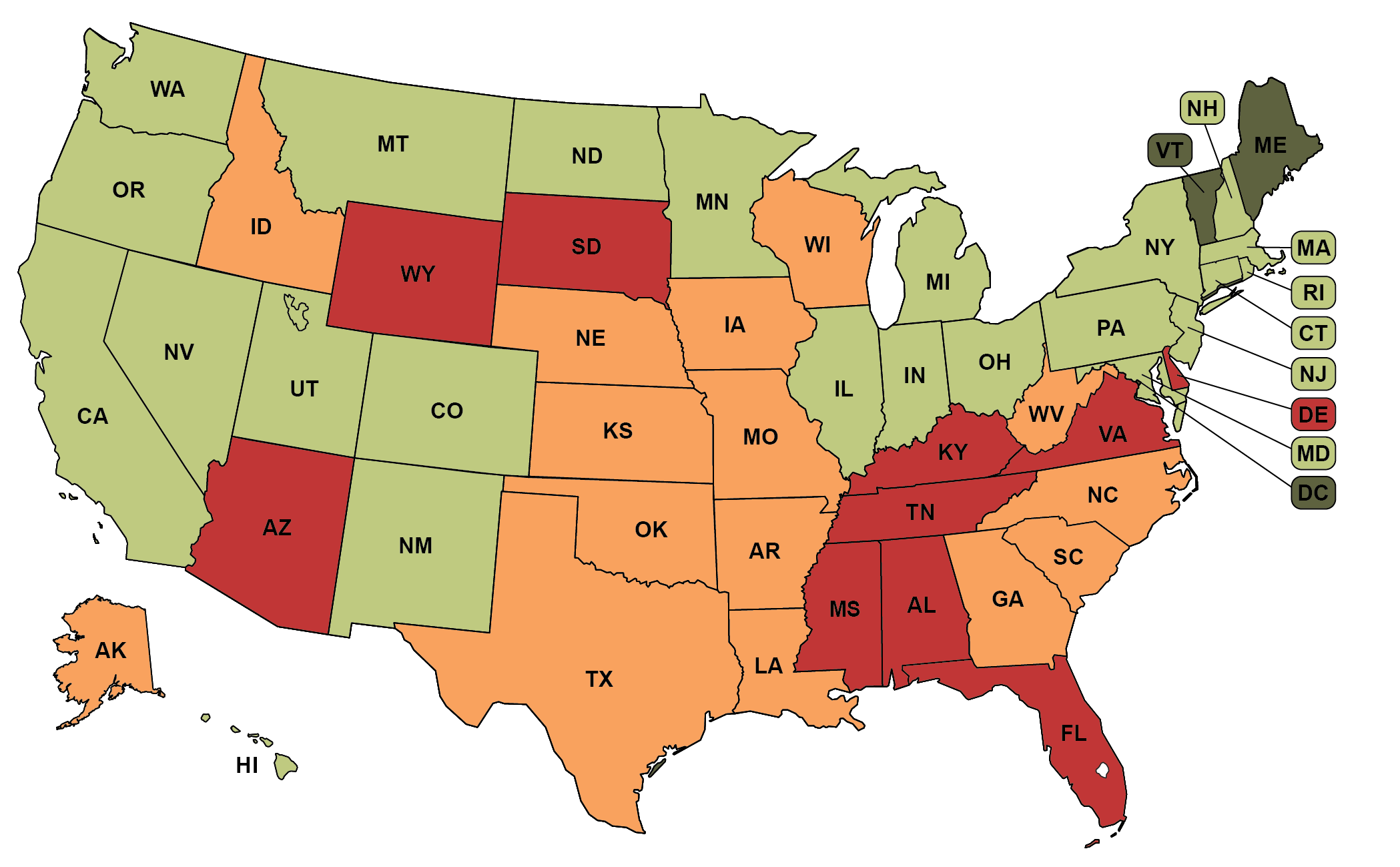
Empowering one’s voice through the restoration of voting rights is a profound act of self-reclamation and a testament to an individual’s journey towards a fully engaged lifestyle. Understanding the practical steps involved is crucial for successfully navigating the system and ensuring one’s ability to participate in the democratic process.
Automatic Reinstatement vs. Judicial Petition
As previously discussed, the path to voting rights restoration in Arizona diverges based on criminal history. For first-time felony offenders, the process is largely automatic. Once they have completed all terms of their sentence, including probation and parole, and have paid all fines, fees, and restitution, their civil rights, including the right to vote, are automatically restored. They do not need to file any special paperwork with the court to regain this right. It’s important for these individuals to ensure they are properly registered to vote after their rights are restored, which they can do through standard voter registration processes at their local county recorder’s office in cities like Phoenix, Tucson, or Mesa.
For individuals with two or more felony convictions, the process requires a judicial petition. This means they must proactively file a formal request with the court that handled their conviction to have their civil rights restored. This petition can generally be filed two years after their absolute discharge from prison or completion of parole/probation, provided all financial obligations have also been met. This distinction highlights the need for a more deliberate approach for repeat offenders, emphasizing a demonstrated commitment to rehabilitation before full civic rights are reinstated.
Preparing Your Application: Documentation and Legal Guidance
For those required to file a judicial petition, meticulous preparation is key. The application process typically involves several critical documents:
- Petition for Restoration of Civil Rights: This is the formal request filed with the court. It outlines the details of the conviction(s) and affirms the completion of all sentence requirements.
- Proof of Sentence Completion: Documentation from the Department of Corrections or probation office confirming release from incarceration, parole, or unconditional discharge from probation is essential.
- Proof of Payment of Fines, Fees, and Restitution: Receipts or statements from the court clerk or probation department verifying that all financial obligations have been satisfied are mandatory. If a payment plan is in place, documentation showing consistent adherence to the plan may be accepted, but generally, full payment is preferred or required.
- Criminal History Record: A copy of one’s criminal record may be required to verify the number and type of convictions.
Seeking legal guidance is highly recommended for individuals navigating the petition process. Public defenders’ offices, legal aid societies, and non-profit organizations specializing in criminal justice reform often provide free or low-cost assistance. Attorneys can help ensure all documentation is complete and accurate, advise on potential challenges, and represent individuals in court if necessary. This professional support can significantly ease the burden and increase the likelihood of a successful restoration, allowing individuals to focus on their re-entry into a productive lifestyle.
What to Expect: The Court Process and Post-Restoration Steps
Once a petition is filed, the court will review the application. In some cases, a hearing may be scheduled where the individual might need to appear before a judge to discuss their case and demonstrate their rehabilitation. The judge will consider factors such as the nature of the offenses, the time elapsed since conviction, and the individual’s conduct since completing their sentence. If the petition is granted, the court will issue an order restoring the individual’s civil rights.
Upon receiving the restoration order, the next crucial step is to register to vote. While rights are restored, one is not automatically added to the voter rolls. Individuals must complete a voter registration form and submit it to their county recorder’s office (e.g., Maricopa County or Pima County). It’s important to do this well in advance of any election to ensure eligibility. This final step is the culmination of the restoration journey, transforming the abstract right into the tangible act of civic participation, fully integrating them into the democratic lifestyle of Arizona.
A New Chapter: The Lifestyle Impact of Restored Voting Rights
The restoration of voting rights marks the beginning of a profound new chapter in an individual’s life. It is more than a legal formality; it is a catalyst for a more engaged, empowered, and integrated lifestyle. For many, this moment signifies the tangible culmination of their journey towards rehabilitation and a full return to society.
Beyond the Ballot: Broader Social and Community Reintegration
While the ability to cast a ballot is the direct outcome of rights restoration, its impact extends far beyond the voting booth. Reclaiming the right to vote often serves as a powerful symbol of renewed citizenship and belonging. This sense of belonging is a critical component of successful social and community reintegration. Individuals who can vote often feel a greater sense of investment in their communities, encouraging participation in local issues, volunteering, and engaging with neighborhood initiatives.
This civic re-engagement contributes to a more stable and positive lifestyle. It helps combat the stigma often associated with a felony record, fostering self-esteem and confidence. When individuals feel they have a voice and a stake in their community’s future, they are more likely to seek out opportunities for personal growth, career advancement, and healthy relationships. The restoration of rights signals that society views them as contributing members, encouraging them to fully embrace that role. This broader reintegration helps individuals build a lifestyle rooted in purpose and connection, moving past the isolation that can often accompany a criminal record.
Advocating for Yourself and Others: The Power of Participation
With restored voting rights, former felons gain a powerful tool for self-advocacy and advocacy for others. They can directly influence policy-making by electing representatives who support criminal justice reform, re-entry programs, and community resources. This direct participation empowers them to contribute to changes that can improve the lives of others navigating similar challenges.
Furthermore, being able to vote allows individuals to engage in broader political discourse, sharing their unique perspectives and experiences. This can be particularly impactful in areas like Flagstaff or Tucson, where local elections and referendums directly shape community development and social services. Their voices, once silenced, become an integral part of the democratic conversation, enriching the civic landscape and influencing policy decisions that affect their daily lives and the lives of their families. This active participation transforms their personal lifestyle into one of influence and impact.

Resources for Sustained Civic Engagement in Arizona
For those whose voting rights have been restored, numerous resources exist to support sustained civic engagement and continued personal development. Organizations focused on voter education and registration can help individuals understand the issues and candidates on the ballot. Community centers and advocacy groups often host forums and workshops on local governance, empowering residents to become more informed participants.
Additionally, many non-profits in Arizona are dedicated to supporting former felons in their journey of reintegration, offering assistance with employment, housing, education, and mentorship. These resources are vital for building a stable and thriving lifestyle post-conviction. By leveraging these networks, individuals can not only maintain their civic participation but also continue to build a fulfilling and productive life, fully integrated into the fabric of their communities. The journey of rights restoration in Arizona is a testament to the power of second chances and the enduring importance of every citizen’s voice in shaping the future.
LifeOutOfTheBox is a participant in the Amazon Services LLC Associates Program, an affiliate advertising program designed to provide a means for sites to earn advertising fees by advertising and linking to Amazon.com. Amazon, the Amazon logo, AmazonSupply, and the AmazonSupply logo are trademarks of Amazon.com, Inc. or its affiliates. As an Amazon Associate we earn affiliate commissions from qualifying purchases.