
Navigating the complex world of home maintenance and renovation in Florida presents a unique set of challenges and opportunities for homeowners. Among the most critical systems within any residence is the plumbing, responsible for delivering clean water and efficiently removing wastewater. The question of whether a homeowner can undertake the replacement of an entire plumbing system themselves is multifaceted, requiring a deep understanding of local regulations, building codes, technical skills, and the inherent risks involved. While the allure of saving money and the satisfaction of a DIY accomplishment are strong motivators, the reality in Florida often leans towards professional expertise.

Understanding the Scope of a Plumbing System Replacement
Replacing an entire plumbing system is not a minor undertaking. It involves a comprehensive overhaul of the pipes that carry potable water from the municipal supply or well to every fixture in the house, and the pipes that drain wastewater and sewage away from the home. This typically includes:
- Water Supply Lines: These are responsible for delivering fresh water under pressure to sinks, showers, toilets, dishwashers, and washing machines. Materials commonly used historically include galvanized steel, copper, and PEX (cross-linked polyethylene).
- Drainage, Waste, and Vent (DWV) System: This intricate network of pipes carries wastewater and sewage away from fixtures and relies on a carefully designed venting system to maintain proper pressure for efficient drainage and to prevent sewer gases from entering the home. Materials for DWV systems often include cast iron, PVC, and ABS.
- Fixtures and Appliances: While not strictly part of the pipe network, a plumbing system replacement often coincides with upgrading or replacing toilets, sinks, faucets, water heaters, and other water-using appliances.
- Connections to Main Lines: This involves tying into the municipal water service or septic system and the main sewer line, which is a critical and regulated junction.
The Technical Demands
The technical skills required for such a project are substantial. It necessitates proficiency in:
- Pipe Cutting, Fitting, and Joining: Different materials require specific techniques for cutting, threading, soldering (for copper), solvent welding (for PVC/ABS), or crimping/clamping (for PEX). Ensuring leak-proof connections is paramount.
- Soldering and Brazing: For copper pipes, the ability to solder or braze effectively is crucial for durable and leak-free joints. This requires practice and a good understanding of heat control and flux application.
- Blueprint Reading and Planning: A clear understanding of plumbing schematics, building plans, and the existing layout of the home’s plumbing is essential for designing the new system and ensuring it meets code requirements.
- Pressure Testing: Before concealing any new plumbing, rigorous pressure testing of the water supply lines is mandatory to detect leaks.
- Understanding of Codes and Regulations: Plumbing work is heavily regulated to ensure public health and safety. This includes adherence to the Florida Building Code and local municipal ordinances.
The Legal and Permitting Landscape in Florida
One of the most significant barriers for a DIY homeowner attempting a full plumbing system replacement in Florida is the legal and permitting process.
Permitting Requirements
In virtually all counties and municipalities in Florida, replacing a significant portion of a home’s plumbing system constitutes a major alteration and requires a building permit. This permit process ensures that the work is inspected by qualified officials to verify compliance with all applicable building codes.
- Application Process: Homeowners must submit detailed plans and specifications for the proposed work to their local building department. This often includes drawings showing the layout of the new pipes, materials to be used, and how the system will connect to existing infrastructure.
- Inspections: Once the permit is issued, a series of inspections will be scheduled at various stages of the project (e.g., rough-in, pressure test, final inspection). Failing an inspection can lead to costly rework and delays.
- Licensed Professionals: Many Florida jurisdictions mandate that plumbing work be performed by a licensed and insured plumber. While some jurisdictions may allow homeowners to pull permits for their own primary residence under specific circumstances, this is not universally the case and often requires demonstrating a high level of competency or hiring a licensed contractor to oversee the work.
Licensed vs. Unlicensed Work
Attempting to perform major plumbing work without the required permits or by unlicensed individuals carries significant risks:
- Code Violations: Unlicensed work is highly unlikely to meet the stringent requirements of the Florida Building Code, leading to unsafe conditions, potential water damage, and health hazards.
- Insurance Issues: Homeowners’ insurance policies often contain clauses that exclude coverage for damages resulting from work performed without proper permits or by unlicensed contractors. This means that if a leak or other problem arises due to the DIY work, the insurance company may deny the claim, leaving the homeowner responsible for all repair costs.
- Resale Problems: When selling a home, disclosure of unpermitted work is typically required. Unpermitted plumbing can significantly devalue a property and deter potential buyers, often necessitating costly remediation before a sale can be completed.
- Fines and Penalties: Local building departments can impose substantial fines and penalties for unpermitted or non-compliant work.
When DIY Plumbing Might Be Feasible (With Caveats)
While a full system replacement is generally inadvisable for the average homeowner, there are specific, limited plumbing tasks that might be within the realm of a skilled DIYer. These generally involve minor repairs or component replacements, not an entire system overhaul.
Minor Repairs and Component Swaps
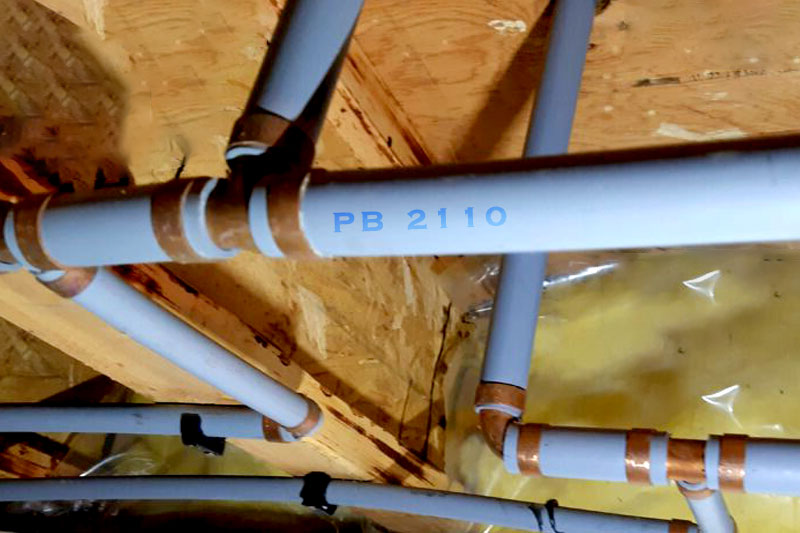
Examples of plumbing tasks that might be suitable for a DIY homeowner with appropriate tools, research, and caution include:
- Replacing a Leaky Faucet: This often involves shutting off the water supply to the fixture, disassembling the faucet, and replacing worn-out washers, O-rings, or cartridges.
- Changing a Toilet Flapper or Fill Valve: These are relatively simple internal mechanisms within a toilet tank that can be replaced with basic tools.
- Repairing a Dripping Showerhead: This usually involves unscrewing the showerhead and cleaning or replacing internal components or the entire unit.
- Replacing a Section of Exposed Pipe (with caution): In an accessible area, if a small section of pipe is corroded or damaged, a homeowner might, with careful planning and the correct tools, attempt to cut out the damaged section and replace it with a new piece of the same material. However, ensuring proper joint integrity and connection to the existing system is critical.
Essential Precautions for Any DIY Plumbing
Even for these simpler tasks, homeowners in Florida should always:
- Shut Off the Water Supply: Always locate and shut off the main water valve to the house or the specific shut-off valve for the fixture before starting any work.
- Have the Right Tools: Ensure you have the correct tools for the job, such as pipe wrenches, basin wrenches, PEX crimpers, or soldering equipment, depending on the task.
- Understand the Materials: Be familiar with the type of pipe and fittings you are working with and the proper methods for joining them.
- Watch Tutorials and Read Guides: Utilize reputable online resources and instructional videos, but be aware that they may not cover specific Florida Building Code requirements.
- Know When to Call a Professional: If at any point you feel unsure, uncomfortable, or encounter unexpected issues, stop and call a licensed plumber. The cost of a professional call-out is far less than the potential cost of water damage or code violations.
The Advantages of Professional Plumbing Services in Florida
Given the complexities, regulatory hurdles, and potential risks associated with DIY plumbing, particularly for a system-wide replacement, opting for professional services in Florida offers numerous compelling advantages.
Expertise and Experience
Licensed plumbers possess a deep understanding of plumbing systems, from the most basic repairs to complex installations and replacements. They are trained to diagnose problems accurately, implement efficient solutions, and ensure that all work complies with the Florida Building Code. Their experience allows them to anticipate potential issues and avoid common mistakes that an untrained individual might make.
Compliance with Codes and Permits
Professional plumbers are intimately familiar with the permitting process and the specific code requirements in Florida. They handle all necessary applications, inspections, and ensure that the work meets or exceeds all safety and regulatory standards. This peace of mind is invaluable, knowing that the job is done correctly and legally.
Warranty and Insurance
Reputable plumbing companies offer warranties on their labor and the materials they install. This provides homeowners with recourse if any issues arise after the completion of the work. Furthermore, licensed plumbers carry liability insurance, which protects homeowners from damages that might occur during the renovation process. This is a crucial safeguard that a DIY homeowner simply cannot replicate.
Efficiency and Time Savings
While the initial cost of hiring a professional might seem higher than doing it yourself, the time and efficiency savings are often substantial. Professionals have the tools, equipment, and knowledge to complete large projects like a full plumbing system replacement much faster than an amateur. This minimizes disruption to daily life and reduces the risk of prolonged inconvenience.
Access to Advanced Tools and Technology
Plumbing professionals have access to specialized tools and diagnostic equipment that are not typically found in a homeowner’s toolkit. This includes pipe locators, drain cleaning machines, video inspection cameras, and specialized tools for working with various pipe materials, all of which contribute to a more efficient and effective job.

Conclusion: Prioritizing Safety and Compliance
In Florida, the question of whether a homeowner can replace their plumbing system hinges on a realistic assessment of technical skills, legal obligations, and risk tolerance. While minor DIY plumbing repairs can be manageable for the adept homeowner, a complete plumbing system replacement is a significant undertaking that is best left to the professionals. The Florida Building Code is designed to ensure the safety and integrity of homes, and plumbing plays a critical role in that. By engaging licensed and insured plumbing contractors, homeowners can ensure that their new plumbing system is installed correctly, safely, and in full compliance with all regulations, safeguarding their investment and their family’s well-being for years to come. The potential for costly errors, code violations, insurance complications, and serious water damage far outweighs any perceived savings from a DIY approach to such an extensive project.
LifeOutOfTheBox is a participant in the Amazon Services LLC Associates Program, an affiliate advertising program designed to provide a means for sites to earn advertising fees by advertising and linking to Amazon.com. Amazon, the Amazon logo, AmazonSupply, and the AmazonSupply logo are trademarks of Amazon.com, Inc. or its affiliates. As an Amazon Associate we earn affiliate commissions from qualifying purchases.