
The allure of driving for Uber in New York is often tied to the promise of flexible income and being one’s own boss in one of the world’s most dynamic cities. However, the reality of an Uber driver’s earnings is a complex tapestry woven from various threads: fare structures, operating costs, hours worked, and the sheer unpredictability of city life. For those considering this path, or for curious residents and visitors alike, understanding the financial landscape is crucial. This exploration delves into the factors that dictate how much an Uber driver can realistically earn in the bustling metropolis of New York City.

Understanding the Fare Structure in New York City
The base fare for an Uber ride in New York City is composed of several components, each contributing to the final amount a passenger pays and, consequently, a portion of which goes to the driver. These components typically include a base fare, a per-mile rate, and a per-minute rate. The exact values of these rates can fluctuate based on the specific Uber service being used, such as UberX, Uber Black, or UberXL, each with its own tiered pricing.
Base Fare and Time/Distance Premiums
The base fare is a flat amount charged at the start of every trip. This is then augmented by the distance traveled and the time taken to complete the journey. In a sprawling city like New York, where traffic can significantly impact travel time, the per-minute rate often plays a substantial role in the overall fare. This means that during peak hours or in congested areas, such as around Times Square or during events at Madison Square Garden, drivers can earn more per trip due to the increased duration, even if the distance is relatively short. Conversely, on open highways with less traffic, the per-mile rate becomes the dominant factor.
Surge Pricing and Promotions
One of the most significant variables affecting driver earnings is surge pricing. When demand for rides exceeds the available supply, Uber implements surge pricing, multiplying the standard fare by a factor of 1.5x, 2x, or even higher. This surge often occurs during bad weather, major holidays like New Year’s Eve in Times Square, or immediately following large concerts or sporting events. Drivers who strategically position themselves in high-demand areas during surge periods can significantly boost their hourly earnings. Uber also occasionally offers promotions, such as guaranteed hourly earnings or bonuses for completing a certain number of trips, which can further enhance a driver’s take-home pay.
Commission and Fees
It is essential to remember that drivers do not keep the entire fare. Uber charges a commission on each trip, which typically ranges from 20% to 30% of the fare, depending on the city and service type. This commission covers the platform’s operational costs, marketing, customer support, and profit. Additionally, drivers may incur other fees, such as those related to payment processing or certain regulatory requirements in New York. Understanding these deductions is critical for accurately calculating net earnings.
Key Factors Influencing Net Earnings
Beyond the fare structure, several other critical factors directly impact how much an Uber driver in New York can net. These are often the elements that separate drivers who are simply making a few extra dollars from those who can sustain a living wage.
Hours Worked and Efficiency
The most direct determinant of earnings is the number of hours a driver spends on the road actively completing trips. Many Uber drivers in New York work part-time, supplementing other income sources or fitting driving around family commitments. However, to achieve substantial earnings, full-time drivers typically work 40-60 hours per week, often including evenings and weekends, which are prime times for higher demand and surge pricing. Efficiency also plays a role; drivers who learn to anticipate demand, minimize downtime between rides, and navigate the city effectively can maximize their paid driving time.
Vehicle Expenses
Operating a vehicle in New York City comes with significant expenses. Fuel is a constant cost, and its price volatility can impact profitability. Regular maintenance, including oil changes, tire rotations, and unexpected repairs, is essential to keep the vehicle safe and operational. Insurance is another substantial expense, and commercial rideshare insurance is often more expensive than personal auto insurance. Additionally, drivers must account for depreciation of their vehicle, as regular use significantly reduces its resale value over time. For drivers operating in New York City, parking and tolls are also major considerations, especially when navigating Manhattan and its surrounding boroughs. Parking tickets, if incurred, can be very costly and significantly eat into profits.
Taxes and Other Deductions
Uber drivers are considered independent contractors, which means they are responsible for paying their own taxes, including federal, state, and local income taxes, as well as self-employment taxes (Social Security and Medicare). Drivers are advised to set aside a portion of their earnings for taxes throughout the year and to track their business expenses meticulously, as many of these expenses (like mileage, fuel, maintenance, and tolls) are tax-deductible. This can significantly reduce their overall tax liability. Furthermore, drivers may need to pay for their own health insurance, retirement contributions, and any other benefits they might require, as these are not provided by Uber.
Estimating Potential Earnings
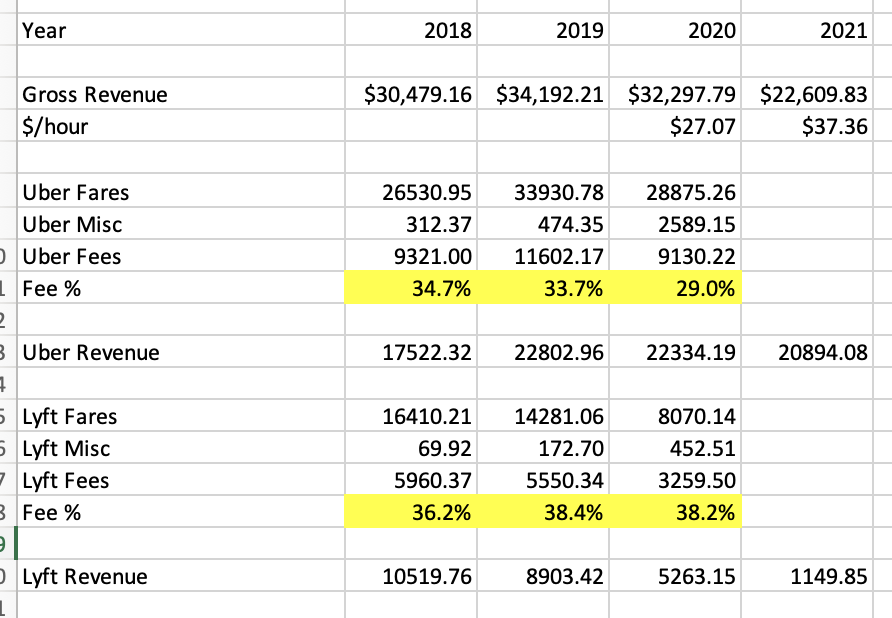
Pinpointing an exact figure for an Uber driver’s earnings in New York is challenging due to the aforementioned variables. However, by piecing together averages and considering different scenarios, one can arrive at a reasonable estimate.
Average Gross Earnings
Based on industry reports and driver testimonials, the average gross earnings for a full-time Uber driver in New York City often fall between $50,000 and $70,000 per year. This figure represents earnings before expenses and taxes. Part-time drivers might earn anywhere from $15 to $25 per hour on average, depending heavily on the time of day, location, and the presence of surge pricing or promotions. For instance, a driver working 20 hours per week at an average of $20 per hour (gross) could potentially earn around $20,800 annually before expenses.
Net Income After Expenses and Taxes
The leap from gross earnings to net income is substantial. After deducting commissions, fuel, maintenance, insurance, tolls, parking, and setting aside funds for taxes, the actual take-home pay can be significantly lower. A common estimate is that operating expenses can consume 30% to 40% of gross earnings. After accounting for taxes (which can add another 15-25% depending on individual circumstances and deductions), a full-time driver might see their net income range from $30,000 to $50,000 annually. This highlights the importance of diligent expense tracking and tax planning.
Impact of Time and Location
The profitability of driving for Uber in New York is intrinsically linked to timing and location. Driving during peak hours (mornings and evenings, especially on weekdays), late nights on weekends, and in high-demand areas like Manhattan, Brooklyn, and near major transportation hubs like Penn Station or JFK Airport generally leads to higher earnings. Conversely, driving during off-peak hours or in less populated areas might result in fewer rides and lower overall income. Understanding the city’s rhythm and knowing where and when to be is a key skill for maximizing profitability.
Strategies for Maximizing Earnings as an Uber Driver in New York
For aspiring or current Uber drivers in New York, adopting strategic approaches can significantly improve their financial outcomes. This goes beyond simply logging in and waiting for rides; it involves informed decision-making and a proactive mindset.
Optimizing Driving Routes and Times
Understanding New York City’s traffic patterns is paramount. Drivers can leverage navigation apps that provide real-time traffic updates and predict the fastest routes. Avoiding heavily congested areas during rush hour, unless surge pricing is exceptionally high, can save valuable time and fuel. Similarly, identifying high-demand zones and times is crucial. Areas around popular nightlife districts, entertainment venues, and major transit hubs often experience surges in demand, especially on Friday and Saturday nights. Drivers who can anticipate these patterns and position themselves accordingly can significantly increase their ride volume and earnings.
Leveraging Promotions and Bonuses
Uber frequently offers various promotions and bonuses to incentivize drivers. These can include guaranteed hourly rates during specific times, quests for completing a certain number of trips within a week, or sign-up bonuses for new drivers. Drivers should actively monitor the Uber app and driver communications to stay informed about these opportunities. Strategically planning driving hours to meet the requirements for these bonuses can provide a significant boost to overall income. For example, if a bonus offers a higher rate for trips completed between 5 PM and 9 PM on weekdays, a driver might prioritize those hours.
Managing Expenses and Tracking Deductions
Effective expense management is a cornerstone of profitability for any independent contractor. Drivers should meticulously track all business-related expenses, including mileage, fuel, maintenance, repairs, insurance premiums, tolls, parking fees, and even the cost of phone data used for the app. Keeping detailed records facilitates accurate tax filing and allows drivers to claim all eligible deductions, which can significantly reduce their tax burden. Many drivers use specialized apps or spreadsheets for this purpose. Investing in a fuel-efficient vehicle or even an electric vehicle can also help reduce ongoing fuel costs, a significant operating expense in New York. Regular maintenance, while an expense, can prevent more costly breakdowns and ensure the vehicle’s longevity and reliability.
Considering Different Uber Services and Vehicle Types
Uber offers various service tiers, such as UberX, UberXL, and premium services like Uber Black. Drivers with larger vehicles (SUVs, minivans) can qualify for UberXL, which typically offers higher fares to accommodate more passengers. Drivers with luxury vehicles and commercial licenses can access the more lucrative Uber Black and Uber Black SUV services, although these often come with stricter vehicle requirements and higher operating costs. Evaluating one’s vehicle, market demand, and personal preferences can help determine which service level is most profitable. Some drivers might find it beneficial to switch between services depending on the time of day or the type of requests they receive.

Building a Strong Rider Rating and Positive Reputation
While not directly a financial factor in the same way as fares or expenses, a consistently high rider rating is crucial for long-term success. Higher-rated drivers may receive more ride requests, and some platforms may even prioritize them. Providing excellent customer service—being polite, punctual, and ensuring a clean and comfortable vehicle—can lead to better ratings and potentially higher tips. Positive interactions can also lead to repeat riders who specifically request the driver, contributing to a more stable income stream. Understanding passenger needs, such as offering charging ports for phones or adjusting the temperature to their preference, can make a difference.
LifeOutOfTheBox is a participant in the Amazon Services LLC Associates Program, an affiliate advertising program designed to provide a means for sites to earn advertising fees by advertising and linking to Amazon.com. Amazon, the Amazon logo, AmazonSupply, and the AmazonSupply logo are trademarks of Amazon.com, Inc. or its affiliates. As an Amazon Associate we earn affiliate commissions from qualifying purchases.