
Navigating the roads of California as a newly licensed driver can be an exciting, yet complex, experience. For provisional drivers, specifically those under the age of 18, understanding the specific regulations that govern their driving privileges is paramount. These rules are not merely bureaucratic hurdles but are designed with the safety of young drivers, their passengers, and the general public in mind. One of the most frequently asked questions revolves around the ability of a provisional driver to transport friends, a topic that directly impacts social life, independent mobility, and travel within the Golden State.
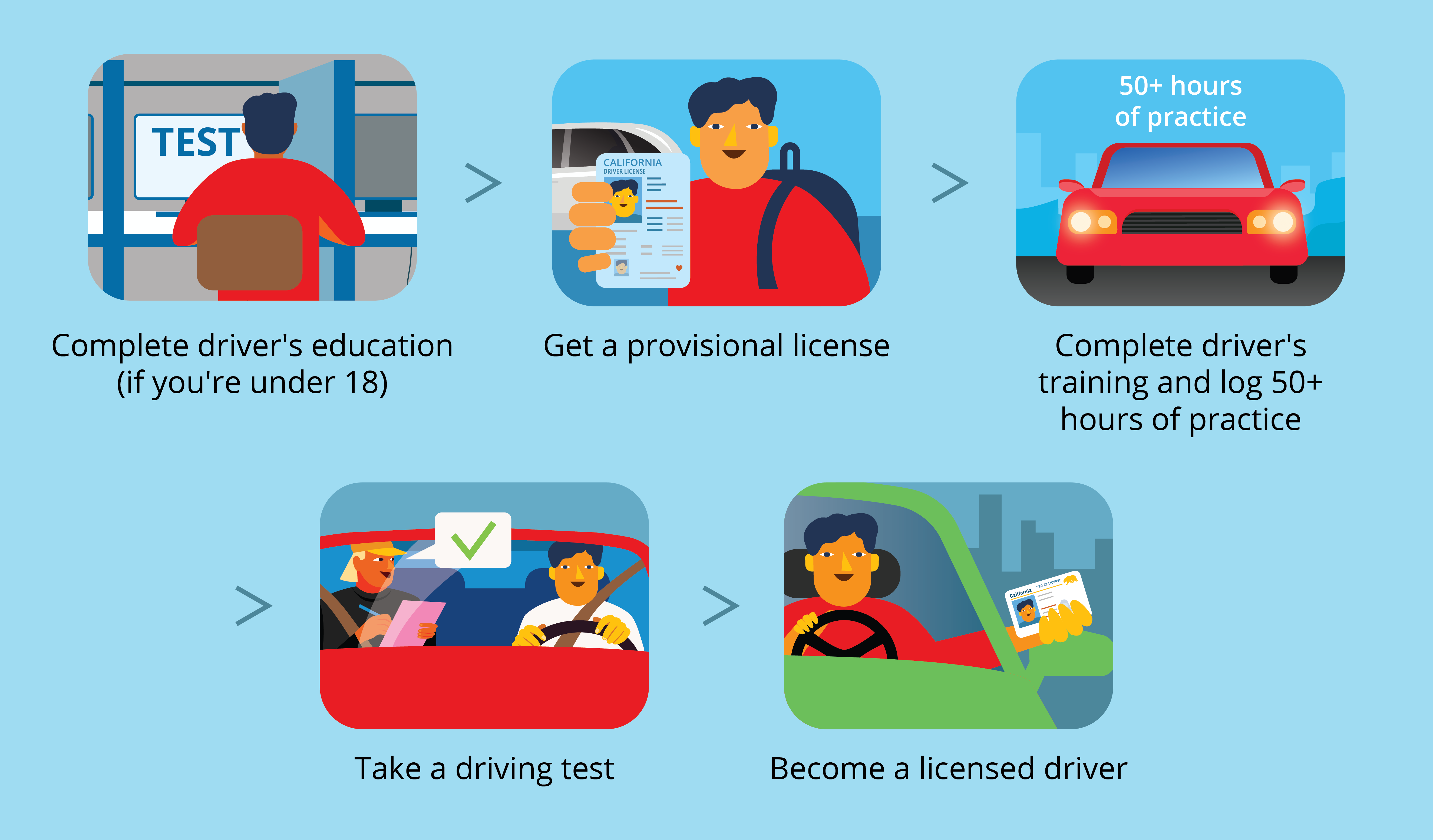
The short answer, for most provisional drivers in California, is generally “no” during the initial phase of their licensing period, with specific caveats and exceptions. The California Department of Motor Vehicles (DMV) implements a graduated driver licensing (GDL) program, which imposes restrictions that gradually ease as the driver gains experience. This system is a critical component of California’s efforts to reduce accident rates among teen drivers, who are statistically more prone to collisions during their first year of driving.
Understanding California’s Provisional Licensing System
California’s provisional licensing system is structured to provide young drivers with supervised experience and to gradually expose them to more complex driving situations. This approach acknowledges the developmental stage of teenagers, where decision-making skills, risk perception, and emotional regulation are still maturing. The provisional license, also known as an Instruction Permit (for learning) and then a Provisional Driver’s License (for independent driving with restrictions), is a cornerstone of this safety-first philosophy.
The Rationale Behind Provisional Licenses
The primary goal of the provisional licensing program is to mitigate risks associated with inexperienced driving. Research consistently shows that new drivers, particularly teenagers, have a higher crash risk compared to more experienced drivers. Factors contributing to this include a lack of experience in various road conditions, poor hazard perception, distractions (especially from peers), and a tendency to underestimate dangerous situations. By implementing restrictions on passengers and nighttime driving, the DMV aims to create a safer environment for new drivers to hone their skills without the added pressures or distractions that can arise from transporting friends or driving during peak risk hours. This period allows young drivers to focus solely on the road and develop safe driving habits.
Key Restrictions for Provisional Drivers
Upon obtaining a provisional driver’s license in California, several key restrictions immediately apply for the first 12 months. These are designed to minimize high-risk scenarios:
- Passenger Restriction: This is the most relevant restriction for the question at hand. For the first 12 months, provisional drivers cannot transport passengers under 20 years of age, unless a licensed driver aged 25 or older is present in the vehicle.
- Nighttime Driving Restriction: Provisional drivers are generally prohibited from driving between 11:00 PM and 5:00 AM, again, unless a licensed driver aged 25 or older is present.
- Supervised Driving Requirement (for permit holders): Before even obtaining a provisional license, an instruction permit holder must be accompanied by a licensed driver 25 years or older. They must also complete 50 hours of supervised driving, including 10 hours at night, and hold the permit for a minimum of six months.
It’s crucial for provisional drivers and their families to fully understand these limitations to avoid legal consequences and, more importantly, to ensure safety on California’s diverse roadways, from bustling city streets in Los Angeles to scenic routes along the coast.
The Passenger Restriction: Who Can Ride Along?
The passenger restriction is perhaps the most impactful rule for young drivers eager to explore California with their social circles. It directly addresses the issue of peer passengers contributing to driver distraction and increased risk-taking behavior among inexperienced drivers.
The First 12 Months: Strict Rules
For the initial 12 months immediately following the issuance of a provisional driver’s license, the rule is unambiguous: a provisional driver cannot drive passengers under 20 years old. The only exception to this strict rule is if a licensed driver who is 25 years or older is also present in the vehicle. This means that if a 16-year-old provisional driver wants to pick up their 17-year-old friend for a trip to the beach in San Diego, they would need an adult aged 25 or older to accompany them. This rule applies regardless of whether the passengers are friends, siblings, or other relatives under the age of 20. The intent is to remove potential peer pressure and reduce the likelihood of distractions that younger passengers might introduce.
Exceptions to the Passenger Rule
While the passenger restriction is strict, the DMV does allow for certain exceptions under specific circumstances. These exceptions typically require documentation or proof of necessity:
- Medical Necessity: When the provisional driver must transport a family member or themselves for a medical reason, and there are no other reasonable means of transport. A signed statement from a physician is usually required.
- Schooling or School-Authorized Activities: Driving to or from school, or to a school-authorized activity, if there are no other reasonable means of transport. A signed statement from a school official is required.
- Employment Necessity: Driving required for employment purposes, if there are no other reasonable means of transport. A signed statement from an employer verifying the employment and the necessity of driving is needed.
- Necessity for Family Transport: Driving a family member who is under the age of 20, where reasonable transportation facilities are inadequate, and the provisional driver is the only person in the household capable of transporting the family member. A signed statement from a parent or legal guardian is required.
- Emancipated Minor: If the provisional driver is an emancipated minor, they are exempt from the passenger and nighttime driving restrictions. Proof of emancipation must be carried in the vehicle.
It’s important to note that these exceptions are not blanket permissions. Provisional drivers must meet specific criteria and often need to carry the required documentation with them while driving to avoid issues during a traffic stop. Without proper documentation, these exceptions will not be recognized by law enforcement.
Consequences of Violating Passenger Restrictions
Violating the provisional license restrictions, including the passenger rule, carries significant consequences. These are not minor infractions and can impact a young driver’s ability to gain full driving privileges. Potential penalties include:
- Fines: Monetary fines are typically issued for each offense.
- Community Service: The court may order community service hours.
- License Suspension or Delay: The provisional license may be suspended, or the period required to hold a provisional license may be extended. This means the driver will have to wait longer to apply for a full, unrestricted license.
- Points on Driving Record: Violations can add points to the driver’s record, which can impact insurance rates and future driving privileges.
- Increased Insurance Premiums: Insurance companies often view provisional license violations as indicators of higher risk, leading to substantial increases in premiums.
The repercussions underscore the importance of strict adherence to these rules. For a young person eager to explore California’s many attractions, a license suspension can severely impact their independence and future travel plans.
Navigating the Road Safely as a Provisional Driver
Beyond understanding the legal framework, provisional drivers must also cultivate safe driving habits to ensure their own safety and that of others on the road. This period is a critical learning phase, and responsible behavior behind the wheel is paramount.

Importance of Defensive Driving
Defensive driving skills are essential for all drivers, but especially for those new to the road. This involves anticipating potential hazards, maintaining a safe following distance, being aware of surroundings, and avoiding distractions. Provisional drivers should practice:
- Scanning the Road: Constantly looking ahead and checking mirrors to be aware of traffic, pedestrians, and potential road hazards.
- Maintaining Space: Leaving ample room between their vehicle and others, allowing for reaction time.
- Avoiding Distractions: This includes not using mobile phones (hands-free devices are also restricted for provisional drivers), adjusting the radio, or engaging in intense conversations, particularly when alone or with authorized adult passengers.
- Adhering to Speed Limits: Driving at or below the posted speed limits, adjusting speed for weather and road conditions.
These practices build confidence and competence, preparing them for more complex driving situations as they gain experience and eventually an unrestricted license.
Planning Ahead for Trips
For provisional drivers, planning is key, especially when considering any trip. This includes understanding their route, checking weather conditions, and confirming who can legally be in the car. If a trip involves an authorized adult passenger (25 or older), coordinating with that individual is essential. For school or work-related driving, having the necessary documentation readily accessible is crucial. This proactive approach helps provisional drivers avoid last-minute confusion or accidental violations of their license restrictions, making any journey, whether to Yosemite National Park or a local grocery store, smoother and safer.
Communicating with Parents/Guardians
Open communication between provisional drivers and their parents or legal guardians is vital. Parents can serve as invaluable mentors, offering guidance on safe driving practices and helping provisional drivers understand and adhere to the DMV regulations. They can also help plan driving itineraries that comply with restrictions and provide supervised driving opportunities that contribute to the required practice hours. This partnership approach ensures that the provisional period is not just a regulatory requirement but a comprehensive learning experience.
Beyond Provisional: Easing into Full Driving Privileges
The provisional period is finite, designed to transition young drivers safely into full driving independence. Understanding the path to an unrestricted license provides motivation and a clear goal for adherence to the rules.
Fulfilling the Provisional Requirements
To graduate from a provisional license, a driver must fulfill several requirements:
- Hold the provisional license for a minimum of 12 months.
- Remain free from any traffic convictions or violations during this period. Any traffic ticket or at-fault accident can reset or extend the provisional period.
- Be at least 17 years and six months old.
Meeting these conditions allows the driver to automatically transition to a full, unrestricted Class C driver’s license upon reaching 18 years of age.
Graduating to an Unrestricted License
Once a driver turns 18 and has successfully completed the provisional period without major incidents, their provisional restrictions are automatically lifted. They no longer face limitations on driving passengers under 20 or driving during late-night hours. This milestone represents a significant step towards full independence and greater freedom to travel throughout California, whether exploring urban centers like San Francisco or venturing into more remote landscapes.
Continued Safe Driving Practices
Even after obtaining a full license, the principles of safe and defensive driving remain paramount. The experience gained during the provisional period should form the foundation of lifelong responsible driving habits. Continuous awareness of traffic laws, avoiding distractions, and adapting to various driving conditions are essential for maintaining safety on the road, regardless of age or experience level.
Implications for Travel and Social Life in California
The provisional license restrictions, particularly concerning passengers, undeniably impact a young person’s social life and their ability to spontaneously explore [California](https://lifeoutofthebox.com/california]. However, these limitations also encourage creativity and responsible planning.
Planning Group Outings
During the provisional period, group outings with friends require careful planning. If friends under 20 are involved, arrangements must be made for an adult aged 25 or older to accompany the provisional driver. Alternatively, group trips may rely on other licensed drivers, ride-sharing services (for those old enough and with parental permission), or public transportation. This fosters a sense of collective responsibility and thoughtful organization, ensuring that everyone can participate safely and legally. Exploring local California attractions, whether it’s a theme park, a beach, or a hiking trail, might necessitate carpooling with adult drivers or utilizing group travel arrangements.
Exploring Local California Attractions
While solo driving or driving with an authorized adult passenger, provisional drivers still have ample opportunities to explore. This period can be ideal for familiarizing oneself with local neighborhoods, discovering hidden gems, or taking short day trips within the allowed parameters. It’s a chance to build confidence on familiar routes before tackling longer journeys or more complex driving environments. A provisional driver could, for example, drive themselves to a local park or community event, fostering independence within the established safety guidelines.
The Role of Public Transportation and Ride-Sharing
For provisional drivers who wish to travel with friends or need to get around when restrictions apply, public transportation options in California’s major cities like Oakland, Sacramento, and San Jose can be a valuable alternative. Buses, trains, and light rail systems offer a way to navigate without needing a personal vehicle. Additionally, ride-sharing services, if permitted by parents and within company age guidelines, can provide a convenient solution for group travel. Understanding these alternative modes of transport broadens a young person’s ability to engage with their community and enjoy California’s offerings without violating provisional license rules.
In conclusion, while the desire to drive friends is a natural part of gaining independence, provisional drivers in California must adhere to specific passenger restrictions during their first 12 months. These rules are integral to the state’s efforts to promote safe driving among its youngest motorists. By understanding and respecting these regulations, provisional drivers can navigate their initial driving years responsibly, leading to a smooth transition to full driving privileges and a lifetime of safe travel across California and beyond.
LifeOutOfTheBox is a participant in the Amazon Services LLC Associates Program, an affiliate advertising program designed to provide a means for sites to earn advertising fees by advertising and linking to Amazon.com. Amazon, the Amazon logo, AmazonSupply, and the AmazonSupply logo are trademarks of Amazon.com, Inc. or its affiliates. As an Amazon Associate we earn affiliate commissions from qualifying purchases.