
The ability to drive is often considered a fundamental aspect of modern life, deeply intertwined with independence, employment, and access to essential services. For many, a driver’s license isn’t just a privilege; it’s a necessity that underpins their daily lifestyle. In California, a state known for its progressive policies and diverse population, the question of whether an undocumented immigrant can obtain a driver’s license has been a subject of extensive debate and legislative action. Historically, this was not possible, creating significant challenges for a substantial portion of the state’s residents. However, a pivotal legislative change transformed this landscape, making it possible for undocumented individuals to obtain a special type of driver’s license. This article delves into the specifics of this legislation, its impact on the lifestyle of countless individuals, and the broader implications for community safety and integration within the Golden State.
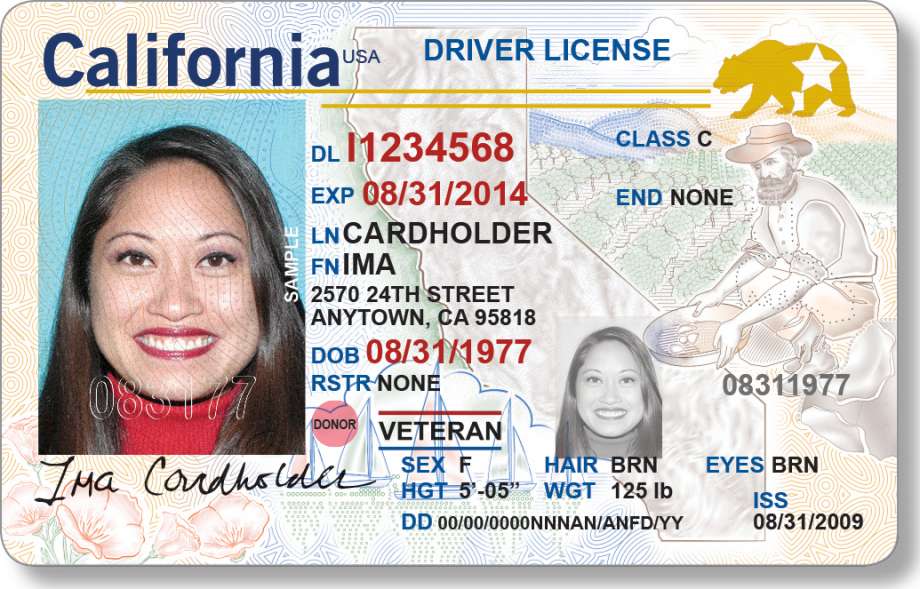
Understanding California’s AB 60: A Landmark Legislative Shift
The journey to allow undocumented residents to obtain driver’s licenses in California was a long and complex one, culminating in the passage of Assembly Bill 60, or AB 60. This legislation marked a significant paradigm shift, recognizing the practical realities faced by millions of residents who, despite lacking legal immigration status, contribute to the state’s economy and fabric of daily life. The law was enacted not merely as a humanitarian gesture, but as a pragmatic solution to a host of issues ranging from public safety to economic stability. Understanding the rationale and key provisions of AB 60 is crucial to grasping its profound impact.
The Rationale Behind AB 60
Prior to AB 60, undocumented immigrants often drove without licenses, a practice that presented numerous challenges. From a public safety perspective, unlicensed drivers are typically uninsured and have not passed the state’s driving and knowledge tests, posing a higher risk on the roads. The primary argument for AB 60 was therefore rooted in enhancing road safety. By enabling undocumented individuals to obtain licenses, they would be required to learn California traffic laws, pass driving tests, and, crucially, become eligible for car insurance. This move was projected to reduce the number of uninsured motorists and hit-and-run incidents, making roads safer for everyone.
Beyond safety, economic and practical arguments played a significant role. Many undocumented residents are essential workers, especially in sectors like agriculture, construction, and hospitality. Without the ability to drive legally, commuting to work became a daily peril, limiting job opportunities and hindering economic participation. AB 60 aimed to remove these barriers, allowing individuals to commute reliably, access healthcare, and transport their children to school, thereby fostering greater stability and contributing more effectively to the local economy. It was also seen as a measure to integrate these communities more fully, reducing fear and isolation.
Key Provisions of the Law
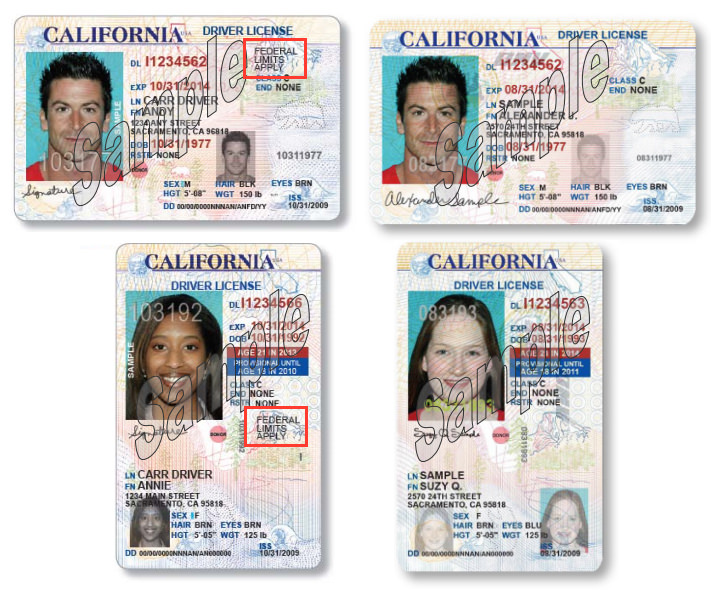
AB 60 officially went into effect on January 1, 2015, allowing the California Department of Motor Vehicles to issue a driver’s license to applicants who meet all requirements, regardless of their immigration status. A key distinction of the AB 60 license is the phrase “federal limits apply” printed on the front. This clause clearly indicates that while the license grants driving privileges within California, it cannot be used for federal identification purposes, such as boarding domestic flights, entering federal facilities, or for any other purpose that requires proof of legal presence in the United States. This provision was crucial for addressing concerns about federalism and ensuring the license’s scope remained within state jurisdiction. The law mandates that applicants must still prove identity and California residency, pass vision and written tests, and successfully complete a driving test, just like any other applicant. The DMV also established specific guidelines for documentation accepted from individuals who may not have federally-issued identification.
Eligibility and Application Process for the AB 60 License
For undocumented individuals seeking to obtain a California driver’s license under AB 60, understanding the eligibility criteria and the application process is paramount. While the law removed the barrier of immigration status, it maintained rigorous standards for proving identity, residency, and driving competency. The process is designed to be accessible yet secure, ensuring that only qualified individuals receive licenses. Navigating the requirements can seem daunting, but with proper preparation, it is a straightforward path to obtaining legal driving privileges.
Who Qualifies?
The primary qualification for an AB 60 license is that an individual cannot provide proof of legal presence in the United States but meets all other requirements for a standard driver’s license. This means the applicant must be a resident of California, be at least 16 years old, and demonstrate their identity and residency through alternative documentation. The law explicitly states that the DMV shall not inquire about the applicant’s immigration status, focusing instead on their ability to prove who they are and where they live. This broad eligibility ensures that a wide range of undocumented individuals residing in the state can apply, provided they meet the non-immigration related criteria. The goal is to provide a path to legal driving for those who are already part of the community and regularly use California’s roads.
Required Documentation
One of the most critical aspects of the AB 60 application is providing sufficient documentation to prove identity and California residency. Since federal documents like a Social Security number or a U.S. birth certificate may not be available, the DMV developed a comprehensive list of acceptable alternative documents. For identity, applicants can typically present a foreign birth certificate, a foreign passport, or a consular identification card from their country of origin. Some countries’ identification documents, like a Mexican Matricula Consular card, are commonly accepted. For proof of residency, the DMV accepts documents such as utility bills, rental or lease agreements, mortgage statements, school records, property tax bills, or even medical documents that show a California address. It’s often necessary to provide multiple documents to satisfy both identity and residency requirements, ensuring a robust verification process. The DMV website provides detailed lists and examples of acceptable documents, and applicants are strongly encouraged to review these carefully before their appointment.
The Application Steps
The application process for an AB 60 license largely mirrors that of a standard California driver’s license. The first step involves completing the driver’s license application form and scheduling an appointment at a local DMV office. Walk-ins are generally discouraged due to potentially long wait times. During the appointment, applicants submit their required identity and residency documents, which are carefully reviewed by DMV staff. After document verification and payment of the application fee, applicants must pass a vision test and a written knowledge test covering California traffic laws and road signs. Study materials for the written test are available in multiple languages. Upon passing the written test, a provisional permit is issued, allowing the applicant to practice driving with a licensed adult. Finally, the applicant must pass a behind-the-wheel driving test administered by the DMV. Successful completion of all these steps leads to the issuance of the AB 60 driver’s license, typically mailed within a few weeks.

The Impact on Daily Lifestyle and Community
The implementation of AB 60 has had a transformative effect on the daily lives of undocumented residents in California, extending far beyond the simple act of driving. It has reshaped personal mobility, opened new economic pathways, enhanced public safety, and contributed to a greater sense of belonging and reduced fear within these communities. The policy’s ripple effects touch various aspects of community life, underscoring its multifaceted impact.
Enhanced Mobility and Economic Opportunities
For many undocumented individuals, particularly those living in areas with limited public transportation, a driver’s license is indispensable for navigating daily life. Prior to AB 60, simple tasks like commuting to work, grocery shopping, or taking children to school or medical appointments were fraught with anxiety. The fear of being pulled over for a minor traffic infraction and facing severe legal consequences, including potential deportation, was constant. With a legal driver’s license, this pervasive fear is significantly reduced, allowing individuals to move more freely and confidently. This enhanced mobility directly translates into expanded economic opportunities. Workers can access a wider range of jobs, especially those requiring travel or located in suburban and rural areas. It supports greater job security, reduces reliance on expensive rideshares or unreliable informal transportation, and allows for more consistent employment, ultimately contributing to household stability and the local economy.
Increased Road Safety and Insurance Coverage
One of the most compelling arguments for AB 60 was its potential to improve overall road safety, and evidence suggests this has largely been the case. By requiring all applicants, regardless of immigration status, to pass written and practical driving tests, the law ensures that more drivers on California roads are knowledgeable about traffic laws and possess basic driving skills. Crucially, obtaining a driver’s license also makes these individuals eligible for auto insurance. Before AB 60, a significant number of undocumented drivers were uninsured, leading to substantial problems in the event of accidents. With licensed and insured drivers, the financial burden on other motorists and the state is reduced, and the accountability on the roads increases. Studies conducted post-AB 60 have indicated a decrease in hit-and-run incidents and an increase in the number of insured drivers, validating the safety arguments put forth by proponents of the law.
Integration and Reduced Fear
Beyond the practical benefits, AB 60 has played a significant role in fostering a greater sense of integration and reducing the daily stress experienced by undocumented communities. Having a government-issued identification allows individuals to prove their identity for various non-federal purposes, such as interacting with local law enforcement, opening bank accounts, or enrolling children in school. This recognition, even if limited, can be profoundly impactful, reducing the feeling of being invisible or constantly at risk. It allows undocumented individuals to engage more fully in their local communities without the constant threat of being stopped and questioned about their status simply for driving. This reduction in fear promotes greater community trust and encourages participation in civic life, leading to a more stable and cohesive society for all California residents.
Addressing Common Concerns and Misconceptions
Despite the widely recognized benefits of AB 60, the legislation has also generated a fair share of public discussion, concerns, and misconceptions. It’s important to address these points directly to fully understand the scope and limitations of the AB 60 driver’s license and its role within California’s legal and social framework. Clarifying these aspects helps in appreciating the nuanced approach California has taken to integrate undocumented residents safely and effectively.
The “Federal Limits Apply” Clause
One of the most significant features of the AB 60 license, and often a point of confusion, is the “federal limits apply” designation. This phrase clearly differentiates the AB 60 license from a REAL ID-compliant license or standard driver’s license that can be used for federal identification purposes. The core meaning is that the AB 60 license is strictly for proving driving privileges and identity for state-level purposes, such as driving within California or interacting with local law enforcement. It cannot be used to board domestic flights, enter secure federal facilities like courthouses or military bases, or for any other purpose where federal law requires proof of legal presence or a REAL ID-compliant document. This limitation was a critical component of the legislation, designed to respect federal immigration authority while still granting state-level driving privileges. It ensures that the AB 60 license remains true to its intent: a tool for safer roads and local integration, not a backdoor to federal recognition.
Data Privacy and Protection
Another common concern revolves around the privacy of personal data collected by the DMV from AB 60 applicants. Many undocumented individuals fear that providing their information to a state agency could make them vulnerable to federal immigration enforcement. California has taken steps to address these concerns by implementing strict data protection policies. The law generally prohibits the DMV from sharing information about AB 60 applicants with federal immigration authorities for enforcement purposes. While there are legal caveats, such as compliance with a valid warrant or court order, the intent is to safeguard the privacy of applicants and ensure that the act of applying for a driver’s license does not inherently expose individuals to immigration raids or deportation. This commitment to data privacy is essential for building trust within the undocumented community and encouraging eligible individuals to come forward and obtain licenses, thereby fulfilling the safety and economic goals of AB 60.
Distinguishing from Standard Licenses
Visually, the AB 60 driver’s license is distinct from other California driver’s licenses. In addition to the “federal limits apply” phrase, it may have other subtle markings or design elements that differentiate it from a REAL ID or a non-REAL ID compliant standard license. This visual distinction helps to prevent misuse for federal purposes and clarifies its specific function. It is important for both applicants and the general public to understand that the “federal limits apply” designation does not diminish the license’s validity for driving purposes within the state. It is a fully legitimate document for operating a vehicle, renting a car (though rental companies may have their own policies), and serving as proof of identity for many state and local services. The differences are functional, not indicative of a lesser driving privilege.
In conclusion, California’s AB 60 legislation has fundamentally transformed the question of whether an undocumented immigrant can obtain a driver’s license. The answer is a resounding yes, albeit with specific limitations. By prioritizing road safety, economic inclusion, and community integration, California has carved a path for millions of its residents to live safer, more stable, and more integrated lifestyles. While concerns and misconceptions persist, the framework established by AB 60 continues to provide a pragmatic and humane solution that benefits both undocumented individuals and the broader California community.
LifeOutOfTheBox is a participant in the Amazon Services LLC Associates Program, an affiliate advertising program designed to provide a means for sites to earn advertising fees by advertising and linking to Amazon.com. Amazon, the Amazon logo, AmazonSupply, and the AmazonSupply logo are trademarks of Amazon.com, Inc. or its affiliates. As an Amazon Associate we earn affiliate commissions from qualifying purchases.