
For individuals residing in California without legal immigration status, the question of obtaining official identification has significant implications for their daily lives and overall lifestyle. Prior to 2015, access to a driver’s license, a fundamental document for mobility and identification, was largely restricted. However, the enactment of Assembly Bill 60 (AB 60) dramatically altered this landscape, opening doors to a new sense of independence, security, and integration within the state. This legislation addresses a critical aspect of personal lifestyle for a substantial portion of the population, impacting everything from commuting to work to accessing essential services.
Understanding California’s AB 60 Driver’s Licenses
The passage of Assembly Bill 60 marked a pivotal moment for individuals without legal immigration status in California. This law established a pathway for all eligible California residents, regardless of immigration status, to apply for and receive a driver’s license. The impetus behind AB 60 was multifaceted, aiming to enhance public safety by ensuring all drivers are tested, licensed, and insured, while simultaneously improving the quality of life for undocumented residents.
The Legislative Framework
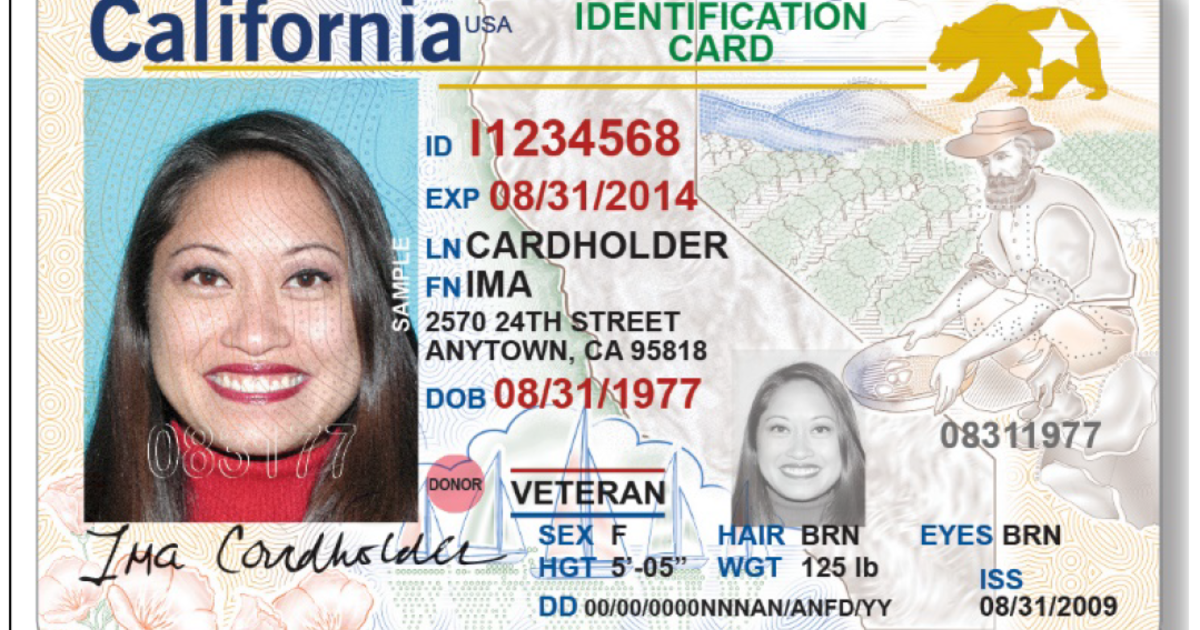
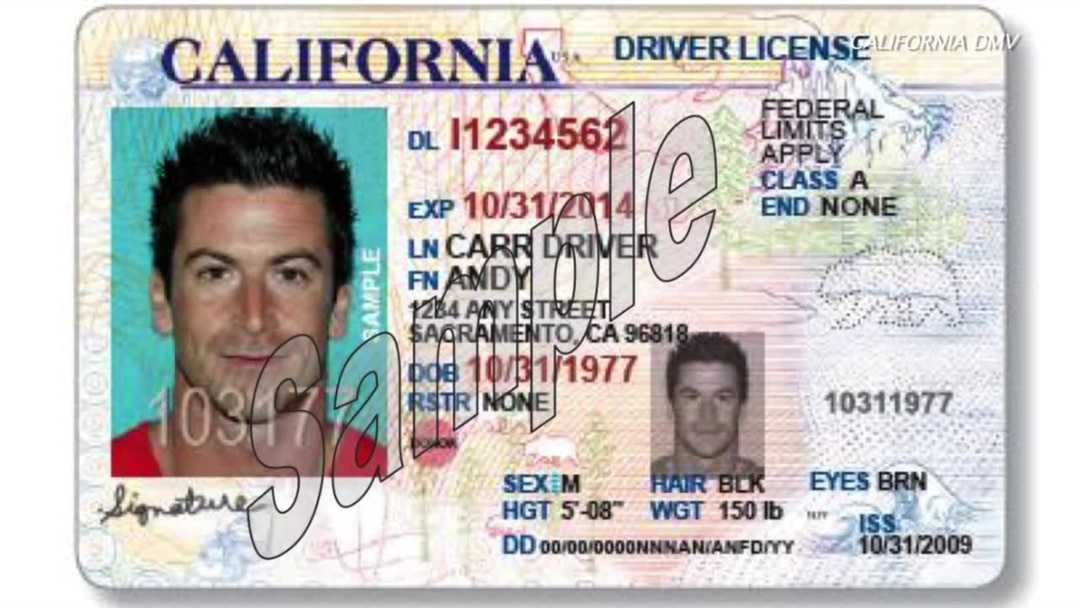
Assembly Bill 60 came into effect on January 1, 2015, after years of advocacy and legislative debate. It mandated that the California (DMV) issue an original driver’s license to an applicant who meets all other qualifications for licensure and provides satisfactory proof of identity and California residency, regardless of their immigration status. This bill explicitly created a new category of driver’s license, often referred to as an “AB 60 license,” which looks slightly different from federal-compliant licenses to distinguish its limitations concerning federal identification purposes. The card features a visible notation, “FEDERAL LIMITS APPLY,” indicating that it cannot be used for federal identification purposes, such as boarding domestic flights or entering federal facilities, which require Real ID-compliant identification.
Eligibility and Application Process
To be eligible for an AB 60 driver’s license, applicants must meet the standard requirements for all California driver’s licenses, including passing a written knowledge test and a behind-the-wheel driving test. The unique aspect for undocumented individuals lies in the documentation required to prove identity and residency. Applicants must present specific documents from a list approved by the California. These include, but are not limited to, foreign passports, consular identification cards, and certified copies of birth certificates from various countries. Proof of California residency can be established through utility bills, rental agreements, or other similar documents. The process also involves submitting an application, paying the required fees, and providing fingerprints for a background check. The California has also implemented robust privacy protections for applicants, ensuring that information gathered for the AB 60 license program is not used for immigration enforcement purposes.
Key Distinctions and Limitations
It is crucial to understand that while an AB 60 license provides driving privileges and serves as a valid state-issued identification, it is not a federal-compliant Real ID. This distinction significantly impacts its utility in certain situations. For example, holders of an AB 60 license cannot use it to pass through TSA checkpoints at airports for domestic air travel, nor can they use it to enter secure federal facilities like military bases or certain government buildings. For these purposes, alternative identification, such as a passport or a Real ID-compliant license (if eligible), would be necessary. Despite these limitations, the AB 60 license remains a powerful tool for daily life within California, addressing critical aspects of personal lifestyle and mobility within the state’s borders.
The Transformative Impact on Daily Lifestyle
The implementation of Assembly Bill 60 has profoundly reshaped the daily lifestyle of hundreds of thousands of individuals without legal immigration status across California. Beyond merely granting the right to drive, this legislation has fostered a greater sense of security, independence, and opportunity, fundamentally altering how these individuals navigate their personal and professional lives.
Enhanced Mobility and Independence

Perhaps the most immediate and tangible impact of an AB 60 license is the drastic improvement in personal mobility. For many undocumented residents, the inability to legally drive meant relying on costly ride-sharing services, limited public transportation, or the inherent risks associated with driving without a license. This severely restricted their ability to commute to work, transport children to school or appointments, shop for groceries, or participate in community activities. With a legal driver’s license, individuals gain the freedom to travel safely and independently, allowing them to access better job opportunities further afield, manage family responsibilities with greater ease, and engage more fully with their local communities. This newfound independence significantly reduces daily stress and improves overall quality of life, allowing for more flexible scheduling and greater access to recreational and social activities that define a fulfilling lifestyle.
Accessing Essential Services and Opportunities
An AB 60 license extends its benefits far beyond just driving. It serves as a valid form of state identification, a crucial document for accessing numerous essential services that underpin a stable lifestyle. Many banks require a state-issued ID to open an account, which is vital for managing finances, receiving wages, and building credit. Similarly, an ID can facilitate interactions with healthcare providers, ensure accurate identification in emergencies, and streamline enrollment processes for educational programs or vocational training. While it does not grant eligibility for federal benefits or legal employment status, having an official ID can indirectly open doors to local opportunities and reduce barriers to everyday transactions, from renting an apartment to signing up for a library card. The psychological benefit of having an official document that validates one’s presence in the state also contributes to a greater sense of belonging and reduced vulnerability.
Personal Security and Community Integration
The presence of an AB 60 license significantly enhances the personal security of undocumented individuals. Prior to AB 60, driving without a license carried the constant fear of being pulled over, which could lead to vehicle impoundment, fines, and potential referral to immigration authorities. This pervasive fear created an environment of anxiety and limited engagement with law enforcement, even in legitimate situations requiring assistance. With a legal license, drivers are less susceptible to these severe consequences, allowing for safer interactions with police officers and reducing the likelihood of minor traffic infractions escalating into more serious immigration-related issues. This contributes to a safer lifestyle for the individual and their family. Furthermore, by allowing more people to legally drive, AB 60 fosters greater trust and integration between law enforcement and immigrant communities. It contributes to overall road safety by ensuring more drivers are trained, tested, and insured, benefiting all residents of California and strengthening the fabric of local communities.
Navigating Life with an AB 60 License
The acquisition of an AB 60 license represents a significant milestone in the lifestyle of many individuals without legal immigration status. However, understanding its full scope, practical uses, and inherent limitations is essential for maximizing its benefits and ensuring compliance. This document, while transformative, is not a panacea for all challenges, but it undeniably improves daily living.
Beyond Driving: Practical Uses of the ID
While the primary function of the AB 60 license is to grant driving privileges, its utility as a state-issued identification card is equally impactful. For countless routine transactions, possessing a valid ID is indispensable. This includes tasks such as opening utility accounts, picking up prescriptions at a pharmacy, confirming identity for certain financial services, or even proving age for age-restricted purchases. In essence, it normalizes many aspects of daily life that were previously fraught with difficulty or required reliance on less official forms of identification. This ease of transaction contributes to a more streamlined and less stressful lifestyle, allowing individuals to participate more fully in the consumer economy and civic life of California. It provides a foundational layer of identity that can unlock various opportunities and simplify daily administrative burdens, enhancing an individual’s personal autonomy.
Important Considerations and Rights
Holders of an AB 60 license must be aware of its specific characteristics and limitations. As previously noted, the “FEDERAL LIMITS APPLY” notation means it cannot be used for federal identification purposes. This is a crucial distinction, especially concerning domestic air travel, where a U.S. passport or a Real ID-compliant state ID would be required. Furthermore, while the California has implemented strong privacy measures to protect applicants’ data, individuals should remain informed about their rights and responsibilities. The license does not alter immigration status, nor does it provide a path to legal permanent residency or citizenship. It is purely a state-issued driving and identification document. Understanding these boundaries ensures that individuals can leverage the benefits of the license appropriately without misunderstanding its scope. Education on these nuances empowers individuals to make informed decisions about its use and avoid potential complications.
The Broader Social and Economic Implications
The widespread issuance of AB 60 licenses has also had broader social and economic implications for California. From a public safety perspective, it has led to more insured drivers on the road and a decrease in hit-and-run incidents, as drivers are less afraid of interacting with law enforcement. Economically, the initiative has generated revenue through application fees and increased gasoline tax collections, contributing to the state’s infrastructure. More importantly, it has allowed undocumented workers to reliably commute to jobs, sustaining vital sectors of the California economy, particularly in agriculture, construction, and service industries. By facilitating smoother daily routines and promoting greater participation in society, AB 60 indirectly boosts local economies and strengthens communities. It illustrates how a targeted legislative change can significantly improve the lifestyle of a specific demographic, fostering a more inclusive and functional society for all residents of California. The ability to prove identity and legally operate a vehicle is not just a privilege; it is a fundamental component of modern life that shapes an individual’s trajectory and opportunities within their adopted home.
LifeOutOfTheBox is a participant in the Amazon Services LLC Associates Program, an affiliate advertising program designed to provide a means for sites to earn advertising fees by advertising and linking to Amazon.com. Amazon, the Amazon logo, AmazonSupply, and the AmazonSupply logo are trademarks of Amazon.com, Inc. or its affiliates. As an Amazon Associate we earn affiliate commissions from qualifying purchases.