
The Shifting Landscape of Mobility and Lifestyle in California
The ability to drive is a cornerstone of modern life, deeply intertwined with personal independence, economic opportunity, and the very fabric of daily routines. In a sprawling state like California, where public transportation can be limited outside major urban cores, a driver’s license is more than just a piece of plastic; it’s a gateway to a complete lifestyle. For undocumented immigrants residing in the Golden State, access to this essential document was once a distant dream, severely limiting their ability to navigate society safely and efficiently. This changed dramatically with the enactment of AB 60, a landmark piece of legislation that redefined mobility and integrated a significant portion of the population into mainstream life. Understanding this policy is crucial for appreciating the profound impact it has had on countless individuals and the broader Californian community.
A Matter of Daily Living and Independence
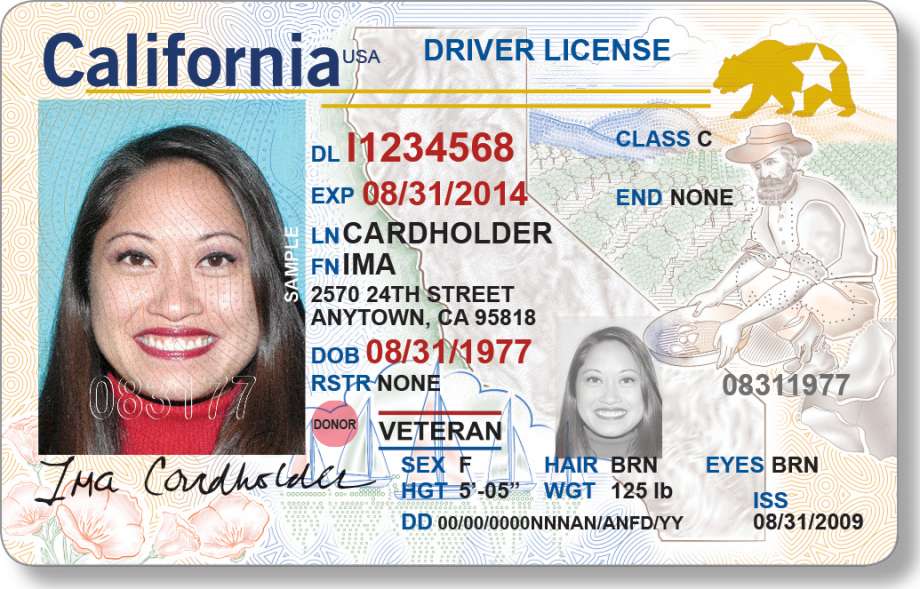
Imagine needing to get to work, take children to school, access medical appointments, or simply purchase groceries, all without the legal ability to drive. This was the challenging reality for many undocumented immigrants in California prior to 2015. Their daily existence was often characterized by reliance on others, fear of apprehension during routine traffic stops, and significant barriers to pursuing basic opportunities. The lack of a driver’s license created a shadow economy of transportation, increased safety risks on the roads due to uninsured drivers, and fostered a sense of marginalization. AB 60 addressed these issues head-on, recognizing that integrating all residents, regardless of immigration status, into the state’s driving framework would benefit everyone. It acknowledged that a secure and legal means of transportation is fundamental to a dignified and productive lifestyle.
AB 60: A Landmark Policy
Signed into law in 2013 and implemented on January 1, 2015, AB 60, officially known as the Safe and Responsible Drivers Act, allows all eligible California residents to apply for a driver’s license, regardless of their immigration status. This was not merely a gesture of goodwill; it was a pragmatic solution to a complex societal problem. The primary rationale behind the law was to enhance public safety by ensuring that all drivers on the road are tested, licensed, and insured. Before AB 60, an estimated two million unlicensed drivers were operating vehicles on California’s roads, creating significant risks. By providing a pathway to licensure, the state sought to reduce hit-and-run incidents, promote driver education, and increase the number of insured vehicles, thereby benefiting all road users. For undocumented immigrants, it meant an unprecedented opportunity to gain legitimate access to transportation, reducing anxiety and opening doors to greater participation in community life.
Understanding the Application Process for an AB 60 License
Navigating the bureaucracy of the Department of Motor Vehicles (DMV) can seem daunting for anyone, let alone for those unfamiliar with the process or worried about their immigration status. However, the application for an AB 60 license is designed to be straightforward, focusing on verifying identity and residency without inquiring into immigration specifics beyond what is necessary to issue the license itself. The process, while requiring diligent preparation, is entirely manageable and designed to facilitate compliance with state driving laws.
Eligibility Requirements
To be eligible for an AB 60 driver’s license, applicants must meet specific criteria, which primarily revolve around identity and proof of residency in California. Critically, unlike standard driver’s licenses, the AB 60 license does not require proof of legal presence in the United States. This distinction is central to its purpose.
- Proof of Identity: Applicants must provide acceptable proof of identity. The Department of Motor Vehicles offers a list of primary and secondary documents. Primary documents typically include foreign passports, Mexican Matricula Consular cards, or other foreign consular identification cards. Secondary documents might include birth certificates, marriage certificates, or school records. It is essential that all documents are original or certified copies and, if not in English, must be accompanied by a certified translation.
- Proof of Residency in California: Demonstrating residency in California is a key component. This can be established through utility bills, rental agreements, property deeds, school documents, employment records, or bank statements, among other options. The aim is to prove that the applicant genuinely resides within the state.
- No Requirement for U.S. Legal Presence: This is the defining feature of the AB 60 license. Applicants are not required to provide a Social Security Number if they are ineligible to receive one, nor are they asked to prove their lawful immigration status. This ensures the license is accessible to undocumented immigrants.
The DMV Journey: Steps to Success
Once eligibility is confirmed, the application process at the Department of Motor Vehicles follows several clear steps:
- Scheduling an Appointment: While walk-ins are sometimes accepted, scheduling an appointment online is highly recommended to minimize wait times and ensure dedicated service.
- Required Documentation: Gather all necessary identity and residency documents, along with any required forms, before heading to the Department of Motor Vehicles. It’s always wise to bring more documents than strictly required to avoid multiple trips.
- Application Submission and Fees: Complete the driver’s license application form (DL 44), pay the application fee, and undergo a vision test.
- Written Knowledge Test Preparation: Passing a written knowledge test is mandatory. This test covers traffic laws and road signs in California. The Department of Motor Vehicles provides driver handbooks in multiple languages, and studying this material is crucial for success.
- Driving Test Expectations: After passing the written test and obtaining a learner’s permit, applicants must hold the permit for a minimum period (typically six months for adults) before being eligible for a behind-the-wheel driving test. This test assesses practical driving skills, adherence to traffic laws, and safe driving habits. Practicing with a licensed driver is essential during this phase.
Beyond the Wheel: Broader Lifestyle Implications
The impact of AB 60 extends far beyond merely allowing individuals to operate a vehicle. It has catalyzed significant positive shifts in public safety, economic participation, and the overall quality of life for millions in California. These broader implications highlight how a single policy can reshape an entire lifestyle ecosystem.
Enhanced Safety and Insurance Access
One of the most immediate and tangible benefits of AB 60 has been the improvement in road safety across California. By requiring all drivers to pass written and practical exams, the state ensures a more knowledgeable and competent pool of motorists. Prior to AB 60, many undocumented drivers, though often experienced, had not been formally tested on California-specific traffic laws. Now, they are. Furthermore, with a valid license, individuals can legally obtain auto insurance. This dramatically reduces the number of uninsured motorists on the road, protecting not only the drivers themselves but also other drivers and pedestrians in the event of an accident. Studies have shown a decrease in hit-and-run incidents since the law’s implementation, as licensed and insured drivers are less likely to flee accident scenes.
Economic and Social Integration
The ability to drive legally unlocks numerous economic and social doors. For many, reliable transportation is a prerequisite for better job opportunities. Commuting to work, especially in sectors like agriculture, construction, or caregiving, often requires personal transport, particularly in regions underserved by public transit. With a driver’s license, individuals can access a wider array of employment, potentially leading to higher wages and improved financial stability for families. Beyond employment, legal driving facilitates easier access to essential services such as healthcare facilities, educational institutions, and social support programs. It also enables greater participation in community life, fostering a stronger sense of belonging and reducing social isolation. The fear of minor traffic infractions leading to impoundment or even deportation is significantly mitigated, allowing individuals to live with greater peace of mind.
The Dignity of Mobility
Perhaps the most profound impact of AB 60 is the restoration of dignity and self-reliance it offers. The freedom to drive, to independently manage daily errands, visit family, or simply explore the state, transforms an individual’s lifestyle. It alleviates the stress and logistical challenges of relying on others or risking driving without a license. This sense of empowerment contributes to mental well-being and reduces the daily anxieties associated with living in the shadows. For families, parents can more easily transport their children to school or extracurricular activities, ensuring greater stability and opportunity for the next generation. The license symbolizes recognition and a step towards fuller integration into the social fabric of California.
Addressing Common Concerns and Misconceptions
Despite its clear benefits, the AB 60 program has faced scrutiny and generated various questions. Addressing these concerns is vital for public understanding and for ensuring that eligible individuals feel confident in applying. Transparency about the license’s function and limitations is paramount.
Is it a “Real” License?
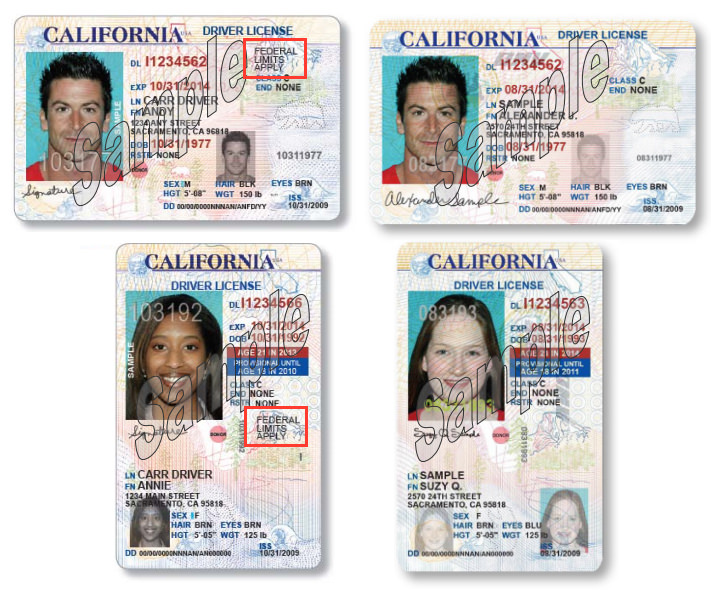
A common question revolves around the legitimacy of the AB 60 license. It is unequivocally a valid California driver’s license, issued by the Department of Motor Vehicles, authorizing the holder to legally operate a motor vehicle within the state. It looks nearly identical to a standard license, with one key distinction: it bears a visible marking (e.g., “FEDERAL LIMITS APPLY” or similar phrasing, depending on the issuance date and specific regulations) indicating that it cannot be used for federal identification purposes. This means it is not accepted for boarding domestic flights, entering federal facilities, or other contexts where federal identification is required. However, for all driving-related purposes—traffic stops, purchasing insurance, or renting a car (provided other rental criteria are met)—it is fully legitimate.
Privacy and Data Security
Concerns about privacy and the sharing of personal information with federal immigration authorities are understandable for undocumented individuals. California law specifically prohibits the Department of Motor Vehicles from providing applicant information to immigration enforcement agencies for the sole purpose of immigration enforcement. The data collected is for driver licensing purposes only, and the state has implemented robust safeguards to protect applicant privacy. This legal protection is crucial for building trust and encouraging eligible individuals to apply, thereby achieving the safety goals of the AB 60 legislation.
Impact on Immigration Status
It is important to clarify that obtaining an AB 60 driver’s license does not confer legal immigration status, nor does it alter an individual’s existing immigration status. It is purely a state-issued document for driving privileges. While it improves daily life and reduces some anxieties, it does not provide a pathway to citizenship or legal residency in the United States. This distinction is critical for applicants to understand, ensuring they have realistic expectations about the license’s scope.
The Future of Immigrant Mobility in California
California’s progressive stance on immigrant rights and integration continues to evolve, with AB 60 serving as a powerful testament to the belief that inclusive policies create stronger, safer communities. The success of this program reinforces the idea that providing basic necessities like a driver’s license is not just a humanitarian gesture but a practical imperative for a functioning society.
Continued Advocacy and Support
Advocacy groups and community organizations remain instrumental in supporting immigrant communities, providing resources for AB 60 applications, driver education, and legal assistance. Their ongoing efforts ensure that information is accessible, misconceptions are debunked, and the benefits of the law reach those who need it most. This collaborative ecosystem of state policy and grassroots support reinforces the lifestyle changes empowered by the legislation.
A Model for Other States?
California’s experience with AB 60 has been closely watched by other states grappling with similar issues. Many have recognized the public safety and economic benefits of licensing all drivers, irrespective of immigration status. As a result, California often serves as a model, demonstrating that such policies can be implemented effectively and beneficially. The widespread adoption of similar laws across the nation could fundamentally transform the daily lifestyle and mobility options for millions of undocumented immigrants, fostering a more integrated and safer society for all. The AB 60 license, therefore, represents not just a local policy, but a potential blueprint for a more equitable future in America.
LifeOutOfTheBox is a participant in the Amazon Services LLC Associates Program, an affiliate advertising program designed to provide a means for sites to earn advertising fees by advertising and linking to Amazon.com. Amazon, the Amazon logo, AmazonSupply, and the AmazonSupply logo are trademarks of Amazon.com, Inc. or its affiliates. As an Amazon Associate we earn affiliate commissions from qualifying purchases.