
The question of whether an undocumented person can obtain a California ID delves deep into the practicalities of daily life and the pursuit of a stable, integrated lifestyle within the Golden State. For millions, access to official identification is not merely a formality but a fundamental component that dictates mobility, safety, and the ability to fully participate in society. California, a state often at the forefront of progressive policies, has indeed addressed this critical need, offering a pathway for undocumented residents to obtain a state driver’s license or identification card. This initiative profoundly impacts the lifestyle of numerous individuals and families, facilitating everything from routine errands to broader opportunities for personal and professional growth.
The Path to Integration and Mobility in the Golden State
In 2013, California passed Assembly Bill 60 (AB 60), a landmark piece of legislation that authorized the Department of Motor Vehicles (DMV) to issue driver’s licenses to applicants who could not provide proof of legal presence in the United States. This law took effect on January 1, 2015, marking a significant shift in how the state addresses the needs of its undocumented population. The primary objective of AB 60 was not to grant legal status but to enhance public safety by ensuring that all drivers on California’s roads are tested, licensed, and insured. However, its impact extends far beyond traffic safety, fundamentally reshaping the daily lifestyle for hundreds of thousands of Californians.
The availability of a state-issued ID, even one specifically marked for AB 60 applicants, provides a crucial layer of legitimacy and recognition. Prior to AB 60, undocumented residents often lived with the constant fear of being pulled over for a minor traffic infraction, leading to severe consequences including vehicle impoundment, fines, and potential deportation proceedings. The absence of a driver’s license severely restricted their ability to travel, commute to work, take children to school, or access essential services, creating a parallel society where basic mobility was a privilege, not a right. With an AB 60 license, individuals gain the freedom to navigate the state’s vast network of roads, opening up new possibilities for employment, education, and social engagement. This newfound mobility contributes significantly to a more stable and less stressful lifestyle, fostering a greater sense of belonging and community participation.
Understanding the AB 60 Driver’s License
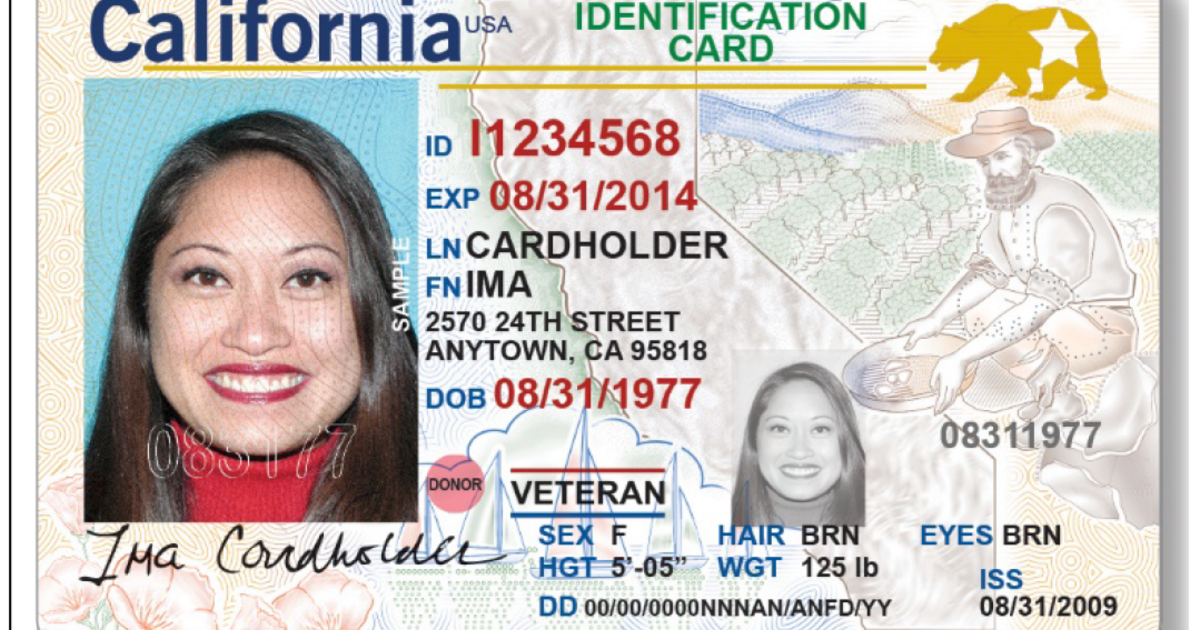
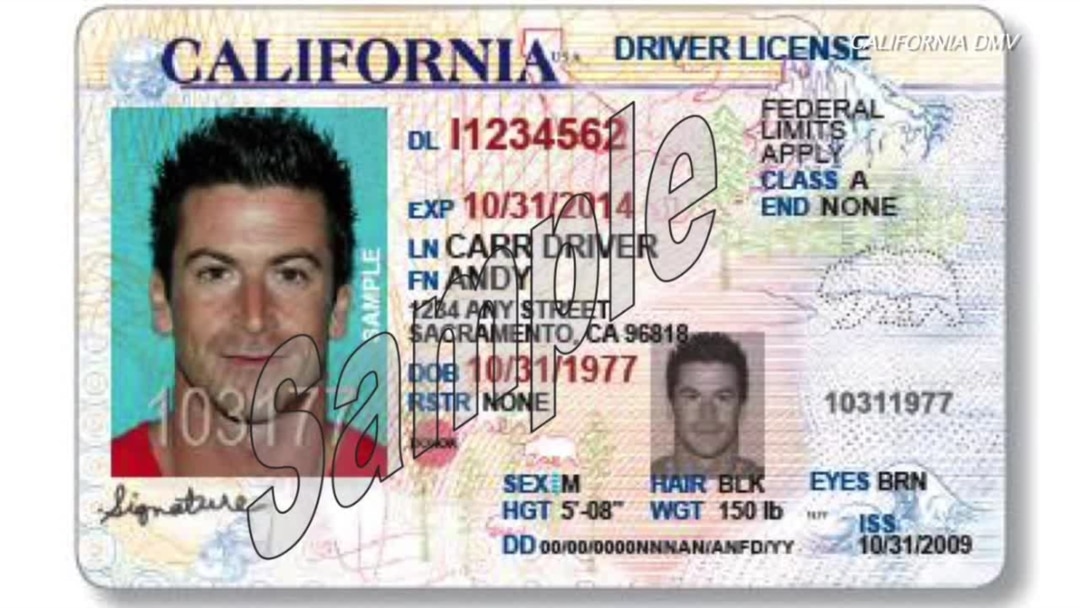
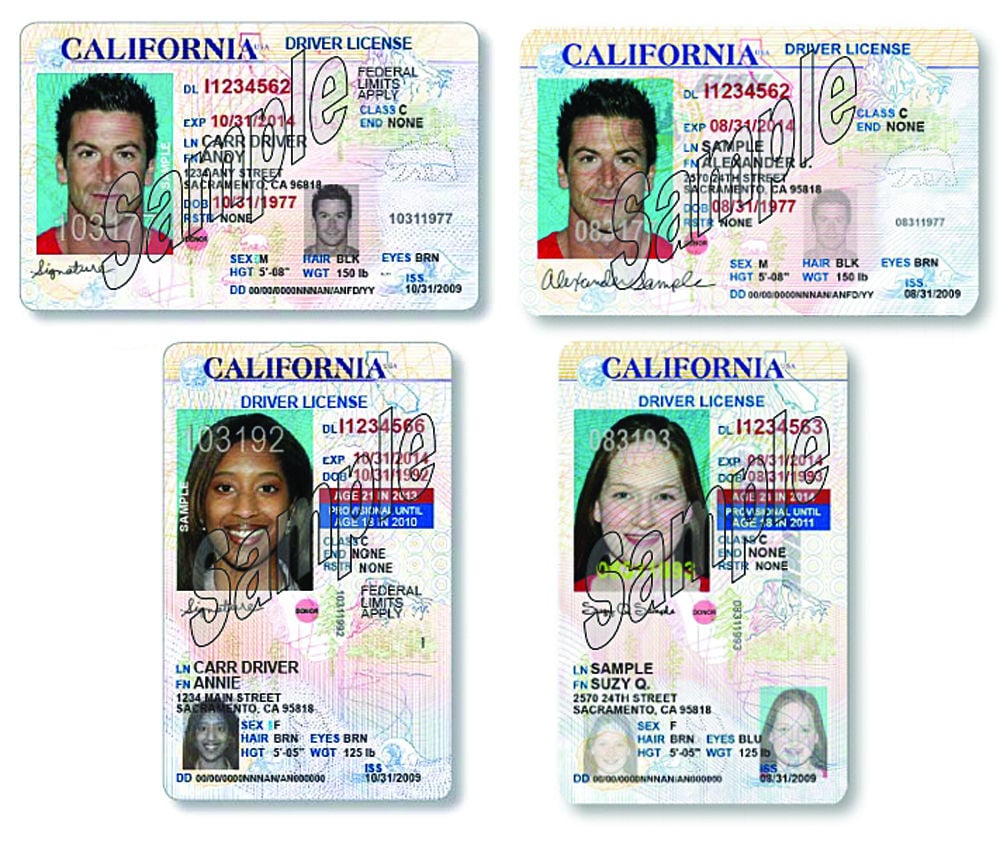
The AB 60 driver’s license is visually distinct from a federal compliant REAL ID or a standard California driver’s license. It features a notation, often on the front or back, stating “FEDERAL LIMITS APPLY” or “NOT VALID FOR FEDERAL PURPOSES.” This distinction means the AB 60 license cannot be used for federal identification purposes, such as boarding domestic flights or entering federal facilities, though some adjustments have been made for certain travel situations. However, for everyday state-level interactions, including driving, proving identity to law enforcement, and opening bank accounts, it serves its intended purpose effectively. The ability to possess a legitimate form of identification dramatically reduces the anxieties associated with routine activities and empowers individuals to pursue a fuller, more integrated lifestyle within California.
Beyond Identification: Enhancing Daily Life and Opportunity
The impact of the AB 60 driver’s license extends well beyond the simple act of driving. It is a catalyst for enhanced lifestyle quality, fostering self-sufficiency and greater access to essential services and opportunities. For undocumented individuals, proving identity has historically been a significant barrier to numerous aspects of modern life.
Access to Essential Services and Economic Stability
A state-issued ID makes it easier to engage in various financial and civic activities. For instance, while federal law prohibits undocumented immigrants from receiving many public benefits, an AB 60 license can help with opening bank accounts, which is crucial for secure money management and avoiding the risks associated with carrying large amounts of cash. This seemingly minor change contributes to greater financial stability, a cornerstone of a well-managed lifestyle. It also simplifies interactions with local and state government agencies where identity verification is often required. The ability to transact business with greater ease and security directly translates into improved daily living.
Furthermore, increased mobility and identification can indirectly improve employment opportunities. Many jobs, particularly in sectors like agriculture, construction, and hospitality, require reliable transportation. With an AB 60 license, individuals can commute to a wider range of workplaces, potentially leading to better-paying jobs and improved working conditions. This economic uplift directly impacts family life, enabling greater investment in housing, education, and overall well-being. For families, the ability for parents to legally drive means safer transportation for children to school, medical appointments, and extracurricular activities, enriching the family lifestyle and promoting integration into community life.
Social Participation and Reduced Stress
The psychological benefits of holding a valid ID are immense. It instills a sense of dignity and reduces the chronic stress associated with living in the shadows. Simple acts like picking up medication from a pharmacy, enrolling a child in school, or even verifying identity for a rental agreement become less fraught with anxiety. This reduction in daily stress fosters a healthier, more engaged lifestyle. It empowers individuals to participate more freely in social activities, community events, and civic life, strengthening the social fabric of California. When individuals feel recognized and secure, they are more likely to contribute positively to their communities, whether through volunteer work, local initiatives, or simply being active, law-abiding residents.
Navigating the Application Process: Key Steps and Requirements
Obtaining an AB 60 driver’s license requires meeting specific documentation and testing requirements set by the California DMV. While applicants do not need to prove legal presence, they must still establish their identity and California residency.
Essential Documentation
Applicants must provide documents that verify their identity and date of birth. Accepted documents often include foreign passports, consular IDs, or certified birth certificates issued by foreign countries. The DMV maintains a comprehensive list of acceptable documents, and it’s crucial for applicants to review this list carefully and prepare thoroughly before visiting a DMV office. Furthermore, proof of California residency is also required, which can be demonstrated through utility bills, rental agreements, or other official mail. The meticulous collection of these documents is a critical first step towards securing the ID that unlocks a more mobile and integrated lifestyle.
Written and Driving Tests
Like all driver’s license applicants in California, AB 60 applicants must pass a written knowledge test and a behind-the-wheel driving test. The written test assesses knowledge of traffic laws and road signs, while the driving test evaluates practical driving skills. The DMV offers study materials in multiple languages, including the California Driver Handbook, to help applicants prepare. Passing these tests is not just a regulatory hurdle; it ensures that all drivers, regardless of immigration status, possess the necessary skills and knowledge to operate a vehicle safely, contributing to overall public safety and smoother traffic flow, which benefits everyone’s daily lifestyle.
A Catalyst for Experiencing California’s Diverse Lifestyle
With an AB 60 driver’s license, undocumented individuals can more freely explore and engage with California’s rich tapestry of experiences, from its bustling urban centers to its serene natural landscapes. This enhanced mobility transforms how individuals experience the state, enabling a fuller, more dynamic lifestyle.
Imagine the freedom to drive from the vibrant cultural hubs of Los Angeles to the historic charm of San Francisco, or to transport your family to the beautiful beaches of San Diego for a weekend getaway. Previously, such journeys would be fraught with anxiety and potential legal risks. Now, individuals can plan trips to visit family in different cities, explore state parks, or even commute to agricultural regions like Napa Valley or the Central Valley for seasonal work with greater confidence and security.
The ability to drive legally opens up countless avenues for experiencing the diverse “lifestyle” California has to offer. It means being able to participate in local tourism within the state, visiting iconic landmarks like Yosemite National Park or exploring the culinary scenes of Sacramento and other cities. While the AB 60 license has federal limitations, its power within the state’s borders is transformative. It allows individuals to take advantage of the vast opportunities for leisure, cultural immersion, and personal enrichment that define the California lifestyle.
In conclusion, California’s provision for undocumented residents to obtain a state driver’s license is a testament to the state’s commitment to inclusivity and public safety. More importantly, it is a crucial enabler of a more stable, mobile, and integrated lifestyle for hundreds of thousands of individuals. It reduces fear, enhances access to services, and unlocks opportunities for economic and social participation, ultimately enriching the lives of undocumented Californians and contributing to the overall vibrancy of the state.
LifeOutOfTheBox is a participant in the Amazon Services LLC Associates Program, an affiliate advertising program designed to provide a means for sites to earn advertising fees by advertising and linking to Amazon.com. Amazon, the Amazon logo, AmazonSupply, and the AmazonSupply logo are trademarks of Amazon.com, Inc. or its affiliates. As an Amazon Associate we earn affiliate commissions from qualifying purchases.