
The Boston Marathon is not just a race; it’s an institution, a pilgrimage for runners worldwide, and an iconic travel experience. Held annually on Patriots’ Day in Massachusetts, it’s the world’s oldest annual marathon and one of the most prestigious road races. For many, the dream of toeing the start line in Hopkinton and finishing on Boylston Street in Boston is a defining athletic ambition. But the question remains: can anyone run the Boston Marathon? The simple answer is no, not directly. Unlike many other marathons that offer open registration, the Boston Marathon maintains strict qualification standards, making it an exclusive event that demands both speed and strategic planning. However, while the path to Boston is challenging, it’s not insurmountable, and the journey itself is a captivating travel narrative.

The Allure of the Boston Marathon: A Runner’s Ultimate Pilgrimage
The magnetic pull of the Boston Marathon is undeniable. For decades, it has stood as a beacon of endurance, athleticism, and community spirit. It represents not just a physical challenge but also a mental one, a test of will that draws participants and spectators alike to the historic streets of Boston. Understanding what makes this event so special is the first step in appreciating its unique entry requirements and the extraordinary travel experience it offers.
A Legacy of Excellence and Challenge
Established in 1897, the Boston Marathon predates the modern Olympic Marathon by a year, cementing its place in athletic history. Its legacy is built on a foundation of competitive excellence, hosting some of the greatest runners in the sport’s history. This deep-rooted tradition imbues the race with an unparalleled gravitas. Participants aren’t just running 26.2 miles; they are running through history, following in the footsteps of legends. The challenging course, from the rolling hills of rural Massachusetts to the infamous Heartbreak Hill, adds to its mystique, transforming it into a true test of grit. The demanding nature of the race, both in terms of qualification and execution, is precisely what makes the achievement of running it so profoundly rewarding. It’s a journey into the heart of running culture, an ultimate experience for any serious runner.
Why Boston Captivates the Running World
Beyond its historical significance, the Boston Marathon captivates the running world due to its incredible atmosphere and the unwavering support of the Boston community. As a destination for athletes, Boston transforms during marathon week. The city buzzes with anticipation, runners from every corner of the globe converge, sharing stories and camaraderie. The spectators lining the entire 26.2-mile course are legendary for their enthusiasm, creating a tunnel of sound and encouragement that propels runners forward. This electric environment elevates the race from a mere competition to a profound shared experience. For many, traveling to Boston for the marathon, whether as a runner or a spectator, is a bucket-list travel item, offering an immersive cultural and sporting event unlike any other. It’s a chance to witness, and perhaps even be part of, a living piece of sports history, soaking in the vibrant energy of an iconic American city during one of its most celebrated events.
The Qualification Conundrum: Understanding the Entry Barriers
The primary reason not “anyone” can simply sign up for the Boston Marathon lies in its stringent qualification process. The Boston Athletic Association (BAA), the race organizer, maintains strict time standards designed to ensure a competitive field and manage the enormous demand for entries. These standards are what make the race a goal rather than just an entry on a race calendar.
Meeting the Strict BAA Standards
To even be considered for entry, runners must first achieve a specific qualifying time in a certified marathon within a designated window, typically within the 18 months prior to the Boston Marathon registration period. These “Boston Qualifying” or BQ times are set by the BAA and are notoriously challenging, demanding dedication, discipline, and consistent training. The times vary based on age and gender, acknowledging the physiological differences across demographics. For example, a 30-year-old male might need to run a marathon under 3 hours and 0 minutes, while a 50-year-old female might need to be under 3 hours and 55 minutes. These are not arbitrary numbers; they are benchmarks of serious athletic achievement, designed to select a field of capable and prepared runners. The pursuit of a BQ often becomes a multi-year running project, involving strategic race selection, meticulous training plans, and sometimes multiple marathon attempts, transforming it into a true athletic journey.
The Elusive “Boston Qualifying” Time (BQ)
Achieving a BQ is merely the first hurdle. Due to the overwhelming popularity of the Boston Marathon, the BAA frequently implements a “cut-off” time, meaning that even if a runner meets the standard, they might not gain entry if too many other qualifiers are faster. In recent years, runners have often needed to run several minutes faster than their age/gender qualifying time to secure a spot. This creates an additional layer of challenge, turning the BQ from a target into a minimum requirement, and pushing aspiring participants to elevate their performance even further. This competitive landscape means that simply qualifying isn’t enough; one must qualify faster than the rest, adding an intense element of strategic race planning and performance optimization to the runner’s travel and training itinerary.
Age and Gender Grouping: A Fair Playing Field
The BAA’s system of age and gender-based qualification times ensures a degree of fairness, acknowledging the natural variations in athletic performance across different groups. This stratified approach makes the dream of Boston attainable for a broader range of committed runners, rather than solely the elite. It means that an older runner, while still needing to achieve a significant time, isn’t directly competing against the times posted by younger athletes for qualification. This inclusive yet stringent approach contributes to the diverse and inspiring field seen on race day, where runners of all ages and backgrounds converge, united by their shared journey to Boston.
Pathways Beyond the BQ: Alternative Routes to the Start Line
While the BQ is the most common and celebrated path, it’s not the only way to earn a coveted bib for the Boston Marathon. For those who may not meet the strict time standards but are equally passionate about participating, there are alternative avenues that combine athletic endeavor with meaningful contribution. These routes often intertwine with unique travel experiences, offering different ways to engage with the destination.
Running for a Cause: Charity Program Entries
One of the most significant alternative pathways is through the official charity program. Many non-profit organizations are granted entries by the BAA to raise funds for their causes. Runners who commit to raising a substantial amount of money for a chosen charity can secure a guaranteed entry without needing a qualifying time. This path requires immense dedication not only to training but also to fundraising, transforming the running journey into a philanthropic mission. Participants often develop deep connections with their chosen charity and fellow team members, adding a profound layer of purpose to their Boston Marathon experience. For many, this offers a unique travel opportunity to Boston, not just as an athlete but as an ambassador for a cause, creating a richer, more impactful visit.

The John Hancock Non-Profit Program
A major partner in the Boston Marathon is John Hancock, who facilitates one of the largest non-profit fundraising programs. Through this initiative, numerous local and national charities receive entries that they then distribute to fundraisers. This program is highly competitive, as applicants must not only demonstrate a commitment to fundraising but also often explain their personal connection to the charity’s mission. Securing a spot through John Hancock’s program is a testament to a runner’s dedication beyond pace, making it a highly respected means of entry. It connects runners directly to the social fabric of Boston and Massachusetts, offering a unique perspective on the community during their travel for the race.
Special Invitations and Elite Athletes
Finally, a small number of entries are reserved for elite athletes who are invited to compete by the BAA, and for special invitees who represent sponsors, media, or other significant partners. These entries typically go to professional runners, notable figures, or individuals whose participation adds significant value to the event. While this path is generally out of reach for the average runner, it highlights the multifaceted nature of the Boston Marathon and its role as both a mass participation event and a world-class athletic competition.
Planning Your Boston Marathon Journey: More Than Just Running
Once entry to the Boston Marathon is secured, the focus shifts from qualification to preparation – not just physical training, but also logistical planning for the ultimate travel experience. Participating in a major marathon in a bustling city like Boston requires careful coordination to ensure a smooth and enjoyable trip.
Travel and Accommodation: Securing Your Stay in Boston
Boston is a popular tourist destination, and during Marathon Weekend, hotels and flights can be booked solid and prices can skyrocket. Runners and their support teams need to plan their travel and accommodation well in advance, often as soon as entry is confirmed. Researching hotels, apartments, or other accommodations near the finish line or along the public transport routes is crucial. Many participants opt to stay outside the immediate city center and commute in, balancing cost with convenience. Booking flights, especially for international travelers, early ensures better rates and availability. This pre-race travel planning is an integral part of the overall Boston Marathon experience, setting the stage for the big day.
Race Logistics: Packet Pick-Up and Transportation
The marathon experience officially begins days before the race with packet pick-up at the John Hancock Sports & Fitness Expo. This massive event is a destination in itself, offering opportunities to explore vendors, learn about new running gear, and soak in the pre-race atmosphere. On race day, transportation to the start line in Hopkinton is meticulously organized by the BAA, with buses departing from designated locations in Boston. Understanding these logistics, including bus schedules and bag drop-off procedures, is vital for a stress-free start. Familiarizing oneself with the public transportation system in Boston is also essential for navigating the city efficiently throughout the race weekend.
Embracing the City: Pre and Post-Race Experiences
Beyond the race itself, the Boston Marathon offers a fantastic opportunity to explore Boston as a travel destination. Before the race, runners often take light walks to historic sites like the Freedom Trail, Faneuil Hall, or the Boston Common, soaking in the city’s rich history. Post-race, with the medal proudly displayed, the city comes alive with celebrations. Exploring neighborhoods, enjoying local cuisine, and perhaps even visiting a museum or two offers a well-deserved reward. The marathon experience extends far beyond the 26.2 miles, encompassing the entire journey to and from Boston, creating memories that blend athletic triumph with cultural immersion.
The Unforgettable Race Day Experience: Conquering Heartbreak Hill
The culmination of months, sometimes years, of training and planning arrives on Patriots’ Day. The race day experience of the Boston Marathon is legendary, offering a blend of physical challenge, emotional highs, and unparalleled crowd support. It’s a journey from a quaint New England town to the bustling heart of a major city, filled with iconic moments for every runner.
The Iconic Course: From Hopkinton to Boylston Street
The Boston Marathon course is a point-to-point journey that begins in the rural town of Hopkinton and winds through several towns including Ashland, Framingham, Natick, and Wellesley, before entering the city of Newton and finally Boston. Each segment of the course offers unique characteristics, from the initial downhill rush to the challenging Newton Hills, culminating in the notorious Heartbreak Hill around mile 20. Conquering these demanding inclines, especially Heartbreak Hill when fatigue sets in, is a rite of passage for Boston Marathon participants. The course is not only a physical challenge but also a scenic tour through diverse Massachusetts landscapes, adding another dimension to the travel experience.
The Roar of the Crowd: Fueling Your Every Step
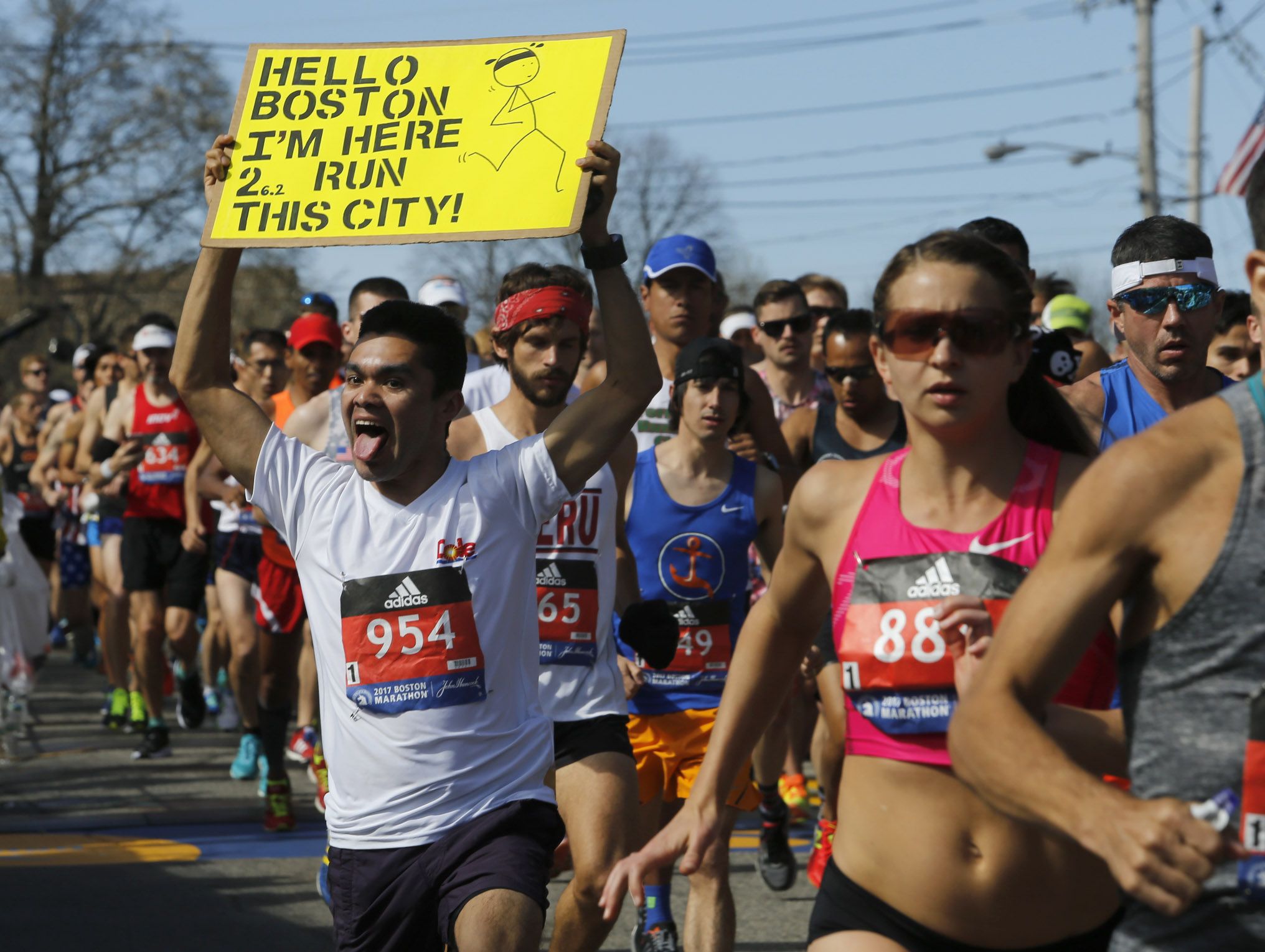
What truly sets the Boston Marathon apart is the unparalleled crowd support. From the quiet start in Hopkinton to the deafening final stretch on Boylston Street, spectators line virtually every inch of the course. The famous “Scream Tunnel” at Wellesley College, the unwavering cheers through the Newton hills, and the final surge of energy from the crowds in Kenmore Square provide an incredible boost. Their encouragement, often personal and heartfelt, fuels runners through moments of doubt and pain, turning a solo endeavor into a shared triumph. This energetic atmosphere transforms the experience from a personal race into a communal celebration of endurance and spirit, a core memory for any traveler to Boston during this event.
Crossing the Finish Line: A Dream Realized
The moment a runner turns onto Boylston Street and sees the finish line is often described as surreal. The roar of the crowd becomes immense, and the culmination of years of effort, training, and strategic travel planning culminates in a single, unforgettable moment. Crossing that finish line is more than just completing a race; it’s the realization of a dream, a testament to perseverance, and an indelible mark on a runner’s athletic and travel resume. It’s the ultimate reward for the question: can anyone run the Boston Marathon? The answer, while nuanced, confirms that with dedication, strategic planning, and a bit of luck, the extraordinary travel and athletic experience of running the Boston Marathon is within reach for many. It’s not just a race; it’s a journey, a destination, and an experience of a lifetime.
LifeOutOfTheBox is a participant in the Amazon Services LLC Associates Program, an affiliate advertising program designed to provide a means for sites to earn advertising fees by advertising and linking to Amazon.com. Amazon, the Amazon logo, AmazonSupply, and the AmazonSupply logo are trademarks of Amazon.com, Inc. or its affiliates. As an Amazon Associate we earn affiliate commissions from qualifying purchases.