
For any traveler planning an immersive journey through the diverse landscapes and vibrant cities of the Grand Canyon State, understanding the local telecommunications framework is a crucial, albeit often overlooked, piece of the puzzle. Knowing the area codes of Arizona isn’t just a technical detail; it’s a practical tip for seamless communication with local businesses, emergency services, accommodations, and attractions, making your tourism experience much smoother. Arizona, a state celebrated for its breathtaking natural wonders, rich cultural heritage, and thriving urban centers, utilizes a handful of area codes to manage its vast and growing population. This guide will demystify Arizona’s area codes, placing them squarely within the context of tourism and offering insights to enhance your visit.

Navigating Arizona’s Telecommunication Landscape for Tourists
Before you even book your flight or pack your bags, knowing how to contact local services in your destination is a fundamental aspect of responsible travel planning. In Arizona, the system of area codes is divided geographically, ensuring that as you move from one stunning region to another, you’ll be aware of the correct prefix for local dialing. This knowledge becomes particularly valuable when confirming hotel reservations, making dinner plans at a local eatery, or seeking assistance from local tour operators or emergency services.
The Primary Area Codes: 480, 520, 602, 623, 928
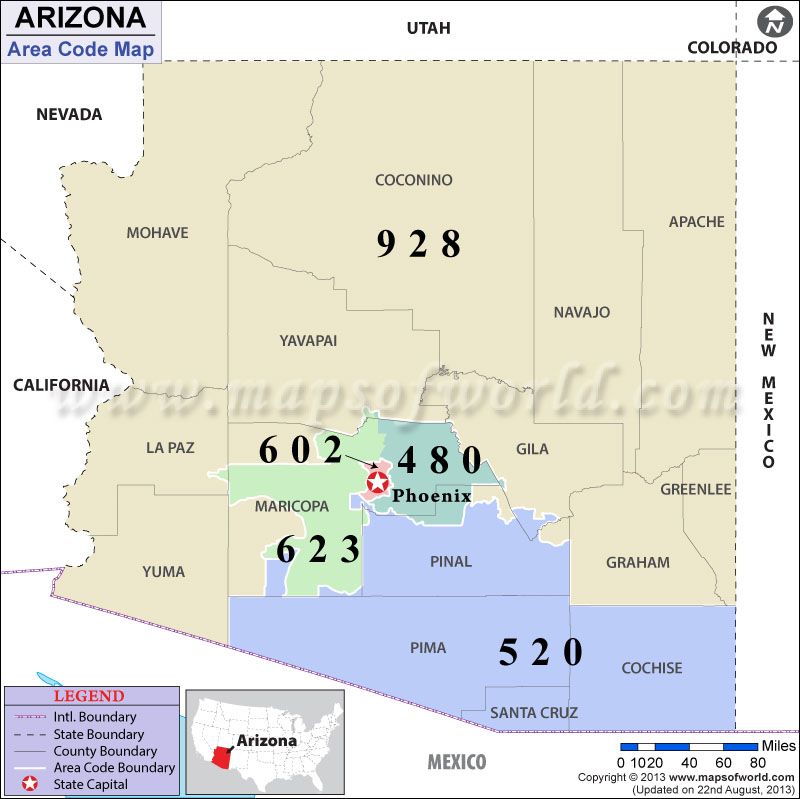
Arizona currently operates with five distinct area codes, some of which are overlays, meaning multiple codes serve the same geographic region to accommodate a higher demand for phone numbers. These codes are 480, 520, 602, 623, and 928. While this might seem like a handful, they are distributed logically across the state’s major population centers and expansive rural areas. For the tourist, understanding which code applies to which region simplifies direct communication and helps to prevent dialing errors, especially when relying on traditional phone calls rather than internet-based apps.
Why Area Codes Matter to Visitors
For a tourist, area codes are more than just numbers; they are gateways to local connections. Imagine you’re exploring the bustling streets of Phoenix and need to call ahead to confirm your reservation at a popular restaurant, or perhaps you’re planning a last-minute hot air balloon ride and need to reach the tour operator. Having the correct area code at your fingertips eliminates guesswork and frustration. Furthermore, if you encounter an emergency, knowing the standard dialing procedure for local numbers, which often includes the area code even for local calls in overlay regions, can save precious moments. It’s about preparedness, efficiency, and ensuring you can tap into local resources as needed, whether it’s confirming museum hours, booking a spa treatment, or inquiring about local transportation options.
Area Codes and Arizona’s Key Tourist Destinations
Arizona’s diverse geography means that its area codes neatly delineate different tourist regions, each offering unique experiences. From the sprawling metropolitan centers to the serene desert landscapes and majestic canyonlands, understanding the local area code helps ground your travel planning in geographical reality.
The Greater Phoenix Metropolitan Area (480, 602, 623)
The heart of Arizona’s urban tourism, the Greater Phoenix Metropolitan Area, is served by an overlay complex of three area codes: 480, 602, and 623.
- 602: This is the original, central area code for the core city of Phoenix itself. Tourists visiting downtown attractions like the Phoenix Art Museum, the Heard Museum, or attending events at the Footprint Center will primarily encounter the 602 code when contacting businesses or services in this vibrant urban core. This area is also a hub for culinary exploration, with numerous restaurants offering innovative Southwestern cuisine.
- 480: Predominantly serving the eastern parts of the metro area, including upscale Scottsdale, Mesa, and Tempe. Tourists heading to Scottsdale for its luxurious resorts, art galleries, and lively nightlife, or to Tempe for Arizona State University’s cultural events and Mill Avenue’s entertainment district, will frequently use or encounter numbers starting with 480. Mesa, with its family-friendly attractions and outdoor recreation opportunities, also falls under this code.
- 623: Covers the western suburbs of the Phoenix area. While perhaps less frequented by first-time tourists, those exploring specific attractions, golf courses, or large event venues in cities like Glendale or Peoria will find themselves in the 623 zone. Understanding these distinctions ensures effortless communication within what is often referred to as the “Valley of the Sun,” a major hub for arts, culture, and outdoor activities like hiking in the Sonoran Desert.
Southern Arizona and the Tucson Region (520)
South of the Phoenix metro, the vast expanse of Southern Arizona is primarily covered by the 520 area code.
- Tucson: The vibrant city of Tucson is the heart of the 520 region. Tourists drawn to its unique blend of Old West charm, vibrant Mexican-American culture, and the stunning backdrop of the Sonoran Desert will find the 520 area code ubiquitous. Whether you’re calling to book a ghost town tour, reserve a table at a critically acclaimed Southwestern restaurant, or inquire about events at the University of Arizona, 520 is your key. The city is famous for its culinary scene, designated a UNESCO City of Gastronomy, and hosts events like the annual Tucson Gem and Mineral Show.
- Surrounding Attractions: The 520 area code also extends to iconic natural attractions like Saguaro National Park, where the majestic cacti stand sentinel over ancient desert landscapes, and historic sites like the Mission San Xavier del Bac. For tourists exploring the rugged beauty and rich history of Southern Arizona, the 520 area code will be your primary dialing prefix.
Northern and Western Arizona: The Vast 928 Overlay
The largest geographical area of Arizona, encompassing its most famous natural wonders and diverse terrains, falls under the 928 area code. This code covers everything outside the Phoenix and Tucson metro areas, from the soaring peaks of the north to the desert expanses of the west.
- Grand Canyon National Park: Undoubtedly Arizona’s crown jewel, Grand Canyon National Park is within the 928 area. Tourists calling lodges, visitor centers, or tour operators for rim tours or rafting excursions will use this code.
- Sedona and Flagstaff: The breathtaking red rock country of Sedona, famous for its spiritual vortexes, hiking trails, and vibrant arts community, is served by 928. Similarly, the mountain city of Flagstaff, a gateway to the Grand Canyon and a hub for outdoor adventure and the historic Route 66, also uses 928. These areas offer a stark contrast to the desert lowlands, with pine forests and cooler temperatures, making them popular year-round destinations for hiking, mountain biking, and skiing.
- Western Arizona: Further west, cities like Lake Havasu City, known for the relocated London Bridge and extensive water recreation on the Colorado River, and Yuma, a historical city at the state’s southwestern corner, are also under the 928 umbrella. This expansive coverage means that whether you’re planning a houseboat trip on Lake Powell, exploring the mystical slot canyons of Antelope Canyon (often requiring contact with local Navajo tour operators), or visiting the iconic tribal park of Monument Valley, the 928 area code will be your telecommunication companion.
Practical Tips for Tourists: Using Arizona Area Codes
Beyond just knowing the numbers, integrating this knowledge into your travel practices can make a significant difference in the smoothness of your trip.
Dialing Conventions and Long-Distance Considerations
In Arizona’s overlay areas (like Phoenix metro), it’s generally required to dial the full 10-digit number (area code + 7-digit number) even for local calls. This is a common practice in regions with multiple area codes serving the same geographic space. For calls between different area codes within the state or to other states, standard long-distance dialing rules apply (typically 1 + area code + 7-digit number). Always confirm specific dialing instructions from your phone provider, especially if you’re using an international roaming plan, to avoid unexpected charges.
Emergency Services and Local Contact Information
While 911 remains the universal emergency number across the United States, for non-emergency situations or specific local services, knowing the correct area code to dial local police, fire departments, or medical facilities is essential. Keep a list of important local numbers, including those for your accommodation, rental car company, and any tour operators, along with their respective area codes. This proactive measure can save valuable time and alleviate stress if you need assistance during your travels.
Staying Connected: Cell Service and Wi-Fi Hotspots
While understanding area codes is crucial for traditional phone communication, most modern travelers rely heavily on cell service and Wi-Fi. Major tourist destinations in Arizona generally have excellent cell coverage from major carriers. However, venturing into remote areas like the Grand Canyon National Park or other wilderness regions can result in spotty or nonexistent service. Always plan for potential communication gaps by downloading offline maps, making necessary calls in advance, and informing others of your itinerary. Many hotels, restaurants, and attractions offer free Wi-Fi, allowing you to use internet-based communication apps without worrying about area codes or cellular data limits.
Beyond the Codes: Experiencing Arizona’s Unique Charm
While practicalities like area codes are important, they are merely tools to facilitate your deeper engagement with Arizona’s profound beauty and rich cultural tapestry. The state offers an unparalleled array of experiences, beckoning travelers to explore its diverse offerings.
Local Festivals and Events
Arizona’s calendar is dotted with unique festivals and events that showcase its heritage, arts, and community spirit. Beyond the famous Tucson Gem and Mineral Show in the 520 area, tourists can experience the vibrant Scottsdale Arts Festival (480), Native American pow-wows, and countless music, film, and food festivals across the state. These events offer an incredible opportunity to dive into local culture and create unforgettable memories.
Culinary Adventures
Arizona’s culinary scene is a delightful fusion of Southwestern flavors, Native American influences, and innovative modern cuisine. From authentic Sonoran hot dogs in Tucson to gourmet dining in Scottsdale and farm-to-table experiences in Sedona, foodies will find a diverse range of options. Don’t forget to try local staples like prickly pear margaritas, chimichangas, and traditional Navajo fry bread.

Exploring Natural Wonders
Of course, no trip to Arizona is complete without immersing yourself in its iconic natural wonders. Beyond the awe-inspiring Grand Canyon National Park (928), explore the mesmerizing slot canyons of Antelope Canyon (928), hike amidst the towering saguaros of Saguaro National Park (520), or witness the surreal landscapes of Monument Valley (928). Each region, defined by its unique area code, offers a gateway to a different facet of Arizona’s geological and ecological grandeur.
In conclusion, while “What Is The Area Code Of Arizona?” might seem like a straightforward question, its answer is deeply interwoven with the fabric of travel and tourism within the state. Understanding these simple numbers empowers visitors to navigate, communicate, and connect more effectively, turning potential communication hurdles into seamless experiences as they discover the magic of Arizona.
LifeOutOfTheBox is a participant in the Amazon Services LLC Associates Program, an affiliate advertising program designed to provide a means for sites to earn advertising fees by advertising and linking to Amazon.com. Amazon, the Amazon logo, AmazonSupply, and the AmazonSupply logo are trademarks of Amazon.com, Inc. or its affiliates. As an Amazon Associate we earn affiliate commissions from qualifying purchases.