
Navigating the landscape of unemployment benefits in Texas can be a complex undertaking, particularly for those experiencing job loss or seeking to understand the state’s support systems. While the primary focus of Texas‘s economic and social support might seem distant from the vibrant tourism and lifestyle content typically found on our platform, the underlying principles of economic stability and individual well-being are intrinsically linked to how such systems function. Understanding how unemployment benefits are structured provides insight into the broader economic health of a region, which in turn influences everything from the affordability of travel to the thriving nature of local tourism and hospitality sectors.
This article delves into the specifics of unemployment compensation in Texas, aiming to provide a clear and comprehensive overview for residents and those curious about the state’s economic safety net. We will explore the maximum and minimum benefit amounts, the duration of these benefits, and the eligibility criteria that individuals must meet. By shedding light on these aspects, we aim to demystify a crucial part of the social support infrastructure in the Lone Star State.
Understanding Texas Unemployment Benefits
The Texas Workforce Commission (TWC) is the state agency responsible for administering unemployment insurance benefits. These benefits are designed to provide temporary financial assistance to eligible individuals who have lost their jobs through no fault of their own. The system is funded by unemployment taxes paid by employers in Texas. The amount an individual receives is calculated based on their past earnings, and the duration they can receive benefits is generally limited.
Maximum and Minimum Weekly Benefit Amounts
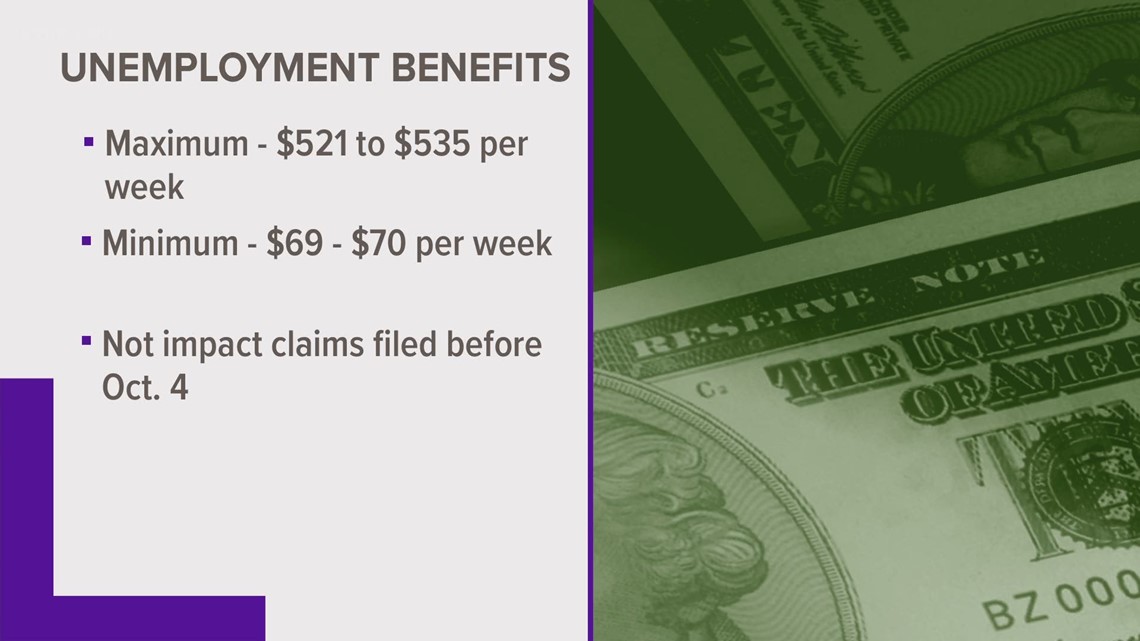
The maximum weekly benefit amount (WBA) an individual can receive in Texas is currently $521. This amount is subject to change annually, reflecting adjustments in wage averages. The minimum WBA is $69. These figures represent the highest and lowest possible payments a claimant could receive, with the actual WBA falling somewhere within this range, determined by the claimant’s previous wages during their base period.
The calculation of an individual’s WBA is based on their average weekly wage during the “benefit year,” which typically covers a 12-month period preceding their application for benefits. The TWC uses a formula to determine this, ensuring that the benefits awarded are a proportion of the claimant’s prior earnings, thus providing a measure of income replacement. It’s important to note that benefits are not meant to replace lost wages entirely but to offer a financial cushion during periods of unemployment.
Duration of Benefits
In Texas, eligible individuals can typically receive unemployment benefits for a maximum of 26 weeks. This standard duration can be extended during periods of high unemployment, as determined by federal and state law. These extensions are often triggered by specific economic conditions and are designed to provide additional support when job markets are particularly challenging.
The base period for calculating benefits is crucial. It generally consists of the first four of the last five completed calendar quarters before an individual files their claim. Wages earned during this period are used to determine both the WBA and the maximum total benefits payable. For instance, if someone worked for several employers within Texas during their base period, the wages from all these employers would be considered.
Eligibility Requirements for Texas Unemployment
To qualify for unemployment benefits in Texas, individuals must meet several stringent criteria set forth by the TWC. These requirements ensure that the benefits are provided to those who are genuinely unemployed through no fault of their own and are actively seeking new employment.
Work and Wage History
A fundamental requirement is having a sufficient work and wage history in Texas. Generally, claimants must have earned a minimum amount of wages during their base period, and these wages must have been earned from employers who paid unemployment taxes. The TWC outlines specific minimum earnings thresholds that vary depending on the state’s economic conditions. Typically, claimants need to have earned wages in at least two different quarters of their base period and meet a total base period wage requirement.
This ensures that individuals have a demonstrable attachment to the Texas labor market. For example, someone who has only worked sporadically or for a very short duration might not meet the earnings requirements to qualify for benefits. The TWC provides detailed guidelines on its website regarding these specific wage thresholds.
Separation from Employment
The circumstances under which an individual leaves their job are critical to their eligibility. To be eligible for unemployment benefits, a claimant must have been unemployed through no fault of their own. This means that voluntary quitting without good cause or being terminated for misconduct generally disqualifies individuals from receiving benefits.
- Good Cause for Quitting: In some instances, quitting a job can still be considered “for good cause” and allow for eligibility. This typically includes situations where the employer has made significant changes to the job duties, the work environment has become unsafe, or there are compelling personal reasons such as serious illness or domestic violence.
- Misconduct: Termination for misconduct, such as repeated tardiness, insubordination, or violation of company policies, will likely result in disqualification. The TWC investigates the reasons for separation to determine fault.
Actively Seeking Work

A cornerstone of receiving unemployment benefits in Texas is the requirement to be actively seeking suitable work. Claimants must demonstrate to the TWC that they are making a good-faith effort to find new employment. This typically involves registering with the TWC’s job search assistance programs, applying for jobs, attending interviews, and keeping a record of their job search activities.
The TWC may require claimants to submit documentation of their job search efforts, such as a log of applications submitted and interviews attended. Failure to actively search for work or to report these activities can lead to a suspension or denial of benefits. This active job search component is designed to help individuals re-enter the workforce as quickly as possible, reinforcing the temporary nature of unemployment assistance.
How Benefits are Calculated and Paid
The calculation and payment of unemployment benefits in Texas involve a systematic process designed to ensure accuracy and fairness. Once an individual is deemed eligible, their weekly benefit amount is determined, and payments are disbursed on a regular schedule.
Calculating Your Weekly Benefit Amount (WBA)
As previously mentioned, your WBA is primarily determined by your earnings during your established base period. The TWC calculates your average weekly wage over this period. A formula is then applied to this average to arrive at your WBA. For example, if your average weekly wage was $700, your WBA would be a percentage of that amount, up to the maximum of $521.
The TWC’s benefit calculator, available on their official website, can provide a more precise estimate of an individual’s potential WBA based on their reported wages. It is crucial to provide accurate information about your employment history to ensure the correct calculation.
Payment Process and Frequency
Once an initial claim is approved, unemployment benefits are typically paid weekly. Claimants must continue to file weekly or bi-weekly claims, certifying that they remain unemployed, are able and available to work, and are actively seeking employment. These certifications are essential for continued payment.
Payments are usually made via direct deposit or by debit card. The processing time for initial claims can vary, but once approved, subsequent payments are generally disbursed within a few business days after the claimant files their weekly certification. The TWC provides online tools and a customer service hotline for claimants to track the status of their claims and payments.
Factors Influencing Benefit Amounts and Duration
Several external factors and specific claimant circumstances can influence the actual amount and duration of unemployment benefits received in Texas. These can range from economic conditions to individual choices regarding employment.
Extensions During Economic Downturns
During periods of significant economic hardship, such as a recession or a widespread industry downturn, the duration of unemployment benefits can be extended beyond the standard 26 weeks. These extensions are often part of federal pandemic unemployment programs or state-specific initiatives designed to provide additional support when the job market is particularly sluggish. For example, during the COVID-19 pandemic, federal programs significantly extended the duration and amount of unemployment benefits.
Impact of Partial Employment
If a claimant finds part-time work while receiving unemployment benefits, they may still be eligible to receive a reduced benefit amount. Texas has provisions for partial unemployment benefits, where a portion of the WBA is paid if the individual’s earnings from the part-time job are below a certain threshold. This encourages individuals to take any available work, even if it’s not full-time, while continuing their search for a more permanent position.
For instance, if a claimant earns less than their WBA in a given week from part-time work, they might still receive a portion of their unemployment benefits, minus a certain percentage of their earnings. This system is designed to incentivize work and prevent individuals from being financially penalized for taking on even limited employment.

Federal and State Laws
Ultimately, the unemployment benefit system in Texas is governed by a combination of federal and state laws. Federal legislation often sets parameters and provides funding for extended benefits during national emergencies, while state laws dictate the specifics of eligibility, benefit calculation, and administration. The TWC continuously updates its policies and procedures to comply with these evolving legal frameworks. Staying informed about any legislative changes that might affect unemployment benefits is crucial for claimants.
In conclusion, understanding how much Texas pays for unemployment involves a detailed look at benefit calculations, eligibility criteria, and the duration of payments. While our typical discussions revolve around the joys of travel, the comforts of hotels, and the exploration of local tourism, the economic well-being of individuals is a fundamental aspect that underpins the very fabric of these experiences. A stable economy, supported by robust social safety nets, allows individuals to plan for future trips, enjoy leisure activities, and experience the diverse lifestyle offerings that Texas and other regions have to offer.
LifeOutOfTheBox is a participant in the Amazon Services LLC Associates Program, an affiliate advertising program designed to provide a means for sites to earn advertising fees by advertising and linking to Amazon.com. Amazon, the Amazon logo, AmazonSupply, and the AmazonSupply logo are trademarks of Amazon.com, Inc. or its affiliates. As an Amazon Associate we earn affiliate commissions from qualifying purchases.