
Navigating the electoral landscape of any state can be a complex undertaking, and for visitors or new residents in Texas, understanding the nuances of voting, especially early voting, is crucial. Texas, known for its independent spirit, also has specific rules governing its electoral processes. This guide delves into the question of whether anyone can vote early in Texas, exploring eligibility, procedures, and the unique aspects of early voting within the Lone Star State.
Understanding Early Voting in Texas
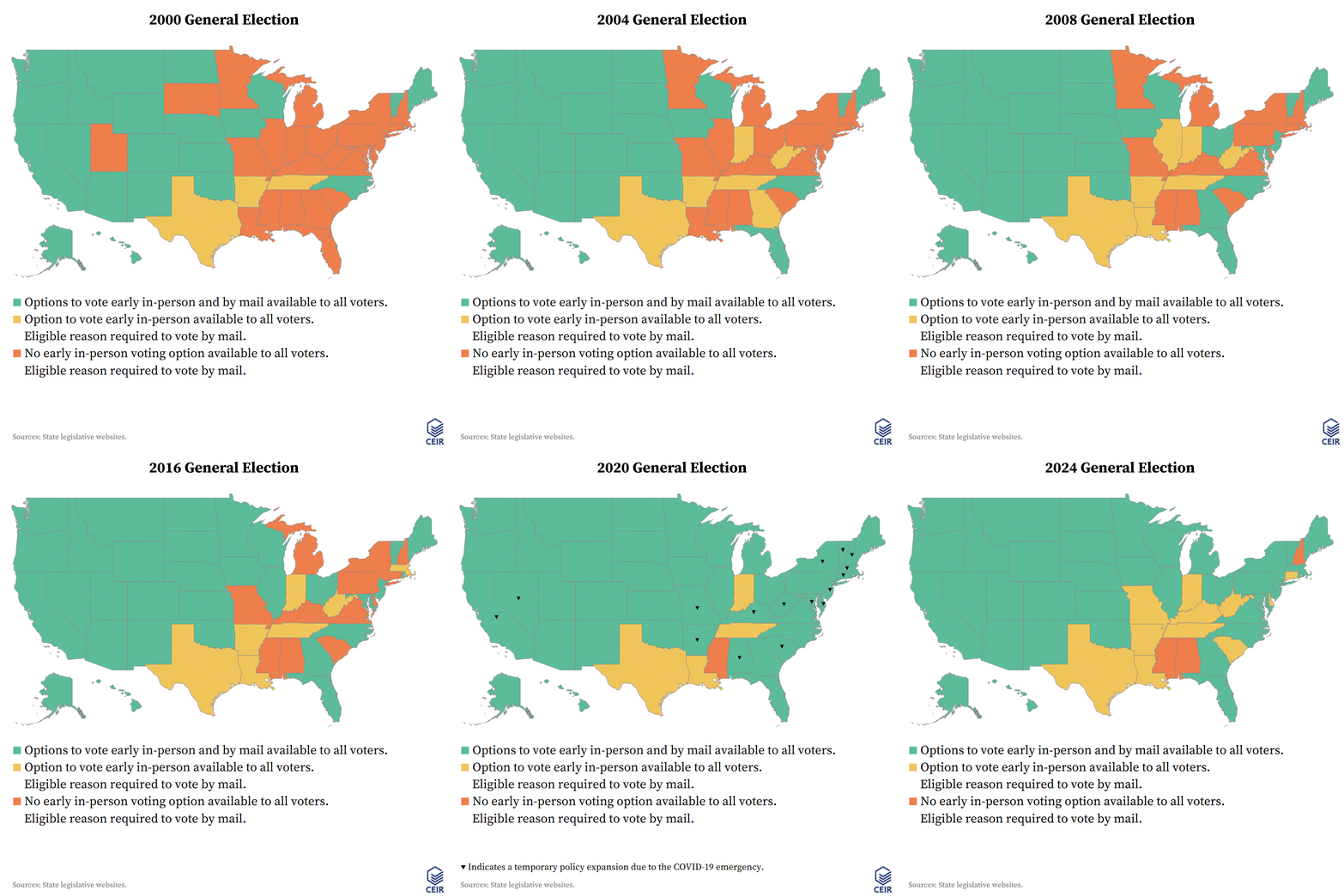
Early voting in Texas is a designated period where registered voters can cast their ballot in person before the official Election Day. This system is designed to provide flexibility and convenience, allowing citizens to fulfill their civic duty without the potential constraints of their schedule on Election Day itself. However, the ability to participate in early voting is not without its prerequisites, and these are often tied to the fundamental requirement of being a registered voter.

The concept of “early voting” is often misunderstood. It’s not about the reason for voting early, but rather the opportunity to vote during a specific timeframe. The question of “can anyone vote early” truly translates to “is early voting accessible to all eligible and registered voters in Texas?” The answer is generally yes, provided they meet the state’s registration requirements and adhere to the established early voting period.
Eligibility Requirements for Texas Voters
To vote in any election in Texas, including during the early voting period, individuals must meet several core eligibility criteria. These are standard across most US states but are worth reiterating to ensure a comprehensive understanding:
- Citizenship: You must be a U.S. citizen.
- Residency: You must be a resident of Texas. While not tied to a specific duration before an election, establishing residency is a key component.
- Age: You must be at least 18 years of age on Election Day. You can register to vote before you turn 18, but you must be 18 to cast a ballot.
- Criminal History: You must not have been convicted of a felony, or if convicted, you must have fully discharged your sentence, including any parole or probation.
- Mental Competency: You must not have been determined to be wholly or partially mentally incapacitated by a final court order.
It is critical to note that Texas does not have same-day registration for early voting or for Election Day. Voters must be registered by a specific deadline prior to the election date. This deadline is typically 30 days before the election. Therefore, someone who is not yet registered, even if they meet all other criteria, cannot vote early in Texas for an upcoming election if they miss this registration cutoff.
The Early Voting Period
The duration of the early voting period is set by Texas law. It typically begins on the 17th day before an election and concludes on the fourth day before Election Day. For most elections, this means a window of roughly two weeks.
- Weekday Voting: Early voting centers are generally open during standard business hours on weekdays.
- Weekend Voting: Many counties also offer weekend voting, often on Saturdays and sometimes on Sundays, which provides additional flexibility for voters. Specific hours and locations for weekend voting can vary by county.
The location of early voting centers is also a significant aspect. Unlike Election Day, when voters are typically assigned to a specific polling place based on their residence, early voting allows registered voters to cast their ballot at any designated early voting location within their county. This offers a broader range of choices for voters seeking convenience.
Who Can Vote Early in Texas?
Revisiting the core question: “Can anyone vote early in Texas?” The most accurate answer is: Any registered voter in Texas who meets the state’s eligibility requirements can vote early. The emphasis is on registered voter. The system is designed for accessibility for those who have completed the necessary registration steps.
Registered Voters as the Key
The fundamental prerequisite for early voting, as with any voting in Texas, is voter registration. This is the gateway to participating in the democratic process. If an individual is a U.S. citizen, a Texas resident, at least 18 years old (or will be by Election Day), and meets the other eligibility criteria, but is not registered to vote by the deadline, they are ineligible to cast a ballot, whether early or on Election Day.
This means that a tourist visiting Texas, even if they are a registered voter in their home state, cannot vote in Texas elections. Similarly, a Texas resident who has recently moved within the state and has not updated their registration to reflect their new address might face issues, depending on the specific county and the election rules. They must be registered at their current residential address to be eligible to vote in that precinct.
The Role of Texas Counties
The administration of elections, including early voting, falls largely to the individual counties in Texas. Each county clerk or election administrator is responsible for establishing early voting sites, appointing poll workers, and ensuring the process is conducted in accordance with state law. This means that while the rules for early voting are state-mandated, the implementation can have slight variations from one county to another.
- Number of Locations: Larger counties may have more early voting locations than smaller ones.
- Operating Hours: While there are minimum requirements, some counties may offer extended hours.
- Specific Sites: The types of locations used for early voting can also vary, from county courthouses and public libraries to community centers and even private businesses.
It is always advisable for voters to check the specific details for their county of residence. The Texas Secretary of State’s website provides a central hub of information, and most county election websites offer detailed calendars, polling place locators, and FAQs.
How to Vote Early in Texas
The process for casting an early ballot in Texas is straightforward for registered voters.
1. Confirm Your Registration
Before heading to an early voting location, it’s prudent to confirm your voter registration status. You can typically do this through the Texas Secretary of State’s website or your local county election office. This step ensures there are no surprises on Election Day or during early voting.
2. Identify Early Voting Locations and Hours
Once you know you are registered, the next step is to find out where and when you can vote early. As mentioned, you can vote at any designated early voting location within your county. Websites for your county clerk or election administrator will list all available sites and their operating hours for the entire early voting period.
3. Bring Required Identification
Texas has a voter identification law. When you arrive at an early voting location, you will be required to present a valid form of identification. The acceptable forms of ID include:
- Texas Driver License
- Texas Election Identification Certificate
- Texas Personal Identification Card
- Texas Handgun License
- U.S. Citizenship and Immigration Services Employment Authorization Card
- U.S. Military ID card or government-issued phụ cấp card
- U.S. Passport
If you do not possess one of the forms of photo ID listed above, you may be able to present a combination of non-photo identification documents. However, it is always best to have a valid photo ID to ensure a smooth voting experience. Voters should consult the Texas Secretary of State’s website for the most current and detailed information on acceptable identification.
4. Cast Your Ballot
Once your identity is verified, you will be issued a ballot. You will mark your choices on the ballot and then insert it into the voting machine or ballot box, depending on the equipment used at the polling location. The process is designed to be efficient and secure.
Common Misconceptions About Early Voting
Despite its widespread availability, early voting in Texas can still be subject to misunderstandings.
“Anyone” vs. “Registered Voters”
The most frequent misconception is the broad interpretation of “anyone.” As established, it is not a matter of simply showing up; voter registration is the cornerstone. This is not unique to Texas but is a foundational principle of elections in the United States.
Early Voting as a Different Election
Early voting is not a separate election. It is simply an alternative method of casting a ballot in the same election that will culminate on Election Day. The ballots cast during early voting are stored securely and are tabulated along with Election Day ballots.
Impact of Voting Early
Some voters may wonder if their vote carries more or less weight if cast early. The weight of a vote is determined by its validity, not by when it is cast. Each valid vote contributes equally to the final tally, regardless of whether it was cast on the first day of early voting or on Election Day itself.

Conclusion
In conclusion, the answer to “Can anyone vote early in Texas?” is a resounding yes, but only if they are a registered Texas voter who meets all eligibility requirements. The early voting system in Texas is a valuable tool for increasing voter participation by offering convenience and flexibility. It is not a system designed for non-residents or those who have not completed the mandatory voter registration process. By understanding the eligibility criteria, the voting period, and the necessary steps, eligible Texans can confidently exercise their right to vote early and make their voices heard in local, state, and national elections. Ensuring one’s registration is up-to-date and being aware of the specific procedures within their county are the most critical actions for any voter looking to participate in early voting in the Lone Star State.
LifeOutOfTheBox is a participant in the Amazon Services LLC Associates Program, an affiliate advertising program designed to provide a means for sites to earn advertising fees by advertising and linking to Amazon.com. Amazon, the Amazon logo, AmazonSupply, and the AmazonSupply logo are trademarks of Amazon.com, Inc. or its affiliates. As an Amazon Associate we earn affiliate commissions from qualifying purchases.