
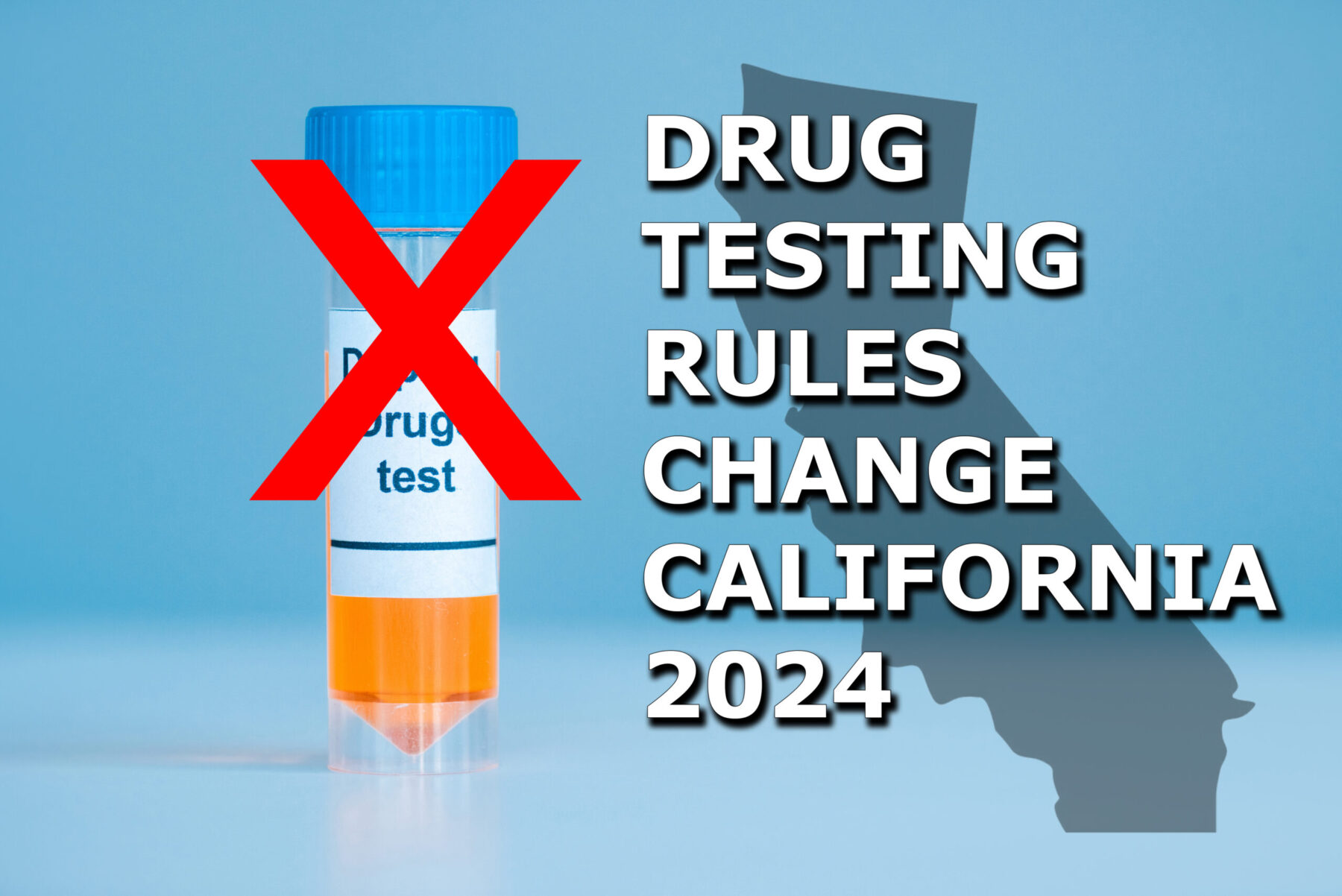
The question of whether employers can test for THC in California has become a complex and evolving aspect of workplace policy, deeply impacting the professional lifestyle of millions across the state. With California at the forefront of cannabis legalization, the intersection of individual rights, employer prerogatives, and public safety has created a dynamic legal landscape that demands careful understanding from both businesses and employees. The recent legislative shifts signal a significant departure from traditional drug testing norms, compelling companies to re-evaluate their approaches to ensure compliance and maintain a productive, fair work environment.
The Evolving Landscape of Cannabis and the Workplace in California
California has historically been a trailblazer in cannabis policy. In 1996, it became the first state to legalize medical cannabis through Proposition 215. Two decades later, in 2016, voters passed Proposition 64, legalizing recreational adult-use cannabis. These landmark decisions fundamentally reshaped the legal and social perception of cannabis use within the state. However, while personal use outside of work hours became legal, the workplace ramifications remained ambiguous and largely favored employers’ rights to maintain drug-free environments.
A Brief History of Cannabis Legalization in California
Before the recent legislative changes, California law offered minimal protection to employees who used cannabis off-duty. Courts consistently held that employers could maintain drug-free workplace policies and terminate employees based on a positive drug test for THC metabolites, even if the use occurred during non-working hours and did not result in impairment on the job. This stance was rooted in the understanding that, despite state legalization, cannabis remained illegal under federal law. Consequently, many employers, particularly those subject to federal regulations or with safety-sensitive operations, continued comprehensive drug testing, including pre-employment screens and random checks for THC. This created a disconnect between an individual’s legal lifestyle choices and their professional livelihood.
The Traditional Stance on Drug Testing and Its Rationale
For decades, employer drug testing, including for THC, was justified by several key rationales. Employers sought to ensure workplace safety, particularly in industries involving heavy machinery, transportation, or hazardous materials. Concerns about productivity, employee attendance, and potential liability stemming from impaired workers also fueled the widespread adoption of drug testing policies. A positive test for THC metabolites, which can remain detectable in the body for days or weeks after use, was often seen as sufficient grounds for adverse employment action, regardless of whether the employee was actually impaired at work. This preventative approach aimed to mitigate risks, but it increasingly came under scrutiny as cannabis legalization expanded, prompting lawmakers to re-evaluate the balance between employer interests and employee privacy.
Navigating Recent Legislative Changes: AB 2188 and SB 700
The landscape dramatically shifted with the passage of Assembly Bill 2188 (AB 2188) and Senate Bill 700 (SB 700). These legislative acts represent a pivotal moment for employees and employers in California, fundamentally altering the rules regarding THC testing and employee protection. They underscore a growing recognition that an individual’s lawful, off-duty cannabis use should not automatically jeopardize their employment, aligning workplace policies more closely with evolving societal norms and individual lifestyle choices.
Understanding AB 2188: Protecting Off-Duty Cannabis Use
AB 2188, signed into law in September 2022, prohibits employers from discriminating against an employee or job applicant based on their off-duty, off-site cannabis use. It specifically makes it unlawful for an employer to discriminate against a person in hiring, termination, or any term or condition of employment, or otherwise penalize a person, for “cannabis use off the job and away from the workplace.” This effectively means that employers generally cannot use hair follicle or urine tests—which detect nonpsychoactive cannabis metabolites that indicate past use—as the sole basis for adverse employment decisions. The law aims to prevent the penalization of individuals for legal activities conducted in their personal time. AB 2188 became effective on January 1, 2024.
However, AB 2188 does not give employees free rein to use cannabis without consequence. It explicitly states that employers can still prohibit employees from possessing, being impaired by, or using cannabis on the job. It also carves out significant exceptions for specific industries and roles, which we will explore further.
SB 700: Clarifying and Expanding Employee Protections
Building upon the foundation laid by AB 2188, SB 700, effective January 1, 2024, prohibits employers from requesting information from an applicant about their prior cannabis use. This further strengthens the protections for job seekers, ensuring that their past off-duty cannabis use does not become a barrier to employment. This measure aims to reduce discrimination and expand opportunities for individuals who legally use cannabis in their personal lives, fostering a more inclusive professional environment in California. Both bills emphasize the legislature’s intent to treat lawful cannabis use similarly to other lawful off-duty activities, preventing it from being used as a basis for employment discrimination.
The Shift from “Positive Test” to “Impairment-Based” Testing
The core philosophy behind AB 2188 and SB 700 is a shift from detecting the mere presence of cannabis metabolites to identifying actual on-the-job impairment. Since traditional drug tests detect nonpsychoactive compounds that can linger in the body for weeks, they do not indicate current impairment. The new laws encourage employers to adopt testing methods that identify psychoactive cannabis or impairment. Examples of such methods might include saliva tests, which detect recent use (typically within hours or a day), or behavioral assessments conducted by trained supervisors to identify observable signs of impairment. This shift places a greater burden on employers to demonstrate actual impairment rather than relying on a positive drug test for past use, profoundly impacting how companies manage their workforce’s lifestyle choices outside work.
Exceptions and Exemptions: When THC Testing Is Still Permissible
Despite the broad protections offered by AB 2188 and SB 700, it is crucial for both employers and employees to understand that these laws are not absolute. Several significant exceptions exist where employers can still test for THC and take adverse action based on the results. These carve-outs are primarily designed to maintain public safety, comply with federal mandates, and address situations where on-the-job impairment is a direct and immediate concern. Navigating these exceptions is critical for managing the modern workplace lifestyle in California.
Safety-Sensitive Positions and Federal Regulations
One of the most prominent exceptions applies to employees in positions that require a federal background check or security clearance, or are otherwise subject to federal laws that mandate drug testing. This includes roles regulated by the U.S. Department of Transportation (DOT), such as commercial truck drivers, airline pilots, and certain railway workers. Federal law still considers cannabis illegal, regardless of state statutes, and thus federal drug testing requirements for these positions remain unchanged. Employers who receive federal funding or contracts may also be required to maintain drug-free workplaces under federal law, potentially allowing them to continue broad THC testing for covered employees.
Furthermore, AB 2188 explicitly exempts “employees in the building and construction trades.” This industry often involves inherently dangerous work environments, and lawmakers acknowledged the need for continued vigilance regarding drug use to prevent accidents.
Post-Accident and Reasonable Suspicion Testing
Even with the new protections, employers retain the right to test for THC if they have “reasonable suspicion” that an employee is impaired while on duty. Reasonable suspicion must be based on objective, articulable facts indicating that an employee’s performance or behavior suggests impairment. This could include slurred speech, erratic behavior, difficulty with coordination, or the smell of cannabis. In such cases, testing for current impairment (e.g., via saliva tests) or other observable signs remains permissible.
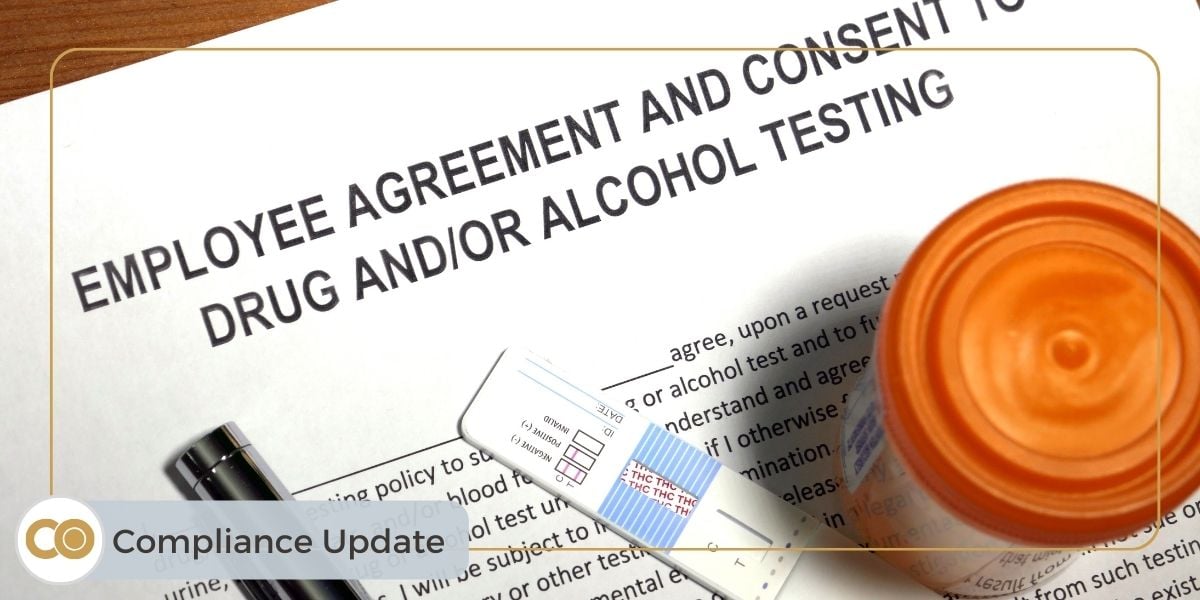
Similarly, employers can generally conduct post-accident drug testing if an employee is involved in a workplace accident or injury. The purpose here is to determine if drug use contributed to the incident, especially if the accident results in significant property damage, injury, or fatality. The key distinction from pre-employment or random testing is the direct link to an observable event or behavior indicating potential impairment.
Pre-Employment Screening for Specific Roles
While SB 700 generally prohibits employers from inquiring about an applicant’s prior cannabis use, employers can still conduct pre-employment drug testing for roles that fall under the exceptions mentioned above, such as those in the building and construction trades or positions subject to federal drug testing mandates. For all other roles, employers must ensure that their pre-employment screening methods align with the new laws, focusing on impairment rather than past off-duty use.
Collective Bargaining Agreements and Their Impact
Another critical exception relates to collective bargaining agreements (CBAs). If a CBA negotiated with a labor union contains specific provisions for drug testing that conflict with AB 2188 or SB 700, those CBA provisions may prevail until the agreement expires or is renegotiated. This highlights the importance of understanding the specific terms of employment, particularly for unionized workers, as it can significantly impact an individual’s professional lifestyle.
Implications for Employers: Adapting Workplace Policies and Practices
The enactment of AB 2188 and SB 700 demands a comprehensive review and revision of existing drug testing policies for virtually all employers in California. This is not merely a legal compliance issue but a strategic adaptation to a changing professional lifestyle and workforce. Failing to update policies can expose businesses to significant legal risks, including discrimination claims.
Revising Drug Testing Policies: A New Imperative
Employers must carefully scrutinize their current drug testing protocols, particularly for pre-employment and random screenings. Policies that rely solely on urine or hair follicle tests for THC metabolites are likely unlawful for most positions. Businesses should transition towards impairment-based testing methods that measure the presence of active THC or observable signs of impairment during work hours. This transition requires a clear understanding of what constitutes “current impairment” and the development of robust, defensible procedures for its detection. Legal counsel is essential to ensure revised policies comply with state and federal laws and address specific industry considerations.
Training Managers and Supervisors for Impairment Recognition
With the shift away from traditional drug tests, the role of managers and supervisors becomes paramount. They are on the front lines and must be trained to recognize the objective, observable signs of cannabis impairment. This training should cover physical, behavioral, and psychological indicators of impairment, as well as the appropriate documentation procedures. It is crucial to distinguish between observable signs of impairment and mere suspicion, ensuring that actions taken are consistent, fair, and legally sound. This fosters a workplace culture that respects off-duty choices while prioritizing on-duty safety and performance.
The Challenge of Detecting On-Duty Impairment
Detecting on-duty impairment from cannabis presents unique challenges. Unlike alcohol, for which standardized breathalyzer tests provide quantifiable impairment levels, no universally accepted or legally mandated roadside-equivalent test exists for cannabis. Saliva tests can detect recent use but don’t definitively prove impairment. Employers may need to combine multiple indicators, including behavioral observations, performance tests, and perhaps newer technologies designed to measure cognitive or motor impairment, to build a strong case for on-duty impairment. This ongoing challenge necessitates careful consideration and investment in appropriate tools and training.
Balancing Employee Rights with Workplace Safety and Productivity
Ultimately, employers must strike a delicate balance between respecting employee privacy and lawful off-duty conduct and maintaining a safe, productive, and compliant workplace. This requires clear, transparent communication of policies, consistent enforcement, and a commitment to employee education. A proactive approach that prioritizes prevention, open dialogue, and fair practices will be key to successfully navigating the new reality of cannabis in [California](https://lifeoutofthebox.com/california]’s professional landscape.
Implications for Employees: Understanding Your Rights and Responsibilities
For employees in California, AB 2188 and SB 700 represent significant advancements in protecting their lifestyle choices outside of work. However, these protections come with clear responsibilities. Understanding these nuances is crucial for navigating employment, ensuring job security, and advocating for one’s rights.
Knowing Your Protections: Off-Duty Conduct
Employees now have significant protection against discrimination based on their lawful, off-duty cannabis use. This means that a positive drug test for nonpsychoactive cannabis metabolites should generally not be the sole reason for refusing to hire, terminating, or otherwise penalizing an individual, unless they fall under one of the specific exemptions (e.g., safety-sensitive federal roles, building and construction trades, or federally mandated positions). This empowers individuals to make personal choices regarding cannabis without fear of immediate professional repercussions.
The Importance of Not Being Impaired On the Job
While off-duty use is protected, it is paramount that employees understand they cannot be impaired by cannabis while at work. Employers retain the right to prohibit on-duty impairment and take action against employees who demonstrate such impairment. The focus shifts from historical use to current fitness for duty. Employees must ensure that their cannabis use does not affect their performance, judgment, or safety in the workplace. Showing up impaired can still lead to disciplinary action, including termination.
Seeking Legal Counsel if Your Rights are Violated
If an employee believes they have been unlawfully discriminated against based on their off-duty cannabis use—for example, if they were denied a job or terminated solely due to a positive urine test for THC metabolites, and they don’t fall under an exception—they may have grounds for a legal claim. Consulting with an attorney specializing in employment law can help individuals understand their rights, evaluate their situation, and pursue appropriate remedies.
The Future of Cannabis in California’s Workforce
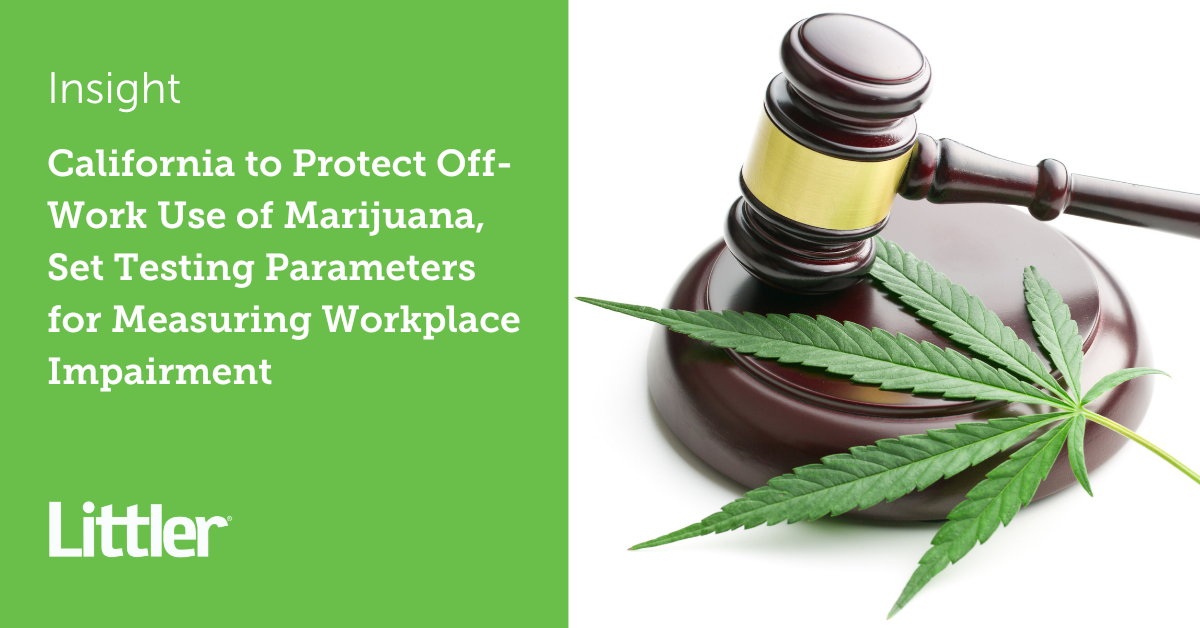
The trajectory of cannabis laws in California signals a growing trend toward greater employee protection and a more nuanced approach to drug testing. This evolution impacts the professional lifestyle and career trajectory of individuals and reshapes corporate culture across the state. As more states consider similar legislation, [California](https://lifeoutofthebox.com/california]’s experience will likely serve as a blueprint, continuing to influence the national conversation around cannabis, employment, and the balance between personal freedom and workplace responsibility.
LifeOutOfTheBox is a participant in the Amazon Services LLC Associates Program, an affiliate advertising program designed to provide a means for sites to earn advertising fees by advertising and linking to Amazon.com. Amazon, the Amazon logo, AmazonSupply, and the AmazonSupply logo are trademarks of Amazon.com, Inc. or its affiliates. As an Amazon Associate we earn affiliate commissions from qualifying purchases.