
Hydrangeas, with their voluminous blooms and romantic charm, are a coveted addition to many gardens. For those dreaming of abundant blue, pink, or white blossoms in the warm climate of Texas, the question arises: can these beloved shrubs truly thrive under the Lone Star State’s sun and heat? The answer is a resounding, albeit nuanced, yes. While Texas presents unique horticultural challenges, particularly its intense summer heat and varied soil types, careful selection of hydrangea varieties and attentive gardening practices can lead to a flourishing display. This guide delves into the specifics of cultivating hydrangeas in Texas, exploring the best varieties for the region, essential care techniques, and how to overcome common hurdles.
Understanding Hydrangea Varieties for Texas Climates
The key to successful hydrangea cultivation in Texas lies in choosing the right type. Not all hydrangeas are created equal, and some are far more tolerant of heat and humidity than others. Understanding the differences between major hydrangea species is paramount.
Bigleaf Hydrangeas (Hydrangea macrophylla)
Often the first type that comes to mind, bigleaf hydrangeas are known for their large, mophead or lacecap blooms. These are perhaps the most popular, but also the most sensitive to Texas heat.
- Heat Tolerance: Generally, Texas can be too hot for many traditional bigleaf varieties, especially those in direct afternoon sun. The intense heat can scorch leaves and prevent proper blooming.
- Best Placement: If you are determined to grow bigleaf hydrangeas, they require a location that offers protection from the harsh afternoon sun. Morning sun followed by dappled shade is ideal. Consider planting them on the east side of a building or under the canopy of a mature tree.
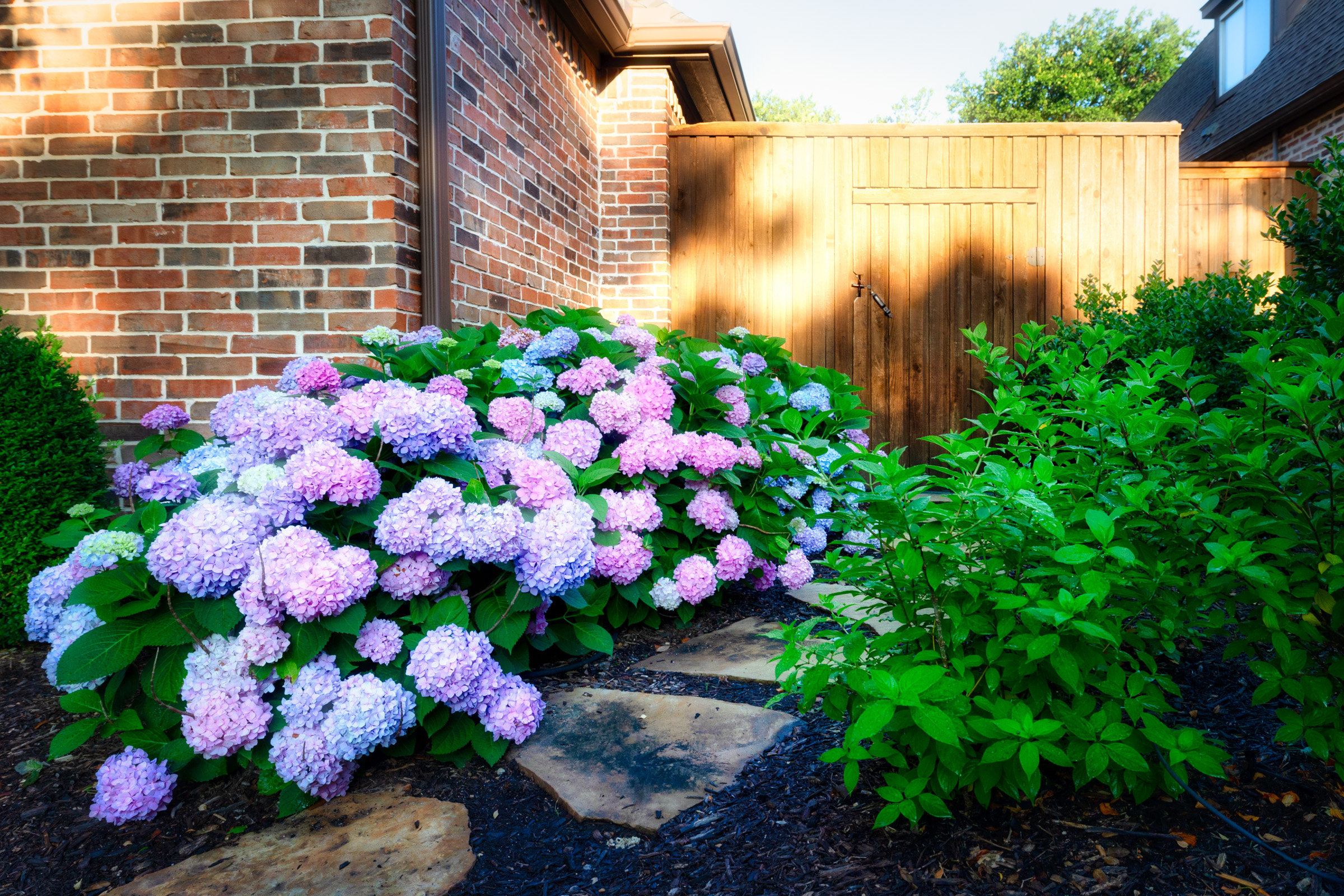
- Soil pH and Bloom Color: The iconic color-changing ability of bigleaf hydrangeas (blue in acidic soil, pink in alkaline soil) is still possible in Texas. However, achieving vibrant blues can be challenging in the often alkaline soils found across the state. Regular amending with aluminum sulfate may be necessary.
- Recommended Cultivars: Look for heat-tolerant cultivars such as ‘Endless Summer’ (though it may perform better in cooler parts of Texas or with extra care), ‘Oso Easy Peasy’, and ‘La France’. Some newer reblooming varieties show increased resilience.
Panicle Hydrangeas (Hydrangea paniculata)
These are arguably the most robust and heat-tolerant hydrangeas for the Texas landscape. Their cone-shaped flower clusters are striking and their vigor makes them a more reliable choice.
- Heat Tolerance: Panicle hydrangeas are significantly more tolerant of full sun and high temperatures than bigleaf types. They can withstand the rigors of a Texas summer with proper watering.
- Bloom Characteristics: Their blooms typically start white and age to shades of pink, red, or lime green as the season progresses. They bloom on new wood, meaning they flower even if pruned or damaged by frost.
- Versatility: Panicle hydrangeas can be grown as shrubs or trained into small trees, offering versatility in garden design.
- Recommended Cultivars: Popular and well-performing varieties include ‘Limelight’, ‘Little Lime’, ‘Bobo’, ‘Pinky Winky’, and ‘Hills of Snow’. These cultivars are known for their adaptability to various Texas regions.
Smooth Hydrangeas (Hydrangea arborescens)
Native to North America, smooth hydrangeas are another excellent option for Texas gardeners seeking a hardy and reliable bloomer.
- Heat Tolerance: While they appreciate some afternoon shade in the hottest parts of Texas, smooth hydrangeas are generally more heat-tolerant than bigleaf varieties.
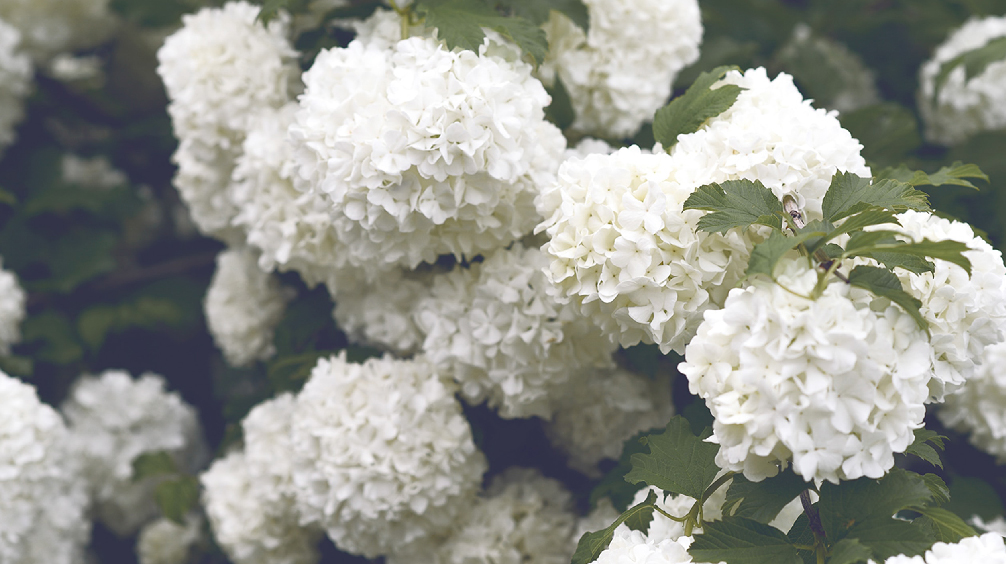
- Bloom Characteristics: They produce large, rounded white flower heads, often called “snowballs.” Like panicle hydrangeas, they bloom on new wood, ensuring flowers each year.
- Recommended Cultivars: The most famous cultivar is ‘Annabelle’, known for its enormous white blooms. Other reliable options include ‘Incrediball’ and ‘White Dome’.
Oakleaf Hydrangeas (Hydrangea quercifolia)
Native to the southeastern United States, oakleaf hydrangeas are well-suited to the climate in East and Central Texas due to their adaptability to humidity and shade.
- Heat Tolerance: They are quite tolerant of heat, especially when provided with some shade and consistent moisture.
- Unique Features: Beyond their beautiful white, cone-shaped flowers, oakleaf hydrangeas offer ornamental value year-round with their large, lobed leaves that turn attractive shades of red, orange, and purple in the fall. Their exfoliating bark also adds winter interest.
- Recommended Cultivars: ‘Alice’, ‘Snowflake’, and ‘Pee Wee’ are good choices that offer different sizes and bloom densities.
Essential Care for Hydrangeas in Texas
Once you’ve selected the right hydrangea variety for your Texas garden, proper care is crucial for their survival and success. The state’s climate presents specific challenges that require tailored horticultural practices.
Planting Location and Soil Preparation
Choosing the right spot is the first step to a thriving hydrangea.
- Sun Exposure: As discussed, match the variety to the sun exposure. Panicle and smooth hydrangeas can often handle more sun, especially morning sun, while bigleaf hydrangeas desperately need protection from the intense afternoon heat. Oakleaf hydrangeas prefer dappled shade.
- Soil Drainage: Hydrangeas, like most plants, require well-draining soil. In Texas, soils can range from heavy clay to sandy, so amending is often necessary. Incorporate generous amounts of organic matter such as compost or aged manure to improve drainage and fertility.
- Soil pH: While not as critical for panicle and smooth hydrangeas, the pH of the soil significantly impacts the color of bigleaf hydrangea blooms. Aim for a pH between 5.5 and 6.5 for blue flowers, which may require adding sulfur or aluminum sulfate. For pink flowers, a pH of 6.5 to 7.0 is ideal. Soil testing kits are readily available at garden centers.

Watering and Mulching
Water is a critical resource, and managing it effectively is key in Texas.
- Consistent Moisture: Hydrangeas are thirsty plants, especially during the hot Texas summers. Water deeply and consistently, ensuring the soil remains moist but not waterlogged. Check the soil moisture by inserting your finger about two inches deep. If it feels dry, it’s time to water.
- Watering Techniques: Water at the base of the plant to avoid wetting the foliage, which can promote fungal diseases. Early morning watering is best, allowing the foliage to dry before nightfall.
- Mulching: A thick layer of organic mulch (2-3 inches) is essential. Mulch helps retain soil moisture, suppresses weeds, and moderates soil temperature, protecting the roots from extreme heat. Keep mulch a few inches away from the plant’s stem.
Fertilization
Proper feeding supports healthy growth and abundant blooms.
- Timing: Fertilize in early spring as new growth begins. A second application in mid-summer can be beneficial for reblooming varieties. Avoid fertilizing too late in the season, as this can encourage tender new growth that may be damaged by early frosts.
- Type of Fertilizer: Use a balanced, slow-release fertilizer. For bigleaf hydrangeas, consider one formulated for acid-loving plants if you are aiming for blue blooms, or one that encourages blooming. Avoid high-nitrogen fertilizers, which can promote excessive leaf growth at the expense of flowers.
Pruning
Pruning strategies depend on the hydrangea type.
- Bigleaf Hydrangeas: These bloom on old wood, meaning they produce flowers on stems that grew the previous year. Pruning them in late winter or early spring will remove the very flower buds that would have opened. The best time to prune is immediately after they finish blooming in summer. Remove dead, damaged, or weak stems, and trim to shape. If you need to remove old, unproductive wood, cut it back to the ground.
- Panicle and Smooth Hydrangeas: These bloom on new wood, so they can be pruned more aggressively in late winter or early spring before new growth begins. This stimulates new growth that will bear flowers. You can cut them back by about one-third to one-half their size.
- Oakleaf Hydrangeas: They also bloom on old wood, so prune them sparingly after flowering, focusing on removing dead or overgrown branches.
Overcoming Texas-Specific Challenges
Gardening in Texas comes with its own set of hurdles. Understanding and addressing these will significantly increase your chances of hydrangeas success.
Heat Stress and Sunburn
The relentless Texas sun can be brutal.
- Solutions: As mentioned, choosing heat-tolerant varieties and planting them in appropriate locations is the first defense. Providing afternoon shade with taller plants or shade cloth can make a significant difference. Ensure adequate watering during heat waves. Wilting in the afternoon during extreme heat is normal, but the plant should recover overnight if well-watered. If it remains wilted, it’s a sign of serious stress.
Soil Quality and pH
Texas soils can be challenging, from heavy clay that retains too much water to sandy soils that drain too quickly.
- Solutions: The universal remedy is improving soil structure and fertility with copious amounts of organic matter. For clay soils, this improves drainage. For sandy soils, it increases water and nutrient retention. Regular soil amendments are a long-term investment in your garden’s health.
Pests and Diseases
While generally hardy, hydrangeas can occasionally face issues.
- Common Pests: Aphids and spider mites can sometimes be a problem, especially during dry spells. Regularly inspect your plants. A strong spray of water can often dislodge aphids, and insecticidal soap or neem oil can be effective treatments.
- Common Diseases: Powdery mildew and leaf spot can occur, particularly in humid conditions or when foliage remains wet. Ensure good air circulation by spacing plants appropriately and watering at the base. Promptly remove any infected leaves.
Hydrangeas as a Staple in Texas Landscapes
Despite the challenges, hydrangeas are increasingly becoming a beloved and viable plant in Texas gardens. With the right variety selection, strategic planting, and consistent care, gardeners across the state, from the humid coast to the drier plains, can enjoy the breathtaking beauty of these classic flowering shrubs. Whether you’re aiming for the dramatic blooms of a bigleaf hydrangea under a shady oak in Austin, the reliable summer display of a panicle hydrangea in a sunny spot in Dallas, or the unique charm of an oakleaf hydrangea in the woodlands of East Texas, the dream of a hydrangea-filled garden is achievable. By embracing the specific needs of these plants and adapting to the Texas environment, you can cultivate a vibrant and enduring display that brings joy for years to come.
LifeOutOfTheBox is a participant in the Amazon Services LLC Associates Program, an affiliate advertising program designed to provide a means for sites to earn advertising fees by advertising and linking to Amazon.com. Amazon, the Amazon logo, AmazonSupply, and the AmazonSupply logo are trademarks of Amazon.com, Inc. or its affiliates. As an Amazon Associate we earn affiliate commissions from qualifying purchases.