
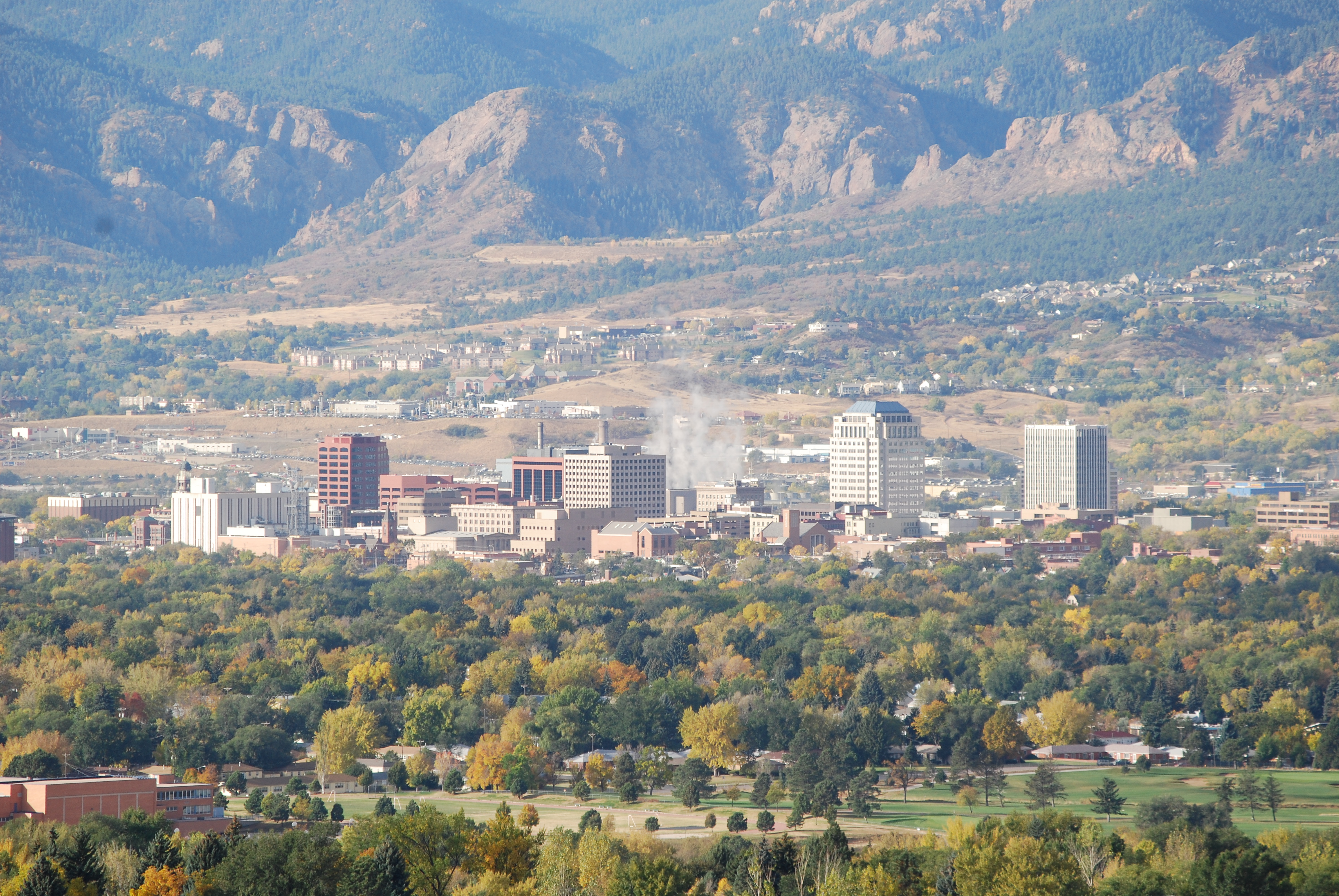
Colorado Springs, nestled at the eastern edge of the Rocky Mountains, is renowned for its stunning natural beauty, outdoor adventure, and a healthy, active lifestyle. Central to understanding the unique character and appeal of this vibrant city is its elevation. The average elevation of Colorado Springs itself is approximately 6,035 feet (1,839 meters) above sea level. This significant altitude plays a crucial role in shaping the climate, influencing the flora and fauna, and contributing to the city’s status as a premier destination for those seeking both natural grandeur and recreational opportunities.
The Altitude Advantage: Understanding Colorado Springs’ Elevation
The precise elevation can vary slightly depending on the specific neighborhood within Colorado Springs. The downtown core sits closer to the 6,000-foot mark, while areas to the west, closer to the foothills of the Pikes Peak massif, can be slightly higher. This consistent altitude is not merely a geographical statistic; it’s an integral part of the Colorado Springs experience.
Impact on Climate and Environment
The high elevation of Colorado Springs contributes to a semi-arid climate with distinct seasons. Summers are generally warm but rarely oppressively hot, with average daytime temperatures in the high 70s to low 80s Fahrenheit (around 25-28°C). The higher altitude means that the air is thinner and UV radiation is more intense, necessitating sun protection even on cooler days.
Winter in Colorado Springs is characterized by snow, sunshine, and crisp, cold air. Average January temperatures hover in the 30s Fahrenheit (around 0-4°C), with snowfall common. However, the city also experiences frequent “Chinook” winds, which can temporarily raise temperatures and melt snow, creating a dynamic winter landscape. The lower humidity, a hallmark of high-altitude living, means that even cold days can feel less biting than in more humid regions at lower elevations.
The vegetation in and around Colorado Springs is adapted to this environment. You’ll find ponderosa pines, junipers, and various native grasses in the foothills, transitioning to montane and subalpine forests as you ascend Pikes Peak. This adaptation is a testament to the resilience of nature in thriving at significant elevations.
Physiological Considerations for Visitors
For many visitors, arriving at an elevation of over 6,000 feet can be a novel experience, and it’s essential to be aware of potential physiological effects. Altitude sickness, also known as acute mountain sickness (AMS), can affect individuals regardless of their fitness level. Symptoms can include headaches, nausea, dizziness, fatigue, and shortness of breath.
To mitigate the risk of altitude sickness, it is highly recommended to:
- Stay Hydrated: Drink plenty of water before and during your visit. Avoid excessive caffeine and alcohol, which can contribute to dehydration.
- Acclimatize Gradually: If possible, avoid strenuous activity on your first day. Take it easy, allow your body to adjust.
- Listen to Your Body: If you experience symptoms, rest, drink water, and avoid further exertion. If symptoms persist or worsen, seek medical attention.
- Eat Lightly: Opt for easily digestible meals.
- Consider Supplements: Some people find that certain supplements, like diamox, can help with acclimatization, though consulting a doctor is advised.
The acclimatization process is generally quicker for younger, fitter individuals, but it’s still crucial to take precautions. Many local businesses and tourism operators are well-versed in advising visitors on how to best enjoy Colorado Springs while respecting the altitude.
Exploring the High-Altitude Attractions
The elevation of Colorado Springs isn’t just a factor to consider; it’s the very reason many attractions are so spectacular. The city’s geography offers unparalleled opportunities for exploration and recreation.
The Majestic Presence of Pikes Peak
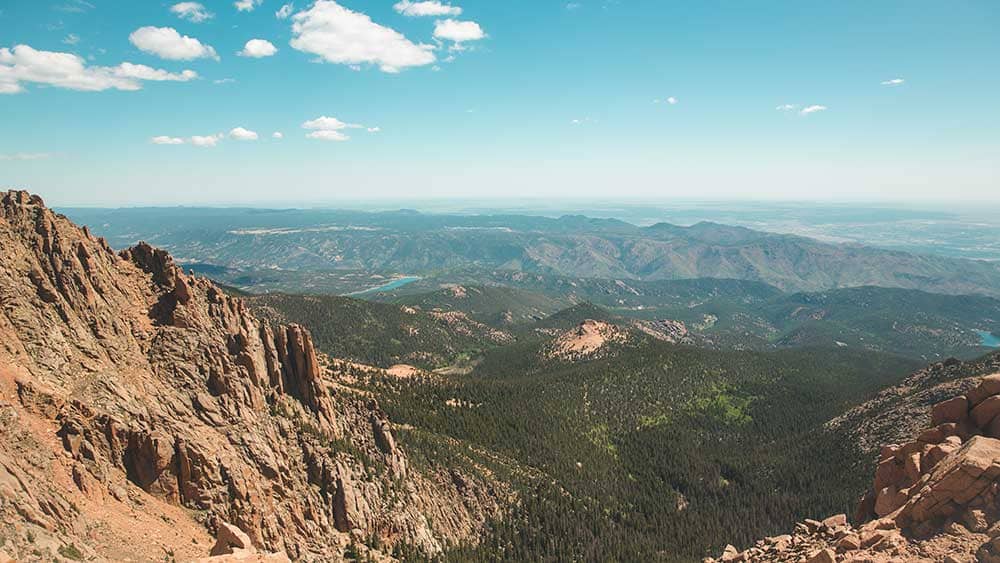
Dominating the western skyline is Pikes Peak, also known as “America’s Mountain.” Standing at an impressive 14,115 feet (4,302 meters) above sea level, it is one of the most iconic and accessible fourteeners in the United States. Visitors have several ways to experience its grandeur:
- Pikes Peak Highway: This scenic toll road winds its way to the summit, offering breathtaking panoramic views of Colorado Springs, the Great Plains, and the surrounding mountains. The drive itself is an adventure, with numerous pull-offs for photography and enjoying the changing landscapes. Remember that the air becomes significantly thinner and colder as you ascend, so warm clothing is essential. The summit facilities provide a welcome respite and an opportunity to purchase the famous Pikes Peak “high-altitude” donuts, which are a unique culinary experience in themselves.
- Pikes Peak Cog Railway: For a more relaxed ascent, the Pikes Peak Cog Railway offers a charming and scenic journey to the summit. This historic railway has been transporting visitors for over a century, providing a unique perspective on the mountain’s diverse ecosystems. The gentle climb allows for comfortable acclimatization as you gain elevation.
- Hiking and Biking: For the adventurous, numerous trails lead up various sections of Pikes Peak. These hikes are challenging and require significant preparation, including proper gear, navigation skills, and an understanding of altitude effects. However, the rewards of reaching the summit on foot are immense.
Garden of the Gods Park
Just a short drive from downtown Colorado Springs, Garden of the Gods Park offers a different kind of high-altitude wonder. This stunning public park boasts dramatic, towering red rock formations set against the backdrop of Pikes Peak. The park sits at an elevation of approximately 6,400 feet (1,950 meters), offering a comfortable yet elevated perspective on the geological marvels.
- Hiking and Nature Walks: A network of well-maintained trails, ranging from easy paved paths to more challenging rocky routes, allows visitors to explore the park’s iconic formations like the Kissing Camels and the Siamese Twins. The thin air at this elevation can make even moderate hikes feel more strenuous, so pace yourself and enjoy the scenery.
- Rock Climbing and Bouldering: For experienced climbers, Garden of the Gods Park offers some challenging routes. However, it’s crucial to be aware of the rock type and potential for weather changes common at this altitude.
- Visitor Center: The Garden of the Gods Visitor and Nature Center provides educational exhibits about the park’s geology, flora, and fauna, as well as a fantastic vantage point for photos.
Other High-Elevation Experiences
Beyond these two iconic sites, the elevation of Colorado Springs opens doors to numerous other high-altitude activities:
- Cheyenne Mountain Zoo: Perched on the slopes of Cheyenne Mountain, this zoo offers not only a unique collection of animals but also spectacular views of the city below. The elevation adds to the challenge of navigating its hilly terrain.
- The Broadmoor Seven Falls: This series of seven cascading waterfalls is a stunning natural attraction. Reaching the top involves climbing 224 steps, offering elevated perspectives and a good workout amidst the natural beauty. The base of the falls is at a higher elevation than the surrounding city, providing a refreshing, cooler microclimate.
- Olympic and Paralympic Museum: While indoors, the U.S. Olympic & Paralympic Museum often discusses the training advantages that athletes gain from living and training at altitude in Colorado Springs. The city’s elevation has made it a renowned training hub for elite athletes seeking to enhance their performance at lower altitudes.
Living and Thriving at Altitude
The consistent elevation of Colorado Springs has cultivated a unique lifestyle. Residents often embrace outdoor activities and appreciate the clean, crisp air. The lower oxygen levels can also have long-term physiological benefits for those who live at this altitude for extended periods, including increased red blood cell production, which can enhance endurance.
Fitness and Recreation
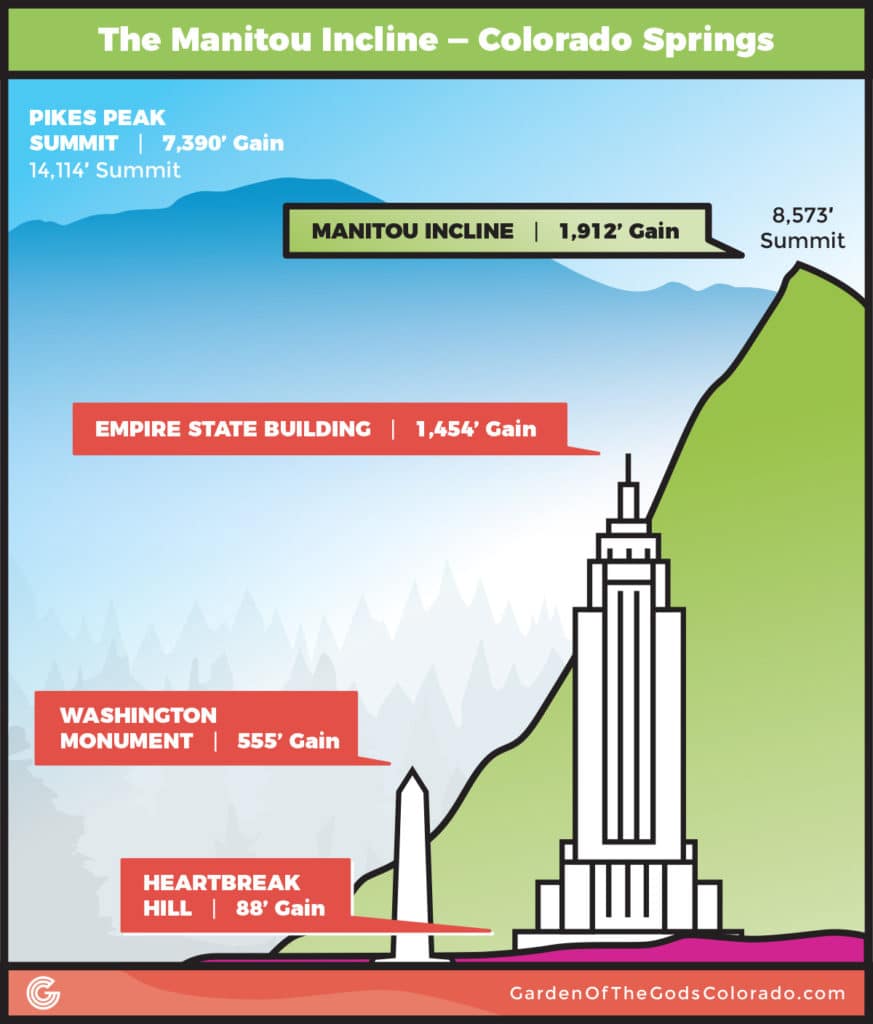
The city is a haven for outdoor enthusiasts. Hiking, mountain biking, rock climbing, and trail running are popular pastimes. The elevation demands a different approach to training, and many local gyms and fitness centers offer programs tailored for high-altitude living. The Manitou Incline, a notoriously steep former railway bed, is a popular (and challenging) fitness challenge for locals and visitors alike, truly testing one’s adaptation to altitude.
Health and Well-being
The perception of living at a higher elevation often correlates with a healthier lifestyle. The prevalence of outdoor activities, combined with the natural beauty of the surroundings, contributes to the overall well-being of residents. Many individuals move to Colorado Springs specifically for its health benefits associated with altitude, including improved respiratory function and increased stamina.
Conclusion: Embracing the Elevation
The elevation in Colorado Springs is not merely a geographical detail; it is a defining characteristic that shapes its climate, landscape, and the very essence of life in this captivating city. From the majestic peak of Pikes Peak to the iconic red rocks of Garden of the Gods Park, the altitude provides a constant, breathtaking backdrop to a city that thrives on adventure, natural beauty, and a commitment to a healthy, active lifestyle. Understanding and respecting this elevation is key to fully appreciating and enjoying all that Colorado Springs has to offer.
LifeOutOfTheBox is a participant in the Amazon Services LLC Associates Program, an affiliate advertising program designed to provide a means for sites to earn advertising fees by advertising and linking to Amazon.com. Amazon, the Amazon logo, AmazonSupply, and the AmazonSupply logo are trademarks of Amazon.com, Inc. or its affiliates. As an Amazon Associate we earn affiliate commissions from qualifying purchases.