
Understanding property taxes is crucial for anyone considering a move to or investing in Texas. These taxes are a significant component of local government funding and directly impact the cost of homeownership. Unlike many other states, Texas does not have a state income tax, making property taxes a primary source of revenue for public services such as schools, roads, and emergency services. Navigating this system can seem complex, but with a clear understanding of its components, homeowners can better budget and manage their finances.
The Foundation of Property Taxation in Texas
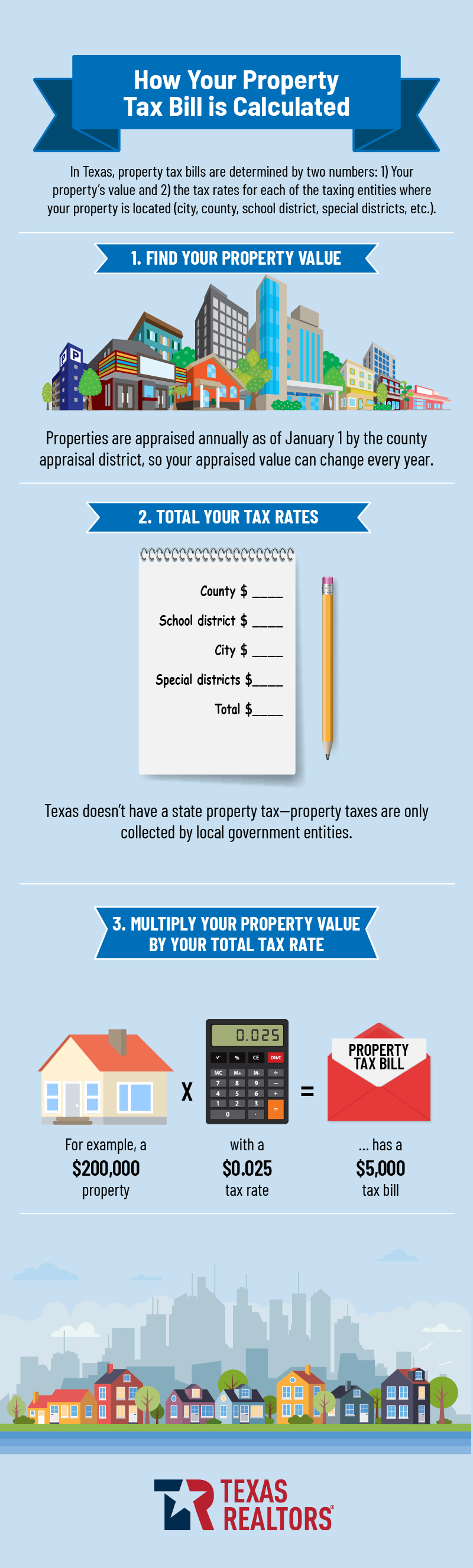
Property taxes in Texas are levied by local taxing units, which include school districts, cities, counties, and special districts (like hospital or water districts). The amount of property tax you pay is determined by two main factors: the appraised value of your property and the local property tax rate, also known as the millage rate.

Property Appraisal: Determining Your Property’s Worth
The first step in calculating property taxes is the appraisal of your property’s value. This is typically done by a county appraisal district (CAD) every year. The appraisal district’s primary responsibility is to discover and appraise all taxable property within its jurisdiction at its market value as of January 1st of that year. Market value is defined as the price at which a property would transfer for cash or its equivalent under prevailing market conditions.
Homestead Exemptions: Reducing Your Taxable Value
One of the most significant ways Texas homeowners can reduce their property tax burden is through homestead exemptions. A homestead is a person’s principal residence. By filing for a homestead exemption, you can reduce the taxable value of your home, thereby lowering your tax bill. There are several types of homestead exemptions available:
- General Homestead Exemption: This is the most common exemption and provides a minimum reduction in the taxable value of your home.
- Over-65 Homestead Exemption: Homeowners aged 65 or older can qualify for an additional exemption amount, further reducing their taxable value. This exemption can also offer tax ceilings, limiting the amount taxes can increase year over year.
- Disabled Homestead Exemption: Individuals with a qualifying disability can receive a similar exemption to the Over-65 exemption.
- Homestead Exemption for Disabled Veterans: Disabled veterans may also qualify for significant property tax relief.
The specific amount of the exemption varies by taxing unit. It’s essential to file for these exemptions with your local county appraisal district by April 30th each year to receive the full benefit.
Property Tax Protests: Challenging Your Appraisal
If you believe your property has been appraised at a value higher than its market value, you have the right to protest the appraisal. The protest process typically begins with filing a Notice of Protest with the county appraisal district. You will then have the opportunity to present your case to the appraisal review board (ARB). It’s advisable to gather evidence, such as comparable sales in your neighborhood or professional appraisals, to support your claim. Successful protests can lead to a lower appraised value, and consequently, lower property taxes.
The Millage Rate: Setting the Tax Levy
Once your property’s appraised value is determined (and any applicable exemptions are applied, resulting in a taxable value), the next step is to apply the millage rate set by each taxing unit. A mill is one-tenth of a cent, or $0.001. The millage rate is expressed in mills. For example, if a city sets a millage rate of 0.25 mills, it means that for every $1,000 of taxable value, you will pay $0.25 in taxes to that city.
How Millage Rates Are Set
Each taxing unit (school district, city, county, etc.) independently adopts its own budget and then sets its millage rate to generate the necessary revenue to fund that budget. The Texas Legislature has implemented several laws aimed at controlling the growth of property tax revenues, including rollback elections.
- Rollback Election: If a taxing unit raises its property tax revenues by more than 8% from one year to the next, citizens can trigger a rollback election. If successful, the taxing unit’s millage rate must be rolled back to a rate that would have generated no more than 8% more revenue than the previous year. This provision aims to provide a degree of control over rapidly increasing tax burdens.
Understanding Your Tax Bill
Your annual property tax bill will be a summation of the taxes owed to each taxing unit where your property is located. For instance, if your home is within a city, a school district, and a county, you will receive a tax bill that includes the sum of the levies from all three entities. The bill is typically sent out in October, with the payment deadline usually in January of the following year. Many homeowners choose to pay their taxes through an escrow account managed by their mortgage lender.
Factors Influencing Property Values and Taxes
Several factors contribute to the fluctuation of property values and, consequently, property taxes in Texas. Understanding these influences can help property owners make informed decisions.
Local Economic Conditions
The overall economic health of a city or region plays a significant role. Areas with robust job growth, strong business investment, and a thriving population tend to see rising property values. Conversely, economic downturns can lead to stagnant or declining property values.
Development and Infrastructure
New residential developments, commercial projects, and infrastructure improvements like new roads or public transportation can enhance property values. As an area becomes more desirable and accessible, demand for properties increases.
School District Performance
The quality of local schools is a major driver of housing demand and, therefore, property values. Highly-rated school districts often command higher property prices. This can lead to higher appraised values and, without offsetting tax rate reductions, higher tax bills.
Property Tax Limits and Legislation
The Texas Legislature regularly debates and enacts legislation that impacts property taxes. Changes to appraisal caps, exemption amounts, or rollback election rules can have a substantial effect on homeowners. Staying informed about legislative changes is key for property owners.
Managing Your Property Tax Obligations
Effective management of property taxes is an ongoing process. Here are some strategies to help homeowners stay on top of their obligations.
Budgeting for Property Taxes
Since property taxes are a significant annual expense, it’s wise to factor them into your household budget. If you have a mortgage, your lender likely includes property tax payments in your monthly escrow, providing a consistent payment stream. If you own your home outright, ensure you set aside funds regularly to cover your tax bill when it comes due.
Understanding Available Exemptions
As mentioned earlier, thoroughly understanding and applying for all eligible homestead exemptions is paramount. These exemptions are designed to provide relief, and failing to claim them means paying more in taxes than necessary. Re-evaluate your eligibility each year, especially if your circumstances change (e.g., reaching age 65 or developing a qualifying disability).
Staying Informed and Engaged
Local taxing units often hold public hearings on their proposed budgets and millage rates. Attending these meetings or reviewing the published information can provide insights into potential tax increases. Engaging with your local elected officials and staying informed about property tax legislation can empower you to advocate for your interests.
The Role of Property Taxes in Texas Communities
Property taxes are more than just a homeowner’s expense; they are the lifeblood of Texas communities. The revenue generated funds essential public services that enhance the quality of life for all residents, whether they own property or not.
Funding Public Education
School districts are the largest recipients of property tax revenue in Texas. This funding is critical for operating schools, paying teacher salaries, purchasing educational materials, and maintaining school facilities. The quality of public education directly impacts property values and community desirability.
Supporting Local Governance
Cities and counties use property tax revenue to fund a wide array of services, including police and fire departments, road maintenance, public parks, libraries, and various administrative functions. These services are vital for the safety, infrastructure, and overall well-being of the community.
Special Districts and Their Services
Special districts provide specific services to designated areas. For example, water districts ensure reliable water and sewer services, while hospital districts fund local healthcare facilities. These services are essential for public health and safety, and their funding often relies heavily on property taxes within their boundaries.
In conclusion, while property taxes in Texas represent a substantial financial commitment for homeowners, a comprehensive understanding of the appraisal process, exemptions, millage rates, and community funding mechanisms can transform this complexity into manageable financial planning. By staying informed and proactive, property owners can effectively navigate the Texas property tax system and contribute to the vibrant communities they call home.
LifeOutOfTheBox is a participant in the Amazon Services LLC Associates Program, an affiliate advertising program designed to provide a means for sites to earn advertising fees by advertising and linking to Amazon.com. Amazon, the Amazon logo, AmazonSupply, and the AmazonSupply logo are trademarks of Amazon.com, Inc. or its affiliates. As an Amazon Associate we earn affiliate commissions from qualifying purchases.