
Navigating the world of accommodation often presents unique scenarios beyond simply booking a room for yourself. One common question that arises is whether it’s possible, or even advisable, to book a hotel reservation for another individual. The short answer is unequivocally yes, it is possible. However, the process isn’t always as straightforward as a personal booking and often involves a layer of careful planning and communication to ensure a seamless experience for the actual guest.
Whether you’re organizing a surprise birthday getaway, arranging corporate travel, or simply extending a helpful hand to a friend or family member, understanding the intricacies of third-party hotel bookings is crucial. Hotels, like any business, have policies designed to protect themselves from fraud, ensure payment, and verify the identity of their guests. These policies can vary significantly between different hotel chains, independent boutique hotels, and even specific destinations. This guide will delve into the “how-to” and “what-ifs” of booking a hotel for someone else, ensuring you’re well-equipped for a smooth process from initial reservation to check-out.

Navigating the Nuances of Third-Party Hotel Bookings
Booking a hotel for another person is a common practice, but it introduces specific considerations that wouldn’t apply if you were the one checking in. Understanding these nuances is the first step towards a successful third-party reservation.
Why Book for Another? Common Scenarios
The reasons behind booking a hotel for someone else are diverse, often driven by generosity, professional necessity, or practical considerations.
- Gifts and Surprises: Perhaps one of the most heartwarming reasons, booking a hotel as a gift for a loved one’s birthday, anniversary, or a special celebration is a thoughtful gesture. Imagine surprising a partner with a romantic stay at a luxurious resort in Paris, perhaps with a view of the Eiffel Tower, or sending parents on a well-deserved vacation to a tranquil villa in the countryside. In these instances, maintaining the surprise while ensuring a smooth check-in is paramount. The joy of giving a travel experience can be immense, making the extra steps worth the effort.
- Corporate Travel and Business Stays: For many businesses, arranging accommodation for employees is a standard practice. An executive assistant might book a room for a CEO attending a conference in London, or a manager might secure lodgings for a team on an off-site project. These bookings often fall under specific corporate accounts or preferred vendor agreements, but the core issue of the person paying not being the guest remains. Business hotels are generally well-versed in these arrangements, but clear communication is still key.
- Family and Friends: Booking for elderly parents who might be less tech-savvy, a child traveling independently for the first time, or a friend in an emergency situation are all common scenarios. For instance, you might book a room for a college student visiting New York City to see the Statue of Liberty, or for a relative needing temporary housing after a local incident. In such cases, your role is to facilitate their stay, often ensuring their comfort and safety.
- Group Travel Coordination: When organizing group trips, such as family reunions, wedding blocks, or tours, one person often takes on the responsibility of coordinating multiple bookings. This simplifies logistics for the group, allowing a single point of contact for the hotel and ensuring everyone has a place to stay. This can range from booking several rooms in a Kyoto hotel near Fushimi Inari-taisha for a family vacation to arranging a block of rooms for an event.
The Fundamental Challenge: Check-in and Payment
The primary hurdles in third-party bookings revolve around identity verification and financial liability.
- Who Needs to Be Present? Generally, hotels require the person whose name is on the reservation, and who will be staying, to present a valid photo ID upon check-in. This is a crucial security measure and helps prevent unauthorized stays. If the name on the reservation doesn’t match the ID, issues can arise. The challenge intensifies if the person who paid for the room is not the person checking in.
- Credit Card Policies and Authorization: Most hotels, especially larger chains like Hilton, Marriott, or Hyatt, have stringent policies regarding credit card usage. They typically require the physical credit card used for the booking to be presented at check-in for verification. This is to prevent credit card fraud. When you book for someone else, your credit card will likely be used for the initial reservation, but the hotel will still need assurance that the cardholder approves the transaction, especially for incidentals. Without proper authorization, the guest might be denied check-in or required to provide their own payment method for the full stay.
Essential Steps and Best Practices for a Smooth Booking
To circumvent potential issues, a proactive and communicative approach is your best strategy. Here are the essential steps and best practices to ensure a seamless experience for your guest.
Before You Book: Key Information and Communication
Preparation is key. Gathering the right information and communicating effectively upfront can save a lot of hassle later.
- Gathering Guest Details: Before making any reservation, ensure you have the precise full name of the guest(s) who will be checking in, exactly as it appears on their government-issued identification (passport, driver’s license, etc.). This detail is paramount for smooth check-in. It’s also wise to have their contact information, like a phone number or email, in case the hotel needs to reach them directly.
- Communicating with the Hotel Directly: This is perhaps the most critical step. After making the initial reservation (or even before), always contact the hotel directly to inform them that you are booking a room for someone else. Explain the situation clearly, providing your name, the guest’s name, the reservation number, and the reason for the third-party booking. Many hotels, especially those with robust customer service like a Grand Hyatt Hotel or a Ritz-Carlton, are accustomed to these requests and can guide you through their specific procedures. Do not rely solely on notes left in online booking forms on platforms like Booking.com or Expedia; a direct phone call is best.
- Understanding the Hotel’s Specific Policies: During your direct communication, inquire about their specific third-party payment and check-in policies. Some hotels have dedicated forms for third-party authorizations, while others might allow a simple note on the reservation. Clarify if the guest will need to provide their own credit card for incidentals, even if the room itself is pre-paid. This varies widely, so direct inquiry is non-negotiable.
During the Booking Process: Payment and Confirmation
The actual booking and payment phase requires careful attention to detail to ensure everything is documented correctly.
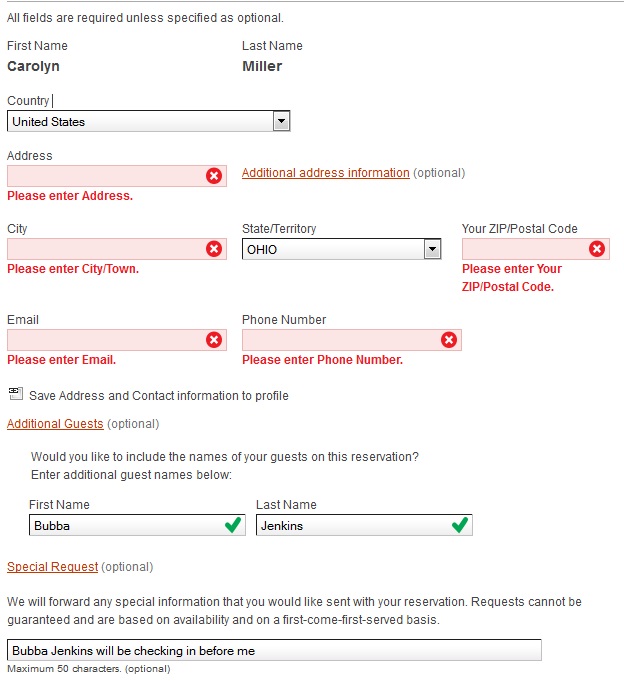
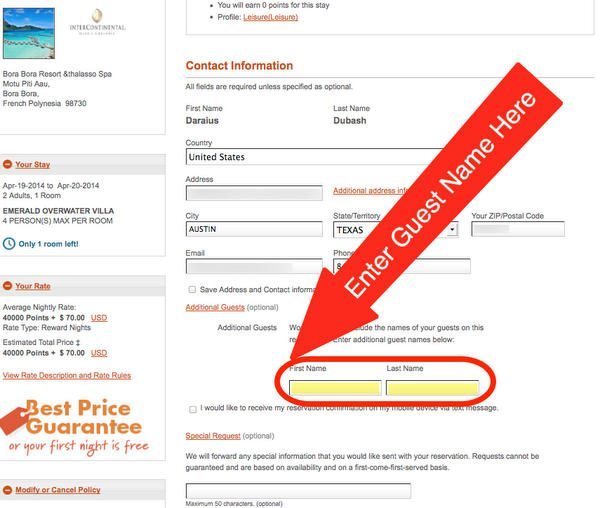
- Using Your Credit Card for Payment: When booking online, use your credit card as usual. However, be vigilant during the process to see if there’s a field to specify a different guest name. If so, enter the actual guest’s name. If not, don’t worry, as you’ll follow up directly with the hotel.
- Pre-authorization Forms and Third-Party Authorization: Many hotels will require you to complete a “credit card authorization form” or “third-party authorization form.” These forms typically ask for your credit card details, billing address, signature, and often a copy of your ID. They explicitly state that you authorize the hotel to charge your card for the specified guest’s stay, including room, taxes, and sometimes incidentals. This form often needs to be faxed or emailed back to the hotel prior to the guest’s arrival. This is the hotel’s way of ensuring the cardholder’s consent and preventing chargebacks or fraud. Confirm if you are authorizing for room and tax only, or if you also wish to cover incidental charges (mini-bar, room service, spa treatments, etc.) for the guest.
- Confirming Guest Names on Reservation: Double-check that the reservation is made in the guest’s name. While you are the payer, the primary guest’s name should be on the booking confirmation. If it’s initially created under your name, ensure the hotel amends it or adds the guest’s name as an “additional guest” or “primary guest.” This prevents check-in confusion.
- Virtual Credit Cards/Alternative Payment Methods: In some cases, particularly for corporate bookings, companies might use virtual credit cards. These are single-use or limited-use credit card numbers generated for a specific transaction. While they can simplify the process, the hotel still needs clear communication and authorization details to process them correctly. For broader tourism scenarios, simpler direct payment or authorization forms are more common.
Common Pitfalls and How to Avoid Them
Even with careful planning, unexpected issues can arise. Knowing the common pitfalls can help you preemptively address them.
Check-in Day Woes: Preventing Headaches
The day of arrival is when all your preparations are put to the test. Ensuring a smooth check-in is the ultimate goal.
- Guest ID vs. Booker Name Mismatch: The most frequent problem is when the guest arrives, and their ID doesn’t match the name on the reservation. If you haven’t properly communicated with the hotel and completed the necessary authorization forms, the guest might be turned away or asked to pay again. This is why having the reservation in the guest’s name and ensuring the hotel is aware of the third-party payment is paramount.
- Incidental Charges and Security Deposits: Even if the room and tax are pre-paid, many hotels require a credit card from the guest for incidental charges and a security deposit. This covers potential damages, mini-bar use, or other services. If you haven’t authorized for incidentals, ensure your guest is aware they will need their own credit card for this purpose. Advise them to have a credit card ready, even if they don’t plan on charging anything to the room.
- Last-Minute Changes and Cancellations: If the guest needs to modify or cancel the reservation, complications can arise if you are the one who booked it. Because the hotel’s records link the reservation to your payment and often your contact details, the guest might not be able to make changes without your explicit permission or direct involvement. Clarify with the hotel who has the authority to make changes – usually, it remains with the person whose credit card is on file, unless otherwise specified.
International Bookings and Specific Destinations
Booking internationally adds another layer of complexity due to differing regulations, cultural practices, and payment systems.
- Visa Requirements and Local Laws: When booking for someone traveling internationally, always remind them to check visa requirements for their destination. For example, a traveler to Dubai will have different entry requirements than one visiting Rome or Tokyo. Some countries might have specific rules regarding hotel bookings, especially if they are part of a visa application process. Additionally, local tourism taxes or fees, such as those sometimes found in Amsterdam or Barcelona, may not be included in the initial booking and could be due at check-in.
- Currency Conversion and International Fees: If you’re paying from a different country, be mindful of currency conversion rates and potential international transaction fees imposed by your bank or credit card company. These can add unexpected costs to the booking. It’s often advisable to use a credit card that waives foreign transaction fees, such as a Chase Sapphire Reserve, American Express Platinum, or Capital One Venture X.
- Understanding Local Culture and Customs: In some regions, identification requirements might be stricter, or local customs might influence how payments or reservations are handled. For instance, some smaller, independent establishments might be less familiar with elaborate third-party authorization forms than large international chains. Being aware of the local nuances can help you anticipate and address potential issues. When considering landmarks like the Giza Pyramids in Cairo or Teotihuacan near Mexico City, local tour operators might also offer accommodation packages that simplify parts of the booking process, but the core principles of third-party payment still apply.
Beyond the Basics: Advanced Tips and Considerations
Once you’ve mastered the fundamentals, there are additional considerations that can enhance the third-party booking experience, especially for frequent travelers or those seeking particular benefits.
Loyalty Programs and Member Benefits
Navigating loyalty programs when booking for others can be tricky but rewarding if handled correctly.
- Can the Guest Earn Points? Generally, points from hotel loyalty programs like IHG One Rewards (for InterContinental Hotels Group), Marriott Bonvoy, Hilton Honors, or World of Hyatt (formerly including Starwood Preferred Guest) are awarded to the person staying in the room, not the person paying for it, provided their loyalty number is attached to the reservation. This means your guest can typically earn points if their loyalty number is added to the booking at the time of reservation or check-in. Always confirm this with the hotel or the specific loyalty program. Some programs might have specific rules for corporate bookings or family stays.
- Booking Through Travel Agents: For complex itineraries, luxury travel, or corporate accounts, using a professional travel agent can simplify third-party bookings immensely. Agents often have direct lines of communication with hotels and can navigate authorization forms and special requests on your behalf, leveraging their industry connections and expertise. They can also provide valuable guides and tips for specific destinations or attractions.
Choosing the Right Accommodation Type
The type of accommodation you choose can also impact the third-party booking process, especially regarding flexibility and available amenities.
- Hotels vs. Resorts vs. Apartments vs. Villas: While hotels are generally well-versed in third-party bookings, other accommodation types might have different procedures. Resorts often have similar policies to hotels but might include more complex package deals or activity authorizations. Apartments or villas booked through platforms like Airbnb or local rental agencies might have more informal arrangements, but still require clear communication about who will be checking in and who is financially responsible. Always check the specific rental agreement or platform’s guidelines.
- Considering Amenities and Specific Needs: When booking for someone else, consider their specific needs and preferences. Are they looking for a luxury travel experience with a spa and fine dining, or a budget travel option near public transport? Are they traveling with family and need family-friendly resorts or specific facilities? Does their trip involve visiting specific landmarks like the Colosseum in Rome or the British Museum in London, or are they seeking local culture and food? Factoring these into your choice ensures the accommodation truly enhances their trip, whether they are visiting Sydney and the Sydney Opera House or exploring the ancient history of Machu Picchu in Peru.
In conclusion, booking a hotel for someone else is a perfectly viable and often thoughtful gesture. However, it requires diligence and clear communication. By understanding the hotel’s policies, completing any necessary authorization forms, and ensuring the guest’s name is correctly associated with the reservation, you can smooth the path for a stress-free and enjoyable stay for your recipient. Always prioritize direct communication with the hotel to clarify their specific requirements, preventing any unwelcome surprises for the guest at check-in. With these steps, you can confidently arrange travel for others, knowing you’ve laid the groundwork for a memorable experience.
LifeOutOfTheBox is a participant in the Amazon Services LLC Associates Program, an affiliate advertising program designed to provide a means for sites to earn advertising fees by advertising and linking to Amazon.com. Amazon, the Amazon logo, AmazonSupply, and the AmazonSupply logo are trademarks of Amazon.com, Inc. or its affiliates. As an Amazon Associate we earn affiliate commissions from qualifying purchases.