
Embarking on a journey from the bustling city of San Francisco to the serene shores of Hawaii is a dream for many, promising an escape to paradise. One of the most common questions travelers ponder when planning this idyllic getaway is, “How long will I actually be in the air?” While the allure of the Aloha State might make the flight seem negligible, understanding the duration and what to expect during this trans-Pacific journey is crucial for a smooth and enjoyable travel experience. Generally, a direct flight from San Francisco to one of Hawaii’s main islands typically ranges from five to six hours. This estimate can vary based on several factors, including the specific Hawaiian island destination, the aircraft type, prevailing winds, and whether your flight is direct or involves a layover.
This article will delve into the intricacies of flying from San Francisco to Hawaii, providing a comprehensive guide not just on flight times but also on preparing for your journey, maximizing comfort, and laying the groundwork for an unforgettable Hawaiian adventure. From understanding the flight dynamics to selecting your ideal island and accommodation, we’ll cover everything you need to know to transform that travel dream into a reality.
Understanding the Flight Dynamics
The journey across the Pacific Ocean from San Francisco to Hawaii is a well-traveled route, serviced by numerous airlines daily. While the average flight time provides a good baseline, several elements can influence the precise duration of your trip. Knowing these factors can help you better plan and set your expectations for your aerial voyage.
Average Flight Times to Key Hawaiian Islands
Hawaii is an archipelago of islands, each offering a unique charm and experience. Direct flights from San Francisco usually land on four primary islands, and the flight duration can subtly shift depending on your chosen destination.
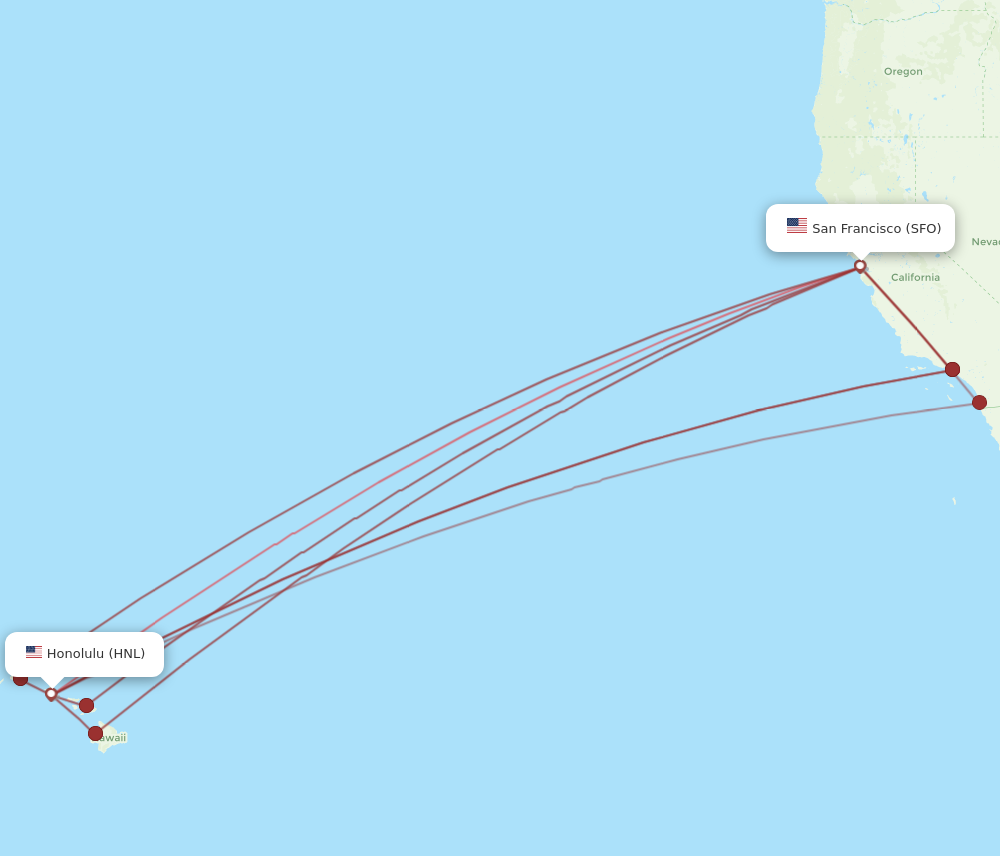
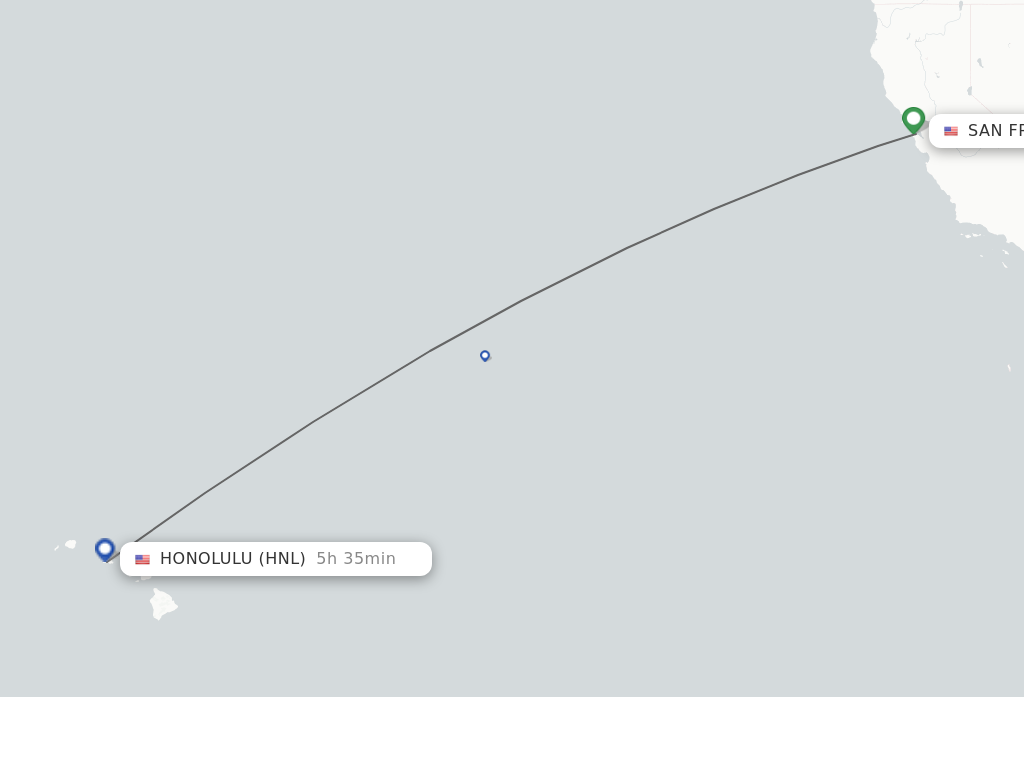
- To Oahu (Honolulu): Flights to Daniel K. Inouye International Airport (HNL), serving Honolulu and the popular Waikiki Beach, are often the shortest. The average flight time is approximately 5 hours and 15 minutes to 5 hours and 30 minutes.
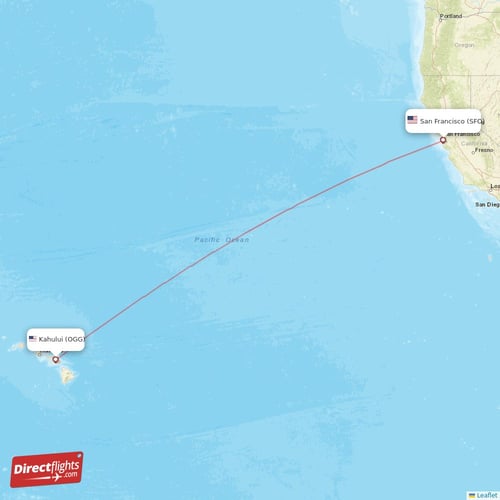
- To Maui (Kahului): Heading to the “Valley Isle” involves landing at Kahului Airport (OGG). Flights typically take around 5 hours and 20 minutes to 5 hours and 45 minutes.
- To Kauai (Lihue): The “Garden Isle” is accessed via Lihue Airport (LIH). Expect a flight duration of approximately 5 hours and 30 minutes to 5 hours and 50 minutes.
- To the Big Island (Kona or Hilo): The largest Hawaiian island, often referred to as Hawaii Island, has two main airports: Kona International Airport (KOA) on the west side and Hilo International Airport (ITO) on the east. Flights to Kona or Hilo are generally the longest, averaging around 5 hours and 45 minutes to 6 hours and 15 minutes.
These times are for direct flights. Any layovers, even brief ones in other Californian cities or on another Hawaiian island, will significantly extend your overall travel time.
Factors Influencing Flight Duration
Beyond the specific destination, several elements play a role in the precise duration of your flight:
- Aircraft Type: Modern aircraft, especially those designed for longer-haul routes, can sometimes offer slightly faster cruising speeds. However, the difference for this particular route is usually marginal across the common airliners used.
- Headwinds and Tailwinds: This is perhaps the most significant variable. Flights heading west from the mainland to Hawaii often encounter prevailing headwinds, which can slow the aircraft down and add 15-30 minutes to the flight time. Conversely, the return journey eastward often benefits from tailwinds, making the flight notably shorter, sometimes by as much as 30-45 minutes.
- Flight Path and Air Traffic Control: Minor adjustments to the flight path due to air traffic control, weather systems, or military operations can add a few minutes here and there.
- Specific Airport: While the main gateway for this route is San Francisco International Airport (SFO), if you were to depart from a different bay area airport (which is less common for direct Hawaii flights), the initial trajectory could slightly alter the flight duration.
Major Airports in San Francisco and Hawaii
Your journey will almost certainly begin at San Francisco International Airport (SFO). SFO is a major international hub, offering a wide array of amenities, dining options, and lounges to make your pre-flight experience comfortable. It’s well-connected to the city via BART (Bay Area Rapid Transit) and various shuttle and taxi services, making access convenient for travelers from across the Bay Area.
Upon arrival in Hawaii, you’ll likely land at one of the following main airports:
- Daniel K. Inouye International Airport (HNL) on Oahu: The busiest airport in Hawaii, serving Honolulu and connecting to various international and inter-island flights.
- Kahului Airport (OGG) on Maui: The main gateway to Maui, popular with tourists heading to Kaanapali, Lahaina, and Wailea.
- Lihue Airport (LIH) on Kauai: Serves the “Garden Isle,” a favorite for nature lovers and adventurers exploring the Na Pali Coast and Waimea Canyon.
- Kona International Airport (KOA) and Hilo International Airport (ITO) on the Big Island: Kona primarily serves the drier, resort-filled west coast, while Hilo caters to the wetter, lush east side, closer to Volcanoes National Park.
Upon arrival at any of these airports, you’ll find various transportation options, including rental cars (highly recommended for exploring the islands), shuttles, and taxis, to whisk you away to your chosen hotel or resort.
Preparing for Your Trans-Pacific Journey
A flight of five to six hours is long enough to warrant some strategic preparation to ensure your comfort and well-being. Thinking ahead about what to bring, how to manage the time difference, and which airline best suits your needs can significantly enhance your overall lifestyle during the travel portion of your trip.
Maximizing Comfort on Long Flights
Even relatively short long-haul flights can be tiresome. Here are some tips to make your journey across the Pacific as pleasant as possible:
- Dress in Layers: Airplane cabins can fluctuate in temperature. Wearing comfortable, loose-fitting clothing and layers will allow you to adjust.
- Stay Hydrated: Dehydration is common on planes due to dry cabin air. Drink plenty of water before and during your flight, and limit alcohol and caffeine intake.
- Pack Smart:
- Entertainment: Load your tablet or phone with movies, TV shows, podcasts, or e-books. Many airlines offer in-flight entertainment, but having your own backup is always a good idea.
- Headphones/Earbuds: Noise-canceling headphones are a godsend for blocking out engine hum and cabin noise.
- Neck Pillow and Eye Mask: Essential for catching some restful sleep or simply relaxing without distraction.
- Snacks: While airlines provide meals or snacks, having your favorite healthy options on hand can prevent hunger pangs and offer a taste of home.
- Basic Toiletries: A small pouch with a toothbrush, toothpaste, moisturizer, and lip balm can help you feel refreshed.
- Move Around: To prevent stiffness and reduce the risk of deep vein thrombosis (DVT), get up and walk around the cabin every couple of hours if possible. If not, do some simple stretches in your seat.
- Consider a Window or Aisle Seat: A window seat offers views and a wall to lean against for sleep, while an aisle seat provides easier access to the restroom and the ability to stretch your legs without disturbing others.
Navigating Time Zones and Jet Lag
Hawaii operates on Hawaii Standard Time (HST), which does not observe daylight saving. San Francisco operates on Pacific Standard Time (PST) during winter and Pacific Daylight Time (PDT) during summer.
- During PST (winter): Hawaii is two hours behind San Francisco.
- During PDT (summer): Hawaii is three hours behind San Francisco.
This time difference is manageable, but it’s still wise to prepare for potential jet lag.
- Adjust Before You Go: A few days before your trip, try to shift your sleep schedule by an hour or so towards Hawaii time.
- Hydrate and Avoid Alcohol: As mentioned, this helps your body adjust.
- Embrace the Local Time: Upon arrival, immediately adjust your watch and try to follow the local schedule. Maximize exposure to natural light during the day and try to sleep at night, even if you’re not tired.
- Light Exercise: A walk on the beach or a swim can help reset your body clock and alleviate fatigue.
Choosing the Right Airline and Class
Several reputable airlines offer direct flights from San Francisco to Hawaii, each with its own advantages. Your choice might depend on budget, loyalty programs, preferred cabin class, and service expectations.
- United Airlines: A major carrier at SFO, United offers frequent daily flights to all major Hawaiian islands. They provide various cabin classes, including Economy, Economy Plus (extra legroom), and First Class.
- Hawaiian Airlines: Hawaii’s flag carrier is known for its authentic Hawaiian hospitality, service, and complimentary meals in economy class. They offer a true taste of the islands from the moment you board.
- Alaska Airlines: A popular choice, Alaska provides strong service and connections to various Hawaiian destinations. Their loyalty program is highly regarded.
- Southwest Airlines: Known for its budget-friendly fares and two free checked bags policy, Southwest has become a strong contender on the California-Hawaii route, though they typically operate out of Oakland (OAK) or San Jose (SJC) as well, but also SFO.
For those seeking a more luxurious or comfortable experience, upgrading to First Class or Business Class can be worthwhile. These options typically include lie-flat seats (on some aircraft), enhanced dining, priority boarding, and dedicated service, turning the flight into an extension of your vacation rather than just a means of transport. For travelers on a tighter budget, look for economy fares during off-peak seasons or consider Basic Economy if you don’t mind restrictions on seat selection or baggage.
Beyond the Flight: Planning Your Hawaiian Adventure
Once you’ve factored in the flight duration and prepared for your journey, the exciting part begins: planning your actual Hawaiian adventure. Hawaii offers a myriad of experiences, from vibrant city life to secluded natural wonders, catering to every type of tourism and lifestyle.
Selecting Your Ideal Hawaiian Island
Each Hawaiian island possesses a distinct personality, making the choice of where to go a crucial step in planning.
- Oahu: The Gathering Place: Ideal for first-time visitors and those seeking a blend of urban excitement and natural beauty. Honolulu boasts the iconic Waikiki Beach, world-class dining, shopping, and historical landmarks like Pearl Harbor and the majestic Diamond Head crater. The North Shore is famous for its legendary surf breaks, while the Polynesian Cultural Center offers an immersive look into island cultures.
- Maui: The Valley Isle: Renowned for its stunning beaches, luxury resorts, and diverse landscapes. It’s a popular choice for romantic getaways, family trips, and adventure seekers. Drive the scenic Road to Hana, witness a breathtaking sunrise from Haleakala National Park’s summit, or go whale watching (seasonal). Areas like Wailea and Kaanapali offer exquisite hotels and amenities.
- Kauai: The Garden Isle: A paradise for nature lovers and outdoor enthusiasts, Kauai is characterized by lush rainforests, cascading waterfalls, and dramatic cliffs. Explore the awe-inspiring Na Pali Coast by boat or helicopter, hike through Waimea Canyon (the “Grand Canyon of the Pacific”), or relax on the beautiful beaches of Poipu or Princeville.
- Big Island: Hawaii Island: Offers incredible diversity, from active volcanoes to snow-capped mountains (Mauna Kea). Visit Volcanoes National Park to witness the geological power of Kilauea and Mauna Loa, snorkel with manta rays in Kona, or explore the black sand beaches of Punalu’u.
Consider your interests, budget, and desired pace when choosing your island. Many travelers opt for island hopping to experience a broader range of Hawaiian wonders, which typically involves short inter-island flights.
Accommodation Choices: From Luxury Resorts to Budget-Friendly Stays
Hawaii offers a spectrum of accommodation options to suit every preference and budget, aligning with various travel lifestyles.
- Luxury Resorts: For those seeking an indulgent experience, Hawaii is home to world-class resorts with lavish suites, stunning oceanfront views, gourmet dining, and extensive amenities like spas, championship golf courses, and private villas. Examples include the Four Seasons Resort Maui at Wailea, The Royal Hawaiian, a Luxury Collection Resort on Oahu, or the Grand Hyatt Kauai Resort & Spa. These options cater to a high-end travel lifestyle.
- Mid-Range Hotels: A balanced choice offering comfort and convenience without the premium price tag. Many chains and independent hotels provide excellent service, pools, and convenient locations. The Aston Waikiki Beach Hotel is a popular example, offering good value with beach access.
- Vacation Rentals (Apartments/Villas): For families, groups, or those desiring a more local experience and the flexibility of self-catering, renting an apartment, condo, or villa through platforms like Airbnb or VRBO can be an excellent choice. This can be especially cost-effective for longer stays.
- Budget-Friendly Options: Travelers on a budget can find hostels, guesthouses, and smaller independent hotels, particularly away from the main resort areas. Camping is also an option in designated parks on some islands for the adventurous budget traveler.
Booking your accommodation well in advance, especially during peak seasons (winter, summer, holidays), is highly recommended to secure the best rates and availability. Utilizing comparison websites and reading reviews can aid in making an informed decision.
Must-Do Activities and Cultural Experiences
Beyond the stunning scenery, Hawaii’s rich local culture and myriad activities offer deep, memorable experiences for any traveler interested in authentic tourism.
- Immerse in Culture: Attend a traditional luau for an evening of authentic Hawaiian food, music, and hula dancing. Visit historical sites like Iolani Palace on Oahu, the only official residence of royalty in the United States, or learn about the legacy of Pearl Harbor. Engaging with the aloha spirit and respecting local customs will enrich your visit.
- Water Sports: Hawaii is a water sports paradise. Go snorkeling or scuba diving in vibrant coral reefs, try surfing on beginner-friendly waves, paddleboard, kayak, or take a catamaran cruise to explore the coastline.
- Hiking and Nature Exploration: Discover incredible trails leading to waterfalls, volcanic craters, and panoramic viewpoints. Popular hikes include Diamond Head Summit Trail on Oahu, the Pipiwai Trail along the Road to Hana on Maui, and the Kalalau Trail on Kauai.
- Taste Local Flavors: Sample fresh poke bowls, try a traditional plate lunch, indulge in shave ice, and savor locally grown Kona coffee or pineapple from the Dole Plantation. Culinary tours are also available to explore Hawaii’s diverse food scene.
- Relaxation: Sometimes the best activity is simply relaxing on a pristine beach, listening to the waves, and soaking up the sun. Hawaii provides ample opportunities for pure rest and rejuvenation.
In conclusion, the flight from San Francisco to Hawaii is a relatively short and manageable journey, typically lasting between five and six hours. With thoughtful preparation for comfort, an understanding of time zone changes, and careful consideration of airline and cabin class options, the flight can be an enjoyable part of your overall vacation. Once you touch down in the Aloha State, a world of stunning natural beauty, rich cultural experiences, and diverse accommodation awaits, promising an unforgettable escape into paradise. Embrace the journey, and prepare to be enchanted by the magic of Hawaii.
LifeOutOfTheBox is a participant in the Amazon Services LLC Associates Program, an affiliate advertising program designed to provide a means for sites to earn advertising fees by advertising and linking to Amazon.com. Amazon, the Amazon logo, AmazonSupply, and the AmazonSupply logo are trademarks of Amazon.com, Inc. or its affiliates. As an Amazon Associate we earn affiliate commissions from qualifying purchases.