
The traditional concept of a home has undergone a radical transformation in the modern era. For many, the idea of a fixed mortgage, property taxes, and the unending cycle of household maintenance has lost its appeal. Instead, a growing number of individuals are asking a compelling question: Can I live in a hotel? The short answer is yes, but the reality involves a sophisticated balancing act of logistics, financial planning, and lifestyle curation. Moving into a long-term hotel stay is no longer reserved for eccentric billionaires or rock stars; it is a viable alternative for digital nomads, retirees, and those in professional transition.

The Evolution of Long-Term Accommodation
The hospitality industry has rapidly adapted to meet the needs of those seeking more than just a brief weekend getaway. Hotels are increasingly segmenting their inventory to cater to extended-stay guests, offering specialized rates and amenities that bridge the gap between a standard room and a serviced apartment.
Defining the Long-Term Stay Experience
When you choose to live in a hotel, you are not merely renting space; you are subscribing to a lifestyle. Facilities like the Marriott International or the Hilton Hotels & Resorts chains often provide tiered loyalty programs that reward long-term residency with significant discounts, complimentary laundry services, and access to premium executive lounges. Unlike a traditional apartment rental in a city like New York City, a hotel stay is usually “all-inclusive,” covering electricity, high-speed internet, and water, effectively eliminating the administrative burden of utility management.
Selecting the Right Property
Not every establishment is suited for permanent residence. If you are considering moving into a hotel, you must look for specific hallmarks of a long-term friendly environment. This includes properties that offer kitchenettes or full kitchens, robust workspaces, and a community atmosphere. For instance, the Residence Inn brand was specifically engineered for this demographic, providing more square footage and home-like amenities than a typical boutique city hotel.
Strategic Financial Planning for Hotel Living
Living in a hotel requires a rigorous financial audit. While the absence of maintenance costs is a significant benefit, the daily room rate can accrue quickly if one does not negotiate effectively.
Negotiating Your Rate
The rack rate—the price you see on booking websites—is rarely the price you should pay for a month-long stay. When planning to reside in a property such as The Ritz-Carlton, you should contact the sales department directly rather than booking through a third-party aggregator. Sales managers often have the authority to provide “extended stay” discounts, sometimes reducing the nightly rate by 30% to 50% for guests committing to a period of 30 days or longer.
Tax Considerations and Residency
One of the most complex aspects of living in a hotel is the legal definition of your residence. In many jurisdictions, staying in a hotel for a prolonged period may exempt you from certain occupancy taxes. However, you must be aware of local laws in cities like London or Paris, where tax statutes vary significantly regarding long-term residency. It is advisable to maintain a separate permanent mailing address, such as a P.O. box or a family member’s home, to ensure you remain compliant with local and national administrative requirements.
The Lifestyle Impact of Permanent Hotel Residency
The transition to hotel living is as much psychological as it is physical. Eliminating the “clutter of ownership” can be incredibly liberating, but it requires a change in mindset.
Minimalism and Mobility
When your entire living space is contained within a hotel suite, you naturally become a minimalist. You learn to curate your belongings, realizing that comfort is found in experiences rather than material accumulation. This mobility allows for a lifestyle where you can spend your summer in Tokyo and your winter in Dubai, with your “home” always being waiting for you, cleaned and prepped.
Community and Isolation
One of the potential drawbacks of hotel living is the transient nature of the environment. You are surrounded by people who are often on vacation or business, meaning your neighbors change frequently. To combat potential isolation, many long-term residents seek out properties that feature active social programming. Resorts like those found in Bali or Phuket often foster a community of remote workers, creating an organic social network that can make a hotel feel remarkably like a neighborhood.
Balancing Luxury and Practicality
For those looking to live in a hotel, the goal is often to find the “sweet spot” where luxury service meets domestic functionality.
Service Expectations
The primary luxury of hotel living is the elimination of household chores. Knowing that your bed will be made, your towels refreshed, and your room vacuumed daily provides a level of freedom that few homeowners ever experience. However, it is essential to establish boundaries with staff. Consistent tipping and clear communication regarding your cleaning schedule can help build a relationship that ensures your room is maintained to your personal specifications.
The Role of Amenities
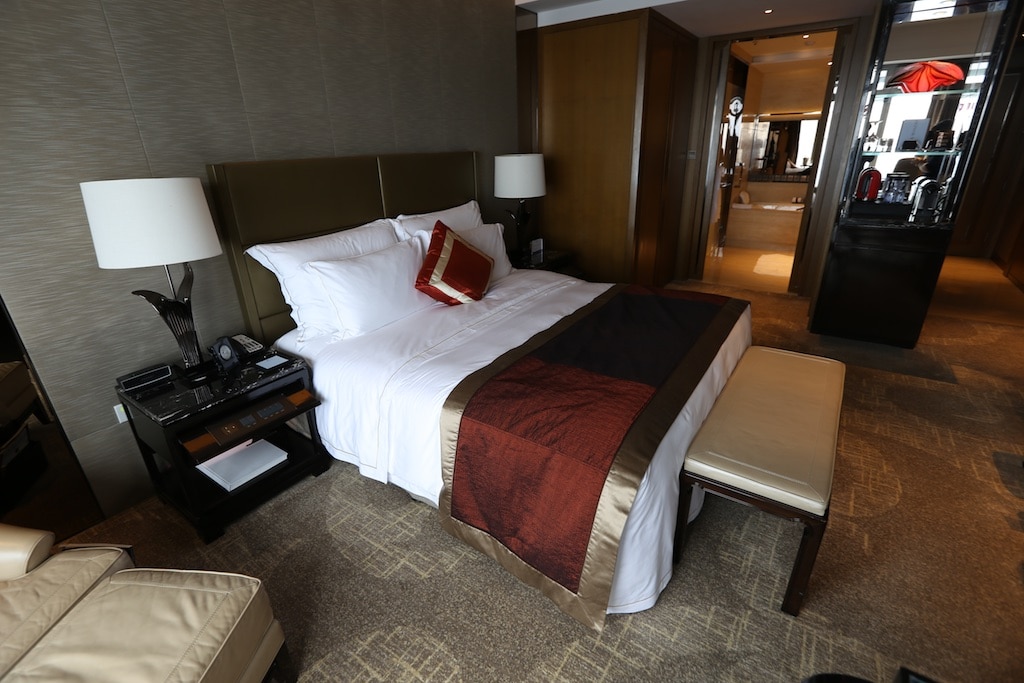
When you move into a property such as the Four Seasons Hotel, you are gaining access to infrastructure that would be impossible to maintain in a private home. Access to a world-class gym, a swimming pool, a concierge service, and on-site dining means that your lifestyle is inherently more vibrant. Yet, one must be disciplined. Relying solely on room service can be detrimental to both your health and your bank account. Long-term hotel dwellers often find a balance by mixing hotel dining with local grocery shopping for fresh snacks, effectively utilizing the refrigerator and microwave often provided in suite-style rooms.

Future Outlook
The “live-in-a-hotel” trend is showing no signs of slowing down. As global work culture continues to emphasize remote capability and flexibility, major brands are investing heavily in “co-living” hotel concepts. These properties integrate co-working spaces directly into the lobby or mezzanine levels, blending the professional with the personal. Whether you are looking for a temporary escape or a permanent change in how you inhabit the world, the hospitality sector stands ready to redefine what “home” truly means. By understanding the logistics, negotiating the costs, and embracing the nomadic spirit, you can turn a premier hotel into a sustainable, comfortable, and deeply rewarding living space.
LifeOutOfTheBox is a participant in the Amazon Services LLC Associates Program, an affiliate advertising program designed to provide a means for sites to earn advertising fees by advertising and linking to Amazon.com. Amazon, the Amazon logo, AmazonSupply, and the AmazonSupply logo are trademarks of Amazon.com, Inc. or its affiliates. As an Amazon Associate we earn affiliate commissions from qualifying purchases.