
When travelers curate their lists of must-visit destinations, they often focus on visual grandeur—the towering skyscrapers, the sprawling parks, or the glittering waterfronts. Yet, there is a primal, inescapable sensory dimension to any city that often goes overlooked until you step off the plane: its scent. The olfactory footprint of a place defines our memories of it as much as any sight. When comparing New York and Seattle, we are essentially weighing two vastly different urban ecosystems against one another. One is a sprawling, high-density metropolis defined by industry and human heat, while the other is a maritime hub hugged by coniferous forests and the saline breath of the Pacific.

The Sensory Architecture of New York: A Complex Urban Bouquet
New York City is a living, breathing machine, and its scent profile is arguably the most recognizable in the world. It is not necessarily “pleasant” in the traditional floral sense, but it is deeply, undeniably evocative.
The Aroma of Constant Motion
At street level, the smell of Manhattan is a layered tapestry. There is the metallic tang of the New York City Subway, a mix of heated steel, ozone, and underground earth. This scent changes as you ascend. Emerging onto the sidewalk, one is greeted by the ubiquitous aroma of roasted nuts and sugary pretzels from street carts, mingling with the heavy, savory steam of halal carts. In the midtown corridor, the scent is dominated by hot asphalt and the exhaust of yellow taxis, a reminder of the sheer volume of humanity concentrated in a small geography.
The Contrast of Greenery
Despite its reputation as a concrete jungle, the olfactory experience of New York shifts dramatically when one enters Central Park. Here, the air carries the scent of damp soil, manicured lawns, and the seasonal decay of autumn leaves or the sharp pine of winter. This “green lung” provides a necessary respite from the grit of the surrounding avenues, acting as an olfactory palate cleanser that proves the city is capable of sweetness if you know where to look.
The Pacific Northwest Essence: Seattle’s Coastal and Forested Atmosphere
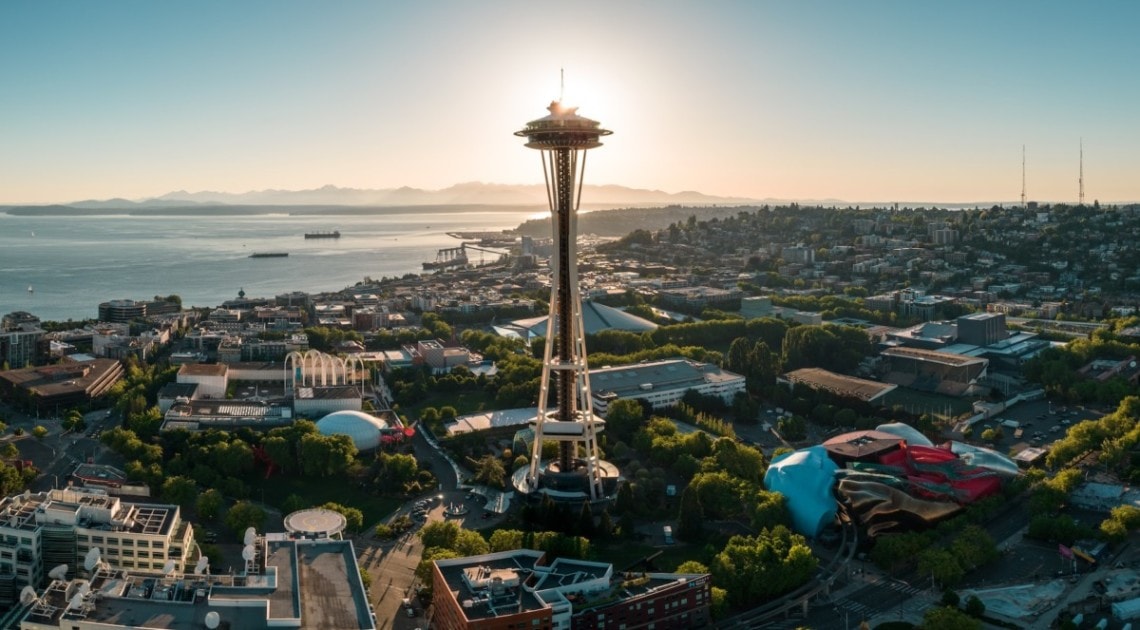
If New York smells like the product of human industry, Seattle smells like the product of nature’s relentless encroachment. The “Emerald City” has a scent profile that is remarkably consistent, defined by its geography as a city situated between Puget Sound and the Cascade Range.
The Salty Maritime Influence
The air in Seattle is almost always cool and damp, which acts as a carrier for the scents of the environment. Near Pike Place Market, the scent is sharp and bracing—brine, fresh fish, and the earthy, roasted notes of the original Starbucks location. It is a clean scent, one that feels filtered through the massive, humid expanse of the Pacific Ocean.
The Earthy Undertones of the Northwest
Travelers venturing into neighborhoods like Capitol Hill or exploring the nearby Discovery Park will notice the pervasive smell of cedar and Douglas fir. The Pacific Northwest is famous for its rainfall, and that moisture draws out the essential oils of the surrounding evergreen forests. This creates a deeply soothing, resinous, and damp-earth aroma that permeates the city. Unlike the dry heat of an eastern city, Seattle smells “alive”—a constant cycle of growth, decomposition, and regeneration.
Comparative Olfaction: Which City Wins the Air Quality Test?
When deciding which city “smells better,” the answer largely depends on your definition of a pleasant urban experience.
The Case for New York’s Vitality
Those who prefer New York often cite the “energy” found in its scents. There is something intoxicating about the smell of a bustling metropolis—the coffee shops in Greenwich Village, the sea air blowing in from the East River, and even the faint scent of rain on hot pavement. It is a city that feels like it is constantly consuming and producing, and its scent reflects a chaotic, vibrant intensity that appeals to the urban explorer who loves the thrill of the grind.
The Case for Seattle’s Serenity
Conversely, visitors who prioritize air quality and freshness almost always lean toward Seattle. There is no competing with the crisp, oxygen-rich air that sweeps in from the Olympic Peninsula. The scent profile here is calming, understated, and restorative. For those sensitive to pollution or the overwhelming odors of dense urban life, the “clean” smell of the Pacific Northwest is a massive luxury. It smells like health, nature, and tranquility.
Factors Influencing the Olfactory Experience
To truly understand how these cities smell, one must consider the seasonal and structural variables that shift the atmosphere.
- Weather Patterns: New York experiences extreme temperature shifts. In the summer, the city heat radiates off buildings, intensifies garbage odors, and creates a humid, heavy, and sometimes overwhelming scent. In the winter, the air is sharp, freezing, and smells of wood smoke and coal. Seattle, by contrast, maintains a more temperate climate. The consistent moisture ensures that the “damp wood and sea” smell is remarkably stable year-round.
- Urban Planning: New York is built for density. With millions of people in such close proximity, the olfactory profile is inextricably tied to human activity. Seattle is more decentralized, with pockets of extreme greenery and water access that allow the natural world to compete with human infrastructure.
- Culinary Influence: Both cities have massive food cultures. However, the smell of New York is dominated by the street—pizza crusts, bagels, and street meat. Seattle tends to lean toward artisanal and beverage-focused scents, specifically high-end coffee and the freshest seafood caught just miles away.

Conclusion: A Matter of Personal Preference
Ultimately, comparing the scents of these two iconic destinations reveals much about what travelers value. If you crave the adrenaline of human achievement and the sensory overload of a global center, the gritty, complex, and intoxicating perfume of New York will always be the winner. It is the scent of progress.
However, if your soul is soothed by the rhythmic tide of the ocean and the healing, woody scent of an ancient forest, Seattle provides an olfactory sanctuary. It is the scent of a city in harmony with its rugged, beautiful surroundings. Neither is objectively “better,” but both offer a distinct, memorable experience that will linger in your mind long after you have packed your bags and headed home. Whether you choose the electric hum of the East Coast or the mist-covered calm of the West Coast, you are engaging in one of travel’s most subtle, yet profound, pleasures: the art of smelling the world.
LifeOutOfTheBox is a participant in the Amazon Services LLC Associates Program, an affiliate advertising program designed to provide a means for sites to earn advertising fees by advertising and linking to Amazon.com. Amazon, the Amazon logo, AmazonSupply, and the AmazonSupply logo are trademarks of Amazon.com, Inc. or its affiliates. As an Amazon Associate we earn affiliate commissions from qualifying purchases.